The best multiplayer horror games turn a familiar night with friends into a mix of nerves, teamwork, and accidental comedy. The right pick depends on whether your group wants to cooperate, compete, share a story, or laugh through the scares. Some games reward a calm plan; others make a voice chat full of startled shouts part of the fun. This list covers PC favorites, console choices, and mobile options, with different ways to play together. You can compare group formats first, then find a game that fits your friends’ platforms and mood. No one needs to enjoy every kind of fear. A good match for the group keeps the fear fun instead of making everyone wish they had picked a different kind of game.
Key Takeaways
- Pick a shared investigation for clue-based co-op.
- Choose role-based horror when friends want to compete.
- Check player limits and local or online modes before inviting everyone.
- Mobile and console games offer options beyond PC play.
- Match the game’s fear level to your group’s mood.
Best Multiplayer Horror Games for Every Kind of Group
A group that wants shared ghost investigations should start with Phasmophobia, while friends who want opposing roles can try Dead by Daylight. Asymmetrical multiplayer is a format where opposing sides have different roles and objectives. The best multiplayer horror game for your group depends on its preferred fear style and play setup.
Some groups want steady cooperation, while others enjoy working against each other. A multiplayer horror game can also turn a shared task into comedy when plans fall apart. The table shows what each pick asks your group to do.
| Game | Central activity | Group dynamic | Distinguishing challenge |
|---|---|---|---|
| Phasmophobia | Ghost investigation | Evidence gathering | Identifying the haunting |
| The Outlast Trials | Experimental trials | Cooperative survival | Psychological pressure |
| Dead by Daylight | Generator repairs and escape | Survivors versus a killer | Role-based objectives |
| The Ghost | Haunted survival | Team up or play as the ghost | Escape |
| Content Warning | Filming creatures | Shared recording task | Balancing footage and danger |
Start with the kind of fear your group enjoys
Decide whether your friends want investigation, psychological tension, direct competition, or a silly scare. Phasmophobia centers on identifying a haunting, while Content Warning makes filming dangerous creatures part of the objective. Dead by Daylight gives players opposing roles, and The Outlast Trials puts a team through experimental trials.
The Ghost lets players team up or take the ghost’s side. That split can suit a group that enjoys changing roles, but it may disappoint players who want everyone to cooperate. Choose a mood before settling on a title, since comic chaos and sustained dread feel very different.
Check the co-op format before inviting everyone
Confirm the mode, platform, and group size before you set a time. A game may offer both solo and multiplayer play, but that does not mean every mode supports the same number of people. Groups comparing local party options can also check these multiplayer Switch games for families.
- Preferred fear style: investigation, pressure, competition, or comedy.
- Group size: the number of friends joining the same session.
- Online versus local play: separate devices or one shared room.
- Platform compatibility: matching systems and supported play modes.
Before choosing, match the game’s format to the smallest practical detail, whether everyone has the same platform or the group wants to play in one room.
A group that needs couch play or phones should check the mode before choosing a PC or online-only pick. That small check can save an evening from turning into a last-minute game search.
Phasmophobia makes ghost hunting a team investigation
A ghost investigation gets tense when one player has the evidence and the rest of the group needs to act on it. Shared clues make Phasmophobia a strong horror game for friends who enjoy co-op investigation. Communication helps players compare signs and coordinate before a ghost encounter interrupts the plan.
Ghost hunters use tools to gather evidence, then identify the haunting from the clues. Cameras can record what happens, EMF readers can detect activity, and spirit boxes help test for responses. The group needs to share what each person finds rather than rely on one player’s guess.
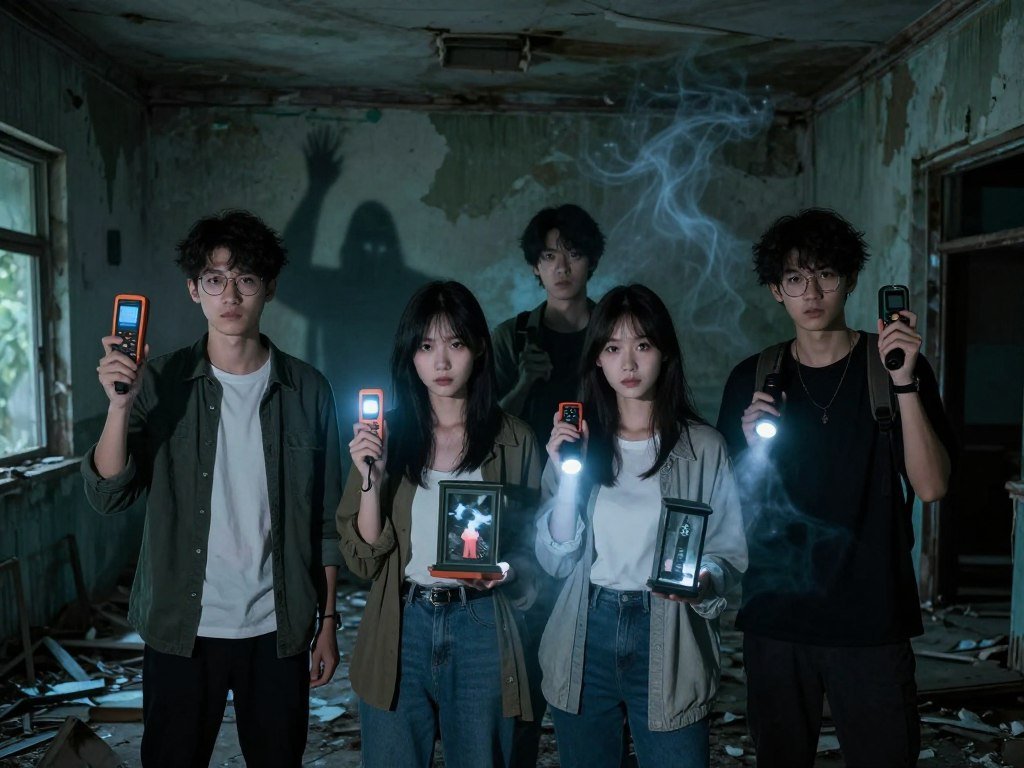
Keep the core equipment simple:
- Camera
- EMF reader
- Spirit box
Each tool supports a different part of the investigation, so teammates can split up tasks without losing track of the goal. Voice chat helps players call out clues, especially when someone is away from the rest of the team. A sudden ghost encounter can still break a careful plan and force everyone to react.
Phasmophobia is a top pick for pure co-op horror on PS5 in 2026. The pure co-op horror pick on PS5 suits friends who want tension built around teamwork, not a fight between teammates. The game rewards clear reports more than loud guesses.
It also works well for players who enjoy a slow build. The group can compare evidence as the haunting grows more dangerous, then make a choice based on the signs. Have one teammate track the clues as they appear so the group does not mistake a loud scare for useful evidence.
The Outlast Trials makes teamwork part of the terror
The Outlast Trials is a strong pick for friends who want cooperation to feel stressful rather than comforting. Experimental trials put players through Cold War-era experiments and make survival feel uncertain. Teams of one to four players must complete objectives while frightening threats disrupt their plan.
Its Trials and short challenge format, called MK-Challenges, keep the group focused on tasks under pressure. The team may need to help a teammate, search a room, or solve a puzzle while danger closes in. It suits sustained group panic on PS5 in 2026 and horror co-op on Xbox in 2026.
Team actions can make the difference between continuing and losing ground:
- Heal a teammate.
- Revive a fallen player.
- Search for keys.
- Solve puzzles.
Those actions call for teamwork, but the game does not make cooperation feel safe. A rescue can leave another player exposed, and a search can split the group at a bad moment. The game is rated M for Mature 17+, so check that rating before inviting younger players.
The Outlast Trials is playable on PS4 and PS5. It also supports cross-play across PC, PlayStation, and Xbox, which helps friends on different systems join the same group. The PS4 and PS5 release details help console players confirm the right version for their setup.
For other PS5 choices, a PS5 games guide for 2026 can help you compare play styles. Groups should agree on a simple way to regroup before a trial gets hectic, since a rescue can be harder when teammates are separated.
Dead by Daylight gives each side a different objective
Dead by Daylight gives friends two very different ways to experience the same match: escape together or hunt the survivors. Different roles make each round a test of stealth, timing, and teamwork. Four survivors face one killer, so the game is a poor fit for groups that want everyone on one side.
Survivors repair generators to open exit gates while the killer hunts them. Those goals turn each match into a contest of reading opponents and choosing when to take a risk. A survivor may need to help a teammate, but stopping can give the killer another chance to close in.
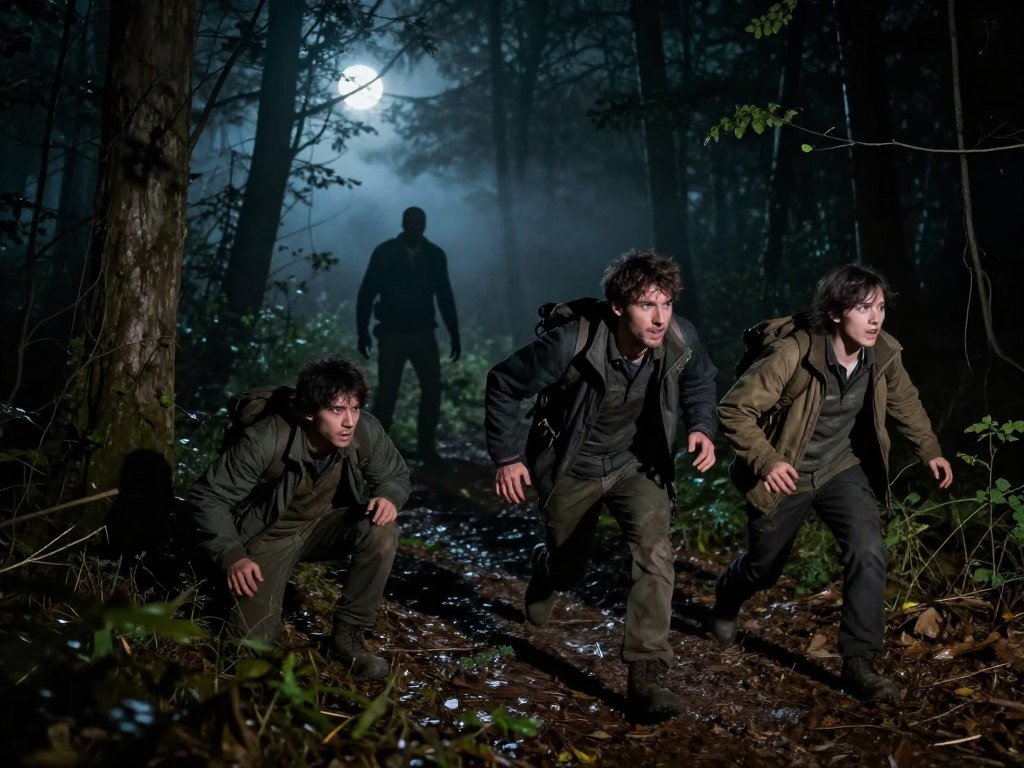
The killer plays a different game from the survivors. One player searches for the others, while the group weighs whether to repair, hide, or help. That split creates tension even among friends who already know each other’s habits.
Dead by Daylight supports cross-play on PC, PlayStation, Xbox, and Nintendo Switch. Friends can choose roles across those platforms, but the group should still agree on who wants to play the killer. The multiplayer design works best when everyone accepts that one person may oppose the rest.
Players who prefer equal co-op may find this format frustrating, especially when they want to share a survival campaign. For that kind of group, choose a game where the main objective belongs to everyone. Before starting a private session, decide whether everyone wants to cooperate or whether one friend is happy to play against the rest.
The Ghost and Eyes – The Horror Game bring scares to mobile
Android players can choose between The Ghost’s multiplayer sessions and Eyes – The Horror Game’s mix of online and solo modes. Two different formats give these horror games room for groups with different plans. The Ghost supports multiplayer, while Eyes also offers offline single-player play.
Both are Android options, but that does not mean either game works on every mobile operating system. The table shows how their modes differ, including an anomaly hunt and a solo choice.
| Game | Mode | Defining play detail |
|---|---|---|
| The Ghost | Multiplayer session | Up to 5 players |
| The Ghost | Exit 8 mode | Find anomalies on the Apartments map |
| Eyes – The Horror Game | Online co-op and Versus or offline single-player | Choose group or solo play |
The Ghost lets a team take either side
The Ghost lets friends team up to escape or side with the ghost. Its Apartments map has an Exit 8 mode focused on finding anomalies, which gives players a different kind of challenge. Multiplayer sessions support up to five players, so a larger group can join the same scare.
The game’s October 6, 2026 update added Halloween tasks and exclusive rewards. That seasonal content gives returning players a fresh reason to try the game together. The latest The Ghost Halloween update includes those tasks and rewards.
The Ghost is the pick in this guide for Android friends who want a multiplayer horror game built around team play or opposing sides. Its anomaly mode can suit players who prefer careful observation to a chase. Friends can choose a session type that fits how they want to share the fear.
Eyes turns monster names into part of the appeal
Eyes – The Horror Game gives players online co-op and Versus modes, along with offline single-player play. Its four named monsters are Krasue, Charlie, Good Boy, and Ursula. Those names help give the threats a distinct feel without changing the choice between playing alone or with friends.
An update on October 26, 2026 added Classic lighting mode and brightness calibration. The lighting options give players more control over how clearly they see the dark spaces. The October lighting update introduced both features.
Eyes is the Android pick in this guide for groups that want online modes or players who want a solo option. A group that cannot agree on multiplayer can still choose Eyes for an offline solo session, while friends who want an anomaly hunt can try The Ghost’s Apartments mode.
Left 4 Dead 2 keeps zombie pressure moving
Left 4 Dead 2 is the pick for friends who want their horror session to move from one zombie encounter to the next. Fast co-op action keeps the team moving through crowds and special infected. Leaving someone behind can make the run harder for everyone.
Zombie hordes put pressure on the whole group, while special infected can disrupt a team that spreads out. Players need to watch each other and keep moving together. It is the classic zombie co-op option in this selection for people seeking multiplayer horror games on Steam.
These same-day Steam figures show how three listed horror games ranked by current players:
| Game | Steam rank by current players | Current players | Peak that day |
|---|---|---|---|
| Dead by Daylight | 24 | 46,711 | 60,875 |
| Left 4 Dead 2 | 52 | 23,746 | 32,069 |
| 7 Days to Die | 72 | 16,515 | 27,561 |
Among these horror picks, the top 3 popular games by those same-day Steam ranks are Dead by Daylight at 24, Left 4 Dead 2 at 52, and 7 Days to Die at 72. Left 4 Dead 2 offers a direct team challenge rather than a slow survival sandbox. The classic co-op game overview also describes its pressure to move together through infected enemies.
Steam ranks change as players log in and out. Treat the player figures as a snapshot from one day, not a guarantee of how busy a game will be whenever the group logs in.
7 Days to Die turns blood moons into base-defense tests
7 Days to Die suits friends who want to prepare for a siege instead of simply moving through a sequence of encounters. Shared preparation shapes this survival horror game, with each player helping build the group’s defenses. Blood moon nights bring zombie hordes to the base.
The group can spend time getting ready before the next attack. Players may work on a base, gather supplies, and plan where to stand when the horde arrives. That loop gives survival a longer pace than a campaign built around a fixed line of encounters.
Co-op base defense suits players who enjoy seeing a plan tested under pressure. A weak wall or missing supply can change how the group handles the attack. The threat comes from the siege, not from friends taking opposite sides.
The game has a console release on Xbox Series X|S. That makes it an option for Xbox Series groups seeking multiplayer survival with base defense. Friends should be ready for a survival-focused loop rather than a brief, tightly directed story.
Players who want a short campaign may prefer a different horror game. Base building and preparation take time, so the group should agree on the kind of session it wants. Decide who will build, gather supplies, and defend before the group commits to a blood moon plan.
Project Zomboid makes every supply run a survival decision
In Project Zomboid, a routine trip for supplies can threaten a character the group has kept alive for hours. Small choices shape this survival horror experience, from entering a house to deciding when to leave. Noise can attract more zombies, so fighting every crowd is not always wise.
Players loot houses, build safe spots, and manage hunger and injuries in a zombie-filled world. Project Zomboid released in 2013 and supports 1-32 players online or 1-4 players locally. The online range suits larger teams, while local play is built for a smaller group.
Friends can divide the work to keep a base and its residents going:
- Search for food.
- Secure the base.
- Fix vehicles.
- Prepare a supply run.
That work makes the world feel like a shared survival problem, not a string of combat encounters. A loud mistake can bring more zombies toward the team, and the safest choice may be to leave. The tools and supplies matter, but knowing when to retreat matters too.
Players who want a quick mission may find its open-ended pace demanding. The group can spend a long time building a safe routine, then lose ground over one risky trip. Keep the next supply run modest when the route is unfamiliar, since carrying too much can turn a quick escape into a slower one.
Resident Evil Revelations 2 offers local partner co-op
Friends playing in the same room can choose Resident Evil Revelations 2 for local partner co-op, while Little Hope offers a larger couch group or a two-player online story. Local play is the draw for Resident Evil Revelations 2, while Little Hope centers on shared narrative play. Choose by deciding whether your group wants partner action or a story session.
Claire and Moira lead the two-player campaign in Resident Evil Revelations 2, with distinct abilities that support different contributions. Little Hope offers couch-based Movie Night and online Shared Story. These formats give friends a choice between gathering in one room and playing online.
| Game | Session format | Group arrangement | Player role or contribution |
|---|---|---|---|
| Resident Evil Revelations 2 | Local co-op | Two-player campaign | Claire and Moira have distinct partner abilities |
| The Dark Pictures Anthology: Little Hope | Movie Night | Couch-based play for up to 5 players | Group shares the session |
| The Dark Pictures Anthology: Little Hope | Shared Story | Online play for 2 players | Share the story online |
| Resident Evil Revelations 2 | Partner campaign | Claire and Moira | Distinct abilities support different contributions |
Resident Evil Revelations 2 is the choice for local partner co-op, while Little Hope gives the group couch or online story modes. A group comparing couch options with online play can use this guide to multiplayer formats to think through its setup.
Check whether the group wants to pass a controller in one room or play together online before settling on a story-led option. That choice matters more than picking a familiar title if the planned format will not work for everyone.
Little Hope makes horror a shared story
Little Hope is the choice here for a group more interested in a troubling story than a steady stream of fights. Story-first horror lets players discuss characters’ decisions and watch their consequences unfold. It suits story-focused groups better than players seeking constant combat.
Little Hope is part of The Dark Pictures Anthology, a series of standalone narrative horror games. Its story uses choices and supernatural threats to shape the group’s experience. The appeal comes from seeing what happens after the group debates a decision.
This kind of horror gives the group time to react between tense moments. Players can compare what they think a character should do, then see how the story responds. The experience works best when everyone wants to pay attention to the same unfolding events.
A group looking for a steady combat loop may prefer a more action-heavy game. Little Hope instead makes decisions and their effects the focus, so a quiet conversation can matter as much as a scare. Let the group discuss major choices before making them, so the story’s consequences feel shared rather than accidental.
Remnant 2 suits squads that want action-heavy co-op
Remnant 2 is a strong fit when the group is built around three friends who want action as well as horror. Three-player co-op makes it a clear fit for a small fixed squad. A group of four needs another pick if everyone must join the same session.
The game offers cooperative survival action against hostile creatures. Players can work together while moving through a world that brings horror alongside direct combat. That mix suits friends who want more action than a story-led session but still want danger to shape the experience.
A fixed team of three can plan around a shared objective and keep its session focused. The group does not need to split into competing sides to create tension. Instead, the challenge comes from facing threats together and keeping the team moving.
Remnant 2 is a co-op survival horror choice for a small squad, not a four-player gathering. Friends can pick another game if one person would otherwise sit out. Confirm that the squad has three players for the session, since a fourth friend will need another game to join in.
John Carpenter’s Toxic Commando brings online zombie action to Xbox
Xbox Series X|S groups of up to four can consider John Carpenter’s Toxic Commando for online zombie action. Online co-op gives the group a shared session rather than a story-voting format. The game launched in early 2026 and supports up to four players online on Xbox Series X|S.
This is an action-oriented choice for friends who want to enter a session together. The group can face zombie threats as a team, with everyone taking part in the same online play. It offers another option for console groups seeking multiplayer horror.
John Carpenter’s Toxic Commando launched on March 12, 2026, for PS5, Xbox Series X|S, and PC. Its official launch announcement confirms four-player co-op and cross-play across PC and consoles.
Groups looking for Xbox horror games can consider this as a group-friendly Xbox Series X|S option, though it is not the only suitable choice. The online setup may suit friends who want an action session more than a shared story. Check that every player is using an Xbox Series X|S before planning the session around this console release.
Content Warning turns monster encounters into footage
Content Warning gives the group a reason to risk getting closer to danger: they need footage of it. Shared recording turns monster encounters into a team objective with room for comedy. Players must balance filming creatures against camera battery and group safety.
The game released in 2024 and supports one to four players. The crew enters the Old World with cameras and limited battery, then films frightening creatures and encounters. The footage gives everyone something to watch and laugh about after the expedition.
The recording task has three clear steps:
- Enter the Old World with a camera.
- Film frightening creatures and encounters.
- Upload the footage to SpöökTube.
The camera creates an easy argument for moving closer, even when the group knows the scene is dangerous. Limited battery adds another choice: keep filming now or save power for later. Voice chat helps friends share warnings while the person holding the camera focuses on getting footage.
The short recording goal gives the team a reason to work together without making every moment serious. A frightening encounter can turn into a joke once the group watches the clip. Rotate who films so the camera operator is not also expected to lead every risky encounter.
Lethal Company turns quota runs into group panic
Lethal Company makes each supply run a choice between finding more for the quota and getting the crew out safely. Quota pressure gives this multiplayer horror game a reason to keep exploring after danger appears. It is a PC choice for friends seeking multiplayer horror games on PC.
The four-player co-op game takes place on abandoned industrial moons. Players scavenge for a company quota while dodging alien creatures and hazards. Gathering enough scrap may tempt the crew to explore farther, but the return trip can become a threat of its own.
The group has to balance collection against escape. One more room may bring useful scrap, but it also gives creatures and hazards more chances to catch a player. Voice chat can help the crew share what it has found and decide when to leave.
This choice makes the game a good fit for players who enjoy chaotic reactions and risky scavenging. Groups seeking serious, sustained psychological dread may prefer The Outlast Trials instead. Agree on a return point before exploring so the group does not lose track of when a valuable run should end.
Dying Light changes the danger after dark
Dying Light gives friends a city to cross by rooftops, with the danger changing as daylight fades. Open-world co-op lets up to four players explore Harran, complete missions, and scavenge. Nighttime raises the risk, so the group’s route matters.
The game released in 2015 and uses parkour to help players move across the city. Friends can travel over rooftops, search locations, and take on missions together. That freedom gives the group more room to choose how it moves through Harran.
Day and night change the feel of a trip. The group can explore in daylight, then face greater danger after dark. That shift gives survival a moving threat instead of one fixed kind of encounter.
Groups that want a fixed, linear session may prefer a campaign-style game. Dying Light fits friends who enjoy movement, open locations, and a changing level of risk. Mark a nearby safe zone and plan a route before setting out after dark.
Mark a nearby safe zone before you leave, then choose a route that gives the group a clear place to retreat.
Conclusion
The right pick is the one that gives your group the kind of scare it actually wants to share. Some friends want to investigate; others would rather survive together, compete, or shape a story. The session format matters too, since local play, online co-op, and opposing roles create different nights.
Ask your friends which play style sounds fun before you settle on a title. Then check that everyone can join on the right platform and in the same mode. Ask the group to choose a play style, settle on one title, and check that everyone can join before setting a time.
FAQ
What are the scariest horror games on PC?
The Outlast Trials suits groups seeking sustained panic, while Phasmophobia is the pick for ghost investigation. The scarier choice depends on what your friends find unsettling. Experimental pressure may feel intense to one group, while another may find the slow search for a haunting more nerve-racking. Choose the kind of fear your group enjoys, then set a comfortable pace.
What are some psychological horror games?
The Outlast Trials and Little Hope are two strong psychological horror choices. The Outlast Trials puts players under experimental survival pressure, while Little Hope centers on a story-led supernatural experience. One asks a group to act under threat; the other gives friends choices and consequences to discuss. Pick based on whether your group wants active survival or shared storytelling.
What is the top 1 multiplayer game?
Phasmophobia is a top pick for pure co-op horror on PS5 in 2026. That makes it a strong choice for friends who want to investigate a haunting together, not a universal number-one game across every multiplayer genre. Its teamwork and clue sharing suit groups that enjoy careful play. Competitive groups may prefer a game with opposing roles instead.
What are the top 7 games?
Seven strong picks are Phasmophobia, The Outlast Trials, Dead by Daylight, The Ghost, Eyes – The Horror Game, Left 4 Dead 2, and Project Zomboid. Together, they cover ghost investigation, psychological co-op, asymmetrical play, mobile horror, and zombie survival. The best choice depends on how many friends are joining and whether the group wants to cooperate, compete, or play alone.
Are horror co-op games good for beginners?
Yes, horror co-op games can suit beginners when the group starts with clear shared goals and a comfortable level of intensity. A clue hunt or simple survival task may be easier to learn than a mode with competing roles and complex plans. Explain controls before play, keep voice chat open, and choose a pace that lets new players learn without pressure.