
A wedding-highlight clip of YouTuber Arun Panwar drew renewed attention because it showed a large presentation described as daan. Daan means a religious offering, the term Panwar and Tithi use for the presentation. The video appeared on social media, and people discussed its meaning during a late 2025 controversy. The phrase “no leak” appears in searches about the story, but the clip was publicly posted, not described as leaked footage.
The renewed attention raises a real concern: a wedding display can carry a message beyond one family’s ceremony. This account separates what the wedding video shows from what the couple says and what the law considers. The central question is how the couple’s label, the visible presentation, and India’s dowry law fit together.
Key Takeaways
- The clip is a wedding highlight posted publicly on social media.
- The couple calls the presentation daan, meaning a religious offering.
- Viewers have debated what the display may signal about wedding gifts.
- India’s law focuses on a transfer’s connection with marriage, not its label alone.
- The video does not by itself settle a legal question.
Arun Panwar Wedding Video 71 Lakh Daan No Leak 2026: What Is Confirmed?
The clip centers on Panwar and Tithi’s wedding in Indri, in Karnal district. The wedding video shows the ceremony and a presentation from the bride’s family. The public clip is the footage at issue, rather than a separate private recording.
The video shows cash and gold being presented, while its narration describes the items as daan. Those visible details establish what the clip depicts, not why the family made the presentation.

The late-2025 wedding in Indri
YouTuber Arun Panwar married Tithi, a doctor, in late 2025. Their wedding took place in Indri, a town in Karnal district. The clip is a wedding-highlight video shared after the ceremony, and it became the focus of renewed discussion.
The event drew attention because the creator’s public profile met a highly visible family ceremony. The video gives viewers a record of moments chosen for the highlight. It does not show every conversation that may have taken place before or during the wedding.
What the clip visibly lists
The wedding video showed ₹71 lakh in cash and 21 tolas of gold presented by the bride’s family. One tola is a traditional unit used to weigh gold. The narration described the presentation as daan.
That description appears in the video, while the cash and gold are the items viewers can see listed. A video can show an exchange without explaining every person’s understanding of it. Describe the items as shown in a wedding ceremony, not as proof by themselves of a demand.
A wedding clip can document a presentation without proving that anyone demanded it.
The distinction matters because the footage captures a public moment, not a full account of the family’s choices. The video does not, by itself, establish the terms behind the presentation.
Why Did the Daan Label Spark a Dowry Debate?
The disagreement is not just about the word daan, but about what a large wedding presentation may signal. The label reflects the couple’s description, while critics focus on the social meaning of a public display. The word used for a transfer does not alone explain whether it was freely given or expected.

What daan means in this context
Panwar and Tithi described the money and gold as “daan,” or a religious offering, rather than dowry. In their account, the term frames the presentation as a voluntary act with religious meaning. It is the couple’s chosen word, not a legal ruling about the transfer.
That choice shaped the debate because daan and dowry carry different meanings. A religious offering can describe a family’s intent, while the legal question may depend on the circumstances around a marriage. The same visible act can draw different interpretations from the people watching it.
Why viewers objected to the display
Critics questioned the decision to show a large presentation during a wedding. Their concern was that such displays might make other families feel pressure to give substantial gifts. The backlash focused on the public example, not only on what Panwar and Tithi called it.
For some viewers, a wedding video can turn a private family choice into a social signal. Others may see the couple’s description as a fair account of a voluntary religious act. The debate reflects a gap between a family’s stated meaning and the effect viewers think the display could have.
| Viewpoint | Position | What it focuses on |
|---|---|---|
| Couple | Calls the presentation daan | Voluntary religious offering |
| Critics | Question the wedding display | Possible pressure on other families |
| Legal concern | Looks beyond the label | Whether a transfer connects with marriage |
These positions do not carry the same weight as a legal finding. Social media can help explain why the controversy spread, but reactions alone cannot determine what happened between the families.
A label can explain how a family describes a transfer, but it does not settle how the transfer should be understood.
What Did Arun Panwar and Tithi Say About the Gifts?
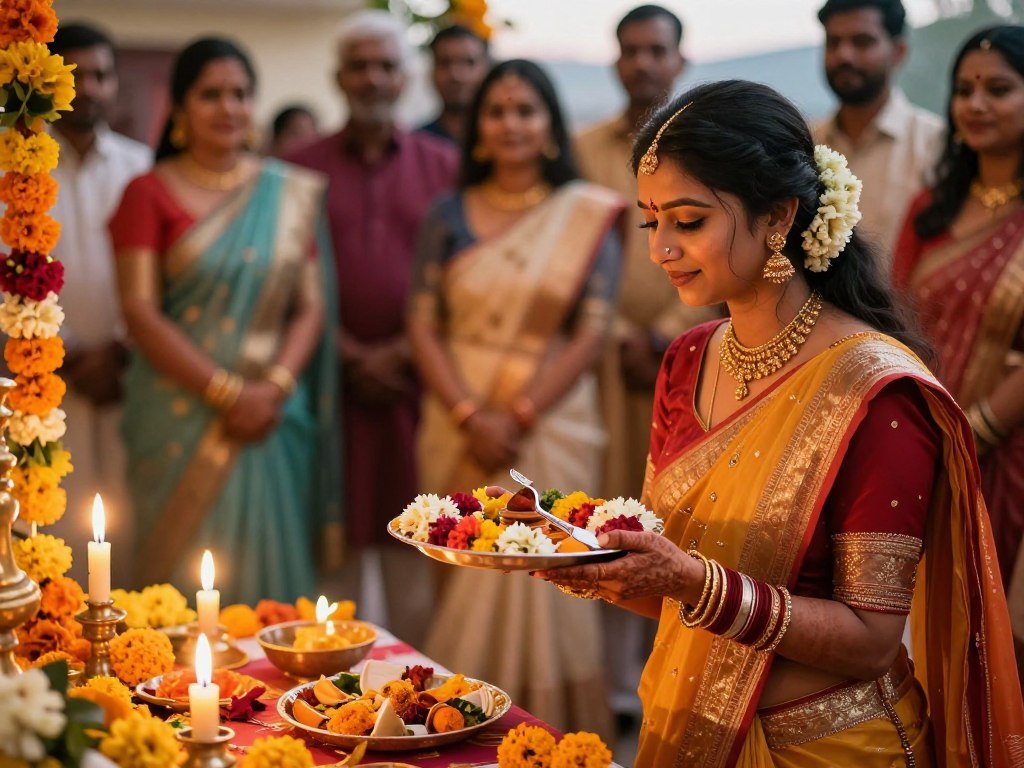
Tithi says Panwar did not know the amount before it was presented during the pooja. Her account describes a religious ceremony, rather than a request made by the groom. Those are statements from the couple, not a legal finding about the presentation.
Tithi’s account of the pooja
Tithi said the money was given during a pooja, a Hindu prayer ritual. She also said her husband did not know about the presentation beforehand. Her explanation centers on the timing and religious setting of the act.
That account offers the couple’s view of what happened inside the ceremony. It does not independently establish what each family member knew or expected. The video itself may show part of the event, while Tithi’s statement explains how she says the family understood it.
The setting matters to her explanation because she presents the transfer as part of worship. Still, the word pooja describes the ceremony, not every detail of the decision to give money. Readers should keep those points separate when weighing her account.
Panwar’s response to the criticism
Panwar pushed back on claims that he sought a dowry. He said, “Despite being a doctor, she chose me, a YouTuber. Can you imagine a YouTuber asking a doctor for dowry?” His response points to his wife’s choice and his own public role.
He also said ₹71 lakh was not a significant sum for his wife’s financially well-off family. That claim concerns how he views the family’s means and the value of the presentation. It is not a public record of the family’s finances.
Panwar’s words answer criticism with his own account of the relationship and the family’s resources. Tithi’s explanation adds what she says happened during the pooja. Neither statement alone resolves how the law would classify the transfer.
Claims about intent and the family’s finances belong to the couple’s account, rather than facts independently established here.
What Does India’s Dowry Prohibition Act Say?
India’s Dowry Prohibition Act of 1961 bans dowry, and the term turns on the connection between a transfer and marriage. The marriage link matters more than whether a family calls something a gift or daan. The label alone cannot settle the legal question.
What the 1961 Act prohibits
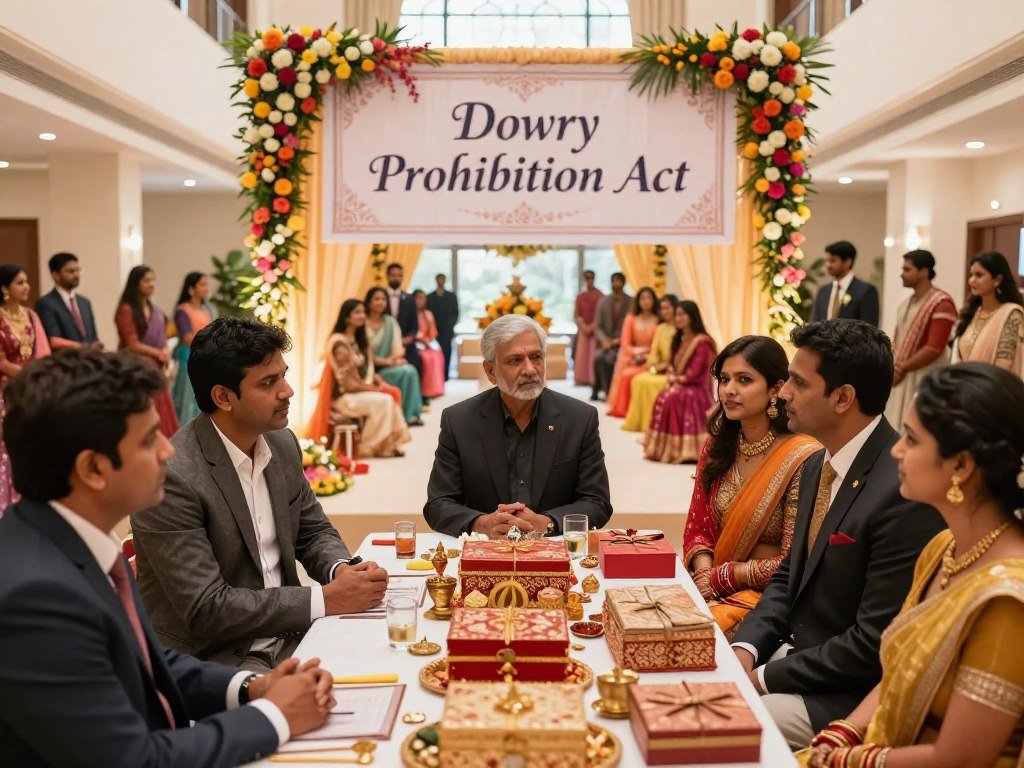
The Dowry Prohibition Act defines dowry as property or valuable security given directly or indirectly in connection with marriage. The law prohibits dowry in India. Its wording makes the link to marriage central to the legal definition.
A voluntary gift without a demand may be allowed, but the circumstances matter. Documentation and the gift’s value compared with the giver’s means can help explain the transfer. These details do not create an automatic answer for every wedding present.
The law distinguishes a gift from dowry by looking at more than the object itself. Cash and jewellery can be gifts, but their form does not decide their status. The context around the transfer is part of the question.
Why the label alone cannot settle the legal question
Calling a presentation daan describes how the couple says it should be understood. The legal test looks at the transfer and its connection with marriage. A religious label does not replace that test, just as the word “gift” does not settle it.
The general distinctions can be set out this way:
| Category | General description | Legal point |
|---|---|---|
| Dowry | Property or valuable security connected with marriage | Prohibited |
| Voluntary gift | Given without demand | Circumstances and records matter |
| Daan label | Religious-offering description used by the couple | Does not settle classification alone |
In a real dispute, these questions may help explain the facts, but they are not a ruling on this case:
- Was there a demand or expectation?
- Was the transfer connected with the marriage?
- Was the gift voluntary and documented?
Those points require evidence about the people involved and the circumstances around the transfer. A viewer should not treat a video or a family’s label alone as a legal judgment.
How Did the Video Resurface and Reach a Wider Audience?
The clip’s audience grew in stages, from its initial circulation after the wedding to its later resurgence online. Its reach grew as the video drew millions of views. A popular clip can still leave key events outside the frame.
From wedding highlight to renewed online attention
The wedding-highlight video first circulated after the ceremony, then resurfaced online later. Social media helped it reach a wider audience, and it drew millions of views. The renewed attention brought the wedding presentation back into public discussion.
The path from a wedding video to a widely discussed clip can be laid out in three steps:
- The wedding-highlight video was posted on social media.
- The video circulated after the wedding.
- The video later resurfaced and drew millions of views.
Those steps describe the clip’s public path, not the reason every viewer shared it. Some people focused on the presentation, while others discussed the couple’s explanation or the law. Online attention can grow quickly when a personal ceremony becomes a public debate.
The video’s spread also brought older material back into view. A clip may reach new viewers well after its first round of posts, especially when people share it alongside a new discussion. That renewed circulation does not add footage of events outside the recording.
Panwar’s public profile
At the time of coverage, Panwar’s YouTube channel had 2.4 million subscribers. At that time, the youtuber arun reportedly earns lakh per month, with the stated estimate at ₹20-25 lakh. These figures describe his online profile and reported income during that coverage period.
The subscriber count helps explain why a wedding video involving a creator could draw broad notice. The reported monthly earnings also give context about his public career. Neither figure proves anything about the families’ choices or the legal status of a transfer.
Reach and earnings should remain separate from evidence about whether a transfer was demanded. The video’s view count measures attention, while a legal question depends on facts about the transaction.
Conclusion
A fair reading separates what appears in the clip from what the couple says about the presentation. The Indian YouTuber’s wedding video shows a public ceremony, while Panwar and Tithi describe the transfer as daan. Those details can be discussed without treating online reactions as a legal finding.
The law asks about the circumstances and the connection with marriage, not just a family’s label. A short clip may leave important events beyond its frame, so claims about intent need care. Anyone seeking guidance about a real case should consult a qualified Indian lawyer or the appropriate local authority instead of relying on online comments.
FAQ
Can calling a wedding transfer “daan” make it legal?
No, calling a transfer daan does not decide whether it is legal. The Dowry Prohibition Act focuses on whether property or valuable security was connected with marriage. The circumstances around the transfer also matter, including whether anyone demanded or expected it. A family’s religious description can explain its view, but it does not settle the legal classification.
Does India’s Dowry Prohibition Act ban giving dowry as well as receiving it?
Yes, the 1961 Act bans dowry in India, including giving and receiving it. That general rule does not decide whether a particular wedding transfer counts as dowry. The law’s definition turns on the link between property or valuable security and marriage. A specific family’s conduct requires its own facts and cannot be judged from a label alone.
Can a wedding video by itself prove that cash was demanded?
No, a wedding video by itself does not prove that someone demanded cash. It may show a presentation during the ceremony, but it may not record earlier talks or private expectations. Those details can matter when people assess what happened. Viewers should describe what appears in the clip separately from claims about a demand or a legal conclusion.
Are voluntary wedding gifts automatically exempt from dowry law?
No, the word “gift” does not create an automatic exemption. A gift’s voluntary nature matters, along with its connection to marriage and the circumstances around it. Documentation may also help show what was given and how the family viewed it. The legal question depends on the facts, rather than the label placed on an item afterward.
How should viewers describe the Arun Panwar controversy without making unsupported claims?
Viewers should separate what the video shows from what Panwar and Tithi say about it. They can note that the clip depicts a wedding presentation and that the couple calls it daan. Claims about demands, intent, or legal status need more than online reactions. Unless a legal authority has made a finding, viewers should avoid describing the dispute as settled.