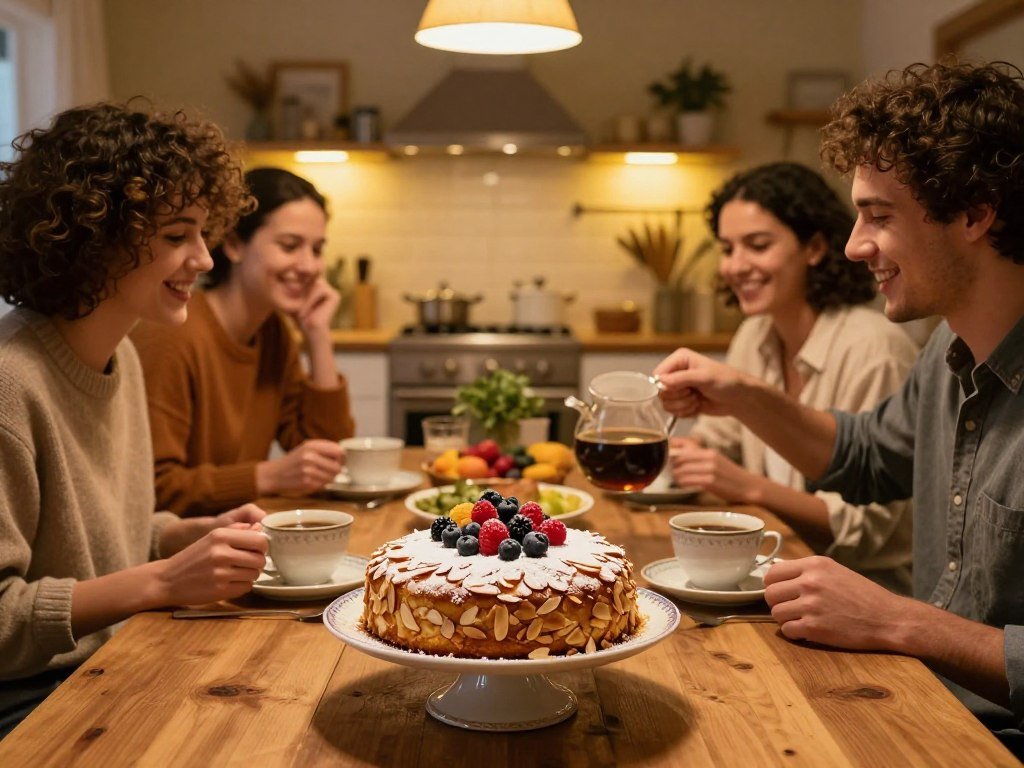
A ready-made Tarta de Santiago is easiest to buy online or from a bakery that makes Spanish-style almond cakes. Your best choice depends on location, ingredient needs, and whether you want a finished cake or would rather bake for friends. The flavor is rich and nutty, so it suits a shared treat after dinner or with coffee.
This page compares U.S. buying options and a simple home-baking route, so you can weigh convenience against price. If you need a certain ingredient profile, check the package details instead of relying on the cake’s name. Check the ingredient label before adding any cake to your cart.
Key Takeaways
- Choose a nearby bakery for local pickup.
- Check ingredients and allergen details before buying.
- Confirm delivery coverage for your ZIP code.
- Compare current prices before checkout.
- Bake at home if you want to control the ingredients.
What Makes a Tarta de Santiago Authentic?
The traditional IGP version is a dense, flourless almond cake with a powdered sugar St. James’ cross. Its slightly coarse crumb stays moist and carries a strong almond flavor.
IGP means a protected geographical indication for a product associated with a defined region and production specification. The IGP standard sets minimum amounts for almonds, sugar, and eggs, and excludes flour. The status was granted in 2006.
The IGP recipe requires at least 33% almonds, 33% sugar, and 25% eggs, with no flour.
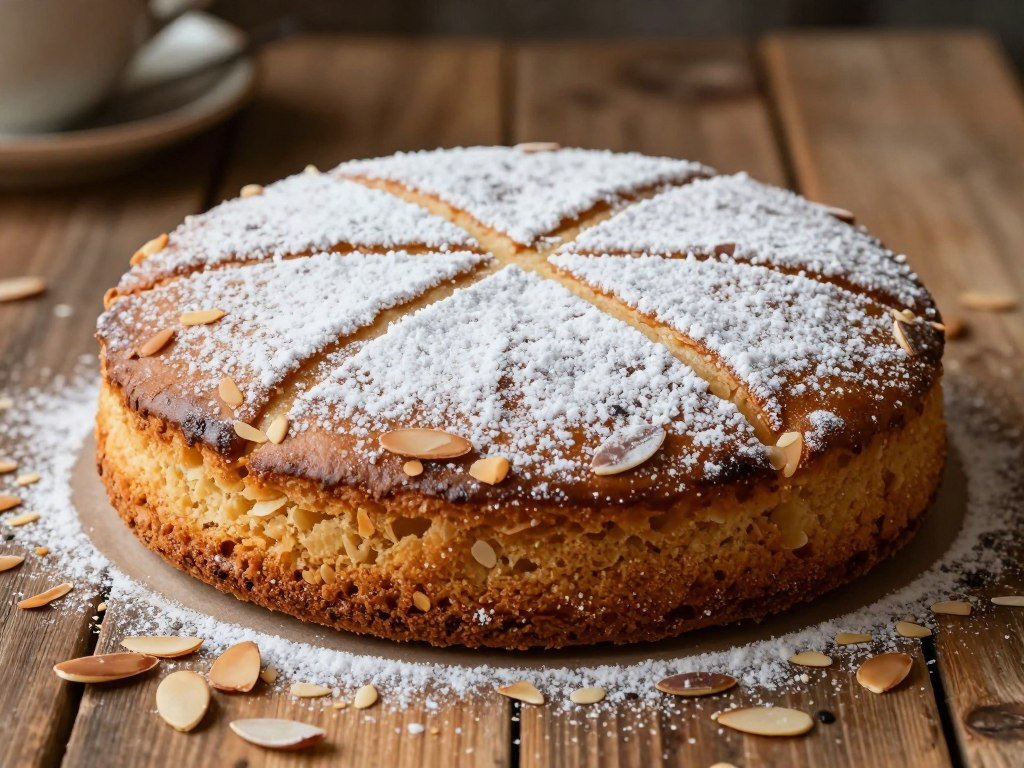
The almond-rich traditional style
The cake is linked to Santiago de Compostela in Galicia and the Camino de Santiago, a pilgrimage route. Ground almonds give the crumb its dense feel and nutty taste. The simple ingredients let the almond flavor stand out without a layer of icing or filling.
Recipes outside the IGP specification may change the ingredients or texture. Some bakers add flavor with lemon zest or cinnamon, while others keep the taste focused on almonds and sugar.
Flour, allergens, and the cross stencil
The classic finish uses powdered sugar sifted over a St. James’ cross stencil. Removing the stencil leaves the cake’s familiar white cross against the golden top. That mark is a decoration, not a product label.
A naturally flour-free recipe does not make every commercial cake gluten-free. Bakeries can use different ingredients or make cakes around wheat. Read the full ingredients and allergen details, even when the name says Tarta de Santiago.
A cross stencil identifies the classic decoration, not a guarantee that a particular cake is free of wheat or other allergens.
Where to Buy the Best Tarta de Santiago Near Me
For a California bakery option, Tarta de Santiago Bakery in West Los Angeles sells a cake made without wheat or other flour. For local pickup, it is a good fit if flour is the ingredient you need to avoid.
San Román Bakery in St. Paul offers a gluten-free almond cake. Cuisinery Food Market lists an online option, but shoppers outside its area should confirm delivery first.
Bakery options in California and the Midwest
The West Los Angeles bakery is the clearest local pick for a flour-free cake. San Román’s gluten-free almond cake gives Midwest shoppers another bakery choice. Both bakeries ask shoppers to contact them for current price and availability.
For a wider food order, use the same checks you would when ordering bakery treats for a celebration. Ask about ingredients, pickup or delivery, and cross-contact if an allergy matters. U.S. packaged-food labels identify major allergens by food source; the FDA guide covers milk, eggs, wheat, soy, tree nuts, and sesame.
| Option | Location or route | Price or availability | Product detail |
|---|---|---|---|
| Cuisinery Food Market | Online listing | $34.90 in 2026 | Label lists wheat, almonds, coconut, egg, and milk; may contain hazelnuts, walnuts, and soy |
| Tarta de Santiago Bakery | West Los Angeles, California | Contact the bakery for current price and availability | Made without wheat or other flour |
| San Román Bakery | St. Paul, Minnesota | Contact the bakery for current price and availability | Gluten-free almond cake |
Cuisinery’s 5.0-out-of-5 rating comes from 2 reviews, not a broad sample. Check the full label for allergens, and check salt and other ingredients if they matter to you.
Online ordering and delivery checks
The online listing may suit shoppers elsewhere, including those looking for the best Tarta de Santiago near Texas or California, but delivery is not assured. Confirm shipping to your ZIP code before you add the cake to your cart. A listing can show a price even when your address is outside its delivery area.
Before ordering, check these four details:
- Shipping coverage for your ZIP code
- The full allergen label
- Current stock
- Your delivery window
These checks help if you want the best Tarta de Santiago near me for delivery or need a cake for friends. Confirm shipping to your ZIP code before placing an online order.
Can You Bake Tarta de Santiago Ahead and Store It Safely?
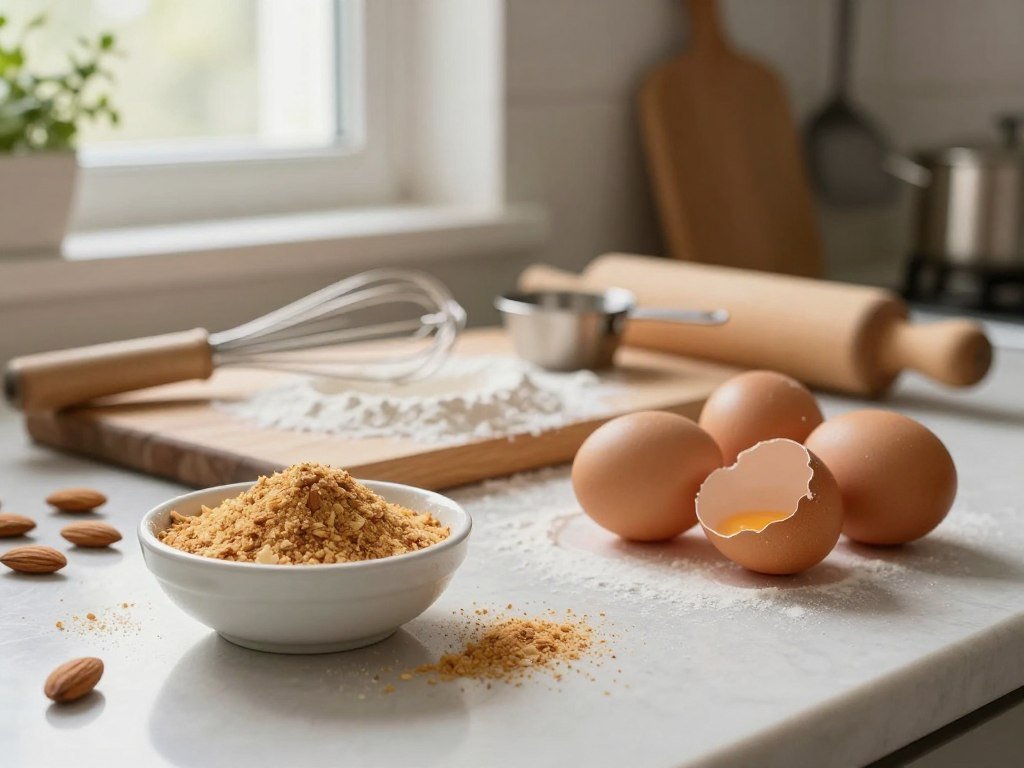
A home-baked Tarta de Santiago takes about 40 minutes from prep through baking and yields about 8 servings. For a smaller gathering, that makes a useful treat to prepare ahead.
Caroline’s Cooking gives its recipe 4.87 out of 5 from 61 votes. It uses 4 eggs, 1 cup sugar, 2 cups almond flour or ground almonds, zest from 1 lemon, and 1/2 teaspoon cinnamon.
Bake the batter in an 8-inch pan at 350°F for about 30 minutes. Prep takes 10 minutes, and cook time takes about 30 minutes. The yield is about 8 servings, or 6 generous servings.
The four-hour display allowance applies to certain chilled foods handled by food businesses, not to cake storage at home.
Cool the cake fully, then keep it covered at room temperature as the recipe directs. A domestic refrigerator should stay at or below 5°C. Refrigerate cakes with fresh cream, cheesecake-style fillings, pastry cream, custard, mousse, or mascarpone when their recipe or product directions require it.
The 3:2:1 rule means 3 parts flour, 2 parts fat, and 1 part water by weight. It is a pastry ratio, not a formula for almond cake batter.
Follow the storage instructions for the specific recipe or product, especially when the filling contains cream or custard.
Conclusion
Match the cake to your needs first, especially if flour or other allergens are a concern. For a Tarta de Santiago, location and ingredient fit matter more than a rating alone, and delivery needs to work for your address.
Pick a local bakery if you want to collect a fresh cake, or bake at home when you want more control over the ingredients. If you are buying for friends, choose a size that suits the group and check the price before checkout. For a treat at home, save the recipe and plan enough time to cool the cake.
Check the seller’s current ingredient label and delivery availability before you place the order.
FAQ
Where can I get the best pastries?
For Tarta de Santiago, the flour-free bakery in West Los Angeles is a useful choice if you can pick it up nearby. You can also compare local Spanish-style bakeries for almond cakes and similar pastries. Contact the bakery to confirm ingredients, cross-contact practices, stock, and pickup or delivery details before ordering.
What is the 4 day cake rule?
There is no universal four-day safety rule for every cake. A plain cake and a cake with cream or custard can need different care, so follow the recipe or product instructions. Keep chilled cakes cold, and do not use a general shelf-life rule when the package gives specific storage directions.
Can I bake a cake 2 days before an event?
Yes, you can bake this almond cake two days before an event. Cool it fully, cover it, and follow the recipe’s room-temperature storage directions. If the recipe or product has a cream-based or custard-style filling, follow its chilling instructions instead. Allow time for the cake to cool before covering it.
How long will a cake stay fresh in the refrigerator?
A covered plain cake typically keeps about 3-5 days in the refrigerator. Cream or custard fillings can change that advice, as can the recipe or product label. Keep the refrigerator at or below 5°C, and use the maker’s storage directions when they give a shorter time.
What is the 3:2:1 rule for baking?
The 3:2:1 rule is 3 parts flour, 2 parts fat, and 1 part water by weight. Bakers commonly use it to make pastry dough, where the ratio helps balance structure and fat. It does not describe the batter for an almond cake made with ground nuts.



