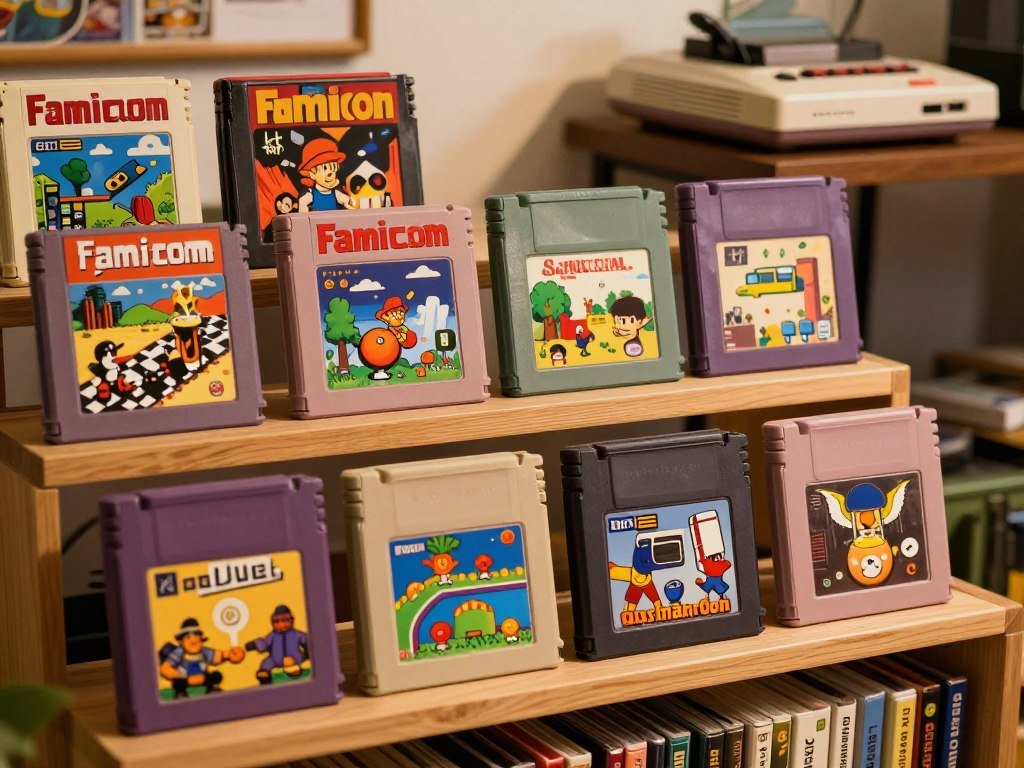
The Famicom Disk System’s library ranges from familiar Mario games to text adventures and unusual Japan-only releases. Despite the headline, this is a retro gaming guide, not a list of bank deposits or rates. You’ll find familiar Nintendo releases, odd exclusives, racers, and story-led adventures. The right first game depends on what you enjoy playing, not on a fixed ranking. Some picks suit fans of quick action, while others reward patience and curiosity.
The system’s games can feel very different from one another, even when they share a console and a disk format. You can start with a famous series or choose a title that never reached many players outside Japan. Either way, a little context helps you pick a game that fits your taste. This guide gives you clear starting points and the details that separate each type of play.
Key Takeaways
- The Legend of Zelda is an easy first choice for many retro players.
- Japanese Super Mario Bros. 2 offers a tougher platforming challenge.
- Racers range from direct track play to branching routes and 3D glasses support.
- Story fans can try Dead Zone’s text adventure format.
- Disk Cards made it possible to rewrite games at Nintendo kiosks.
- Some cartridge versions use different save methods from disk releases.
Start with the genre you enjoy most, then use the game-specific details to narrow your first pick.
How the Famicom Disk System Changed Game Access
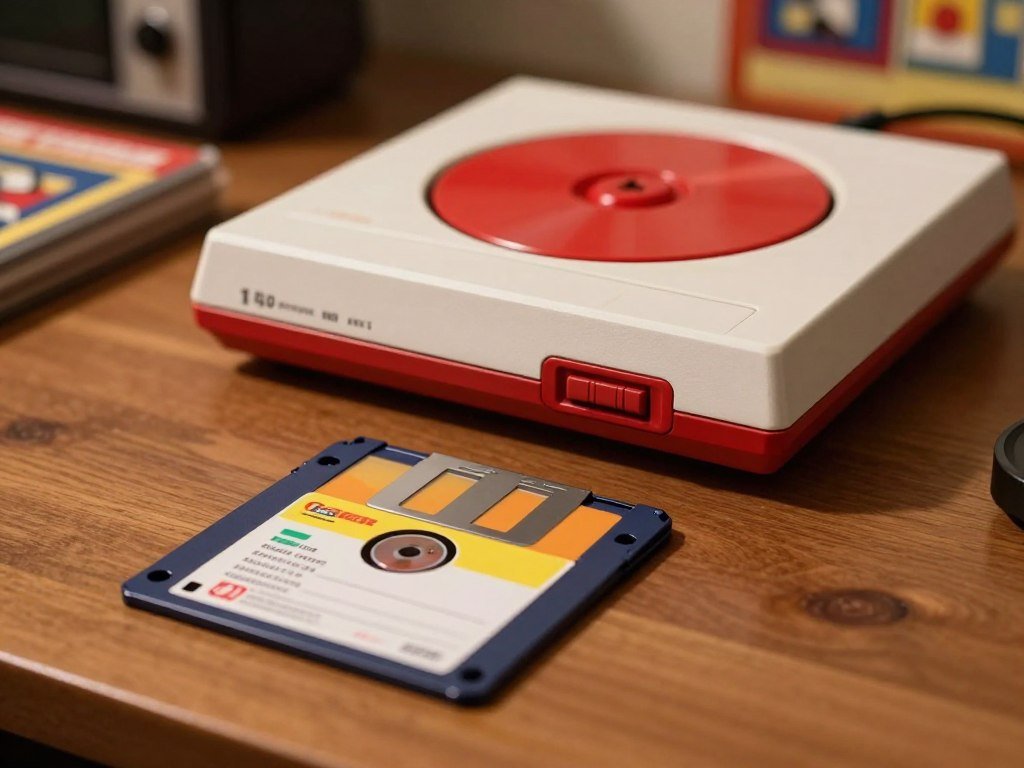
Nintendo’s rewritable Disk Cards let players replace a game on a disk instead of buying a separate cartridge for every title. The add-on launched in Japan on February 21, 1986, and used double-sided cards with 112 KB total storage. Each side held 56 KB, and a Disk Writer could put another game on a customer’s card.
A Disk Writer was a Nintendo store kiosk that rewrote a customer’s Disk Card with a game. Players brought their cards to kiosks, where the old game could be replaced. This gave the disk system a different kind of access from buying a new cartridge for each release.
| Feature | Disk Card | Famicom cartridge |
|---|---|---|
| Rewriting | Rewritable at a Disk Writer | Fixed ROM |
| Loading | Slower disk loading | No disk loading |
| Storage medium | 112 KB across two disk sides | Cartridge ROM |
The library grew to about 194 games, and Nintendo sold 4.4 million units. The system also added a wavetable sound channel through the Ricoh 2C33. Disk Cards could take longer to load than cartridges, and drive-belt wear became a known problem.
A clean-looking Disk Card can still fail if the drive cannot read it or its belt has worn out.
Nintendo’s mail rewriting service ran through September 30, 2003, while technical support continued through October 31, 2007. Janken Disk Jo, the final game, came out December 22, 1992. Check used gear before you rely on it:
- Check card surfaces for dirt or fingerprints.
- Inspect the shutter for damage or sticking.
- Test both disk sides.
- Listen for abnormal drive-belt noise.
Test a disk drive before relying on it, since a worn belt can prevent otherwise intact disks from loading.
Best FDS Games: Which Ones Suit Your Taste?
The Legend of Zelda is the best first pick for a general retro player, while platformer fans should start with Japanese Super Mario Bros. 2. Story fans can try Dead Zone, a text adventure. The best FDS for Famicom players depends on whether they prefer action, racing, platforming, or story-led exploration.
The best Famicom Disk System games include exclusives, enhanced versions, and releases that later appeared on cartridge. That mix makes the best Famicom Disk System pick a matter of taste. Some games feel familiar from Nintendo’s larger library, while others make the Famicom disk games stand out through unusual play or hardware features.
Start with recognizable Nintendo landmarks
The Legend of Zelda offers the broadest entry point, with exploration and action that remain easy to understand. Doki Doki Panic later became the basis for western Super Mario Bros. 2. It gives you a different route into a well-known Nintendo release, rather than another version of the original platform game.
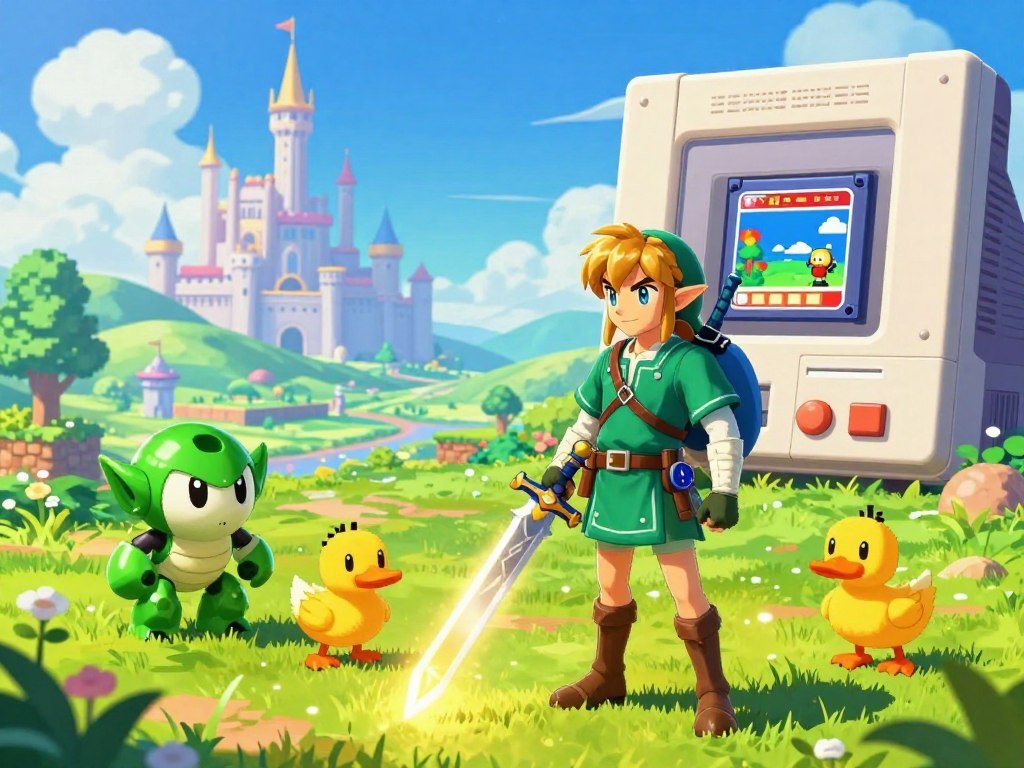
Japanese Super Mario Bros. 2 is the original Japanese sequel, not the western game adapted from Doki Doki Panic. Bio Miracle Bokutte Upa adds a more unusual hook: its hero uses a rattle to disable enemies. The game later appeared on Famicom as well.
Try distinctive adventures and action games
Akumajou Dracula is Castlevania, with an FDS save feature and added sound channels. Ai Senshi Nicol takes a top-down action-adventure route through labyrinths and boss fights. These picks show how the system’s games range from familiar names to lesser-known adventures.
| Game | Broad genre | Distinctive hook |
|---|---|---|
| The Legend of Zelda | Action adventure | Broad starting point |
| Doki Doki Panic | Platformer | Basis for western Super Mario Bros. 2 |
| Bio Miracle Bokutte Upa | Action platformer | Rattle disables enemies |
| Akumajou Dracula | Action platformer | Castlevania with added sound channels |
| Ai Senshi Nicol | Action adventure | Labyrinths and bosses |
Arumana no Kiseki is another strong option if you like side-scrolling action. It sends you through caverns and ruins, with a whip as your main weapon. The game offers a clear contrast with Nicol’s overhead view and maze-like stages.
Choose a familiar series for an easy entry point or an FDS-specific oddity if discovery matters more.
What Makes Famicom Grand Prix: F1 Race Fun?
Famicom Grand Prix: F1 Race is an overhead racer built around competing across multiple courses. Its top-down view keeps the track in sight as you race. Course layouts, not a behind-the-car view, shape the play.
This is a good fit if you want a straightforward 8-bit racer. You watch the road from above and steer through each circuit, reading turns as they approach. The viewpoint makes the track itself the main challenge.
Famicom Grand Prix is part of a two-game racing series, and the first release has its own direct style. The Famicom Grand Prix series overview describes the first game as a top-down racer with ten circuits. That course focus gives each race a clear goal without relying on a character-led story.
Rather than chase a view from behind the car, you judge turns from above and work with the shape of each track. This keeps the action easy to read, even when the course asks for careful steering. It also gives the game a different feel from racing titles built around a view over the driver’s shoulder.
If you enjoy old racing games, the simple setup makes this a clear place to start. The courses provide the variety, while the overhead view keeps your attention on steering and route shape. Pick it when you want a racing game whose appeal comes from track choices rather than a character-driven story.
What Does Famicom Grand Prix II: 3D Hot Rally Add?
3D Hot Rally stands out from its predecessor with Mario and Luigi, three differently rated cars, and routes that can branch. The three cars give you different performance traits to consider. Alternate paths add route choices without changing the game into a story-led racer.
Mario and Luigi give the game familiar faces, but the cars are the main choice that affects how you race. Each has different statistics, so selecting a vehicle changes the feel of a run. The choice gives you a reason to try more than one car.
Courses also include alternate paths, letting you take different routes through a race. That branching design adds variety without requiring you to learn a new game mode. You can focus on how each route feels and which car suits your driving style.
The title also supports the Famicom Disk System’s 3D glasses. That hardware feature makes it a rare pick for players who want to see an unusual side of the console’s add-on. You do not need to treat the glasses as the only reason to play, but their support is a specific difference from a standard racer.
Compared with Famicom Grand Prix: F1 Race, 3D Hot Rally offers more kinds of choices during a race. You select among three cars, then encounter routes that can split. The mix gives the sequel a more varied feel, even though its draw is still driving rather than a complex plot.
The 3D glasses feature is a rare hardware-specific reason to seek out this particular racing game.
How Do Two FDS Mario Games Differ?
These two Mario releases show the FDS library’s range, from a tougher platform sequel to an arcade-style game with branded ads. Japanese Super Mario Bros. 2 changes familiar platform play with poison mushrooms and Luigi’s floatier jumps. Kaettekita Mario Bros. returns to the arcade-style Mario Bros. format.
Japanese Super Mario Bros. 2 changes the platforming
The Japanese sequel adds poison mushrooms, which make a familiar item dangerous instead of helpful. Luigi also has floatier jumps, changing how he moves through a stage. These details make the game a stronger fit if you want a harder platform challenge.
Keep the two games called Super Mario Bros. 2 separate. Japanese Super Mario Bros. 2 is the original Japanese sequel. Western Super Mario Bros. 2 is the later western game adapted from Doki Doki Panic.
Kaettekita Mario Bros. mixes arcade play and ads
Kaettekita Mario Bros. takes a different route, returning to the arcade-style Mario Bros. format. Its play comes from that earlier arcade design, rather than the side-scrolling sequel format. The release also includes ramen-brand advertisements, an unusual detail for a Nintendo game.
The ads make the title a small piece of commercial history, not a conventional sequel. They also give the game a distinctly period-specific feel. If you collect unusual releases, that detail may be more interesting than the gameplay itself.
The two titles offer different reasons to play: one turns up the platform challenge, while the other revisits arcade action. Neither needs the other to make sense, so you can choose based on the style you want. Choose Japanese Super Mario Bros. 2 for platform challenges and Kaettekita Mario Bros. for an unusual arcade-and-advertising curiosity.
Is Silviana: Ai Ippai no Boukensy Worth Trying?
Silviana is a Famicom Disk System exclusive action RPG built around a female protagonist. Its blend of action and role-playing makes it a different kind of pick from a straight platformer or shooter. The lead character and exclusive release are its clearest draws for curious players.
The action RPG format lets you follow a character through an adventure while taking part in direct action. That mix can suit you if you want a game with more than one kind of play. It also gives the title a distinct place among Famicom Disk System games.
Silviana’s lead is a less familiar face than the heroes of Nintendo’s best-known series. That makes it a discovery-focused choice, especially if you want to see a different protagonist in an older console game. Its exclusive status adds another reason to seek it out if you are exploring titles tied closely to this format.
The game is not the most obvious pick for every player. If you prefer racers or quick arcade rounds, its role-playing side may not be what you want. But if you like action with an adventure frame, the format has a clear appeal.
Its name may be unfamiliar, yet the combination of a female lead and an action RPG structure gives you a concrete reason to try it. You can choose it for the blend of play or for its place among lesser-known system games. Try it if discovering a less familiar lead matters as much to you as the action-RPG format.
How Does Dirty Pair Project Eden Switch Genres?
Dirty Pair Project Eden begins with side-scrolling shoot-’em-up play and shifts into on-foot action. The two modes break up its action and ask for different kinds of movement. You move from flying vehicles to ground-based shooting and jumps around hazards.
The title is based on the Dirty Pair series, which may appeal to anime fans. You do not need to know the franchise to understand the basic play. Each mode has a clear role, and the shift is part of the game’s identity.
Side-scrolling shoot-’em-up sequences
The first mode puts you in flying vehicles as the screen moves sideways. You shoot through the stage while avoiding threats in your path. This section has the pace and screen movement of a side-scrolling shoot-’em-up.
On-foot action after taking hits
After taking hits, the action shifts to an on-foot mode. You run and shoot, then jump around hazards instead of flying through the level. That switch changes how you move and what you need to watch.
Think of the core actions in this order:
- Shoot while riding flying vehicles.
- Run and shoot on foot.
- Jump around hazards.
The game’s anime basis gives you a reason to try it if you enjoy adaptations. Its changing controls also help it stand apart from a single-mode action game. You get both aerial shooting and ground movement, rather than one repeated style for every stage.
That variety may suit you if you like action games that change pace. Players who want one steady control scheme may prefer a more focused title. The change in control style is the key reason to choose it over a single-mode action game.
What Kind of RPG Adventure Is Cleopatra No Mahou?
Cleopatra No Mahou pairs exploration with turn-based battles in a Squaresoft RPG adventure. The exploration and combat have distinct roles, giving the game a measured rhythm. Expect to explore, fight through turn-based encounters, and return to exploration.
Exploration is a core part of the game, while battles resolve in turns instead of through real-time action. That makes it a useful pick if you prefer to think between moves. Squaresoft’s name gives the title a clear place in the company’s game history, without telling you exactly how it plays.
Its main play pattern is easy to describe:
- Explore the game world.
- Encounter turn-based battles.
- Return to exploration.
The back-and-forth helps set your expectations. You are not choosing a pure action game, and the battles are not the only thing the adventure offers. The title gives exploration time to matter between encounters.
Squaresoft is often recognized by players for role-playing games, but the company name alone should not decide your choice. Pick this game for its exploration and turn-based structure, rather than for assumptions based on Final Fantasy or another familiar title. Its style suits players who enjoy clear pauses between discovery and combat.
Choose it if you want an adventure structure that gives exploration and battles distinct roles.
What Should You Expect From Dead Zone’s Text Adventure?
Dead Zone is the story-first pick here, using text commands in a future where Earth is overpopulated and space colonies exist. Its text adventure format puts reading and choices ahead of continuous action. Dead Zone is a strong FDS story-game pick for readers who enjoy text-driven play.
The setting gives the story a science-fiction frame, but the way you interact is the main thing to know. You read scenes, choose commands, and use the text to decide what might work. This makes the game a different kind of retro story experience from one built around fast movement.
Among NES story games, Dead Zone stands out as a focused choice for players who like text adventures. That is a recommendation for this format, not a general ranking of every story game on the NES. The slower pace suits readers who want to think through a scene before acting.
Try this approach when you play:
- Read each scene carefully.
- Select a text command that fits the situation.
- Test interactions when progress stalls.
The story asks you to pay attention to wording and context. If a command does not work, another interaction may reveal what the scene expects. That kind of trial and reading is part of the appeal, rather than a pause before the “real” game begins.
Give it time if you enjoy reading and interpreting prompts more than continuous action.
How Did Disk Writer and Disk Fax Kiosks Change Play?
Disk Fax kiosks let players submit game scores through participating retailers, extending the FDS beyond its rewrite service. A Disk Writer changed the game on a card, while a Disk Fax system sent scores for contests. Competition, rather than game access, was the point of the second service.
By 1987, Nintendo had set up Disk Fax systems in selected locations for nationwide contests. Players could save scores at home, then take their disks to a participating store. The retailer’s kiosk sent the score on to Nintendo by fax.
This created a link between playing at home and competing with other players. It was an early form of connected competition, even though the scores traveled by fax rather than through a home network. The system gave players a reason to improve a score before bringing a disk to a store.
The process also shows that kiosks served more than one purpose. Disk Writers handled game rewriting, while Disk Fax systems handled score submissions. Keeping those roles separate helps make sense of the Famicom Disk System’s retail features.
A Disk Fax submission sent a player’s score to Nintendo for a contest; it did not rewrite the game on a card.
That difference matters if you encounter descriptions of old retail kiosks. A score-submission service and a game-rewriting service supported different parts of play. Treat the Disk Fax as a competition and score-submission system, not as another way to buy a game.
What Changed When FDS Games Moved to Cartridges?
The cartridge versions do not always preserve the FDS’s save method, sound, or loading behavior. Game versions can differ in ways that affect how you play. Check the specific release if saving without passwords matters to you.
The NES versions of Metroid and Kid Icarus used passwords instead of the FDS save system. Zelda kept save support on both platforms. These examples show why a game’s name alone may not tell you how progress works.
Save methods were not identical across releases
| Game | FDS progress method | NES progress method |
|---|---|---|
| Metroid | Save on disk | Password |
| Kid Icarus | Save on disk | Password |
| The Legend of Zelda | Save on disk | Battery-backed save |
The differences can shape which version feels more convenient for a long play session. A password lets you record progress through a code, while a save feature stores it for later. Zelda’s table entry is a useful reminder that not every cartridge release dropped saving.
Sound and loading also distinguish the formats
FDS games could use an extra wavetable sound channel, which added another sound option. Disk loading could also take longer than loading from a cartridge. These are format-level differences, but they do not mean every game changed in the same way.
Do not assume a cartridge keeps the disk version’s save method or sound; check each release on its own.
One game can keep a feature while another changes how it handles progress. The sound and loading differences also depend on the game and version you play. Compare the specific game version you plan to play, especially if saving without passwords matters to you.
Conclusion
The best first FDS game is the one that matches the kind of play you already enjoy. The Legend of Zelda is a broad starting point, with an easy-to-grasp mix of exploration and action. Unusual picks such as Dead Zone or Silviana can make a better first choice if discovery matters more.
You do not need to explore the whole library at once. Pick one title based on your favorite genre, then see whether its style makes you curious about other releases. That small first step is a practical way to approach disk system games without turning the choice into homework.
Pick one title from the genre that interests you most and start there.
FAQ
How many games were in the Famicom Disk System library?
The Famicom Disk System library included about 194 games. That count reflects a broad mix of Nintendo releases, third-party titles, and games tied closely to the disk format. Some titles later appeared in other forms, while others remained more closely linked to the system. The total helps explain why its small library still offers several distinct styles.
How much data fits on one Famicom Disk System Disk Card?
One Disk Card held 112 KB total across two sides, or 56 KB per side. Players could flip the card to access its other side. The rewritable format let Nintendo kiosks place different games on customer-owned cards. Its capacity was small by modern standards, but it shaped how developers used space for each release.
What was the final Famicom Disk System game released?
Janken Disk Jo was the final Famicom Disk System game, released December 22, 1992. The system had launched in Japan years earlier, and its library continued to grow after its first releases. Janken Disk Jo marks the end of new game releases for the format, though Nintendo’s mail rewriting service lasted longer.
Did Nintendo offer a Famicom Disk System mail rewriting service?
Yes, Nintendo offered a mail rewriting service, and it continued through September 30, 2003. Players could send in a Disk Card to have its game rewritten, rather than visit a retail kiosk. This service lasted well beyond the final game release. Technical support for the system continued through October 31, 2007.
Which Famicom Disk System game supported the 3D glasses?
Famicom Grand Prix II: 3D Hot Rally supported the Famicom Disk System’s 3D glasses. The feature sets it apart from the other racing recommendation in this guide. The game also stars Mario and Luigi, offers three cars with different statistics, and includes courses with alternate paths. The glasses support is a distinct hardware feature, not a general trait of FDS games.
Did every Famicom Disk System game use the same save system as its NES version?
No, Famicom Disk System games and their NES versions did not always use the same save method. NES Metroid and Kid Icarus used passwords, while Zelda had save support on both platforms. That means a familiar title may handle progress differently depending on the release. Check the version you plan to play if you prefer saves over passwords.