Spotify and Apple Music both cover everyday listening, but their differences matter more if you care most about sound, discovery, or the devices you already use. The better choice depends on which features shape your daily experience. Lossless audio is compression that preserves the original audio data instead of discarding detail to make a smaller file.
Your listening habits can help narrow the options, whether you play albums, build playlists, or follow new artists. This comparison looks at price, sound, discovery, social and media features, device support, and library management. It focuses on practical differences that may matter more over time than popularity alone.
Key Takeaways
- Both services offer more than 100 million songs.
- Spotify has a free, ad-supported tier; Apple Music has no permanent free tier.
- Apple Music offers higher-resolution audio formats.
- Spotify has more built-in social features and podcasts.
- Both services work on major phone and computer platforms.
The right fit is the one that suits your listening habits, not simply the one with the bigger audience.
Apple Music vs Spotify: How Do Their Music Libraries Compare?
Neither service has a clear catalog-size advantage, since each offers more than 100 million songs. Catalog size gives both Apple Music and Spotify broad coverage, but it does not guarantee every version of every song.
The exact recordings, editions, and availability can differ between services. An album may appear on both platforms, while a live track, deluxe edition, or remaster appears on only one. A song can also leave a service when music rights change.
A catalog count cannot tell you whether a service has the exact recording you want.
That distinction matters if you follow a small artist, collect alternate album editions, or rely on a particular live recording. Search for those specific tracks before making a switch. A familiar artist page may hide gaps in a discography.
The size of a music library is also different from how well an app helps you find or organize music. One service may offer the version you want, while the other may make your saved albums easier to browse. Your playlists, saved songs, and artist pages can shape the day-to-day experience more than a headline catalog number.
For most listeners, the broad overlap means library size alone is unlikely to settle the Spotify Apple Music choice. Check the exact recording or edition you want on both services before switching for a specific artist or album.
How Much Do Apple Music and Spotify Cost?
For a paid individual plan, Apple Music costs $11.99 per month and Spotify costs $12.99 per month. Apple Music costs less for one paid listener in the United States in 2026.
Spotify is the only one of the two with a permanent free, ad-supported tier. Apple Music has no permanent free tier, and its paid service has no ads. The US Spotify Student plan includes Hulu access, while Apple Music Classical comes with eligible Apple Music plans.
| Plan | Spotify | Apple Music |
|---|---|---|
| Free | Free, ad-supported tier | No permanent free tier |
| Individual | $12.99 per month | $11.99 per month |
| Student | $6.99 per month | $6.99 per month |
| Family | $21.99 per month, up to six accounts | $19.99 per month, up to six people |

Apple Music’s US Individual plan costs $11.99 monthly in 2026. You can also get Apple Music through Apple One, a bundle of Apple services. That option may suit you if you already pay for other included services.
Spotify’s US prices rose in February 2026, and Apple Music’s US prices rose in July 2026. Those are the 2026 price changes, not a schedule for future increases. The Student plans cost the same each month, but Hulu access gives Spotify an extra benefit for eligible US students.
Family plans cover up to six people or accounts, so compare the total fee with the number of people who will use them. A free Spotify tier can work for casual listening, though ads and plan limits may change the experience. Compare the benefit you will actually use against the monthly fee rather than choosing a plan for an unused extra.
Which Service Has Better Audio Quality?
Apple Music has the higher maximum resolution, while Spotify Premium in the United States tops out at 24-bit/44.1 kHz lossless. For technical audio quality, Apple Music offers more room at the top of its format range.
Apple Music’s Hi-Res Lossless reaches 192 kHz, while Spotify Premium’s US lossless ceiling is 24-bit/44.1 kHz. The difference is a format limit, not a guarantee that every listener will hear a clear change.
Lossless and Hi-Res Lossless limits
| Feature | Spotify | Apple Music |
|---|---|---|
| Lossless ceiling | 24-bit/44.1 kHz in the US | Up to 48 kHz |
| Hi-Res Lossless | Not supported | 48 kHz to 192 kHz |
| Catalog availability | Lossless audio supported | Entire catalog of over 100 million songs, in lossless at different resolutions |
| Spatial audio | No Dolby Atmos Spatial Audio | Dolby Atmos Spatial Audio included |
Apple Music’s catalog offers lossless audio at different resolutions, with regular lossless up to 48 kHz. Hi-Res Lossless covers formats from 48 kHz to 192 kHz. Spotify Premium lists lossless audio up to 24-bit/44.1 kHz in the United States in September 2026.
Apple Music’s format range includes Spotify Premium’s US lossless ceiling as a useful point of comparison. The two services also label sound formats differently, so check the format shown for a track rather than assuming every song plays at the highest setting.
Dolby Atmos and Spatial Audio
Apple Music includes Spatial Audio with Dolby Atmos, which can place sounds around the listener in supported mixes. This is an immersive mix, not simply a higher-resolution stereo file. A song can sound different because of its mix, even when its resolution does not change.
Some listeners prefer the space and separation in an Atmos mix; others prefer the standard stereo version. Try both when the app offers them, using familiar songs. Treat the format ceiling as a reason to test the service, not as a promise that every listener will hear a difference.
What Can You Hear Over Bluetooth and Wired Headphones?
Bluetooth headphones do not deliver a lossless connection, so the lossless label alone does not describe what reaches the headphones. The connection matters as much as the file when you are judging sound quality.
Bluetooth is not lossless, including with most wireless headphones. That remains true when Apple Music plays lossless audio through wireless headphones, even if the music file itself uses a lossless format.
Bluetooth headphones and AirPods
AirPods 3 or earlier, AirPods Pro 1, AirPods Pro 2 with a Lightning Charging Case, AirPods Max, and most Beats wireless headphones use Apple’s AAC Bluetooth codec. AAC Bluetooth playback is not the same as lossless listening over a wired connection.
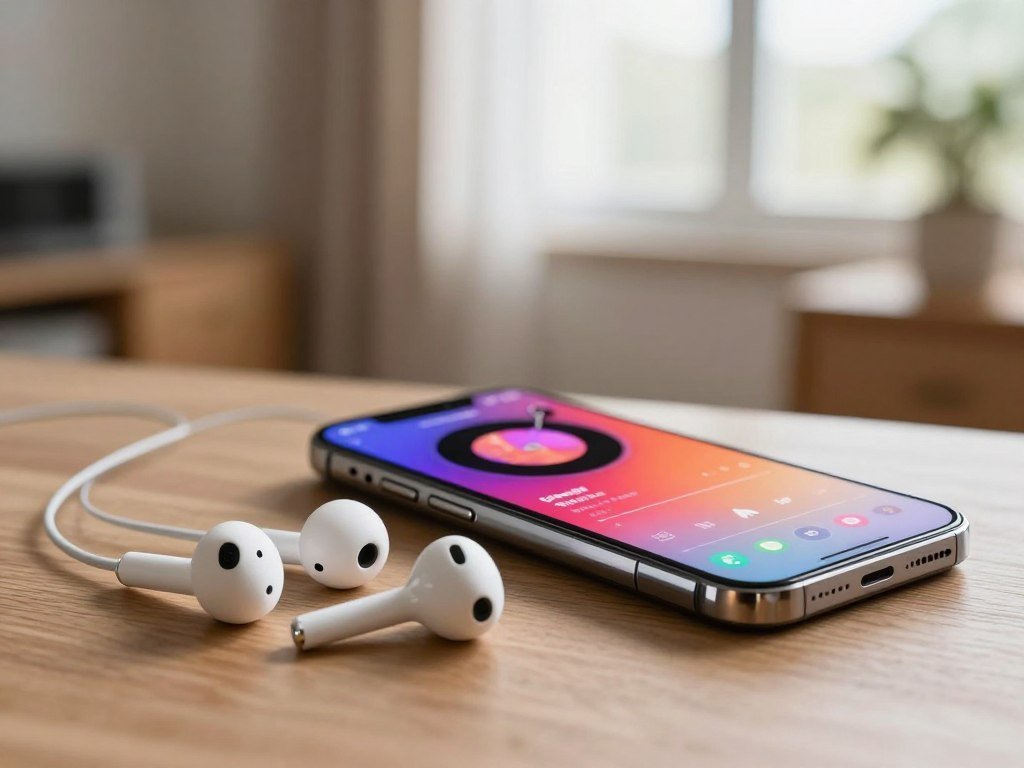
Apple’s guidance confirms that Bluetooth connections are not lossless. AirPods Pro 2 with a USB-C case do not fall under the Lightning-case detail above, so the case type matters when comparing connection options.
Wired listening and external equipment
On iPhone or iPad, Apple Music lossless playback can use wired headphones, receivers, powered speakers, or the device’s built-in speakers. A direct wired connection avoids Bluetooth’s loss, though your equipment still affects the sound you hear.
Hi-Res Lossless needs external equipment, such as a USB digital-to-analog converter, to support the higher playback range. Apple Music Hi-Res Lossless is also available on Apple TV 4K (3rd generation or later).
AirPods Max 1 with USB-C and AirPods Max 2 support lossless playback when connected by cable to an iPhone, iPad, or Mac. Check the charging-case type and cable connection before assuming an AirPods model can play lossless audio.
Which Service Is Better for Music Discovery and Playlists?
Spotify is the stronger starting point for listeners who want frequent, algorithm-driven suggestions. Its discovery tools use listening habits to surface playlists, new releases, and songs that may fit your taste.
Spotify offers more named tools for recurring, personalized discovery. Apple Music also makes recommendations, with personalized mixes and radio stations that can suit listeners who prefer a mix of automated and programmed listening.
Spotify’s personalized discovery tools
Discover Weekly refreshes with suggested tracks, while Daily Mix groups music around familiar styles and artists. Release Radar focuses on new music from artists you follow. AI Playlist lets you build a playlist from a written prompt.
- Discover Weekly: find suggested music in a changing playlist.
- Daily Mix: replay familiar sounds grouped into mixes.
- Release Radar: catch new releases from followed artists.
- AI Playlist: create a playlist from a text prompt.
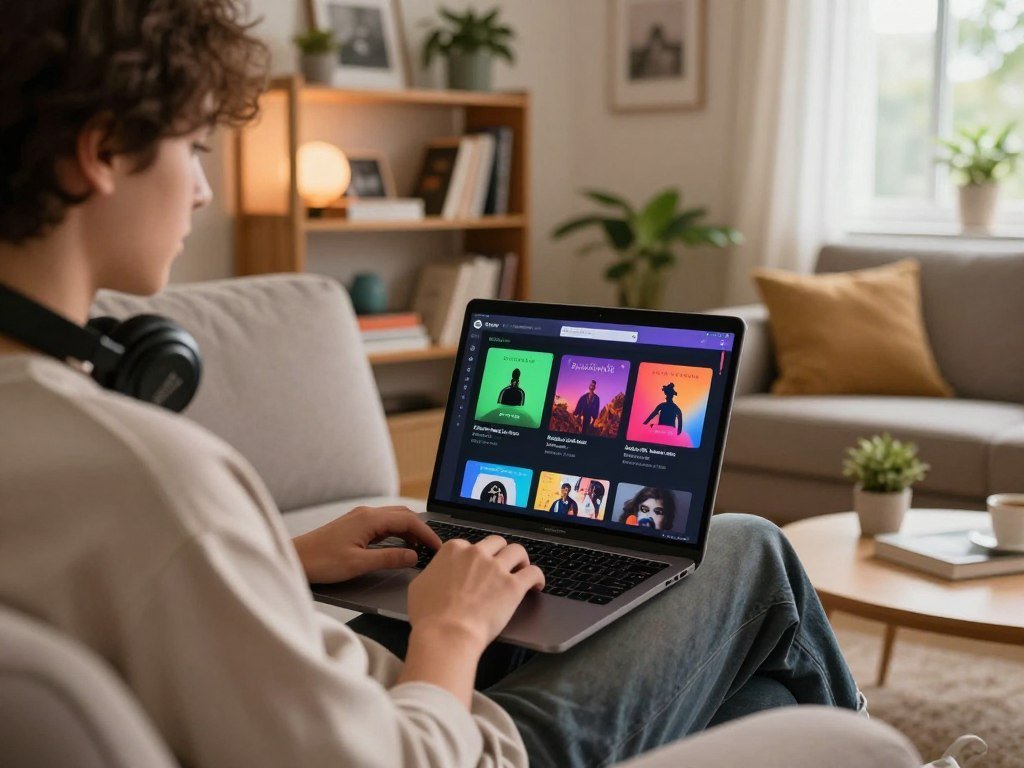
Spotify also offers Blend, which combines listening tastes for a shared playlist. Recommendations become more useful when you play, save, or skip songs in ways that reflect what you actually enjoy. If you mostly leave music running, the app may get fewer clear signals.
Apple Music mixes and editorial curation
Apple Music offers personalized mixes and radio stations, giving you both repeat listening and a way to hear music beyond your saved library. Your listening actions help tune recommendations over time. Saving artists or albums gives the service more useful signs than a single brief play.
Listeners who enjoy hand-built playlists may value how each app lets them organize music, not just how it recommends songs. Try a few mixes and radio stations during normal listening, rather than judging a new system from its first set of picks. Give a new recommendation system time and useful listening signals before judging how well it understands your taste.
How Do Social Features, Podcasts, and Extras Compare?
Spotify is the more social, all-audio app, while Apple Music keeps its focus on music. Spotify brings more audio types into one app, alongside features for listening with friends.
Spotify has Blend and Friend Activity, while Apple Music’s social features are more limited. Blend makes a shared playlist from people’s tastes; Friend Activity shows what friends are listening to.
Spotify includes podcasts in its app, while Apple Podcasts is a separate app. Certain Spotify Premium plans also include 15 hours of audiobook listening per month. That limit can matter if audiobooks are part of your regular routine.
The Spotify app listing describes podcast access and 15 hours of monthly audiobook listening on eligible Premium plans. Apple Music Classical is included with Student, Individual, and Family plans, giving classical listeners a dedicated app without a separate Apple Music plan.
- Friend listening activity: decide whether seeing friends’ music matters.
- Collaborative listening: check whether shared playlists fit your group.
- Podcasts in the same app: consider how often you listen to shows.
- Classical music access: check whether Apple Music Classical suits you.
These extras can change how many apps you open each week. A podcast listener may prefer Spotify’s combined app, while a classical listener may value Apple’s separate focused service. Count how many separate apps you would need for the audio you regularly listen to.
Which Devices and Platforms Support Each Service?
Both services work across the major phone and computer platforms, but Apple Music is most deeply integrated with Apple hardware. Spotify reaches broadly across devices, while Apple Music has a built-in place on Apple devices.
Both services are available on iPhone, iPad, Android, Windows, and macOS. Apple Music is built into Apple devices and uses separate apps on other platforms.
Phones, tablets, and computers
| Platform | Spotify | Apple Music |
|---|---|---|
| iPhone and iPad | Available | Available, built in |
| Android | Available | Available, separate app |
| Windows and macOS | Available | Available, separate app on Windows |
| Web browser | Web player available | Web player available |
Both services offer web players, so you can listen from a browser when you do not want to install an app. Apple Music’s integration with iPhone, iPad, and Mac can feel simpler if those devices already hold your music settings and account.
Speakers, browsers, and the Apple ecosystem
Spotify works across a wide range of connected devices, while Apple Music is most closely tied to Apple hardware. That difference can matter if you switch between a phone, TV, speaker, or car system during the day.
Apple Music’s supported-device list covers its apps and web player across Apple and non-Apple devices. A speaker’s platform compatibility can affect how easily you play music through a home system.
Check the exact speaker or car interface you use, rather than relying on a device brand alone. A car may support one service through a phone connection but not through its built-in screen. Verify support on the specific speaker, car system, or television you use every day.
How Do Offline Listening and Library Transfers Work?
Downloaded tracks let subscribers keep listening when a connection is unavailable, but moving a library takes an extra check. Offline playback is useful on flights, in areas with weak service, or when you want to limit data use.
Both services support downloaded tracks for offline listening, but Spotify downloads require Premium. Apple Music also supports offline playback for downloaded tracks.
Apple’s iCloud Music Library can upload personally owned music that is not in the streaming catalog. That can make those tracks available across Apple Music devices, alongside music from the service.
Transfers match songs from one service to items in another library. Apple explains that songs may be unmatched or offered in alternate versions during a transfer. A transfer does not always preserve the exact track choice or playlist order you expect.
Use this checklist when moving playlists or a library:
- Choose a transfer method.
- Connect the old service.
- Select playlists or library items.
- Review unmatched tracks or alternate versions.
Apple’s transfer steps use song matching and review to help bring music into Apple Music. Check playlist order after a move, since track matches can lead to a different version than the one you saved. Review the transferred playlists for alternate versions before relying on them for a trip or event.
How Many People Use Spotify and Apple Music?
Spotify had the largest global subscriber share among the services compared at the end of 2025. Its share was 31.4%, compared with 12.6% for Apple Music and 12.4% for YouTube Music.
Global subscriber share, monthly active users, and US paid subscriptions measure different things. They describe market share, app use, and paid subscriptions, so they should not be treated as matching counts.
There were 921.6 million music streaming subscribers worldwide at the end of 2025, up 10.1% from the end of 2024. Spotify held 31.4% of global music subscribers, while Apple Music had 12.6% and YouTube Music had 12.4%.
In the United States, paid music subscriptions averaged 106.5 million in 2025, up 6.5% from 2024. The average reached 111.1 million in the first half of 2026, up 5.5% from the first half of 2025.
Spotify reported 788 million monthly active users worldwide in the third quarter of 2026, an 11% rise from the same period a year earlier. That figure counts people active in the app, not just paid music subscribers.
These measures describe different groups and time periods. Global shares compare subscription services, US totals count paid subscriptions in one country, and Spotify’s active-user figure includes its wider app audience. Use subscriber share to compare market position, not to predict which service will fit one listener best.
Which Service Should You Choose?
Spotify is the better all-around fit for listeners who want discovery and social features, while Apple Music is the stronger fit for Apple users who put sound quality first. Your daily routine should decide which strengths matter more.
Choose Spotify for discovery, social tools, podcasts, or a free ad-supported option. Choose Apple Music for higher-resolution audio, close Apple-device integration, and a music-focused experience.
Some people are also leaving Spotify because of objections to founder Daniel Ek’s investment in Helsing, a defense technology company. Massive Attack and Godspeed You! Black Emperor withdrew their catalogs in protest. Concerns about AI-generated tracks are another stated reason for leaving.
Those concerns are personal values, not a measure of sound quality or app features. If they matter to you, consider whether you want the service to reflect your views about the companies and artists involved.
- Discovery: choose Spotify for more named recommendation tools.
- Sound: choose Apple Music for a higher-resolution ceiling.
- Social listening: consider Spotify’s Blend and Friend Activity.
- All-in-one audio: compare Spotify’s podcasts and audiobook access.
- Device ecosystem: consider how much Apple hardware you use.
Pick the service whose strongest features match the way you listen, not the one with the largest audience.
A listener who plays podcasts and shares playlists may value a different app than someone who saves albums and uses Apple devices. Choose the service that matches the two or three features you will use most often.
Conclusion
The simplest choice is to prioritize the features you notice in your everyday listening. Spotify suits listeners who want frequent discovery, social tools, and a broader audio experience.
Apple Music suits listeners who value sound options and close Apple integration. Neither choice needs to be permanent, especially if your current service does not fit your habits.
Try the service that looks best with the headphones, speakers, and devices you use most. Play familiar albums, test a few recommendations, and check how your saved music feels in the new app. Try your top choice on your usual headphones and devices, then decide whether it earns a place in your routine.
FAQ
What is the #1 most used music app?
Spotify led global music subscriber share at the end of 2025, with 31.4%. Apple Music had 12.6%, and YouTube Music had 12.4%. Subscriber share is not the same as monthly active users or paid subscriptions in one country. Spotify also reported 788 million monthly active users worldwide in the third quarter of 2026.
What is Spotify?
Spotify is a music streaming service that also offers podcasts and an ad-supported free tier. Users can listen through its apps and web player, then add paid features with Premium. Some Premium plans include offline music downloads, and certain plans include monthly audiobook listening. Its social tools include Blend and Friend Activity.
Why is Apple Music so expensive?
Apple Music’s US Individual plan costs $11.99 per month in 2026, which is less than Spotify’s $12.99 Individual plan. Apple Music has no permanent free tier, so listeners need a paid plan to keep using the service after any trial. The fee includes ad-free music and access to Apple Music Classical on eligible plans.
What is the audio quality of Apple Music?
Apple Music offers lossless audio up to 48 kHz and Hi-Res Lossless from 48 kHz to 192 kHz. It also includes Dolby Atmos Spatial Audio for supported mixes. The format a listener hears depends on the song and playback setup. Bluetooth headphones do not provide a lossless connection.
Does Apple Music actually sound better than Spotify?
Apple Music has the higher maximum resolution, but that does not mean every listener will hear a clear difference. Bluetooth is not lossless, and headphones, speakers, and listening conditions affect playback. Try familiar tracks on your usual equipment before switching for sound alone. Spotify Premium’s US lossless option reaches 24-bit/44.1 kHz.
What is the best music streaming service?
Spotify is the better fit for listeners who want discovery and social features. Apple Music suits people who value audio options and close Apple integration. Spotify also combines music and podcasts in one app, while Apple Music keeps its main focus on music. Your devices and listening habits should guide the final choice.
Why are people getting rid of Spotify?
Some listeners object to Spotify founder Daniel Ek’s investment in Helsing, while others have concerns about AI-generated tracks. Massive Attack and Godspeed You! Black Emperor withdrew their catalogs in protest. These are reasons some people give for leaving, not a change to the service’s basic music and podcast features.
Who is the biggest competitor of Spotify?
Apple Music is Spotify’s biggest competitor among these services by global subscriber share. Apple Music held 12.6% at the end of 2025, just above YouTube Music’s 12.4%. Spotify led with 31.4%. Those shares describe global subscriptions, not the number of active users in a given country.