For a premium Android phone that covers the most ground, start with the Samsung Galaxy S26 Ultra. The Google Pixel 10a is the value option, while the OnePlus 15 suits buyers who put battery life first. Your best fit depends on what you do most, how long you keep a phone, and the price you can manage.
A variable refresh rate means the screen changes how often it refreshes to suit what is on it, which can make motion feel smooth while helping conserve power. This list also covers smaller screens, foldables, and phones under $200, so you can weigh everyday comfort against extra features and software updates.
Key Takeaways
- Choose the Galaxy S26 Ultra for a premium all-around experience.
- Look at the Pixel 10a for everyday value.
- Pick the OnePlus 15 if battery capacity is your main concern.
- Compare smaller phones if one-handed use matters.
- Consider a foldable only if you will use its larger inner display.
Choose around the feature you use every day, not the longest specification list.
Which Is the Best Android Phone 2026 for Most Buyers?
The Samsung Galaxy S26 Ultra is the strongest starting point if you want a premium phone that combines a large display, a multi-camera system and long support. It is the premium all-around choice for a buyer who values a high-end screen, flexible cameras, and a long software update promise.
These phones represent different kinds of “best,” not one ranking based on a single feature. The Pixel 11 suits buyers who prefer Google software, while the Pixel 10a makes more sense when value matters most.
Choose by the feature you rely on most, because no one phone leads every buyer’s list.
The OnePlus 15 is the battery-life pick, while the Galaxy Z Fold8 is built for people who want to multitask on an inner display. Those roles make the models useful alternatives, not direct replacements for one another.
A buyer who wants a phone mainly for calls, messages, maps, and photos may not need the biggest screen or the most camera options. A Google Pixel can be a better match if you prefer Google’s interface and tools.
Think about how a phone feels in your hand, too. An Ultra-sized flagship can be a poor fit if you often use your phone with one hand or carry it in a small pocket.
A buyer who dislikes a bulky handset should compare the compact choices before settling on an Ultra-sized flagship.
What Do the Top Android Picks Cost and How Do They Score?
The highest score in this group belongs to the Galaxy S26 Ultra, while the Pixel 10a is the lowest-priced model in the table. The table gives you a quick look at 2026 listed prices and ratings, but a score cannot show which phone fits your habits.
The top 10 Android phones in 2026 are not all right for the same buyer, and the latest Android phone in 2026 is not automatically the best match. This table focuses on four leading options with different uses and prices.
The Galaxy S26 listing is specifically an Amazon price, not a general street price. The Galaxy Z Fold8 is assessed in its own section because its listed price is not part of this comparison.
| Phone | CNET rating | 2026 listed price | Best fit |
|---|---|---|---|
| Samsung Galaxy S26 Ultra | 9.3 | $1,300 | Premium all-around |
| Google Pixel 11 | 9.0 | $899 | Google flagship |
| Google Pixel 10a | 8.2 | $499 | Value |
| Samsung Galaxy S26 | 8.3 | $700 at Amazon | Smaller Samsung flagship |
A top-rated model may still be too large, too costly, or short on a feature you need. A rating is one useful comparison point, while screen comfort, camera needs, and software updates shape daily ownership.
“Top 10” is a shopping intent, not a reason to pad the comparison with phones that do not match your needs. The table gives a focused starting point instead of pretending every buyer should choose the same set.
Treat listed prices as comparison points, then check the configuration and current offer before checkout.
Which Phone Fits Each Budget and Daily Routine?
Start with the experience you want each day, then decide how much hardware you actually need. Daily use is a better guide than a long list of features, especially when price and performance matter in different ways.
A lower price is useful only when the phone’s support and carrier fit your needs. The Moto G (2026) suits a very tight budget, while the Pixel 10a or Pixel 9a gives value-focused buyers a more rounded everyday experience.
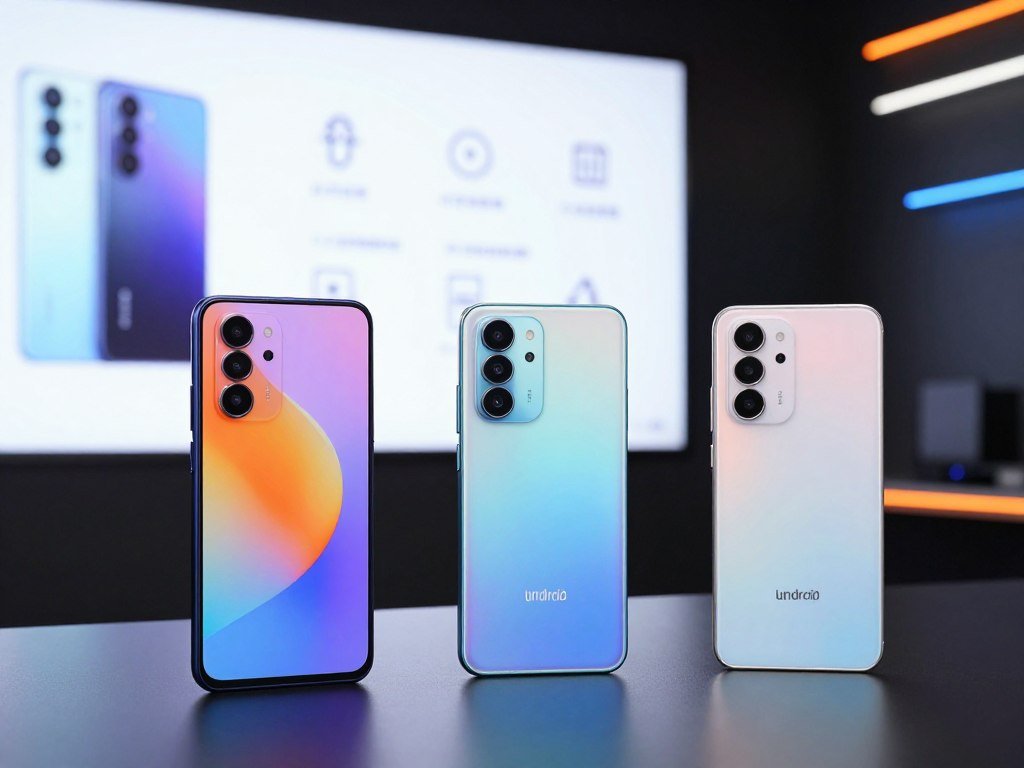
When everyday basics come first
If you mainly call, text, browse, and check maps, start with a phone that meets those needs without stretching your budget. The Moto G (2026) is a sensible place to begin at the low end.
The Pixel 10a and Pixel 9a suit buyers who want a value-focused daily phone with more room for photos and apps. Compare their support terms and feel in hand before you decide.
When you want more camera or flagship headroom
For camera-focused use, compare the Pixel 11 Pro family with the Galaxy S26 Ultra. The OnePlus 15 fits a buyer who cares most about battery capacity, and the Galaxy Z Fold8 serves people who often work across a large inner display.
- Basics: Moto G (2026).
- Value cameras: Google Pixel 10a or Pixel 9a.
- Battery: OnePlus 15.
- Large-screen multitasking: Samsung Galaxy Z Fold8.
A phone that looks like a bargain can be a poor fit if its software support or carrier compatibility does not suit how long you keep it. A low starting price does not erase the cost of replacing a phone sooner than planned.
If you expect to keep a device for several years, count software support as part of its value.
What Makes the Galaxy S26 Ultra the Premium All-Rounder?
The Galaxy S26 Ultra earns its premium recommendation by bringing together a large, high-resolution screen, broad camera coverage and extended software support. Its 6.9-inch display gives you room for video, reading, and split-screen tasks.
The phone pairs a 120Hz screen with storage choices from 256GB to 1TB and 12GB or 16GB of RAM. That range lets you choose more room for large files or extra memory for demanding use.
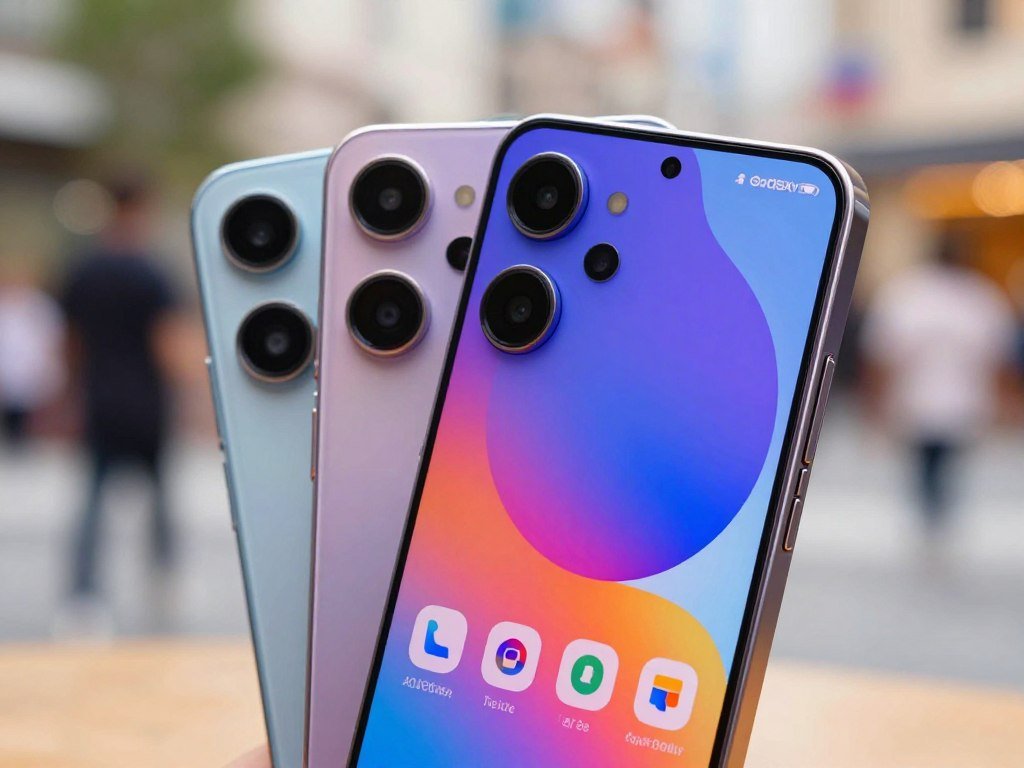
Display, memory and everyday headroom
The AMOLED display has a resolution of 1,440 x 3,120 pixels and a 120Hz refresh rate. Scrolling can look smooth, and the high resolution gives small text and fine details more room to appear clear.
Built-in Privacy Display can help limit what people beside you see on screen. It is useful when you check messages or private details in a busy place, though it does not replace care with sensitive information.
Choose a RAM configuration based on how you use apps. The 12GB option covers many needs, while 16GB may appeal if you often switch among demanding apps.
Camera system and long-term ownership
The rear setup has a 200MP main camera, a 12MP ultrawide, and two telephoto cameras: 10MP at 3x and 50MP at 5x. The main lens suits regular shots, the ultrawide fits broad scenes, and telephoto lenses help frame distant subjects.
Megapixel counts and zoom labels describe hardware, not guaranteed photo quality. Lighting, focus, image processing, and movement can all change the final result.
The phone has a 5,000mAh battery and a seven-year software update promise from Samsung. That long support window may matter if you plan to keep the same phone for years, rather than replace it after a short time.
Choose a storage tier based on how much media you keep locally, since the available options range from 256GB to 1TB.
Which Android Phone Lasts Longest Between Charges?
For a buyer who puts battery capacity first, the OnePlus 15 is the clearest pick in this guide. Its 7,300mAh battery is a useful comparison point, but capacity alone cannot promise a set runtime.
Android Central names the OnePlus 15 its 2026 battery-life pick. Screen use, apps, signal strength, and other habits affect how long a phone lasts between charges.
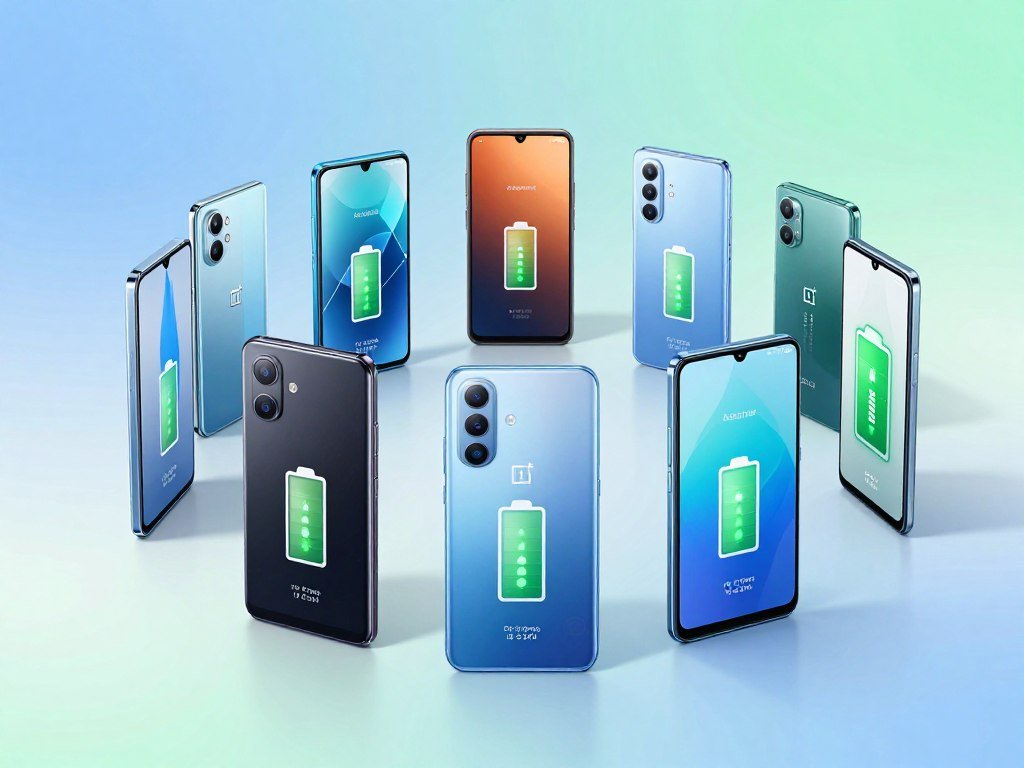
Why OnePlus 15 is the battery-life pick
A large battery can give you more capacity to work with during a long day. The OnePlus 15 also has IP69K durability certification, a feature to weigh if exposure to dust or water is part of your routine.
The Motorola Edge 70 Fusion is another battery-focused option, but its capacity changes by region. It has a 7,000mAh battery in most markets and a 5,200mAh battery in European versions.
The OnePlus 15 has a $900 listing for its 12GB RAM and 256GB storage configuration. Make sure the configuration you compare matches the memory and storage you want.
When regional availability changes the decision
OnePlus is leaving North American and European markets. That change makes local support and future service important parts of a US buying decision.
Do not assume that a phone will have the same repair options, sales access, or service terms in every region. The brand’s market plans can affect how easy it is to get help later.
Buyers who rely on a phone for work may place extra value on a clear local service path. Check what support applies to the specific device and seller, rather than relying on a brand’s history in another market.
You can compare battery capacity with the phone’s size and features, but those numbers do not replace your own use pattern. A screen that stays bright and active can drain power faster than a phone used mostly for calls.
Confirm local service and support arrangements before choosing a phone from a brand exiting your region.
Which Android Camera Fits Portraits, Zoom, and Family Photos?
For a two-size Google camera flagship, compare the Pixel 11 Pro and Pixel 11 Pro XL before choosing a screen. Both offer the same listed camera array, so your screen preference can guide the choice.
Pick camera hardware by the framing you use, not by megapixel totals alone. A telephoto lens, ultrawide lens, and front camera serve different scenes and perspectives.
Pixel Pro cameras for versatile everyday shots
The Pixel 11 Pro and Pixel 11 Pro XL each have a 50MP main camera, a 48MP ultrawide, a 48MP telephoto, and a 42MP front camera. The main lens suits everyday scenes, while the ultrawide can fit a large group or a broad landscape.
The telephoto camera can frame a subject from farther away. The front camera is useful for selfies and video calls, so you can choose the right lens for the moment.
Popular Mechanics lists both Pixel Pro models among its 2026 Android phone picks. Its Pixel 11 Pro camera review discusses their photos and video, including telephoto use.
Galaxy Ultra cameras for zoom choices
The Galaxy S26 Ultra offers 3x and 5x telephoto options, which give you two distinct zoom ranges. That can help when you want to frame a nearby portrait differently from a distant subject.
No zoom label proves that one phone will beat every rival in every scene. For family photos, focus and timing may matter more than reaching for the longest zoom setting.
- Everyday main-camera photos: prioritize the main camera.
- Wide group or landscape framing: prioritize the ultrawide camera.
- Distant subjects: prioritize a telephoto camera.
Look at sample shots in the kinds of places where you take photos. Indoor light, bright sun, and backlit faces can all change how a camera handles the same subject.
If moving subjects matter most, look for sample photos of motion rather than relying on sensor resolution alone.
Which Display Size Suits a Compact or Large-Screen Buyer?
If comfortable handling matters more than maximum screen area, begin by comparing 6.3-inch options. A smaller screen size can be easier to carry, while a larger display gives you more room for reading and video.
Hold a phone before buying if one-handed comfort matters to you. Diagonal size does not tell you how wide or heavy a device feels in your palm.
| Phone | Screen size | Display type | Refresh rate |
|---|---|---|---|
| Samsung Galaxy S26 Ultra | 6.9 inches | AMOLED | 1-120Hz adaptive |
| Google Pixel 11 | 6.3 inches | OLED | 60-120Hz variable |
| Google Pixel 11 Pro | 6.3 inches | OLED | 1-120Hz |
| Google Pixel 11 Pro XL | 6.8 inches | OLED | 1-120Hz |
The Galaxy S26 Ultra has a 6.9-inch, 3,120 x 1,440-pixel AMOLED display. That gives video and reading more space, but the phone may feel large if you often reach across the screen with one thumb.
The Pixel 11 has a 6.3-inch OLED display with 2,424 x 1,080-pixel resolution and a variable 60-120Hz refresh rate. The Pixel 11 Pro and Pro XL offer 6.3-inch and 6.8-inch OLED displays, respectively.
Refresh rate affects how often the screen updates its image. A variable range can adjust to what appears on screen, while the display type and size help define how the phone looks and feels.
Consider where you use your phone most. A compact option can be easier to carry on a walk, while a larger display may feel more comfortable for long reading sessions.
Check the phone in your hand, because diagonal size alone does not show how wide or heavy it feels.
Is the Galaxy Z Fold8 the Right Upgrade for Multitasking?
Choose the Galaxy Z Fold8 when opening a phone into a larger workspace is part of your everyday routine. Its 7.6-inch inner display gives you more room for split-screen work, reading, and other tasks that benefit from a larger view.
The 5.5-inch outer screen handles quick use while the phone stays closed. That smaller screen lets you check a message or make a quick call without opening the device.
A foldable can make it easier to keep two apps visible at once or read a longer document. The larger inner display also gives a video more space than a standard phone screen.
A conventional 6.3-inch-class phone is a simpler fit if you want a straightforward shape that slips into a pocket. You avoid having to open the device when you want to check something quickly.
CNET rated the Galaxy Z Fold8 8.6 in 2026. Treat that score as one input, not proof that a foldable will suit every buyer or daily routine.
The key question is whether you often use tasks that benefit from more screen room. If you mostly send short messages, scroll through social apps, and take quick calls, a regular phone may be less fussy.
Think about the apps you keep open during a typical work or travel day. Split-screen use can be helpful when you read one item while writing in another, but it may not change how you use a phone.
Before buying a foldable, consider whether your regular tasks will actually use the larger inner screen.
Which Midrange Android Phone Gives the Best Value?
For a value-first midrange Android phone, start with the Pixel 10a, then compare the Pixel 9a if its camera and support details fit you better. The Pixel 10a is the simple value pick, while the Pixel 9a suits buyers who want its specified camera system and update promise.
The Pixel 10a is the starting point for value, and the Pixel 9a is a strong comparison for camera and support needs. Both can make sense, depending on what you expect from a midrange phone.
Value-focused Google options
The Pixel 10a has a 6.3-inch display with a 120Hz refresh rate. Popular Mechanics lists it as a value Android phone in 2026, and its screen size may suit buyers who want a manageable handset.
The Pixel 9a has a 6.3-inch P-OLED display that also refreshes at 120Hz. Its camera hardware includes a 48MP main camera, a 13MP ultrawide, and a 13MP selfie camera.
The Pixel 9a also has a seven-year software update promise. If you want those camera details and a long update window, compare it closely with the Pixel 10a before choosing.
Larger-screen and durability alternatives
The Samsung Galaxy S25 FE may suit you if you prefer a larger 6.7-inch display. It also has a 5,000mAh battery, which is a useful capacity figure to weigh alongside screen size.
The Galaxy A37 is another midrange option to consider for its IP68 rating and six major OS updates. Those details make durability and software support part of its case, not just its price.
Tech Advisor names the Galaxy S25 FE and Pixel 9a among its 2026 midrange picks. Their different screen sizes and camera features show why your daily habits matter more than one broad “best” label.
If you mostly watch video, a bigger display may feel more useful than a small spec-sheet edge. If you keep a phone for years, the support promise may carry more weight.
Choose a midrange screen by how you use it, since a larger display can matter more than a small spec-sheet advantage.
Which Android Phones Under $200 Are Worth Considering?
For a US buyer who must stay under $200, start with the Moto G (2026). It is Android Central’s best overall Android phone under $200, though its screen and memory reflect its budget role.
The Moto G (2026) has a 720 x 1,604-pixel display and 4GB of RAM, which are basic-phone compromises. Those are not flagship specifications, so set expectations around screen detail and heavy multitasking.
A search for the best Android phone in 2026 under 20,000 may refer to a rupee budget. This guide uses US dollars, and a rupee-denominated budget belongs to a different local market rather than a direct dollar conversion.
- Moto G (2026): the broadest fit under $200.
- Moto G (2025): another budget option to compare.
- Samsung Galaxy A17 5G: a choice for its Super AMOLED screen and six years of OS upgrades.
The Moto G (2026) has 128GB of storage and 4GB of RAM. That can work for everyday apps, calls, and browsing, but it leaves less headroom for demanding tasks than a higher-priced phone.
The Galaxy A17 5G has a 6.7-inch Super AMOLED display. That screen may appeal if you watch video or prefer a larger view, and its six years of OS upgrades add a longer support commitment.
The Moto G (2025) gives you another low-cost model to weigh against the newer phone. Check the exact price and configuration, since the under-$200 limit depends on the listing you find.
A strict budget often means choosing which feature matters most. The Galaxy A17 5G emphasizes its display and updates, while the Moto G (2026) is the broader budget starting point.
Check that 128GB of storage is enough for your apps and photos before choosing the Moto G (2026).
Which Android Phones Charge Fastest, and What Do the Numbers Mean?
The OnePlus 13 has the highest wired-charging figure among these examples, while the Galaxy S26 Ultra has a strong test result for its own charging speed. Its 60W wired charging beat 32 other phones in CNET’s 2026 wired-charging-speed test.
Wattage is not a promise of a fixed charging time. A compatible charger, the phone’s charging controls, and the battery’s current level affect how quickly power goes in.
| Phone | Wired charging | Wireless charging |
|---|---|---|
| Samsung Galaxy S26 Ultra | 60W | 25W Qi2.2 |
| OnePlus 15 | 80W | 50W |
| Pixel 9a | 23W | 7.5W |
| OnePlus 13 | 100W | 50W |
| Galaxy S25 Ultra | 45W | Not specified |
The Galaxy S26 Ultra supports 25W Qi2.2 wireless charging, but it lacks built-in magnets. You need a case for wireless charging.
The CNET charging-speed test compared 33 phones in matching 30-minute wired and wireless sessions. The Galaxy S26 Ultra beat 32 other phones in the wired test.
The Pixel 9a has a 5,100mAh battery and supports 23W wired charging. The OnePlus 13 pairs a 6,000mAh battery with 100W wired and 50W wireless charging, while the Galaxy S25 Ultra has a 5,000mAh battery and 45W wired charging.
Many phones no longer include a charging brick, so a high wattage may mean buying a compatible charger separately. The charger and phone must support the same charging standard to reach the advertised rate.
Before comparing wattage, check whether you already own a compatible charger.
How Long Will Current Android Phones Receive Updates?
A seven-year update promise is the longest commitment among the current phones covered here. Samsung promises seven years of software updates for the Galaxy S26 Ultra and Galaxy S25 FE.
Compare the stated update window with how long you plan to keep the phone. The OnePlus 15 has four more major Android OS updates and six more years of software updates.
Longer support for longer ownership
The Galaxy S26 Ultra and Galaxy S25 FE each have a seven-year software update promise. The OnePlus 15’s stated support includes four more major OS updates and six more years of software updates.
The Samsung Galaxy A37 has six major OS updates, while the Moto G (2026) has two years of OS upgrades. Those terms differ, so compare the exact model rather than assuming every phone from one brand follows the same schedule.
Longer software support can keep a phone current for more of its useful life. It may matter if you want to avoid replacing a device soon after you buy it.
What earlier phone awards can and cannot tell you
Android Central named the Google Pixel 9 Pro its best Android phone of 2024. It picked the Pixel 8a as the best value phone that year, with seven years of Android OS updates promised, and named the OnePlus 12 as runner-up.
Those 2024 picks give historical context, not a current ranking of 2026 models. A past award can help explain an older phone’s place, but it does not decide which current phone fits your budget or needs.
The 2025 searches call for a previous-generation comparison, not an invented overall winner. A phone that led a prior-year shortlist may still differ from the models that suit a new purchase.
Look at the support term for the exact phone you plan to buy. A familiar family name does not guarantee that two generations receive the same number of updates.
Match the update window to how long you expect to keep the phone, not just how long its hardware feels new.
Which Specs Matter Most When Comparing Android Phones?
Read specifications as clues about daily use, not as a contest to find the biggest number. A few useful baselines can help you compare screen, speed, and battery without treating every large figure as an upgrade.
At least 8GB of RAM is a practical minimum, and 12GB is preferable. These guideposts help you compare phones, but they do not replace a look at your own apps and habits.
Screen, speed and battery basics
| Check | Useful baseline | Why it matters |
|---|---|---|
| RAM | At least 8GB, 12GB preferable | Smoother app switching and demanding tasks |
| Processor family | Snapdragon 7 series or higher, or MediaTek Dimensity 7000 series or higher | A general performance starting point |
| Refresh rate | 90Hz or 120Hz on many budget phones, variable 1-120Hz on flagships | Smoother motion and potential power savings |
| Battery capacity | Usually 4,000mAh or higher | Compare capacity, but do not assume it guarantees runtime |
The processor families in the table are broad guideposts, not a promise that every phone with the same label feels alike. You may also see terms such as Snapdragon Elite Gen in spec lists, but compare the full device rather than buying on a name alone.
A 90Hz or 120Hz screen can make scrolling look smoother than a lower refresh rate. A variable 1-120Hz flagship screen can change its refresh rate to suit what appears on screen.
Camera, durability and connectivity checks
Megapixels alone do not prove photo quality. Check whether the camera setup has useful main, ultrawide, and telephoto coverage for the pictures you take.
IP67 or IP68 is a practical durability target when you want protection from dust and water. Nearly all smartphones support 5G, but exact band support can still vary by model.
Your shortlist does not need every feature at the highest level. A clear display, enough memory, and a good support window may matter more than an extra camera mode.
Prioritize the two or three checks tied to your own routine instead of paying for specs you will rarely use.
Are AI Features a Good Reason to Choose an Android Phone?
AI is a worthwhile buying factor when a named feature solves a task you actually do. Practical help matters more than a long list of tools you may never open.
Judge each feature by the time or effort it saves in your routine. Google Pixel 10 includes Magic Cue, which can surface details such as a restaurant address or reservation.
Galaxy devices can translate phone calls in real time. That may help if you need to follow a supported call in another language, but its usefulness depends on your needs.
Before you treat an AI feature as a buying reason, check what it does in the apps and settings you use. A feature that sounds impressive may not help if it does not fit your everyday tasks.
- Does the feature work in the apps you use?
- Does it require sharing personal information?
- Does it still help when you are offline or in a hurry?
Google Magic Cue and Galaxy call translation solve different problems, so a feature list does not prove one phone’s AI is objectively best. The right tool depends on what you want it to handle.
If you use phone AI for calls, maps, or reservations, test the feature in that setting. If you rarely need those tasks, you may be better off weighing another part of the phone.
For more examples of everyday tasks, read about how phone AI features work before weighing them against your other needs.
Try the exact feature you care about before letting a broad AI label decide your purchase.
What Should You Check Before Buying an Android Phone?
Before paying, confirm that the model and the deal both fit the way you use your carrier. An unlocked phone can give you more flexibility if you may switch carriers.
A carrier promotion can change the real value if it requires a plan change. Check the plan terms before treating a discount, free phone, or monthly payment as a good deal.
Carrier deals versus an unlocked phone
An unlocked model may suit you if you want to move between carriers or avoid tying the phone to one provider. A carrier deal may cost less upfront, but its plan rules can affect what you pay over time.
Ask whether the promotion requires a new plan or a different service tier. A free or financed phone can cost more in the long run if its plan terms do not match your needs.
For a wider look at comparing phone prices and use cases, see this phone buying guide for 2026. Use it to keep budget and everyday use in view as you weigh the offer.
Confirm the small details before checkout
Check the specific model and configuration before you place an order. A close match in the product name does not guarantee the same storage, network support, or included items.
- Verify carrier and 5G compatibility.
- Confirm the storage capacity.
- Check whether wireless charging requires a case or accessories.
- Check whether a charging brick is included.
Keep your current phone working until the new one is ready. That gives you time to move contacts, sign in to accounts, and test the apps you rely on.
Keep the old phone until the new device is activated and essential apps and accounts work.
Conclusion
The best choice is the phone whose strongest feature matches what you rely on most. The Galaxy S26 Ultra is the premium all-around option, but another category pick may fit better when battery life, value, or a foldable screen matters more.
Set a firm budget before comparing offers, then choose the storage size you will be comfortable using. Check carrier compatibility for your preferred model before ordering, especially if you may switch networks.
Set your budget, verify compatibility and choose the configuration you will be comfortable using for years.
FAQ
Which is the best Android phone to buy in 2026?
The Samsung Galaxy S26 Ultra is the premium all-around Android phone to buy in 2026. It combines a large display, flexible camera hardware, and a seven-year software update promise. The Pixel 10a is a better starting point if value matters more, while the OnePlus 15 suits buyers who put battery capacity first. Choose the one that fits your daily use and budget.
Which Android phone is the best for the money?
The Google Pixel 10a is the best starting point for value-focused buyers. It offers a midrange experience without the cost of a premium flagship. If your budget must stay below $200, consider the Moto G (2026) instead. Its display resolution and memory are basic, so it is best for everyday tasks rather than demanding apps or heavy multitasking.
What is the most recommended Android phone?
The Samsung Galaxy S26 Ultra is the premium recommendation for buyers who want a large screen, broad camera choices, and long software support. It is not the right fit for every budget or hand size. The Pixel 10a is the main value alternative, while the OnePlus 15 is a stronger match when battery capacity is your top concern.
What is the best budget phone in 2026?
The Google Pixel 10a is the broad value pick for buyers who want a capable everyday phone at a midrange price. For a strict US budget under $200, start with the Moto G (2026). It has 128GB of storage, but its 4GB of RAM and lower-resolution screen reflect its budget status. Choose based on your spending limit and app needs.
What is the number one selling Android phone?
A number one sales title needs a defined market and reporting period. Sales rankings can differ by country, carrier, retailer, and time frame, so a buying recommendation does not prove which Android phone sold the most units. The Galaxy S26 Ultra is the premium pick in this guide, but that label describes fit and features, not sales volume.