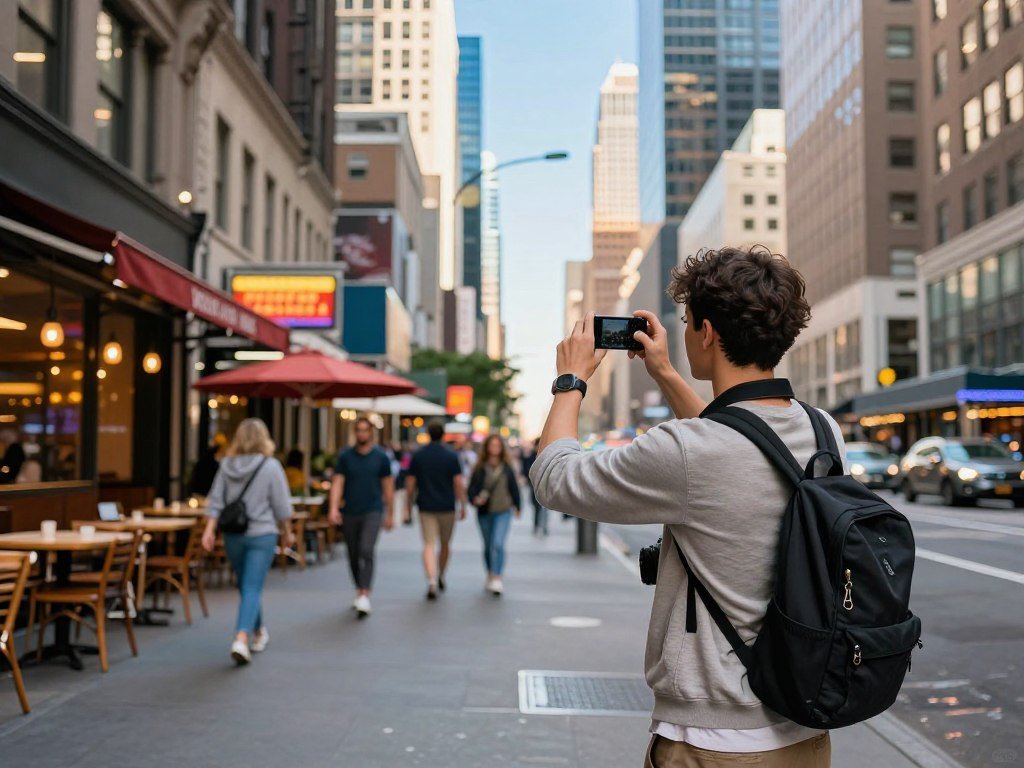
A great camera phone can make everyday photos easier, but the best fit depends on whether you care most about stills, zoom or video. If you shop in the United States, your budget and preferred operating system matter just as much as the camera. A high megapixel count alone does not promise a better image.
Variable aperture is a camera feature that changes the main lens opening to control how much light reaches the sensor and how much of the scene stays in focus. The right choice can help you capture family moments, travel scenes, concerts or quick videos without carrying a separate camera. This guide offers practical picks for everyday photography, zoom, video and tighter budgets.
You will find options for Apple and Android fans, along with notes about models that are harder to buy locally. Start with the kinds of photos you take most often, then compare the camera features that support them.
Key Takeaways
- Choose the iPhone 18 Pro for a balanced camera and familiar iOS experience.
- Pick the Samsung Galaxy S26 Ultra for Android and dedicated telephoto cameras.
- Consider a Google Pixel for simple point-and-shoot photos.
- The iPhone 18 Pro Max is the video-first choice in this lineup.
- For lower prices, compare the Google Pixel 10a, Nothing Phone 4A Pro and Galaxy A17 5G.
- Check US availability, carrier fit, storage and support before ordering an import.
Best Camera Phone 2026: Quick Picks
For most US shoppers, start with the iPhone 18 Pro for an all-round camera, the Samsung Galaxy S26 Ultra for Android and zoom, or the Google Pixel line for easy point-and-shoot photos. Those three paths cover the main needs without making you compare every camera phone on the market.
CNET rates the iPhone 18 Pro and Samsung Galaxy S26 Ultra 9.3 each. The iPhone is its best all-round camera phone for 2026, while the Samsung is its Android pick. CNET also rates the Nothing Phone 4A Pro and Oppo Find X9 Ultra 8.0.
| Use case | Pick | Alternative |
|---|---|---|
| Everyday photography | iPhone 18 Pro | Google Pixel 11 Pro |
| Android flagship and reach | Samsung Galaxy S26 Ultra | Oppo Find X9 Ultra |
| Specialist photography | Xiaomi 17 Ultra | Leica Leitzphone by Xiaomi |
| Lower-cost photography | Nothing Phone 4A Pro | Google Pixel 10a |
| Compact budget shopping | Samsung Galaxy A17 5G | CMF Phone 1 |

Use this shortlist to match a phone to your habits, not as proof that every model is sold locally.
The iPhone 17 or 18 Pro suits everyday photography, while Samsung’s S26 Ultra appeals to buyers who want extreme digital zoom. CNET lists the iPhone 18 Pro at $1,199 and the Samsung at $1,300 at Samsung. The Oppo and Leica options are not sold in the United States, so their place here does not promise easy local buying.
Check US availability before treating an import-only model as a practical alternative.
What Do Camera Phones Cost at Each Tier?
In this group, the listed examples run from $199.99 to $899, while premium camera flagships can cost more. Your spending limit should account for storage and the exact carrier or retail version, not just the base price.
Flagship phones commonly cost $800 or more. A midrange Google Pixel can offer a strong camera without reaching that tier, while very low-cost phones make larger compromises.
| Phone | Listed price | Relevant buying context |
|---|---|---|
| Google Pixel 10a | $499 | Budget camera choice |
| Samsung Galaxy A17 5G | $199.99 at T-Mobile | Under-$200 option |
| Google Pixel 11 | $899 | Standard Pixel flagship-tier option |
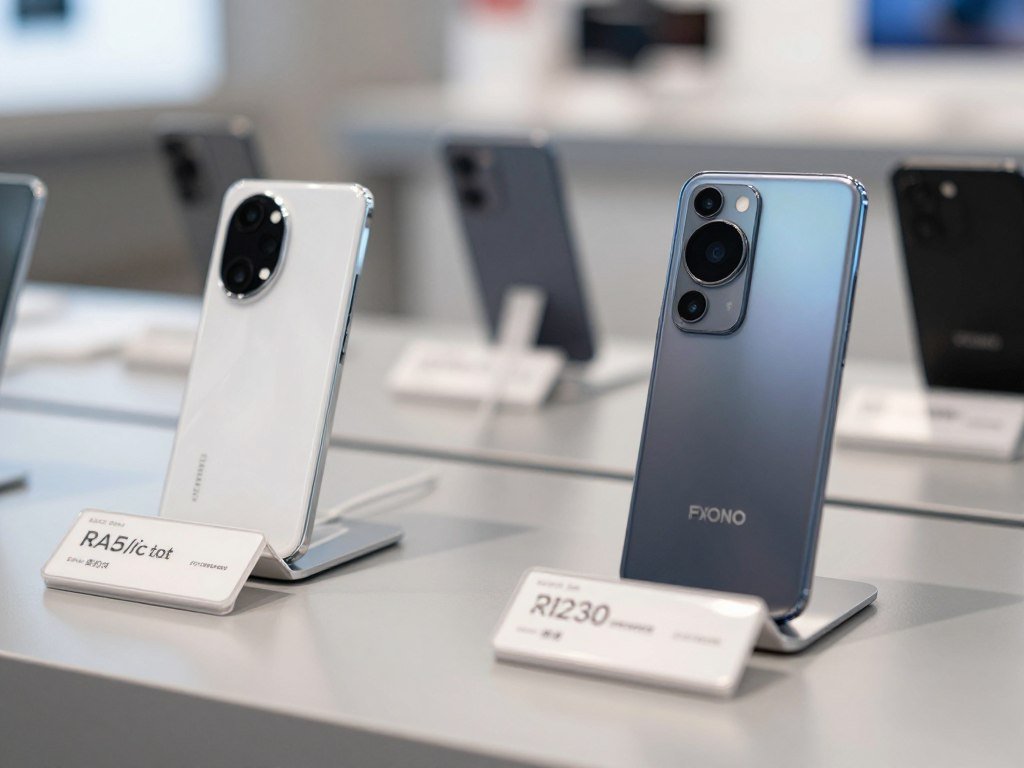
Listed prices can change with storage configuration, carrier, retailer and promotional timing. A low price may also mean giving up a dedicated telephoto lens, which matters if you often photograph distant subjects.
Use the phone buying guide by budget to compare broader features beyond cameras. The Pixel 11 is a standard Pixel flagship-tier option, while the Pixel 10a is aimed at buyers who want to keep spending lower.
Set a maximum total price before comparing features, and check the exact storage and carrier version at checkout.
Which Android Camera Phone Fits Most People?
Choose a Pixel 11 Pro model for an uncomplicated everyday camera experience, or the Galaxy S26 Ultra if you want more dedicated focal lengths. Most people will find the Pixel 11 Pro and 11 Pro XL easier for quick, everyday shooting.
The Galaxy S26 Ultra gives you more dedicated camera views. Its setup includes a 200MP main camera, a 50MP ultrawide and 50MP and 10MP telephoto cameras with 5x and 3x zoom.
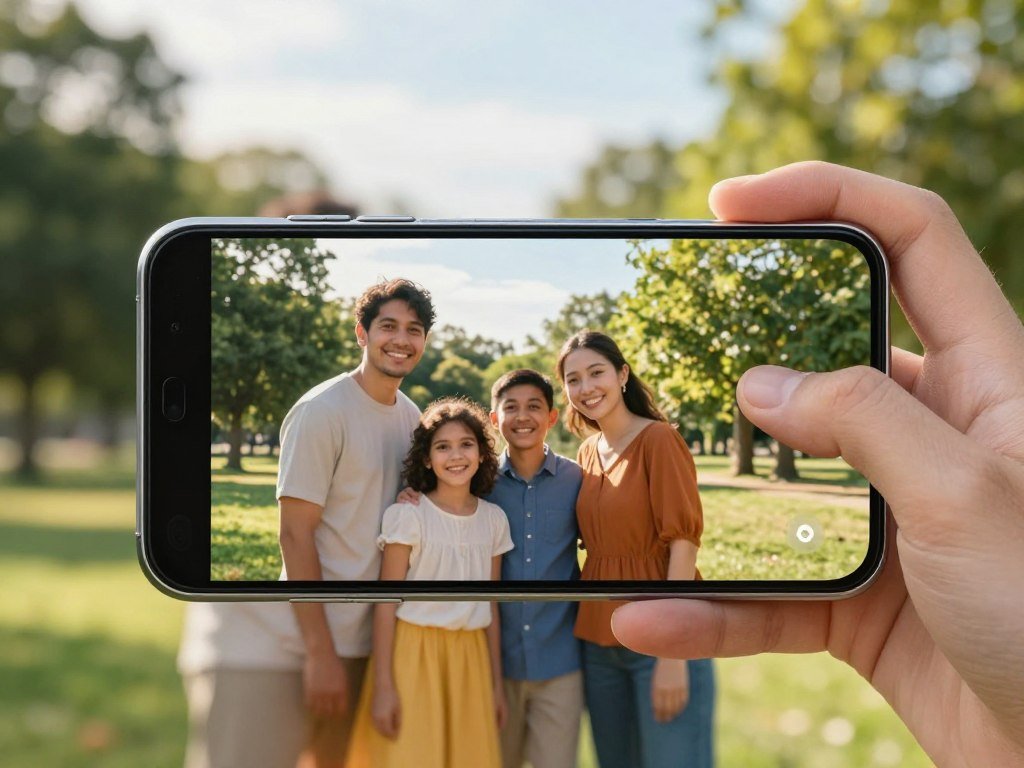
Google Pixel 11 Pro for effortless everyday shots
CNET names the Google Pixel 11 Pro and 11 Pro XL its best Android camera phones for most people in 2026. It rates them 8.0 and lists them at $1,299. The Pixel Pro models fit buyers who want to point, shoot and move on.
That simple approach can help when you take quick photos of people, pets or meals. You do not need to pick a lens for every scene, and the camera system handles much of the work for you.
Samsung Galaxy S26 Ultra for a broader zoom range
The Samsung Galaxy S26 Ultra suits you if you value a dedicated ultrawide and two telephoto options. Those views give you more choice when framing a landscape, a portrait or a distant subject.
Megapixel counts alone do not prove which phone produces better photos. Your results depend on the full camera system, including the lens, sensor and image processing. Match the phone to the lenses you will actually use, not just the largest number printed on its camera specification.
Should You Choose the iPhone 18 Pro or Pro Max?
Choose the iPhone 18 Pro if a smaller handset matters more than the larger Pro Max body. The two Apple models share their rear-camera system, so your choice mainly comes down to size and handling.
Both have 48MP wide and ultrawide cameras, plus a 48MP telephoto camera with up to 8x optical-quality zoom. The main camera also has variable aperture, which changes its opening to control incoming light and depth of field.
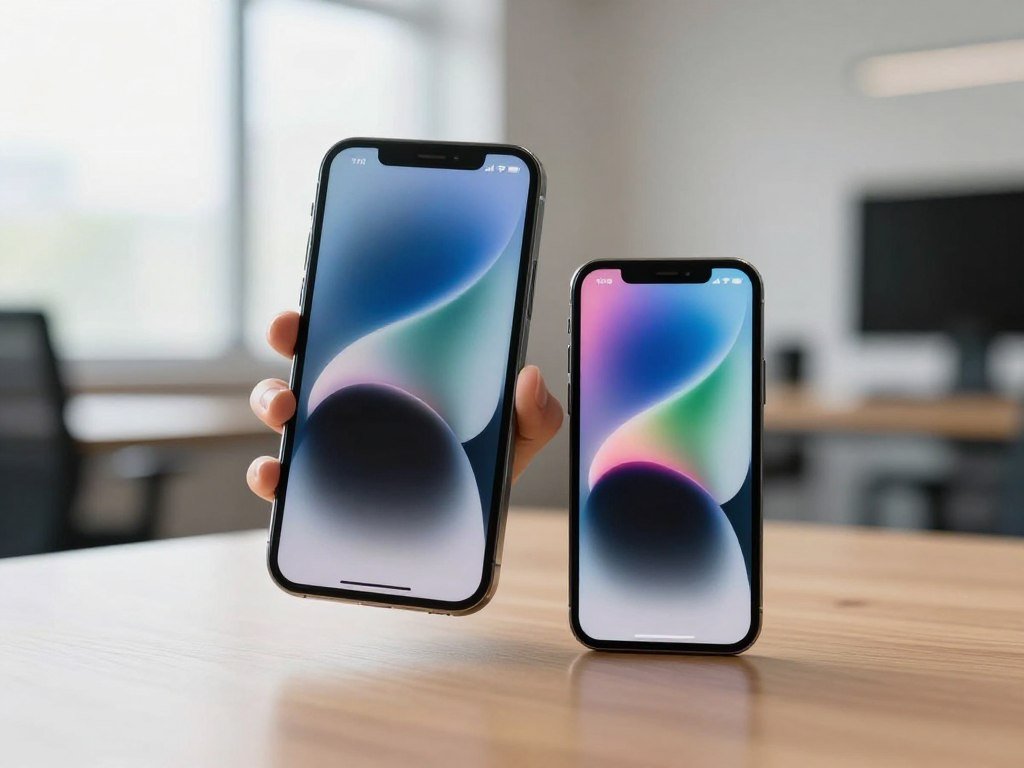
Choose the iPhone 18 Pro for a more manageable size
The iPhone 18 Pro is the choice to consider if you want a more compact body for daily use. It can feel easier to hold with one hand while you frame a quick picture or carry it through a long day.
Variable aperture gives you more control over light and how much of a scene stays in focus. Most people can leave the camera in automatic mode and let the phone choose its settings.
Choose the iPhone 18 Pro Max for a larger body
The iPhone 18 Pro Max weighs 249 grams. Its larger body is worth considering if you prefer a bigger display or a phone that feels roomier in your hands, though the weight may matter during long photo sessions.
The iPhone camera comparison covers how the Pro sizes suit different photo and video habits. Hold both sizes in person if one-handed use or carrying the phone for long photo sessions matters to you.
Which Camera Phone Is Best for Video?
For video-first buyers, the iPhone 18 Pro Max is the clearest choice in this lineup. Its steady footage across the main, ultrawide and telephoto lenses makes it a practical pick when you switch views while filming.
Stabilization across all three lenses matters more than one impressive still-photo zoom result. The iPhone 18 Pro Max also has a 48MP variable-aperture main camera.

Trusted Reviews names the iPhone 18 Pro Max its best phone for video capture in 2026. Stable footage helps when you walk, pan across a scene or record a moving subject without a tripod.
Judge video separately from still-photo zoom. A phone may capture distant subjects well in a still image but produce softer or less stable clips. The Oppo Find X9 Ultra’s videos are somewhat soft across the board, so it is not the video pick here.
Think about your usual clips, too. A family video, a stage performance and a travel montage put different demands on focus, lens changes and steady framing. A camera that behaves well across its lenses gives you more room to react.
If you regularly switch lenses while recording, prioritize consistent stabilization across each lens over a headline resolution alone.
Which Phones Have the Most Useful Optical Zoom?
The Oppo Find X9 Ultra reaches farthest in this group, while Samsung gives US buyers two dedicated telephoto cameras. Optical zoom uses a physical lens, while digital zoom enlarges a crop of the image.
Dedicated telephoto lenses give you useful reach without relying only on digital zoom. The right range depends on whether you shoot portraits, sports, wildlife or events from the back of a room.
| Phone | Dedicated telephoto options | Practical strength |
|---|---|---|
| Samsung Galaxy S26 Ultra | 3x and 5x | Two dedicated telephoto views |
| iPhone 18 Pro | Up to 8x optical-quality zoom | Flexible crop reach |
| Oppo Find X9 Ultra | 3x and 10x periscope cameras | Long-distance optical reach |
Samsung and Apple cover common zoom needs
The Samsung Galaxy S26 Ultra has separate 3x and 5x telephoto cameras for two common shooting distances. The iPhone 18 Pro offers up to 8x optical-quality zoom, which gives you added crop reach without a second long-range lens.
Oppo Find X9 Ultra reaches farther optically
CNET names the Oppo Find X9 Ultra its ultimate zoom champion for 2026. Its 3x and 10x periscope cameras are designed for distant subjects, and its DXOMARK camera test describes strong long-range zoom detail.
The Oppo Find X9 Ultra is not sold in the United States, so US buyers should treat it as an import option rather than a routine local purchase. For wildlife, sports or stage photos, check the focal lengths you use most rather than assuming digital zoom will preserve detail.
Can You Buy a Specialist Camera Phone in the US?
The Xiaomi 17 Ultra is the specialist option to consider for mechanical zoom, but US buyers face an import decision. Its camera hardware targets photography fans who want flexible lens reach and a large main sensor.
Xiaomi does not officially sell its smartphones in the United States. The Xiaomi 17 Ultra could be imported in 2026, but an import does not promise local warranty, repair or software support.
Xiaomi 17 Ultra uses mechanical optical zoom
The Xiaomi 17 Ultra has a 1-inch 50MP main sensor, a 200MP telephoto camera and a 50MP wide-angle camera. Its mechanical zoom moves from 3.2x to 4.3x, with zoom coverage from 2x to 8.6x.
A large main sensor is designed to capture more light, while mechanical movement helps vary the telephoto view. These features may appeal if you enjoy choosing framing and exploring camera settings rather than relying on a simple automatic shot.
Leica Leitzphone is a specialist import
The Leica Leitzphone by Xiaomi is positioned as a photography-focused pick, but it is not sold in the United States. Treat it as a specialist import, not a phone with assured US service.
Before importing either model, check carrier compatibility, warranty coverage, repair options and software support. Confirm network bands and repair options before paying for any imported handset.
How Should You Read DXOMARK Camera Scores?
The iPhone 18 Pro leads this listed DXOMARK set at 172, one point ahead of the vivo X300 Pro. That lead is narrow, and it does not make the phone the right choice for every shooting style.
The iPhone 18 Pro has the highest score in this set. DXOMARK combines results from protocol versions 5 and 6, and scores from those versions are not directly comparable.
The listed scores descend as follows: iPhone 18 Pro, 172; vivo X300 Pro, 171; Oppo Find X9 Ultra and vivo X300 Ultra, 170 each.
The Google Pixel 11 Pro XL scores 168. The Xiaomi 17 Ultra and Oppo Find X9 Pro each score 166, while the Samsung Galaxy S26 Ultra scores 157.
These numbers summarize lab and photo-test results, not every real-life scene. Your choice should still account for video, zoom, handling and operating system.
Read the DXOMARK protocol version limits before comparing scores across its test methods. Treat a score as one comparison tool, not a substitute for matching a phone to your own shooting priorities.
Which Phones Handle Night Scenes and Moving Subjects?
Night scenes and fast action reward different camera strengths, so choose for the scene you expect to shoot. Low-light photos need enough light and clean processing, while moving subjects need quick focus and capture.
A high megapixel count alone cannot promise a sharp night photo or a frozen action shot. Sensor size, lens choice and autofocus all affect the result.
Low-light results depend on sensor size and lens choice
The Pixel 11 Pro XL is a practical point-and-shoot option that captured solid photos and videos day and night. It suits you if you want one camera experience for both bright streets and evening scenes.
The Honor Magic 8 Pro has a 200MP 3.7x telephoto camera that focuses as close as 14cm, a design that can help with close subjects in low light. The Honor Magic 8 Pro is not available in the United States, so it is not a locally sold option for US shoppers.
Tracking and fast capture help with action
The iPhone 18 Pro’s Focus Tracking keeps moving subjects in focus for photos and videos. That can help when a child runs across a park or a dog suddenly changes direction.
- Try a moving subject in the camera’s focus area.
- Check whether focus stays on a face or object.
- Review a short video for blur during movement.
For moving children, pets or athletes, test autofocus tracking with the subject in motion rather than judging only from a still sample.
What Is the Best Camera Phone Under $500?
The Google Pixel 10a is the budget pick to start with if you want reliable everyday photos below the flagship tier. It keeps the camera experience simple, without asking you to spend for a premium model.
The Pixel 10a gives you both wide and ultrawide views, plus 4K video recording. Its 48MP wide camera handles general scenes, while the 13MP ultrawide camera takes in more of a room or landscape.
Trusted Reviews names the Google Pixel 10a its best budget camera phone in 2026. That makes it a strong starting point if you mainly take family, travel and daily-life photos.
The Nothing Phone 4A Pro is another affordable option. CNET names it the best affordable camera phone for 2026 and rates it 8.0, though its price is not listed here.
If you are weighing camera quality against other everyday features, this budget phone comparison covers more choices below $500. The camera trade-off becomes clearer when you compare your usual photos with the models’ actual samples.
Compare sample photos from the main and ultrawide cameras before deciding whether the extra view is worth more than a dedicated zoom lens.
Which Camera Phone Works Best Under $200?
The Samsung Galaxy A17 5G is the clearest US sub-$200 option in this set, with the CMF Phone 1 as another camera-focused Android choice. At this price, expect a useful everyday camera rather than flagship-level results.
The Galaxy A17 5G pairs three rear cameras with a six-year support commitment. The query’s 20,000 threshold depends on currency and market; for US shopping, compare under-$200 models directly instead of assuming a currency conversion.
| Model | Camera setup | Useful buying context |
|---|---|---|
| Samsung Galaxy A17 5G | 50MP wide, 5MP ultrawide, 2MP macro | 6-year support |
| CMF Phone 1 | Android Central’s under-$200 camera pick | Value-focused alternative |
| 2026 Moto G | 50MP main, 2MP macro, 32MP front | Higher-resolution selfie option |
CNET names the Samsung Galaxy A17 5G its best phone under $200 for 2026 and rates it 6.4. PCMag describes its cameras as good for the price and notes its six-year support commitment.
Android Central names the CMF Phone 1 its best-camera pick among Android phones under $200. The 2026 Moto G offers a 32MP front camera, which may suit you if selfies matter more than extra rear-camera options.
At this budget, confirm carrier compatibility and software-support length before choosing by camera hardware alone.
Do More Megapixels Mean Better Photos?
More megapixels can preserve more detail in favorable conditions, but they do not guarantee the best-looking photo. Resolution is only one part of camera performance.
Sensor size, lens quality, autofocus and image processing all shape the final result. A 200MP headline on the Samsung Galaxy S26 Ultra cannot settle a purchase by itself.
Resolution tells you how much detail an image can hold
Megapixel count describes image resolution, or how many pixels make up a photo. More pixels can help retain detail in bright conditions, especially when you crop or enlarge an image.
They do not tell you how well a camera focuses, handles bright skies or records skin tones. A high-resolution file can still look soft or noisy if the lens and sensor struggle.
Sensor size and processing shape the final result
Sensor size affects how much light a camera can capture. Computational processing can also change exposure, color and detail after you press the shutter.
Apple and Google both use software processing as part of their camera systems. Compare sample images for these four signs:
- Fine detail in hair, leaves and fabric
- Natural-looking skin tone
- Highlights that retain detail in bright areas
- Noise in dim light
Compare real sample images at normal viewing size as well as enlarged crops.
Which Camera Software Makes Better Photos Easier?
If you want the phone to coach and edit for you, the Google Pixel 10 Pro is a useful example of a software-led camera experience. Guided tools can help you improve a shot without learning every setting first.
The Pixel 10 Pro pairs Camera Coach with AI-assisted photo editing. It also has a 42MP autofocus selfie camera, which helps keep your face clear while you frame a shot.
Camera Coach guides users during shooting, and editing assistance can help adjust a photo afterward. These tools fit people who want suggestions and quick fixes instead of a fully manual workflow.
If you prefer direct manual controls, check how easily the camera app lets you set exposure or move between lenses. iOS and Android offer different camera-app and editing workflows, so your habits matter as much as the feature list.
- Check how quickly the camera opens from the lock screen.
- Try switching between the available lenses.
- Find the exposure controls without hunting through menus.
Open the camera app in a store and check whether its controls feel intuitive before committing to an ecosystem.
How Much Do Battery Life and Support Matter for Camera Use?
A camera phone that runs out of power during a day of photos is less useful, even if its images are excellent. Battery life and charging speed are different: endurance determines how long you shoot, while charging affects how quickly you can top up.
In CNET’s 2026 testing, the iPhone 18 Pro Max added 77% battery in 30 minutes of charging. A fast top-up helps during a busy day, but it does not replace strong battery life.
Charging speed matters during long shooting days
If you record clips, use navigation and take photos for hours, you may need to recharge before the day ends. Check both endurance reviews and wired charging speed, since one number cannot describe the whole experience.
The iPhone camera model comparison also considers how the Pro sizes differ for daily use. A quick charge can help when you have a short break, while better endurance reduces the need to find an outlet.
Software support affects how long a phone stays current
The Google Pixel 10a has seven years of OS, security and Pixel feature-drop updates. The Oppo Find X9 Ultra is eligible for about five major software upgrades.
Use these checks when comparing phones you plan to keep:
- Battery endurance reviews for your kind of use
- Wired charging speed for quick top-ups
- Length of security support
Check the support period as well as battery performance if you plan to keep the phone for several years.
What Should You Check Before Buying a Camera Phone?
Before buying, make sure the phone fits how you shoot, where you will use it and how long you plan to keep it. A good match covers your operating system, storage needs and local support, not just image quality.
Check the exact US model number, storage size and carrier fit before you order. An import may lack the network support, warranty or repair route you expect.
- Choose iOS or Android based on the apps and devices you already use.
- Pick the lenses you will use most, such as ultrawide or telephoto.
- Match storage to your photo and video habits.
- Confirm carrier compatibility for the US model.
- Check whether warranty and repairs are available locally.
Common storage sizes include 128GB, 256GB, 512GB and 1TB. Large video libraries can fill space quickly, especially if you record lots of high-resolution footage.
A 128GB model may suit a lighter shooter who mostly takes photos and uses cloud storage. If you record long clips or keep files on the phone, a larger storage size gives you more room.
A phone with a strong camera is a poor buy if it cannot connect to your carrier or get local repairs.
Confirm the exact storage and US model number on the final listing before placing an order.
Conclusion
For an all-round US pick, start with the iPhone 18 Pro, then switch to Samsung, Pixel or the Pro Max when a specific strength matters more. Your usual photos should guide that choice, not a single camera number.
The Samsung Galaxy S26 Ultra suits Android buyers who want more zoom flexibility. The Google Pixel 10a is a practical pick for a tighter budget, while the iPhone 18 Pro Max fits video-first use.
Choose the best fit from your top two, compare their actual photo samples and confirm the exact US model before buying.
FAQ
Whose camera quality is better, iPhone or Samsung?
The iPhone 18 Pro is the safer pick for balanced photos and video, while the Samsung Galaxy S26 Ultra offers more dedicated telephoto reach. The iPhone suits you if you want a consistent camera experience across everyday photos and clips. Samsung gives you a broader multi-camera setup, with separate telephoto views for different distances. Compare sample photos of your usual subjects before deciding.
Which phone has the best camera?
The iPhone 18 Pro is the best camera phone for most US buyers in this lineup. Choose the Samsung Galaxy S26 Ultra if you prefer Android and a flexible set of camera views. The iPhone 18 Pro Max is the stronger choice for video-first use. Your preferred operating system, phone size and main shooting habits can make one model a better fit than the overall pick.
Which is the No. 1 camera brand?
Apple is the straightforward all-round camera brand for most US buyers. Samsung is a strong Android choice if you want more dedicated telephoto options, while Google Pixel suits people who prefer simple point-and-shoot photos. The best brand for you also depends on the phone system you already use, the controls you like and how the camera handles your everyday subjects.
What’s the highest megapixel camera phone?
The Samsung Galaxy S26 Ultra has a 200MP main camera among the models compared here. That high resolution can hold detail in good conditions, but it does not settle overall photo quality. Sensor size, lens quality, autofocus and image processing also shape the result. Check full-size sample images and crops, especially if you often shoot indoors or in dim light.
Should I choose a phone with more megapixels?
Choose a higher-megapixel phone only when its full camera system performs well for your needs. Resolution can preserve detail, but sensor size affects light capture, and lens quality affects sharpness. Autofocus and processing also matter. Compare sample images of people, bright scenes and dim rooms, then check whether the phone focuses quickly and keeps detail at the sizes you usually share.