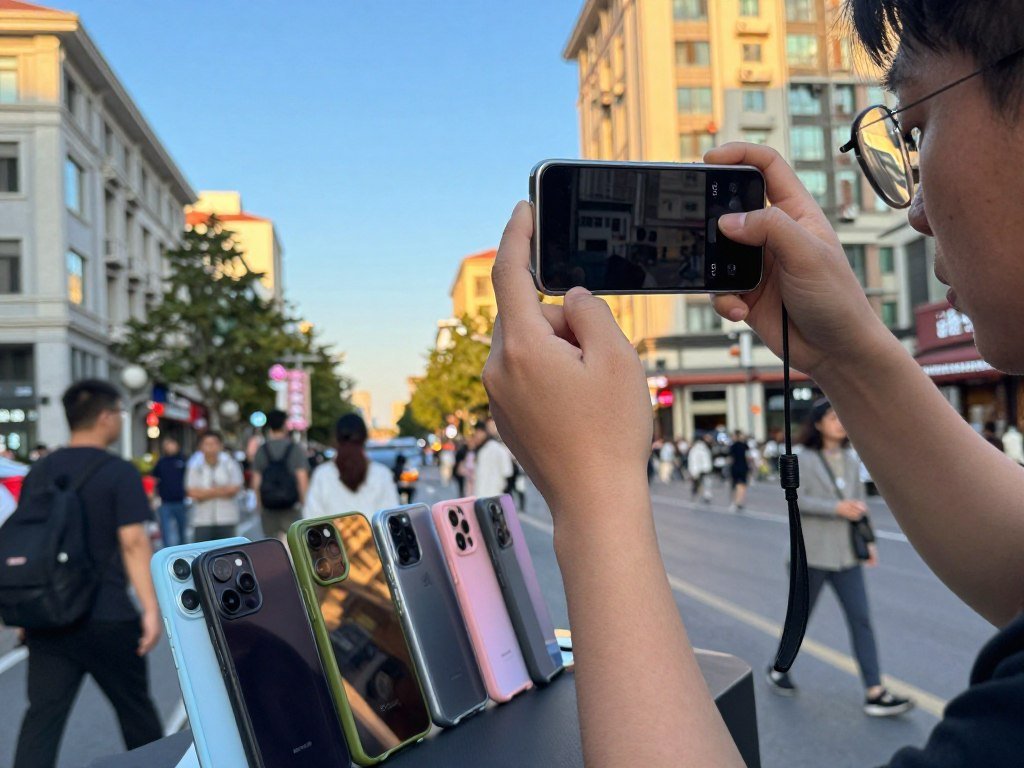
The best pick depends on whether you mostly want dependable everyday photos, long-range zoom, or more hands-on control. Your budget matters, too, since a premium camera system costs more than a basic phone. These picks cover everyday photos, distant subjects, enthusiast controls, and lower-cost options for different people.
A high megapixel count alone does not guarantee the best image. Lens choice, sensor size, light, and software processing all shape your results. Computational photography is software processing that combines or adjusts image data to improve a photo or add camera features.
You will find options for quick snapshots and tools for people who like to adjust settings. The goal is to help you choose a phone that fits how you take photos, rather than chase one headline feature.
Key Takeaways
- Choose based on the subjects you photograph most often.
- Look for the lenses and controls you will use.
- Longer zoom reach can help with sports and distant scenes.
- Experienced photographers may prefer hands-on controls and editing options.
- Lower-cost models can work well for everyday photos.
- Set a budget before comparing models, then shortlist the features you will actually use.
What camera features matter in real use?
A useful camera setup covers the scenes you shoot, not simply the largest number printed on the box. Start with lens choice, then compare how each phone handles light, motion, and video.
The right features depend on your usual subjects and lighting. A main camera frames everyday scenes, while an ultrawide camera fits more into a tight space. A telephoto lens brings distant subjects closer through its physical lens.
Match lenses to the scenes you shoot
Main smartphone cameras are typically about 24-26mm equivalent, a standard view for people and street scenes. Ultrawide cameras are typically about 13-16mm equivalent, which can fit a room or broad landscape.
A telephoto lens helps frame distant details without moving closer. Optical zoom means magnification from the camera’s physical lens. Digital zoom makes a tighter crop or processed enlargement, while optical-quality zoom aims to look like optical zoom.

Look beyond megapixels
A larger sensor can collect more light, but the lens and software affect the final result. Image stabilization reduces shake in photos or video. Check whether the phone steadies moving footage, and whether its video mode gives you useful controls.
| Feature | What to check | A practical test |
|---|---|---|
| Main camera and low light | Sensor size and night mode | Photograph a dim room |
| Ultrawide framing | Edge detail and distortion | Frame a small room |
| Telephoto and optical zoom | Lens reach and image detail | Photograph a distant sign |
| Moving-subject focus | Focus speed and tracking | Photograph a running person |
| Video stabilization and controls | Steady footage and settings | Record while walking |
Compare photos at the same framing and in the lighting you usually encounter.
High megapixel counts can help retain detail in some conditions, but they cannot promise a better photo on their own. The CIPA stabilization measurement standard describes a way to test optical stabilization performance.
Compare results at the same framing and in the lighting you usually encounter.
How to Choose the Best Camera Phone for Your Needs
For most people, start with the iPhone 18 Pro for everyday flexibility, then switch to Samsung for reach or Xiaomi for more involved photography. Match the phone to your habits, not a single score or spec.
The best camera phone for you is the one whose strengths fit your regular subjects. The four picks below cover common needs across the flagship range, from easy snapshots to deeper camera control.
Four strong picks for different shooting styles
- iPhone 18 Pro: everyday photos, video, and creator tools.
- Galaxy S26 Ultra: longer zoom reach for distant subjects.
- Google Pixel 11 Pro: easy all-around Android photography.
- Xiaomi 17 Ultra: hands-on shooting for experienced photographers.
These are use-case recommendations, not a single best-to-worst ranking. Your default choice should reflect whether you value quick results, lens reach, or control over the final image.
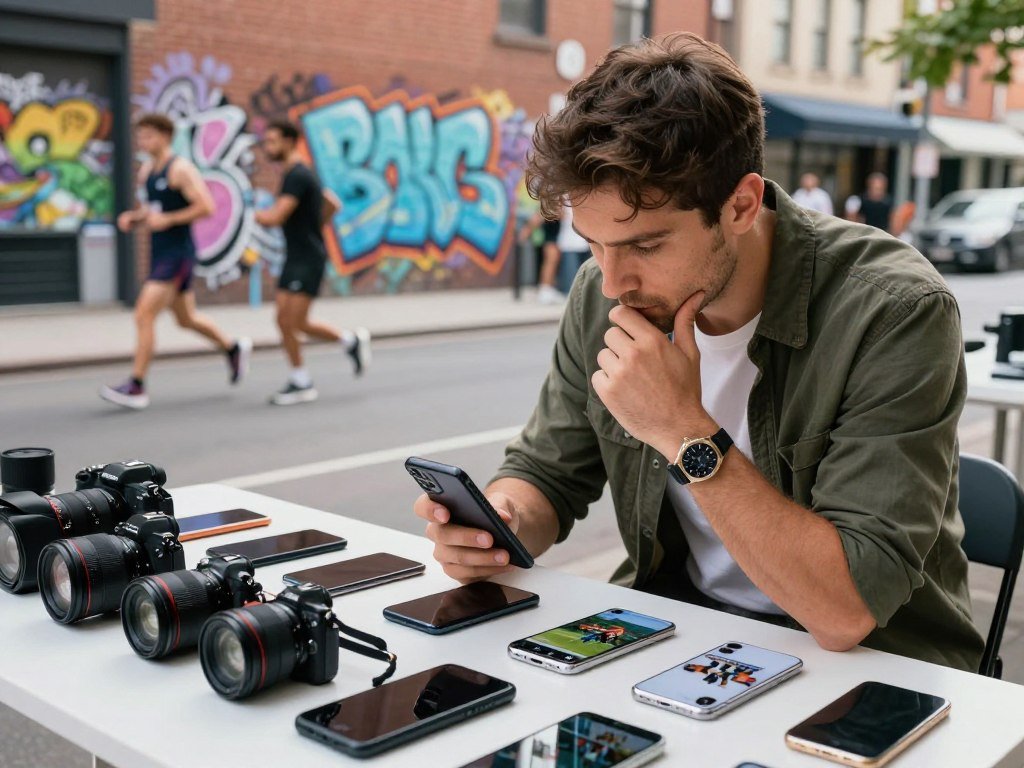
How to treat older-year roundups
The 2026 GSMArena category picks name the Oppo Find X9 Ultra as its camera-phone pick and the iPhone 18 Pro Max as its flagship-phone pick. Those category labels differ from this article’s use-case recommendations.
The best camera phone in 2024 or the best camera phone in 2022 was a year-specific snapshot. A top 10 best camera phones in 2025 list is also a record of that year, not a current 2026 recommendation.
Older rankings can still help you understand a model’s original place in the market. Check the exact model and how it fits your needs today, rather than assuming its old ranking still applies.
Phone cameras can change a lot between generations, especially in processing, focus, and lens choice. The camera system should feel useful in the situations you face, not just impressive on paper.
Keep the shortlist to models whose strengths match subjects you photograph often.
How do DXOMARK camera scores compare?
The iPhone 18 Pro leads these listed DXOMARK results at 172 camera points, with the vivo X300 Pro next at 171. That one-point gap is small, and does not prove every photo will look different.
Use the score as one benchmark, not a complete buying verdict. DXOMARK tests camera systems across set tasks, which can help compare results under similar conditions.
| Model | DXOMARK camera points | What the score can help compare |
|---|---|---|
| iPhone 18 Pro | 172 | Overall camera test results |
| vivo X300 Pro | 171 | Overall camera test results |
| Oppo Find X9 Ultra | 170 | Overall camera test results |
| vivo X300 Ultra | 170 | Overall camera test results |
| Google Pixel 11 Pro XL | 168 | Overall camera test results |

The Xiaomi 17 Ultra scores 166, while the Samsung Galaxy S26 Ultra scores 157. The Google Pixel 11 scores 154, and the Xiaomi 15T Pro scores 149.
A best camera phone in 2026 can mean the strongest measured result or the best fit for your photos. The best camera phone in 2025 by DXOMARK belongs to a different year’s comparison.
DXOMARK’s 2025 comparison and current rankings combine Camera test protocols versions 5 and 6. The version 5 and 6 methods changed, so their scores are not directly comparable.
A small point gap does not prove a visible difference in every photo. Light, subject movement, framing, and your preferred color style can matter more in daily use.
Treat a score as one comparison aid, then choose based on the scenes and controls that matter to you.
Which phone has the strongest zoom, iPhone 18 Pro or Galaxy S26 Ultra?
For longer zoom reach, the Galaxy S26 Ultra has the edge; the iPhone 18 Pro offers a true 4x optical view and a cropped 8x option. Choose Samsung for more reach, not because its maximum zoom promises clean detail.
The Galaxy S26 Ultra suits people who prioritize multiple telephoto views. The iPhone 18 Pro suits people who want its 4x optical view and an 8x preset made from a crop.
| Model | Rear camera coverage | Zoom detail | US price |
|---|---|---|---|
| Galaxy S26 Ultra | 23mm, 13mm, 69mm, 115mm | 3x and 5x optical; up to 100x digital | $1,300 |
| iPhone 18 Pro | Wide, ultrawide, 4x telephoto | 4x optical; cropped 8x preset | $1,199 |

Samsung offers more physical reach
The Samsung Galaxy S26 Ultra has a 200MP, 23mm main camera and a 50MP, 13mm ultrawide camera. Its telephoto cameras include 10MP at 69mm with 3x zoom and 50MP at 115mm with 5x zoom.
The front camera is 12MP at 23mm. The S26 Ultra also offers 2x and 10x optical-quality zoom, alongside its 3x and 5x optical views. Optical-quality zoom is a crop or software result designed to resemble optical zoom.
Samsung lists a maximum of 100x digital zoom, but that number does not mean a sharp optical image. Around 30x, photos can be more or less decent depending on the image.
iPhone zoom has a different limit
The iPhone 18 Pro has three 48MP rear cameras: wide, ultrawide, and 4x telephoto. Its front camera is 18MP. The 8x view crops the 48MP telephoto sensor to produce a 12MP image.
At 4x, the iPhone uses true optical zoom. In the comparison, it offers an 8x preset, while the Samsung Galaxy S26 reaches 10x optical-quality zoom.
The Galaxy S26 Ultra’s $1,300 price is higher than the iPhone 18 Pro’s $1,199 price. A photographer who shoots sports or uses extreme digital zoom may prefer the S25 or S26 Ultra.
If you often photograph moving subjects, try the zoom at the distance you expect to use before committing to a phone.
Which phone handles everyday photos and video best?
For everyday photos and video, the iPhone 18 Pro is the most balanced recommendation here, while the Pixel 11 Pro is a compelling Android alternative. Pick the Pixel for easy results and a dedicated 5x telephoto lens.
The iPhone 18 Pro suits everyday shooters and creators who want broad camera controls. The Pixel 11 Pro is a strong choice if you prefer Android and a triple-camera setup.
iPhone 18 Pro for a flexible creator setup
The iPhone 18 Pro has three 48MP rear cameras and a variable aperture from f/1.48 to f/4. It also offers manual controls and ProRAW for photographers who edit their files.
Its 8x view is a crop, not true optical zoom. The iPhone 18 Pro Max is the 2026 flagship-phone category pick, with 4K recording across lenses, ProRes, Log, and stabilization.
This iPhone camera comparison can help you weigh camera controls against your preferred shooting style.
Pixel 11 Pro for easy point-and-shoot results
The Pixel 11 Pro has 50MP wide, 48MP ultrawide, and 48MP telephoto cameras. Its telephoto lens offers 5x optical zoom, and its front camera has 42MP.
It records video up to 8K at 30fps and has a 6.3-inch display, a 4,850mAh battery, and Qi2-certified wireless charging. The standard Pixel 11 also has a dedicated telephoto camera.

Google Pixel phones suit people who want to point, shoot, and get a finished-looking photo without adjusting many settings. The Pixel 11 Pro camera details list its rear lenses and video options.
Choose the Pro Max only if its creator-focused format options and larger body suit the way you work.
Which phones give experienced photographers more control?
Photographers who like choosing focal lengths and shaping files in editing should start with the Xiaomi Ultra models. The Xiaomi 17 Ultra favors reach, while the Xiaomi 15 Ultra has a different lens that may suit some styles.
Choose a specialist camera system only if you will use its extra lenses and modes. More control can help you shape a photo, but it can add steps to a quick snapshot.
Xiaomi for lens choice and optical range
The Xiaomi 17 Ultra offers 75-100mm optical zoom. It does not have the Xiaomi 15 Ultra’s floating 70mm f/1.8 lens, which can make the older model a better fit for photographers who value that view.
The photographer recommendation includes both the Xiaomi 15 Ultra and Xiaomi 17 Ultra. Their different lens behavior matters more to an experienced user than a longer list of camera modes.
vivo and Oppo for high-end alternatives
The vivo X300 Pro and vivo X300 Ultra are high-end alternatives. Both score at least 170 points in the listed DXOMARK ranking, though those points cannot tell you which camera controls feel best.
The Oppo Find X9 Ultra is the 2026 camera-phone category pick. You may favor it if its camera handling suits your style, while the vivo models add other premium options.
Specialized lenses and modes repay experimentation, especially when you plan to edit your photos. A complex camera system may not make everyday snapshots easier, particularly when you need a quick shot.
Consider how the focal lengths fit your subjects, and whether manual options help you get the look you want. Your editing habits matter as much as the camera’s menu.
Select the system whose focal lengths and controls you will actually use, not the one with the longest specification list.
What are the strongest lower-cost camera phone picks?
For a more affordable camera phone, the Xiaomi 15T Pro is the camera-focused option, while the Pixel 10a is an appealing everyday choice. Choose by the camera you need, not just by the name on the box.
The Xiaomi 15T Pro is the value pick for buyers who want a more camera-focused setup. The Pixel 10a and Galaxy A37 offer simpler choices for everyday shooting.
Xiaomi 15T Pro for a more complete camera setup
The Xiaomi 15T Pro scores 149 DXOMARK camera points. That makes it a useful option to consider if you want more camera focus without moving to the top flagship tier.
Here are three lower-cost models to compare:
- Xiaomi 15T Pro: consider it for a more complete camera setup.
- Pixel 10a: consider it for straightforward everyday photography.
- Galaxy A37: consider it for a basic phone with a 50MP main camera.
Pixel 10a and Galaxy A37 for simpler everyday shooting
The Pixel 10a is a practical fit if you want an easy camera for routine photos. Its battery capacity is 5,100mAh, which may matter if you often take photos throughout the day.
The Galaxy A37 has a 50MP main camera. A high pixel count alone does not tell you how its photos will look in dim light or with moving subjects.
A best Android camera phone in 2025 or a GSMArena 2025 roundup is not automatically the best value in 2026. Those lists reflect a past year, so compare the exact model with your needs now.
The Poco X8 Pro has no dedicated zoom camera. The Poco X8 Pro Max has a 50MP main camera but no dedicated telephoto camera, a clear tradeoff if distant subjects matter.
Know what you give up on zoom
Lower-cost camera phones may lack a separate zoom lens, so distant details can lose quality as you crop tighter. The right tradeoff depends on whether you mostly photograph people nearby or subjects across a field.
Actual prices depend on storage, retailer, and current promotions. A lower starting price may also come with less storage, so compare the setup you will actually buy.
This guide to budget phones compares value options by camera, battery, and other daily needs.
Check the current price and storage configuration before treating any model as the better value.
Can a camera phone replace a dedicated camera?
A camera phone can replace a dedicated camera for many everyday scenes, but it is not always the easier tool for distant or fast-moving subjects. Phones are easy to carry, while a viewfinder can help you aim and steady a dedicated camera.
A phone’s large screen does not work like a viewfinder held to your eye. A dedicated camera can feel steadier in your hands when you need to track a small subject.
The vivo X200 Ultra with an external zoom lens and the Nikon D3400 show two different ways to shoot. Neither is the right tool for everyone.
Birds are small, distant, and quick to move, so you must aim and focus with care. Holding a phone out in front of you can make both tasks harder.
A long external lens can add reach, but it may catch the wind and add sway. That movement makes it harder to keep a distant subject centered and sharp.
For video work, a phone may be enough for casual clips or simple posts. A dedicated camera can offer a viewfinder, lens options, and hands-on controls when a phone’s handling gets in your way.
A guide to cameras for vlogging can help you think through when a phone is enough for filming.
For wildlife or other demanding long-lens work, keep a dedicated camera in the bag if getting the shot matters more than traveling light.
How should you test a camera phone before buying?
A useful camera-phone test recreates the light, subjects, and movement you expect to photograph. Try your own scenes, since a quick store demo may not show how the phone handles your daily photos.
Test the camera, display, storage, and one-handed grip before you choose. A week of hands-on use and 150-200 sample photos gives a reviewer more to judge than a brief first impression.
Try the photos you take most
- Photograph a familiar everyday scene.
- Test a distant subject at several zoom steps.
- Try to photograph a moving subject.
- Record a short video while walking.
- Inspect framing, storage, and one-handed handling on the display.
Use the same kinds of scenes you shoot at home, work, or outside. Check whether the phone keeps focus on moving subjects and whether its video stays watchable as you walk.
Check video, storage and battery needs
The Galaxy S26 Ultra has a 6.9-inch QHD+ Dynamic AMOLED 2X display with a 120Hz refresh rate. Its large screen can help with framing, but it may feel wide when you use the phone one-handed.
It has a 5,000mAh battery, 12GB RAM, and 256GB, 512GB, or 1TB storage options. Check the capacity that fits your files, and see whether the battery suits your day.
A review based on a week of use and 150-200 sample photos offers more context than a quick first impression.
Pay attention to how quickly you can reach camera controls and switch lenses. A phone may have capable tools, but they matter less if the grip or menu slows you down.
Make your final choice after checking that the phone feels comfortable and the files fit the way you shoot.
Conclusion
Match the phone to the subjects you photograph most, not just the biggest camera specification. Everyday shooters can start with the iPhone 18 Pro, zoom-focused buyers with the Galaxy S26 Ultra, and experienced photographers with Xiaomi’s Ultra line.
A score or megapixel count alone cannot settle the choice. Light, lens reach, controls, and handling all shape the photos you bring home.
Before buying, test your top two choices with the same scene and zoom level.
FAQ
Which camera is best on mobile?
The iPhone 18 Pro is the best balanced mobile camera for everyday shooting. Its three rear cameras and manual controls suit a wide range of photos and video. Choose the Galaxy S26 Ultra if longer zoom reach matters most. The Pixel 11 Pro is a strong Android choice when you want easy point-and-shoot results and a dedicated 5x optical telephoto lens.
Which camera is best, Samsung or iPhone?
The iPhone 18 Pro is the better balanced pick for everyday photos and video, while the Galaxy S26 Ultra suits longer zoom. Samsung gives you 3x and 5x optical telephoto cameras, plus extra zoom options. The iPhone offers a true 4x optical view and an 8x crop. Your choice depends on whether you value reach or a flexible everyday setup more.
What brand has the best camera quality?
Apple is a strong choice for balanced everyday photos, Samsung for longer reach, and Google for point-and-shoot processing. No brand wins for every subject or photographer. The iPhone 18 Pro offers a flexible camera system, the Galaxy S26 Ultra has several telephoto views, and the Pixel 11 Pro aims for easy Android photography. Compare sample photos of subjects you often shoot.
What’s the highest megapixel camera phone?
The Galaxy S26 Ultra has a 200MP main camera among the models in this roundup. That number describes how many pixels the camera can capture, not the full quality of each image. Lens quality, sensor size, light, and software processing also matter. A phone with fewer megapixels can still make a better photo in a given scene.
Does a higher megapixel count guarantee better phone photos?
No, a higher megapixel count does not guarantee better phone photos. The sensor, lens, image processing, and available light also shape the final result. More pixels may help retain detail in some conditions, but they cannot fix poor focus or a dim scene. Compare real photos at the same framing before deciding which camera looks better to you.
Is optical zoom better than digital zoom on a phone?
Optical zoom uses a physical lens to magnify a subject, while digital zoom crops or processes the image. Optical zoom usually keeps more detail at its intended lens range. Digital zoom can still produce useful results, but quality depends on the phone and zoom level. A high maximum zoom number does not mean every distant photo will look clear.