A free horror game can be a ten-minute mood piece, a full campaign, or a tense night with friends. The best free horror games help you match a scare to your plans, whether you have an hour or the whole evening. Sound can make a quiet room feel less safe, while a group game turns every pause into a chance for suspicion.
Free access does not always mean the same thing. Some listings offer a complete game, while others give you only an opening chapter or episode. This list helps you choose by available time, the kind of fear you enjoy, and whether you want to play alone or with others.
You will find group scares, story-led mysteries, survival horror, and short atmospheric games. Each pick has a different feel, so consider what sounds fun before you start downloading. A tense voice chat with friends asks something different from a quiet solo session.
Check whether a listing offers the complete game before setting aside a full evening.
Key Takeaways
- Choose SCP: Secret Laboratory for chaotic group play.
- Try Deceit 2 when bluffing and suspicion sound fun.
- Pick Cry of Fear for a full free campaign.
- Dark Deception offers a free first chapter, not its full series.
- We Went Back is a complete free game with an about-hour play time.
- Check each Steam listing to see exactly what is free.
Which Are the Best Free Horror Games for Group Play?
For a group that wants the most flexible starting point, choose SCP: Secret Laboratory; pick Deceit 2 when bluffing and suspicion are the main draw. Social deduction is a multiplayer format in which players use conversation and clues to identify who is deceiving the group. Both games are free Steam games in 2026.
SCP: Secret Laboratory is the top all-around group pick among free Steam horror games in 2026. Its chaotic team play suits a lobby that wants noisy, unpredictable matches. The developer’s community-focused setting gives friends a shared horror backdrop, though teamwork can quickly become messy.
| Game | Group format | Free-access scope |
|---|---|---|
| SCP: Secret Laboratory | Chaotic group play | Free Steam game |
| Deceit 2 | Social deduction | Free Steam game |
| Deceit | Multiplayer deception shooter | Free with cosmetic sales |
SCP: Secret Laboratory for chaotic team play
This game is a strong fit when your friends want a shared horror match, rather than a quiet story. The group format puts players in a shifting situation where communication matters. It works best when your party is ready to react together instead of treating every round like a solo challenge.
The chaos is part of the fun, but it can make a first session feel rough. New players may need time to learn how a match flows. Keep expectations light and let the group discover its rhythm without turning every mistake into a debate.
Deceit 2 for social deduction
Deceit 2 makes suspicion central to the game. You listen to other players, weigh clues, and decide who might be lying. That setup rewards friends who enjoy bluffing as much as they enjoy being right.
Deceit is another free multiplayer deception shooter, with cosmetic sales. Its format gives groups a different route into online horror, though it is not the same game as Deceit 2. For the clearest social-deduction choice, start with Deceit 2.
Before the lobby opens, settle four basics:
- Confirm everyone can join the same platform.
- Agree on voice chat.
- Pick a session length.
- Decide whether deception is part of the fun.
Agree on voice chat before launching, since teamwork and deception both depend on clear communication.
Give friends a chance to speak up if they prefer teamwork without bluffing. A group may enjoy chaotic play but dislike accusing one another. That small choice can shape which game feels right.
Is Cry of Fear a Good Full Campaign?
Cry of Fear is the strongest choice here for a full free campaign, and its deserted-town setting keeps the focus on a solitary search for answers. Psychological horror drives the experience, so it suits players who welcome bleak themes. It is a free Steam campaign with both solo and co-op play.
Cry of Fear began as a Half-Life mod and grew into a single-player and co-op horror game. Its story follows a search through a deserted town, with a grim mood that shapes the gameplay. The setting feels built for a player willing to sit with uncertainty.
| Game | Player format | Setting | Scope |
|---|---|---|---|
| Cry of Fear | Single-player and co-op | Deserted town | Full free campaign |
| SCP: Containment Breach Remastered | Survival horror | Containment site | Escape-focused |
| Medusa’s Labyrinth | First-person | Ancient Greek catacombs | Very short game |
A long psychological horror campaign
The draw is more than a string of scares. The story gives you a reason to keep looking for answers, while the deserted streets create a sense of isolation. Players who like horror games with a bleak edge may find the mood as memorable as the threats.
Its subject matter is not a casual fit for every evening. Think about your comfort with dark themes before starting, especially if you want a lighter game. A grim story can be compelling without being the right choice for every player.
Solo tension or co-op sessions
You can play alone or with a friend, so the game can suit different moods. Solo play keeps the focus on one player’s search. Co-op gives you company, but it does not remove the bleak tone or turn the story into a cheerful adventure.
The other games in the table offer different shapes of horror. SCP: Containment Breach Remastered centers on escaping a containment site. Medusa’s Labyrinth is a very short first-person game set in ancient Greece.
Use these fit checks before you start:
- Interest in psychological horror.
- Tolerance for bleak themes.
- Preference for solo or co-op.
- Appetite for a longer campaign.
Choose a short atmospheric alternative instead if a longer, bleak campaign is not what you want to play.
What Makes Doki Doki Literature Club! Psychological Horror?
Doki Doki Literature Club! works best for players who enjoy an unsettling story more than a combat challenge. Its visual-novel format puts the story and characters first. The contrast between a friendly club premise and an increasingly unsettling tale gives the game its psychological edge.
Approach the story without spoilers if you want its tonal shift to land. The game starts with the familiar shape of a club story, then changes the mood in ways best discovered for yourself. That turn is a key part of its appeal among free Steam horror games in 2026.
Instead of asking you to master combat, the game asks you to pay attention to what the story presents. The visual-novel style gives dialogue and scenes room to shape your response. Players who want constant action may find that pace less satisfying.
The shift in tone can also make content information useful before play. Check it if difficult themes may be a concern for you. That small step lets you decide whether the story fits your mood without spoiling its surprises.
The game’s title and opening setup can suggest a light romance or club tale. That first impression is part of the design, not a promise that the full story stays gentle. Give the shift room to unfold rather than expecting a standard action-horror plot.
Its psychological style offers a different kind of terror from a chase or combat scene. The tension comes from story choices and the growing sense that the familiar setup is changing. That makes it a strong pick when you want horror games that rely on narrative unease.
A first play can feel more personal when you do not know where the story is headed. The game does not need a complicated control scheme to make its scenes stick. It leans on the gap between what you expect and what the story becomes.
If you prefer to know the tone before you begin, read content details without looking up plot summaries. That gives you a way to screen for difficult subjects while keeping the central turns intact. A little care can protect the surprise that gives the story its force.
A spoiler-light first play is the better fit if discovery and tonal change are part of the appeal.
Where Does Dagon Deliver Cosmic Dread?
Choose Dagon: by H. P. Lovecraft when creeping cosmic atmosphere matters more than a crowded match or a long list of combat systems. Its appeal comes from mood, setting, and the unknown. Cosmic dread suits players who want a story experience, not a multiplayer survival challenge.
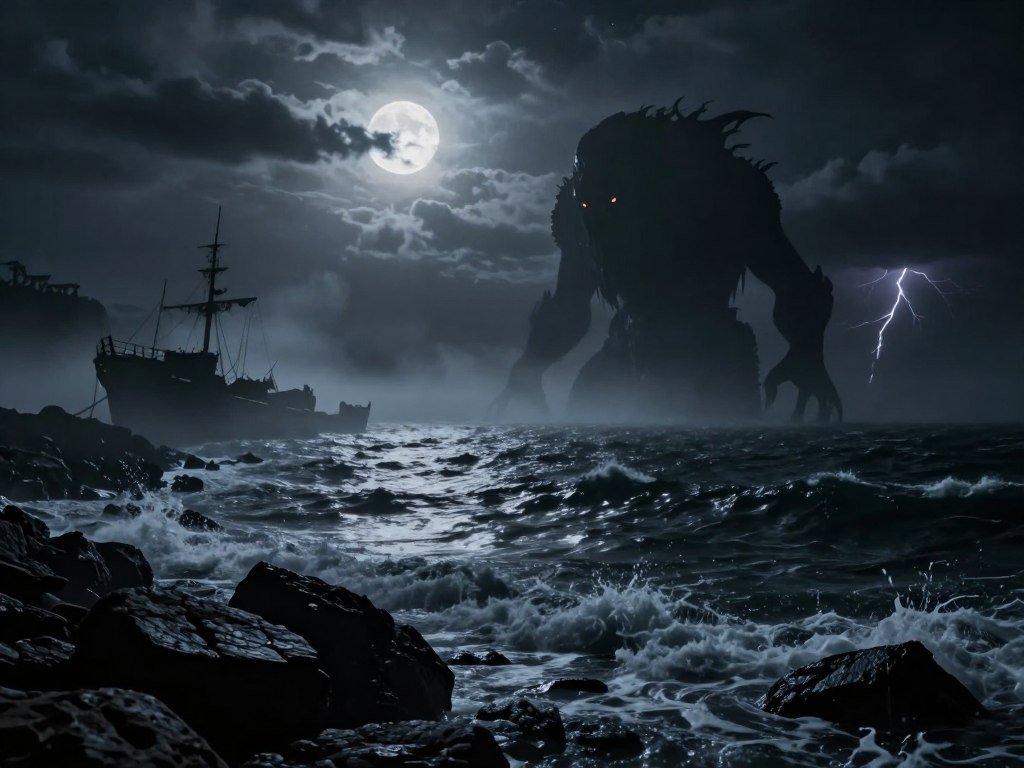
Dagon is best approached as an atmospheric story experience. The game draws on Lovecraftian horror, where people face forces they cannot easily understand. A sense of scale and uncertainty can do more work than a direct fight.
Setting matters because it shapes what you expect from each scene. A lonely place can make an ordinary detail feel strange, while the story keeps the larger threat partly out of reach. The mood gives players time to notice the unease instead of rushing toward a goal.
The sound also helps set the pace. Small shifts in the scene can carry more weight when you listen closely. If you prefer clear objectives and frequent action, the experience may feel too quiet.
Dagon suits a player who wants to sit with a story and its atmosphere. It does not ask you to coordinate with a team or master a long list of combat systems. That makes it a distinct kind of free horror game on Steam.
When you choose a horror game, atmosphere can matter as much as action. Some players favor pressure and fights, while others want a story that leaves questions hanging. A guide to horror by play style can help you compare those preferences across games.
In Dagon, the unknown is part of the point. The story builds an eerie tone rather than turning every moment into a test of skill. Give it your attention, and let the setting set the pace.
It is a natural fit for a quiet session when you want mood and unease to do the work.
Is Dark Deception Free Beyond Its First Chapter?
Dark Deception is free only through its first chapter; the later chapters require purchase. It is a fast-paced maze game that puts players under pressure as they try to move through its spaces. Do not treat the free chapter as the complete series.
The distinction matters if you want a complete free game. Dark Deception has a free first chapter only, while the remaining chapters cost money. Its 2026 guide score is 71%, making it the highest-scored of these three picks in that comparison.
| Game | 2026 guide score | Free access |
|---|---|---|
| Dark Deception | 71% | First chapter free, later chapters paid |
| Transmissions: Element 120 | 69% | Free standalone game |
| Siren Head: Awakening | 68% | Fully free |
The score is a guide score for 2026, not a claim about every player’s Steam rating. Use it to compare these picks within the same list, not as a promise that you will enjoy the game. Your preferred pace and style still matter.
The maze format gives Dark Deception a different feel from a story-led mystery. You have to keep moving through a space designed to make the chase feel immediate. That pace can suit players who want pressure and quick reactions.
The first chapter lets you try that style before paying for more. If you want a full experience without added cost, the two standalone choices in the table are clearer fits. Their access terms differ, so check the listing details before you decide.
Free access can be a useful way to test a game’s feel, but one chapter does not equal a full series. Think about whether you are comfortable paying to continue before beginning. That keeps the initial download from setting the wrong expectation.
Check the chapter limit before treating it as a complete free series.
How Long Does Transmissions: Element 120 Take?
Set aside under two hours for Transmissions: Element 120, a free standalone sci-fi horror game. Its short runtime makes it a good fit for a single evening. Standalone means the game is a complete experience on its own, rather than an opening part of a larger series.
The game takes under two hours to complete. That clear time estimate helps you plan a session without guessing whether you are starting a much longer campaign. Its 2026 guide score is 69%.
Transmissions: Element 120 mixes science fiction and horror in a self-contained game. The combination gives its setting a different feel from a deserted town or a familiar haunted house. Players looking for a contained story can finish it without committing to a long series.
Time alone does not decide whether a session will feel right. You may want headphones for sound details, or speakers if you prefer to keep the room connected to everyday life. Choose the setup that helps you enjoy the atmosphere.
Make a quick plan before starting:
- Check how much play time you have.
- Choose headphones or speakers.
- Set aside time to finish.
- Avoid starting if you need to stop immediately.
A short game can still benefit from an uninterrupted stretch. Stopping at the wrong moment may break the mood, especially when the story depends on a steady run through its scenes. You do not need to rush, but give yourself room to finish.
The standalone format is useful when you want a complete experience in one sitting. It is easier to plan around than a free opening segment that belongs to a larger game. That makes its length part of its appeal, not just a number.
Its standalone format makes it a better short-session choice than a free opening chapter in a larger series.
Which Free Standalone Horror Game Feels Eerie Fast?
Siren Head: Awakening is fully free, making it a straightforward choice when you want a standalone scare without a chapter paywall. Fully free means the complete game is available at no cost, rather than just an opening section. Its 2026 guide score is 68%.
The game suits players who want a direct, unsettling horror experience. A standalone game gives you a self-contained choice, without asking you to follow a larger paid series. That can make it easier to pick for a specific evening.
Its eerie feel is the main reason to consider it. A player looking for atmosphere may enjoy the sense of unease more than a complex set of systems. Sound can help shape that mood, so think about whether you want headphones or speakers.
The guide score offers one point of comparison, but it cannot predict what will scare you. Some players prefer slow tension, while others want a stronger sense of pursuit. Choose based on the kind of horror that keeps you engaged.
A fully free game and a free chapter are not the same offer. The first gives access to the complete game, while the second covers only part of a larger release. That difference matters when you are trying to avoid an unexpected cost.
Siren Head: Awakening is a simple fit when you want to install one complete horror game and start playing. Its free status removes the need to decide whether an opening segment is enough. The choice then comes down to whether its eerie style matches your taste.
Do not assume every listing keeps the same access terms forever. Game pages can change, and clear details help you avoid a surprise during installation. A quick look also confirms that you have found the right title.
Verify the game’s current listing before installing, especially if free access is your deciding factor.
Which Short Free Horror Experiences Are Worth Trying?
Pick We Went Back for a complete free experience of about an hour, or Fears to Fathom – Home Alone for one free anthology episode. Those formats differ: one is a standalone game, while the other belongs to a larger series. Choose based on whether you want a full self-contained session or one episode.
| Game | Free scope | Format |
|---|---|---|
| Fears to Fathom – Home Alone | One free episode, rest of series paid | Anthology episode |
| We Went Back | Completely free | Short standalone game |
| Fingerbones | Free game | Story-focused exploration with notes |
Fears to Fathom – Home Alone for an anthology episode
Fears to Fathom – Home Alone is the free episode of an anthology series, and the other episodes cost money in 2026. Its 2026 guide score is 68%. This format suits you if you want to sample one story without expecting the entire series for free.
An anthology can be a good choice when you like distinct stories gathered under one name. Still, the free episode is only one part of the larger series. Keep that scope in mind when deciding whether to continue with the other games.
We Went Back for a short standalone trip
We Went Back is completely free and takes about an hour to complete. Its 2026 guide score is 68%. If you want a finished experience with a clear time estimate, this is the more direct pick.
Fingerbones offers another kind of short horror experience. You explore an abandoned building and find notes that reveal a disturbing picture. Its story-focused approach may suit you better than a game built around constant action.
Choose a standalone game when you want one self-contained experience and a clear stopping point. Choose an anthology episode when you enjoy sampling one story within a series. The table makes the difference visible before you commit your time.
Think about the sort of ending you want from the session. A standalone story can feel complete on its own, while an episode can leave you curious about the rest. Neither format is better for every player.
Check whether you want one self-contained session or an episode that belongs to a larger paid series.
What Is Port of Call About?
Port of Call begins with an amnesiac protagonist waking on a dock beside a mysterious ferry. The first-person mystery asks you to follow an unusual situation rather than join a familiar chase or multiplayer match. The unknown identity of the main character gives the story its starting question.
The protagonist does not know who they are or how they reached the dock. That gap makes the opening feel unsettled before the story explains what is happening. The game then brings an old man into the scene, with a connection to the ferry.
The first-person view keeps the focus close to the character’s surroundings. You see the dock and ferry from the protagonist’s position, which makes the setting part of the mystery. The story invites you to look for meaning in the unusual encounter.
Port of Call is a free first-person mystery with an eerie premise. It is a good match if you enjoy following a strange setup and seeing where it leads. Players who want combat systems or fast group play may prefer another kind of horror game.
The ferry gives the story a clear image to hold onto, while the old man adds another question to the opening. What matters most is the mystery around the character’s arrival. The game’s appeal begins with that situation, not a promise of constant action.
Let the scenes build their own questions instead of expecting the story to explain everything at once. The first-person adventure format gives the setting room to work. Its unusual opening can make a quiet session feel different from a standard chase game.
Choose it for an unusual premise and a first-person mystery, not for a specific promised runtime.
Can SCP: Containment Breach Remastered Deliver Survival Horror?
SCP: Containment Breach Remastered centers on escaping a containment site inspired by the SCP Foundation community. Its survival-horror premise puts your attention on navigating a dangerous facility. The escape goal makes it a fit for players who want a direct threat to overcome.
The central objective is to escape the SCP Foundation containment site. The game draws on works from the SCP Foundation community, a shared world built by many contributors. That background gives the setting a wide range of eerie ideas.
The experience is about moving through a dangerous facility, not reading other players’ intentions. You focus on where to go and how to keep moving. That makes the game’s tension feel personal, even though its setting comes from a shared community.
Players who enjoy survival horror may like the pressure of trying to get out. The facility gives the story a clear frame, while its threats make progress feel uncertain. You can approach the game as a tense escape rather than a social match.
The remastered title also offers a different way to engage with the SCP Foundation setting. Its goal is easy to grasp: find a way out of a place built to contain danger. The challenge comes from handling that escape-focused situation.
A containment site makes for a tight horror setting because the objective and danger share the same space. You are trying to leave, but the route runs through the place you need to survive. That tension is the core of its appeal.
Pick this one when escaping a facility sounds more appealing than identifying a deceiver in a group.
What Makes Medusa’s Labyrinth Different?
Medusa’s Labyrinth trades modern facilities and urban settings for murky catacombs in ancient Greece. It is a very short first-person horror game that draws on Greek mythology and a tragic story. Mythic horror gives it a distinct feel from more modern settings.
Expect a brief story shaped by myth, underground spaces, and exploration. The catacombs make the setting feel enclosed, while the ancient Greek backdrop adds a sense of history. The game uses those elements to frame its tragic tale.
Its first-person view puts you inside the spaces you explore. Murky passages invite careful attention to what lies ahead. Players who enjoy atmosphere and story may find more here than a fast-paced horror challenge.
Three points describe the experience:
- First-person exploration.
- Murky underground spaces.
- A short myth-inspired story.
Medusa’s Labyrinth can appeal if you want horror that leans on place and myth. It does not need a modern city or a scientific facility to create unease. The ancient setting gives the story a different frame.
The tragic story is part of the game’s draw, so go in expecting more than a simple maze. The exploration and setting work together to support that tone. Its compact scope suits a player who wants a brief, self-contained visit to a strange place.
Choose it for mythological atmosphere and exploration rather than a long campaign.
Is Fingerbones a Story-First Scare?
Fingerbones puts exploration and disturbing story clues ahead of action. You move through an abandoned building and find notes that reveal a troubling picture. The mystery is the main draw for players who prefer a story-led horror game.
Fingerbones is a short psychological horror game built around exploration and notes. The building gives you a place to search, while each note adds details to the story. You piece together what happened instead of relying on action-heavy gameplay.
This approach suits players who like reading clues and forming their own view of events. The game asks you to notice details as you move through the space. The story matters more than a steady stream of combat or chases.
The setting also shapes the pace. An abandoned building can feel uneasy without filling every room with a threat. The notes give you a reason to keep exploring and connect the place to the story.
Psychological horror can leave a stronger impression when its most disturbing details arrive through fragments. Fingerbones uses notes to build that picture over time. If that kind of story sounds engaging, the game’s simple focus may appeal.
Disturbing themes may not suit every player or every session. Check content information before you begin if those themes could be unwelcome. Knowing the general tone can help you make a comfortable choice without reading plot details.
Check the game’s content information before playing if its themes could be upsetting.
What Should You Expect From the static Speaks My Name?
Plan for about ten minutes with the static speaks my name, a character-focused mood piece rather than a long horror campaign. The protagonist is a man on his last night alive who fixates on a mysterious painting. Character and atmosphere take priority over gameplay.
Expect a short story built around mood, not a substantial gameplay challenge. The painting gives the protagonist a focus during his final night. The game’s brief length makes its tone and central image more important than complex systems.
A short play can still carry heavy themes. The premise centers on a character’s last night alive, so consider whether that subject fits your mood. You can check content information before starting without seeking out plot details.
The title’s emphasis on atmosphere makes it a different choice from games driven by exploration or survival. Its scenes focus on the character and the feeling around him. Players looking for a long sequence of objectives may find little to do beyond taking in the experience.
The mysterious painting is the detail that holds the premise together. The story asks you to notice the character’s fixation, rather than solve a large set of puzzles. That focus gives the game a clear identity despite its brief form.
A ten-minute game can fit into a small gap, but its subject may call for more thought than its length suggests. Let the mood guide your decision, and do not start simply because the game is short. The right session depends on how you feel about its premise.
Check the premise and content information first if a story about a character’s last night alive is not right for your session.
The story is best approached with its basic premise in mind, without seeking a full plot summary. That keeps the central image fresh while giving you a chance to decide whether its subject feels right.
Conclusion
The easiest choice is the one that matches the session you actually want: a group scare, a campaign, or a short atmospheric game. A group can turn suspicion into part of the fun, while a solo player may want a story with room to unfold. Your available time matters just as much as the kind of horror you enjoy.
Start by choosing the format, then check the game’s access terms. That simple step can prevent a free opening section from surprising you later. You do not need to choose the most intense option to have a memorable session.
Open the game’s Steam listing, confirm what is free, and choose the experience that fits your available time.
FAQ
What’s the scariest game to play?
Cry of Fear is a strong pick for a bleak full campaign, while SCP: Secret Laboratory brings tension to group play. Scariness depends on what unsettles you most. A deserted town may feel more frightening alone, while a voice-chat match can make suspicion and confusion part of the scare. Choose the setting that gets under your skin.
What are some highly rated free games?
Dark Deception, Transmissions: Element 120, Siren Head: Awakening, Fears to Fathom – Home Alone, and We Went Back appear among these free horror picks. Their listed 2026 guide scores range from 68% to 71%. Those figures are guide scores, not a claim about overall Steam user ratings. Check each game’s free-access scope before choosing.
Is Cry of Fear scary?
Yes, Cry of Fear is psychological horror set in a deserted town, with horrific creatures and nightmarish delusions. Its bleak tone makes the search for answers feel tense. You can play alone or in co-op, though company does not remove the grim themes. Consider your comfort with that style before you start.
Can you explain the lore of Cry of Fear?
Cry of Fear follows a young man searching for answers in a deserted town as he descends into nightmarish delusions. That is the spoiler-light premise, not a full plot explanation. The game began as a Half-Life mod and became a single-player and co-op horror game. Its story’s uncertainty is part of the experience.
Do free horror games always include the full game?
No, free horror games can offer only part of a larger release. Dark Deception has a free first chapter, while later chapters require purchase. Fears to Fathom – Home Alone is one free episode in an anthology whose other episodes cost money. Check the Steam listing’s access details before you set aside time.



