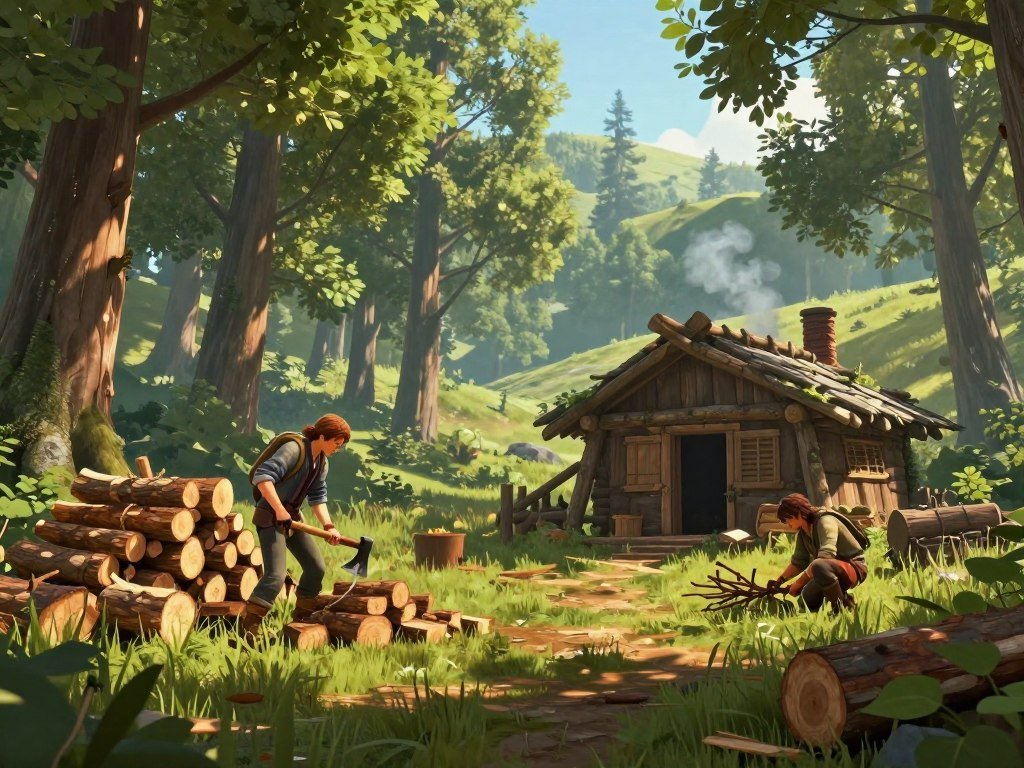
Valheim is the strongest all-round starting point among the best survival games on Steam for flexible solo or co-op play. Subnautica suits a story-led solo run, while The Long Dark favors a colder, quieter challenge.
The survival loop is the repeating cycle of gathering resources, crafting what you need, and managing threats and basic needs. These games range from peaceful exploration to punishing PvP, so the right pick depends on how you want to spend your time.
Some players want friends beside them; others want a story, a tough wilderness, or other players to watch for. These picks suit different tastes rather than one universal ranking. Pick first by deciding whether you want company, story, or pressure from other players.
Key Takeaways
- Choose Valheim for flexible solo play or co-op.
- Pick Subnautica for a solo story shaped by exploration.
- Try The Long Dark for cold-weather survival without monsters.
- Choose Rust if open-world PvP is part of the appeal.
- Don’t Starve Together rewards friends who plan and share tasks.
- Grounded offers a more playful co-op setting, with insect threats.
Which Best Survival Games on Steam Fit Your Play Style?
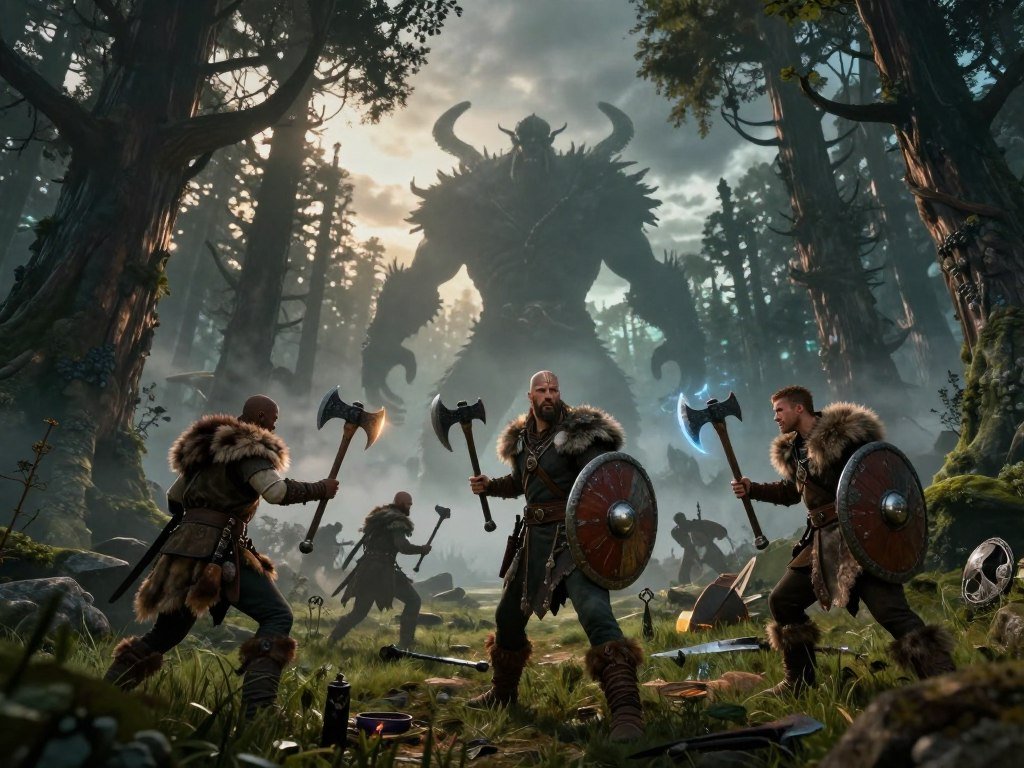
If you want one flexible recommendation, start with Valheim, which supports solo, cooperative, and competitive play. Its Viking setting, procedurally generated worlds, and boss-led progress give each run a clear direction.
Valheim is the broadest co-op starting point here, but it also works alone. It reached full release in 2026 after a long early-access period, and its world asks you to prove your worth to Odin. For wider genre picks, compare play styles in this guide to games for different players.
Choose by the kind of pressure you enjoy, not by a single ranking. A tense PvP world and a quiet solo story ask for very different moods.
Valheim as the all-round co-op pick
Valheim offers room to explore, build, and face bosses with friends, while still supporting a solo run. Its flexible modes make it a useful first choice if your group’s plans change from session to session.
Subnautica is the stronger solo story choice, The Long Dark suits monster-free wilderness play, and Grounded turns co-op into a friendly backyard adventure. Rust is the clear pick when you want PvP and the risk of hostile players.
A 15-game shortlist by play style
These are the top 10 survival games for PC among the 15 picks in this article. The list favors variety, so it includes solo stories, co-op building, open-world PvP, and demanding wilderness play.
- Valheim
- Don’t Starve Together
- Subnautica
- Grounded
- The Forest
- Raft
- The Long Dark
- Project Zomboid
- Rust
- Palworld
Use these four cues to narrow down the best survival games for your group:
- Solo story: choose Subnautica.
- Small-group co-op: try Valheim or Don’t Starve Together.
- Open-world PvP: start with Rust.
- Harsher wilderness management: choose The Long Dark or Green Hell.
| Game | Player support | Approximate entry cost in June 2026 | Best fit |
|---|---|---|---|
| Valheim | 1-10 on PC | About $20 | Flexible Viking co-op |
| Don’t Starve Together | 1-6 | About $15 | Challenging group survival |
| Subnautica | Single-player | About $30 | Solo ocean exploration |
| The Forest | 1-8 | About $20 | Survival horror |
The figures offer a quick comparison, not a ranking of value or quality. If you are choosing among the best multiplayer survival games on Steam, check that the supported player count suits your group.
The June 2026 cost figures are a dated snapshot, not a promise of today’s Steam price.
Can Don’t Starve Together Make Co-op Feel Unforgiving?
Don’t Starve Together is the co-op pick for friends who enjoy planning before a dangerous night. Its hand-drawn art style looks playful, but the world can turn bleak fast.
Choose it when your group is willing to learn through failure. The standalone multiplayer game builds on the original’s survival challenges and adds characters, bosses, biomes, and seasonal giants.
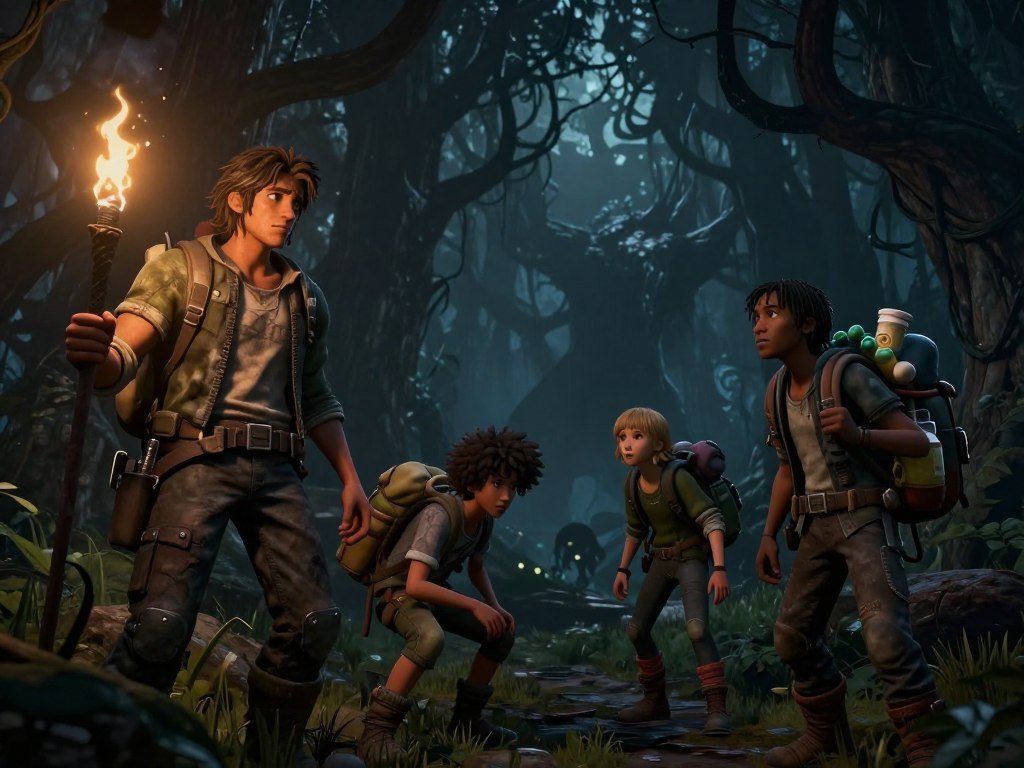
Players share the work of finding food, building shelter, and keeping threats at bay. A group that divides those jobs can prepare more safely than one where everyone wanders off alone.
Character abilities also shape the group’s approach. Some players may help with a specific task, so a team can choose roles that support its plan rather than treating every character alike.
Seasonal threats make timing matter. A supply run that feels manageable in a calmer stretch can leave the group exposed when a giant arrives or night falls.
Its art style sets the tone through sharp contrast: hand-drawn figures stand out against hostile creatures and dark nights. The look is inviting, but the survival mechanics do not soften the danger.
If you are weighing the best multiplayer survival games on Steam, this one suits groups who want teamwork to matter more than a relaxed building session. For other kinds of shared play, browse these multiplayer games for different group sizes.
Don’t Starve Together can be a rough first survival game for friends who expect easy progress. Mistakes can cost supplies and time, and players need to adjust their plans as they learn.
Agree on who handles food, shelter, and defense before the group scatters to gather supplies.
What Makes Subnautica One of the Best Survival Games With a Story?
Subnautica is the best fit here if you want a solo survival story that unfolds through exploration rather than player-versus-player encounters. Its alien ocean turns each new depth into a choice about risk and return.
Oxygen, resources, and a safe route shape every trip below the surface. You explore underwater areas, gather materials, build bases, and follow a single-player story campaign.

How the ocean drives exploration
The ocean is both the setting and the main source of pressure. Oxygen limits how long you can stay below, while resources help you build bases and extend your reach.
Exploration gives the story room to unfold at your pace. You can search unfamiliar places, learn more about the world, and decide when to head back before a promising route becomes a risky one.
Before leaving a safe area, weigh these four practical decisions:
- Carry enough oxygen capacity for the trip.
- Plan a return route before exploring.
- Gather resources needed for construction.
- Weigh deeper exploration against predator exposure.
That balance makes the game a strong story-led choice without relying on competitive encounters. Its science-fiction mood comes from the ocean, not from a group of players competing over supplies.
What Subnautica 2 changes
Subnautica 2 adds multiplayer to the series and follows an investigation into what happened to a colony on an ocean world. It is a separate experience from the original’s single-player campaign.
Abiotic Factor offers another science-fiction direction, placing survival in an underground research facility instead of an alien sea. The difference is simple: Subnautica makes the ocean the heart of exploration.
A deeper route may offer new places to discover, but it also puts more distance between you and safety. Set a clear return point before pushing into an unfamiliar depth.
Does Grounded Turn Base Building Into a Backyard Adventure?
Grounded makes a familiar backyard feel like a wilderness by shrinking its characters to ant size. Ordinary objects become landmarks, supplies, and ways to judge how far you have traveled.
Pick Grounded for playful co-op building with real danger around the next patch of grass. Insects range from harmless to dangerous, so the garden can feel safe one moment and hostile the next.
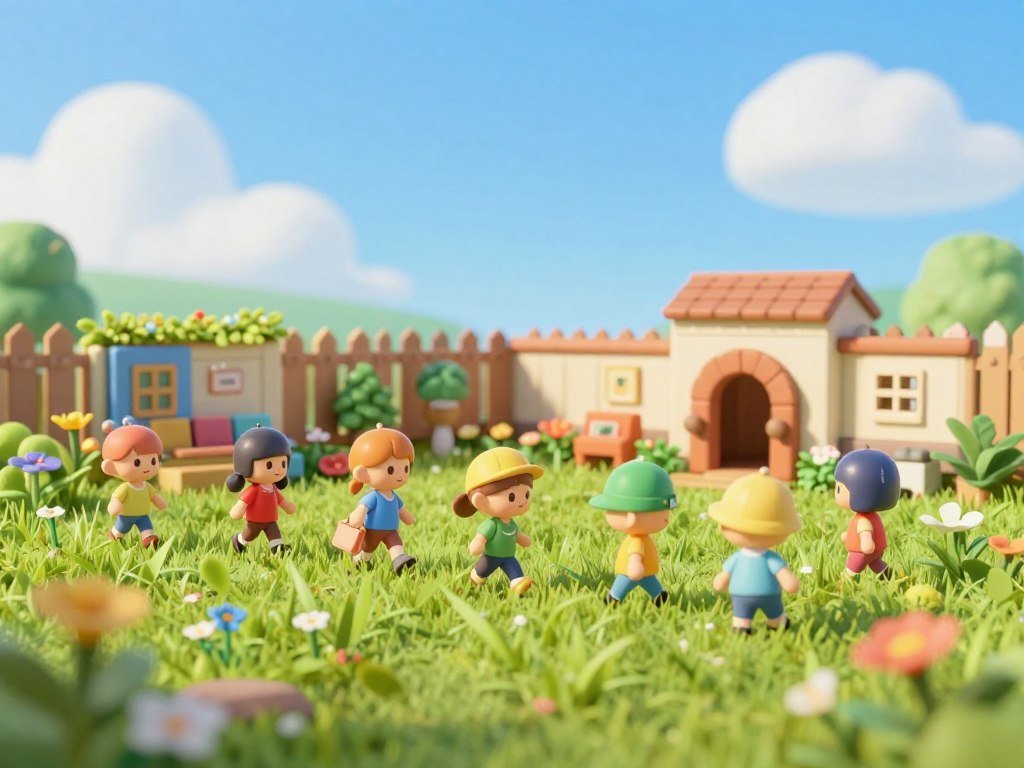
A pebble or a blade of grass has a different purpose at this scale. Everyday yard features help you find your way, while useful materials can support crafting and a stronger base.
Building gives the group a place to regroup and store what it has gathered. A base can also support further exploration, so players have a reason to improve it beyond looks.
The danger grows as you cross into areas where more threatening insects live. That makes route planning part of the adventure, especially when the group is carrying supplies it does not want to lose.
Grounded also has a laboratory network that gives players a story path beyond gathering and crafting. The labs add goals to follow, so the garden is not just a place to collect materials.
This can make the game a good co-op choice for players who want a clear aim alongside construction. The setting stays playful, but the insects can still make a trip feel tense.
Players who dislike insect enemies may be happier in another co-op setting. The creatures are part of what makes the backyard feel unfamiliar, so they are hard to avoid.
Keep a safe route back to your base in mind before crossing into an insect-heavy area.
Is The Forest the Right Pick for Survival Horror?
Choose The Forest when hostile night encounters and a horror story matter as much as crafting. Its day-night rhythm makes time outdoors feel different from time spent defending a base.
The Forest suits players who want survival pressure tied to horror. It is a 2018 game set on a peninsula after a plane crash, where cannibal mutants threaten your base at night.
During the day, you can gather supplies and work on a place to shelter. Night brings a different problem, since hostile mutants can attack the base and force you to defend it.
Caves offer a route into the story about the protagonist’s missing son. Going underground can advance that search, but it also asks you to face a more tense kind of exploration.
Choose among these co-op settings if you want a different mix of danger and building:
| Game | Player support | Approximate entry cost in June 2026 | Co-op setting |
|---|---|---|---|
| Grounded | 1-4 | About $30 | Backyard insects |
| Raft | 1-8 | About $20 | Open-ocean raft |
| Green Hell | 1-4 | About $25 | Realistic wilderness |
| Sons of the Forest | 1-8 | About $30 | Island survival horror |
The Forest and Sons of the Forest are related, but they are not interchangeable. The original centers its story on a missing son, while the sequel has a different island search and its own survival focus.
The co-op setting can help friends share tasks, but horror remains a central part of the experience. If cave exploration and mutant attacks sound more stressful than fun, choose a less horror-focused pick.
Why Does Raft Work So Well for Small Co-op Crews?
Raft starts with little more than a plank and hook, then turns every bit of floating debris into a possible upgrade. Its small starting space makes teamwork useful from the first stretch of ocean.
The raft itself needs protection, food, and repairs, not just decoration. A persistent shark attacks the structure, so each new build must serve a purpose.
Players can divide tasks by gathering debris, steering, preparing food, or expanding the raft. That shared work gives a small crew a steady set of goals without demanding a big group.
Try these four early priorities:
- Collect floating debris with the hook.
- Protect the raft from shark attacks.
- Secure food and water.
- Prepare supplies before island trips.
Once the raft can support more work, islands and derelict ships change the pace. They give the group places to explore beyond the open water and reasons to leave the familiar deck.
Those trips break up the steady gathering, but they also take players away from the raft. Good teamwork means one person can focus on food or repairs while others explore.
The shark keeps pressure on the structure during that progress. A larger raft may offer more room, yet the group still needs to pay attention to its condition.
Raft works well when you enjoy a shared project that grows through small improvements. Expand the raft without leaving its food and repair needs unattended.
How Realistic Is Green Hell’s Survival Simulation?
Green Hell’s realism comes from making injuries and sanity part of the survival problem, not just the backdrop. Body and mind both matter in this Amazon rainforest setting.
Wounds and sanity can shape whether you are ready to keep traveling. The game tracks both systems, giving physical harm and mental strain a direct role in survival.
That focus sets Green Hell apart from games where the main concern is fighting enemies or maintaining a base. You have to pay attention to your condition, not only the supplies around you.
Food and other resources still matter, but they do not erase the effects of an injury. A character who seems ready to move may need care before facing a longer trip.
Sanity adds another layer to the experience. The system means that the challenge is not limited to what your character can carry or build.
These survival mechanics can make each choice feel tied to your character’s health. A small problem may call for a change in plans before you move deeper into the forest.
Players who want a gentle introduction to survival may find the layered needs demanding. The game asks you to monitor more than one kind of risk, which can be a lot to learn at once.
It is a good fit if body-focused survival sounds more interesting than a simple fight-and-build loop. Treat an unexplained decline in condition as a reason to reassess health and supplies before traveling farther.
Can The Long Dark Deliver a Monster-Free Survival Challenge?
The Long Dark gives you a monster-free survival challenge by making a frozen wilderness itself the main threat. Its quiet setting puts the focus on exposure, food, and wildlife.
The game is single-player, with story and sandbox play in a frozen Canadian wilderness. There are no zombies or monsters, but the cold still makes survival difficult.
The story experience gives your survival a set direction, while sandbox play lets you focus on lasting in the world. Those modes offer different reasons to face the same harsh environment.
Managing exposure is part of deciding where to go and how long to stay. Food also matters, and wildlife adds danger even without supernatural enemies.
The absence of monsters changes the kind of threat you face, not the need to plan. A quiet trip can still turn risky when the environment makes it hard to keep going.
This makes the game a strong solo pick for players who want time to think through each move. The pressure comes from the wilderness, not from other players fighting over a base.
In June 2026, The Long Dark had an entry cost of about $35. It is a single-player survival title for anyone who prefers a slower pace and a world without monster combat.
Choose this game if quiet preparation sounds more appealing than fighting for a base.
Is Project Zomboid the Deepest Zombie Survival Sandbox?
Project Zomboid is a strong pick if you want a zombie apocalypse where fatigue and a single bite can matter as much as gear. Its isometric view frames a large survival problem in a clear, readable way.
A single bite can lead to death, so every encounter carries lasting risk. Set in Kentucky, the game presents play as the story of how your character eventually dies.
How the character simulation raises the stakes
The game tracks details such as weight, depression, and fatigue. These systems make ordinary needs part of the challenge, rather than treating gear as the only thing that keeps you safe.
The isometric map helps you read buildings and streets, but it does not make each trip harmless. A useful location may still hold infected, and the route there can carry its own risks.
Death gives the game a sharp edge because a run can end after one mistake. That pressure rewards cautious preparation instead of turning every zombie encounter into a fight.
Why small risks can end a run
Use these four priorities to guide a careful run:
- Locate food and medicine.
- Manage fatigue before it builds.
- Avoid unnecessary fights.
- Plan an escape route.
A quiet building may be worth searching, but entering without a way out can leave you trapped. Small decisions matter because the simulation tracks more than your weapons and supplies.
Players who enjoy a detailed survival sandbox can find plenty to manage between encounters. Leave a retreat route before entering a building that may be crowded with infected.
What Makes Rust a High-Stakes Multiplayer Survival Game?
Rust is the pick for players who want other people, not just the environment, to threaten their progress. Its open-world PvP makes each meeting with another player a choice about risk.
Hunger, thirst, hostile players, and raids can turn your base into a target. A built shelter offers a place to keep supplies, but it is not a guaranteed safe haven.
Rust supports 1-100+ players and had an entry cost of about $40 in June 2026. That scale supports a world where other players can shape your plans in ways the environment cannot.
Compare the multiplayer feel of these picks before joining friends:
| Game | Player support | Approximate entry cost in June 2026 | Multiplayer feel |
|---|---|---|---|
| Rust | 1-100+ | About $40 | High-stakes PvP |
| DayZ | 1-60+ | About $45 | Open-world encounters |
| Enshrouded | 1-16 | About $30 | Cooperative building |
| Astroneer | 1-4 | About $30 | Peaceful co-op exploration |
The risks of Rust can suit players who enjoy rebuilding after a setback. You must weigh time spent collecting supplies against the chance of losing progress to a raid.
If you prefer a calmer shared world, other co-op games keep attention on exploration and building. Rust makes conflict with players a central part of its survival game, not an occasional surprise.
Choose a lower-pressure co-op world if repeated raids would make you quit rather than rebuild.
Does Palworld Blend Creature Collecting With Survival?
Palworld stands out by letting its Pals contribute to survival work as well as combat. Creature collecting links exploration to crafting, farming, and automated factory work.
Choose Palworld if you want captured creatures to help run your base. Its Pals can assist with combat and everyday work, so collecting them affects more than your roster.
Palworld received its full release in July 2026 after early access began in 2024. It supports 1-32 players and had an entry cost of about $30 in June 2026.
The combination gives the game a distinct place among survival games in 2026. Collecting Pals brings a creature-progression system into a world that also asks you to gather resources and craft what you need.
Here is a quick snapshot of three different survival approaches:
| Game | Player support | Approximate entry cost in June 2026 | Distinguishing focus |
|---|---|---|---|
| Palworld | 1-32 | About $30 | Creature-assisted survival |
| Project Zomboid | 1-16 | About $20 | Zombie simulation |
| The Long Dark | Single-player | About $35 | Cold wilderness |
V Rising is another option if you want vampire survival centered on a gothic castle. It is a distinct alternative, not one of the 15 featured picks here.
Palworld may suit players who like a base to keep growing through creature support and automation. Pick it for creature collection and base automation, not for a conventional wilderness-only experience.
How Does DayZ Make Open-World Survival Unpredictable?
DayZ is unpredictable because its threats include both physical survival needs and unscripted encounters with other players. Human choices can change the mood of a trip without warning.
Infection, wounds, medicine, and temperature all shape your risk. A player encounter can add a social problem that no scripted event can fully predict.
That mix makes the open world feel tense even when no fight starts. Another player might help, threaten you, or simply change how you plan your route.
For a free-to-play survival game on Steam, Unturned offers zombie threats and base building. It is a no-cost starting point, but it is not one of the 15 featured picks.
Keep these four priorities in mind while traveling:
- Watch your condition.
- Carry medicine.
- Avoid unnecessary exposure.
- Approach other players cautiously.
Medicine matters when an injury or infection changes what you can safely do. Temperature also affects the trip, so a route that looks simple on the map may still leave you exposed.
DayZ suits players who want multiplayer survival to create unscripted situations. In a multiplayer world, treat an unknown player as a risk until their actions establish otherwise.
Is Enshrouded a Strong Pick for Large Co-op Groups?
Enshrouded is the pick for groups that want to build together in a world shaped by a dangerous fog. The corrupting fog gives exploration a clear threat beyond the usual need for supplies.
Choose Enshrouded when shared construction matters more than hostile-player encounters. Players explore ancient ruins and dangerous areas while working toward reclaiming the kingdom.
What larger groups gain from cooperative play
A group can share crafting and exploration, giving each player a role in the push to reclaim the world. That focus can suit friends who want to build toward a common goal.
For larger groups, a cooperative project may be more appealing than a world where players raid each other. Friends can spend their time planning a base and exploring together instead of guarding against rival players.
The fog helps give the group a reason to push into new places. Ruins and dangerous areas offer targets for exploration, while the wider task gives those trips a shared purpose.
How voxel building shapes a base
Enshrouded uses voxel-based building and destruction. This lets players shape a base with more freedom than simply placing a few set structures.
That building style can make a shared home feel like a project made by the group. Players can plan how the base should look and work, then gather what they need to build it.
Enshrouded supports solo play or groups of up to 16 players. The larger group size may help friends who want to play together, but it matters most when everyone enjoys the same kind of cooperative work.
Make sure the group wants a shared building project, not just a larger player cap.
What Makes Astroneer a Gentler Space Survival Game?
Astroneer is a gentler space-survival choice if you prefer reshaping planets and building with friends to constant combat. Planetary discovery sits at the center of its play.
Choose it for peaceful cooperation and hands-on base building. You can use a terrain tool to reshape the environment and uncover useful resources.
Mineral gathering gives you materials for projects, while oxygen tethers support survival as you explore. The tether system adds a clear limit to how far you can roam from safety.
Those tools make the environment feel like something you can work with, not just cross. Players who enjoy shaping a base may find the process more appealing than a constant push toward combat.
Astroneer focuses on planetary exploration and building, with peaceful co-op rather than combat as its main appeal. Friends can share discovery and construction without making fights the center of each session.
No Man’s Sky is a broader alternative, with survival across procedurally generated planets. Astroneer offers a more focused planetary base-building experience, while No Man’s Sky spreads its attention across a wider range of worlds.
That difference helps you choose based on the kind of space game you want. One centers on hands-on terrain work and shared projects; the other offers a broader planetary survival setting.
Choose it when discovery and construction matter more to you than fighting enemies.
Should You Choose Sons of the Forest for Co-op Horror?
Sons of the Forest is the sequel to choose when you want a remote-island search with co-op horror and seasonal preparation. Its missing-billionaire premise gives the group a search to follow.
Changing seasons make food planning part of staying ready. Players can build together and use companions while exploring the island.
The search for a missing billionaire gives the expedition a goal beyond gathering supplies. Co-op lets friends explore and construct together as they work through the island’s dangers.
Improved building systems give players more ways to shape a shelter and work as a team. Companions add another part to the experience, so the group is not limited to its own labor.
Season changes affect how you prepare for food needs. Stockpiling ahead of time can help the group face a new stretch of weather without scrambling to manage the basics.
Plan food around the seasons instead of waiting for supplies to run low. A prepared group can spend more time exploring and less time reacting to a shortage.
The sequel has a different premise from the original, so it is not simply the same missing-person story with a new name. It suits groups seeking a shared island expedition with horror and building.
Solo players who want a more solitary challenge can choose The Long Dark instead. Stockpile food before a season change makes the island harder to manage.
Conclusion
The best first pick is the one whose kind of pressure sounds fun enough to face for another session. Valheim is a flexible all-round co-op starting point, while Subnautica suits a solo story.
The Long Dark is a strong choice for monster-free wilderness survival. Your first decision can be simple: do you want company, narrative, or competitive pressure?
Choose your preferred play style, then open that game’s Steam page and decide whether it fits your next run.
FAQ
What is the best survival game ever made?
Valheim is the broadest all-round co-op pick in this list, though no game is an objective all-time winner. It supports solo play too, making it a flexible starting point. Subnautica fits a solo story, while The Long Dark offers monster-free wilderness survival. The best choice depends on whether you want friends, a narrative, or environmental pressure.
What are some free survival games I can play?
Unturned is a free-to-play survival game on Steam, with zombie threats and base building. It is a practical option if you want to try the genre without paying for one of the featured picks. Its style and systems differ from games such as Valheim or Subnautica, so think of it as a free starting point, not a direct replacement.
What are some good co-op survival games?
Valheim is a flexible choice for groups that want exploration, building, and boss fights. Don’t Starve Together suits friends who want demanding teamwork and careful planning. Grounded offers a playful backyard setting, while Raft centers on shared construction and resource gathering. Pick based on whether your group wants a tough challenge, an adventure, or a growing shared base.
What is the best co-op game on Steam?
Valheim is this article’s broad co-op survival recommendation because it supports flexible group play and also works solo. The best fit changes if your group wants a harsher challenge or a more story-led adventure. Don’t Starve Together brings tougher teamwork, while Subnautica is built around a solo story rather than co-op.
What is the hardest co-op game?
Don’t Starve Together is a strong choice for a demanding co-op challenge. Seasonal threats make planning matter, and character abilities can change how a group handles the work. Players need to manage resources and prepare before danger arrives. It suits friends who are willing to learn from setbacks, rather than a group seeking a forgiving first survival game.
Can I play survival games solo if I don’t want PvP?
Yes, you can play several survival games solo without taking part in PvP. Subnautica and The Long Dark are single-player picks, and Valheim also supports solo play. They offer different kinds of pressure: Subnautica centers its story on exploration, while The Long Dark focuses on survival in a frozen wilderness. Choose the setting that holds your interest.