The first launch-week complaints warrant attention, but a handful of reports cannot by themselves establish how often a device fails. For foldable phone buyers, early screen trouble matters because a new design must handle daily opening and closing. A hinge is the central joint that lets a foldable phone open and close.
A report of damage is evidence that someone saw a problem, not proof of its cause. Photos, firsthand accounts, and service records can each add detail, but they answer different questions. One launch-day complaint cannot show whether a defect affects many units.
The distinction matters during first-week use, when owners and buyers are still learning what ordinary wear looks like. A visible screen fault may point to physical damage, an internal display issue, or another problem. The appearance alone does not settle which one occurred.
Key Takeaways
- A verified incident confirms that a specific damaged device existed.
- Moderator checks did not establish what caused the reported damage.
- Online post counts do not show how many separate phones failed.
- Apple directed affected owners to AppleCare for replacement support.
- Repeated-fold tests did not crack the tested review devices.
- The detail worth tracking is whether independently checked cases continue to show the same failure pattern.
What Happened to the Australian Owner Within Six Hours?
The most detailed launch-day account came from an Australian owner whose inner display failed after fewer than 20 openings. The owner said the screen cracked after about six hours, while showing the phone to a friend. The account describes a sudden problem, not a tested failure pattern.
The owner reported hearing an audible crack as the phone opened. Damage then appeared along the hinge on the inner screen. The owner also said there were no visible marks on the display or external hinge beforehand. Those details come from one person’s account, not a confirmed explanation of the mechanism.
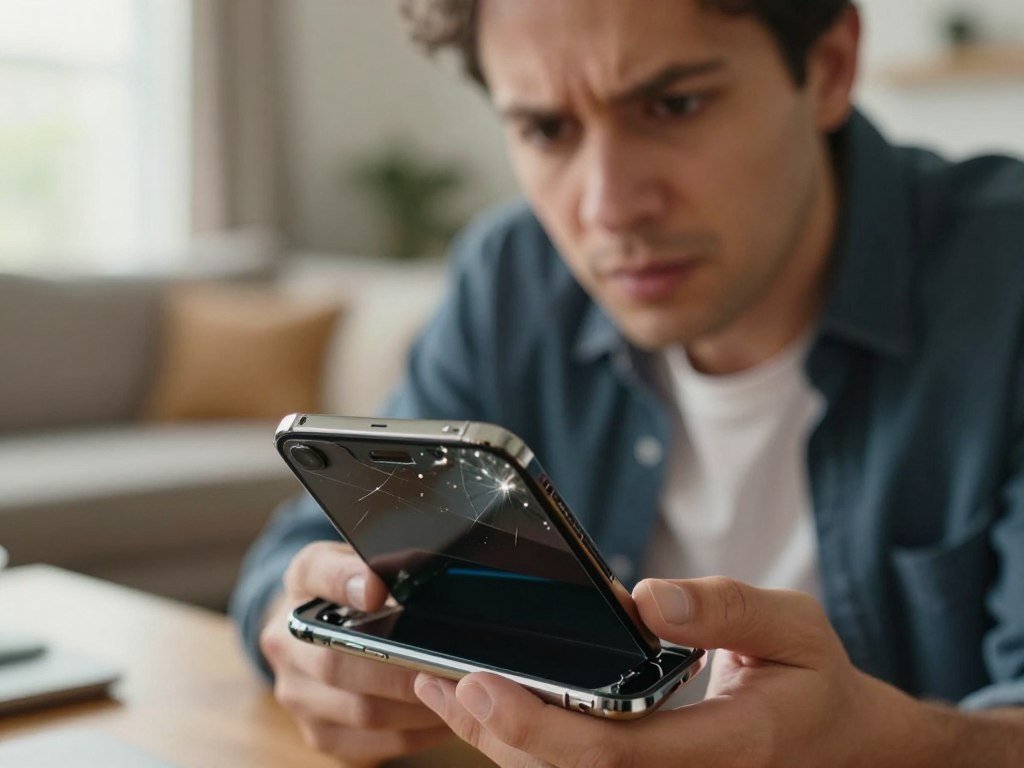
The owner took the damaged device to an Apple Store on launch day. Apple replaced it there, according to the account. That same-day result shows what happened in this case, but does not establish the usual wait or availability for other owners.
A sudden crack and a clean-looking surface beforehand are important details to record, but neither identifies the cause.
The phone’s short period of use makes the report notable to buyers assessing first-week durability. Still, the account cannot reveal whether a component failed, an unseen impact occurred, or another factor played a role. Those possibilities require an examination of the device.
The order of events matters: the owner showed the phone to a friend, heard a crack while opening it, then saw damage along the fold. The description gives a clear sequence, but not a technical diagnosis.
The lack of visible marks beforehand is a detail of this account, not proof that every similar failure has the same cause.
What Did the Moderators Actually Verify?
The moderators verified the damaged phone and replacement, not the reason the screen broke. Their review makes the incident more than an unconfirmed online claim. It does not establish a defect, a manufacturing error, or a cause.
The r/iPhoneDuo moderators reviewed photos and Apple documentation. They marked the damaged device and its replacement as verified. That check supports the owner’s claim that a real device was damaged and later replaced.
The device and replacement
Photos gave the moderators a way to inspect the damaged unit. Apple documentation helped confirm that a replacement device had been issued. Together, those details support the existence of both devices in this alleged case.

| Claim | Verification | What it establishes |
|---|---|---|
| Damaged device | Verified | A real phone showed damage |
| Replacement | Verified | A replacement was issued |
| Cause | Unverified | No diagnosis was established |
The limit of that verification
The review did not test the hinge or identify a broken part. It did not rule out every possible source of damage. Photos can show a screen’s condition, while records can show a service outcome, but neither alone explains how the fault began.
That boundary is important when reports are shared as proof of a wider product problem. A verified device is stronger evidence than an anonymous post, yet it remains one device. It cannot establish how often the same event occurs across all units.
Verification of a real device confirms that an incident occurred, not a diagnosis of its cause.
How Strong Is the Wider Case Count?
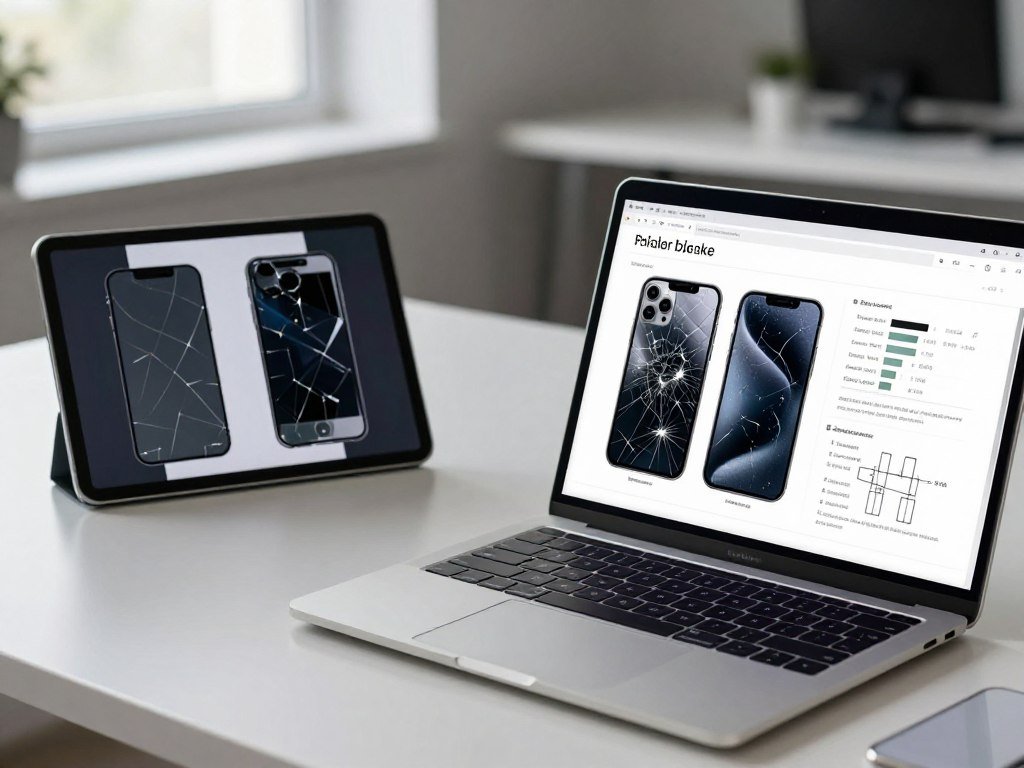
The online posts do not provide a dependable count of distinct affected phones. Some posts describe owners’ experiences, while others repeat images or claims without a clear link to one device. No reliable failure rate was available.
That gap matters because a large thread can include the same image many times. A post count also has no known total number of phones in use as its denominator. Without those two details, the number of reports cannot become a failure rate.
- Firsthand owner accounts describe a person’s own device and experience.
- China demo-device photos circulated on launch day, but their backstory was unknown.
- A second thread alleged similar damage, but no firsthand owner was tied to it.
- Collections of alleged cases did not show how many separate phones they represented.
Photos of damaged demo devices in China drew attention on launch day. Their history was unclear, and user damage could not be ruled out. Without a known chain of events, those photos cannot confirm a manufacturing failure.
A second thread used similar claims, but it could not be tied to a first-hand owner. Collections of alleged cases also lack a clear count of unique devices. The same event can appear in several posts, making volume a poor substitute for confirmed units.
Each kind of evidence has a different limit. A firsthand account can describe what an owner saw, while a photo can show visible damage. Neither automatically proves the source of damage or the number of other affected devices.
A repeated-looking image or repost should not be counted as another confirmed device.
What Did Apple Say, and What Did It Leave Unresolved?
Apple acknowledged an inner-display issue affecting a small number of iPhone Duo units and directed affected users to AppleCare. The company said most users would not experience a display problem. Its statement did not identify a cause or announce a repair program.
Apple’s guidance gives owners with a display problem a direct service route. It does not say that every screen symptom will receive the same finding or outcome. An assessment of an individual device still matters.

The company did not say whether a fix was planned. It also had not announced a recall as of the report. Those points separate its limited-scope acknowledgment from a formal action covering all owners.
The phrase “small number” describes Apple’s account of the issue’s scope. It does not provide a public count of affected units or a failure rate. It also does not settle whether separate reports share the same cause.
For other buyers, Apple’s statement is a sign that some display complaints have reached the company. It is not a claim that every unit has a problem. Nor does it predict what will happen to a particular phone during use.
The company’s response recognizes the problem for some owners without identifying why it happens.
What Could Be Happening Inside the Hinge?
One proposed mechanism is that a hinge support bar could remain too high as the screen folds closed. If so, the inner screen might press against it and create a local stress point. This center-support-bar explanation remains a theory, not a confirmed cause.
The idea focuses on where the reported damage has appeared, along the hinge. A part that fails to move as expected could place pressure on one small area. That possibility gives investigators a place to inspect, but it does not prove a defect.
The proposed support-bar problem
iFixit described a possible sequence: the support bar may not retract far enough, the folding screen may touch it, and repeated or uneven pressure may form a stress hotspot. That hotspot could be near the reported damage.
Why the theory remains a theory
The hinge has several parts that must move together as the phone opens and closes. Multiple components converge near the crossing flex cable, adding complexity to any single-part explanation. The location alone cannot show which component, if any, failed.
- The support bar might be expected to move down as the screen folds.
- The inner screen might contact the bar if it does not retract far enough.
- Several parts might meet near the crossing flex cable, complicating inspection.
Each item describes a possibility, not a finding from the verified device. A manufacturing defect would need evidence from inspection or testing. The reported position of a crack can help guide that work, but it cannot name the cause on its own.
Other factors could also affect a screen near a hinge, including conditions that do not leave an obvious mark. The current reports do not establish that any one factor explains all alleged cases.
A plausible stress point can guide further inspection, but it does not establish that this caused any reported crack.
What Do Fold Tests Say About Durability?
The available fold tests did not reproduce a cracked display on the tested devices. CNET’s machine test had passed 55,000 folds by 9:45 a.m. ET Monday. That result describes one machine-tested unit under its test conditions.
Reviewers Tim Pan and Joanna Stern also folded their review units thousands of times. Both saw wear, but neither reported cracks in those devices. These observations offer useful context, not a forecast for every owner.
The machine test
CNET began its machine test Friday afternoon, October 23, 2026. By Monday morning, the device had completed 55,000 folds. A machine can repeat the same movement, but that does not recreate every pattern of daily handling.
Review units after repeated folding
Pan and Stern each folded a review phone thousands of times. Their units showed wear, yet neither had a cracked screen at the time described. The tests therefore did not reproduce the reported failure on those phones.
| Test | Fold count | Observed result |
|---|---|---|
| CNET machine test | 55,000 by 9:45 a.m. ET Monday | No cracked display reported |
| Tim Pan review unit | Thousands | Wear, but no cracks |
| Joanna Stern review unit | Thousands | Wear, but no cracks |
A fold count is not the same as a full measure of durability. It records how many times a specific device moved in a test. Daily use can involve different angles, speeds, handling, and exposure to particles.
The test results can help compare observed behavior across units, but they do not settle the cause of an alleged case. A passed machine test also cannot show how every production phone will behave.
A passed test is evidence about the tested unit, not a guarantee for every phone.
Can Dust or Debris Affect the Hinge?
The powder test showed that particles reaching moving hinge parts could change how the hinge sounded. In iFixit’s test, fluorescent powder reached those parts and the hinge began crunching. The test did not reproduce a cracked screen.
The result concerns movement and sound, not the cause of the display reports. A change in hinge noise can show that particles entered a moving area. It cannot establish that the same particles would damage the screen.
What happened in the powder test
iFixit used fluorescent powder to make particle movement easier to see. The test tracked where the powder went as the phone was handled. The hinge’s sound changed after powder reached moving parts.
- Fluorescent powder was placed around the device.
- The phone was opened and closed during the test.
- The hinge began crunching after powder reached moving parts.
What the test does not establish
The crunching sound was an observed change in hinge behavior. It was not evidence of a screen fracture or a confirmed display fault. The test also did not show that debris caused any reported crack.
A demonstration with powder does not prove how a phone behaves in every setting. It cannot establish that all hinges admit particles, or that every particle causes damage. The conditions of one test should not be treated as a diagnosis of another phone.
Owners who hear a new sound may want to note when it starts and whether it changes during movement. That observation can help describe the symptom during an assessment. It does not identify the source by itself.
A crunching hinge merits attention, but this test did not show that the display would crack.
What Does the iPhone Duo Crackgate Evidence Audit Six Hours 2026 Show?
The six-hour account belongs to the launch-day reporting window, not to a later durability study. Preorders opened October 16, 2026, and the phone became available October 23. The dates establish when events happened, not how often phones failed.
Inner-display crack reports appeared on availability day. Apple’s response was reported on October 26. That sequence shows how quickly the story developed after launch, while leaving cause and frequency separate questions.
| Date | Event | What the event establishes |
|---|---|---|
| October 16, 2026 | Preorders opened | Buyers could place orders |
| October 23, 2026 | Availability and first reports | Launch-day reports emerged |
| October 26, 2026 | Apple response reported | Apple acknowledged an issue |
The October 16 preorder date marks when customers could begin ordering. It does not provide a count of phones in use. The October 23 date marks availability and the first reported complaints.
The six-hour detail describes one owner’s account of early use. It may sound striking, but a short timeline does not establish whether a failure was common. That requires a count of distinct devices and a clear comparison with units sold or used.
Apple’s reported response came three days after availability began. The timing shows that the company addressed the issue early in the launch period. It does not amount to a diagnosis or a public rate of failure.
The timeline confirms how quickly the story emerged, not how common the failure is.
Why Is the September Crack Photo Not Evidence?
The September image cannot document months of use because the iPhone Duo had not shipped. It was debunked on that timeline alone. A picture with an impossible date cannot support a claim about real-world use.
Some alleged-crack images were also suspected of being AI-generated. That concern applies to particular images, not every picture shared online. A disputed image needs to be checked before it is treated as evidence.
Photos can help show visible damage, but their context matters. A clear image may still lack a reliable date or a link to the phone described. A caption alone cannot establish when the picture was made.
- Check the original post date and whether it fits the product’s release timeline.
- Look for an identifiable owner who describes a firsthand event.
- Check whether the image is tied to a specific device and its history.
These checks help separate an alleged case from a confirmed event. They do not prove that an image is false simply because details are missing. They show what information is still needed to judge its value.
A real launch-week account has a different timeline from a September image claiming months of use. Keeping those records separate helps prevent an old or misleading post from inflating the apparent number of incidents.
An image is useful evidence only when its timing and connection to a real device can be checked.
How Much Does an iPhone Duo Display Repair Cost?
The inner-display repair is listed at $999 without AppleCare+ and $99 with it. The outer display repair is $379. The listed amount depends on the service and AppleCare+ status.
Other listed costs include $229 for battery service and up to $1,499 for other damage repairs. AppleCare+ costs $399 upfront. These figures describe service prices, not an assessment of any particular device.
| Service or plan | Listed amount | Condition |
|---|---|---|
| Inner-display repair | $999 | Without AppleCare+ |
| Inner-display repair | $99 | With AppleCare+ |
| Outer-display repair | $379 | Listed repair amount |
| Battery service | $229 | Listed service amount |
| Other damage repair | Up to $1,499 | Depends on damage type |
The $399 AppleCare+ price is an upfront plan cost, separate from a repair amount. A service assessment determines how a reported problem is classified. The table does not decide whether damage is covered or how Apple will handle one case.
A visible line, a physical crack, and a hinge problem may lead to different service findings. The reported appearance alone does not establish the bill. The repair category and applicable coverage matter to the final amount.
Owners comparing repair options should separate plan cost from service cost. The two amounts describe different things, even when both relate to the same device.
Check the service assessment and the applicable coverage before treating a listed repair amount as the bill for a specific case.
What Do the Return Window and Warranty Cover?
Launch buyers had two weeks to return the device, and normal-use hinge failures fell under the one-year warranty. That coverage does not guarantee that every screen problem will be judged a covered defect.
A hinge failure from normal use is different from damage caused by an accident. Service staff assess the reported problem and the device’s condition. The assessment determines how a particular failure is classified.
The two-week return window gave launch buyers a limited period to return the phone. The one-year warranty covered hinge failures from normal use. Those protections address different needs: returning a recent purchase and seeking service for a covered failure.
A screen symptom does not by itself prove that the hinge failed. A bright line or damaged display can have more than one explanation. That is why a warranty decision should not be assumed from a symptom alone.
Buyers should keep their purchase date and service records together. The date helps show whether the return period or warranty term applies. Service notes can also describe what was found during an assessment.
Keep the purchase date and any service assessment available when asking how a particular failure will be covered.
Which Design Details Matter to the Damage Debate?
The foldable design places a 7.6-inch inner OLED display opposite a 5.4-inch outer OLED display. The inner screen uses a custom polymer cover layer with up to 40 percent higher stiffness than other industry materials. Those design details describe the product, not the cause of a reported crack.
The two displays serve different roles as the device opens and closes. The inner screen bends at the hinge, while the outer display remains available when the phone is shut. Foldable phones add a hinge and two-screen layout, which brings more moving parts than a standard phone.
The folding display and cover layer
The 7.6-inch inner OLED provides the larger viewing area when open. The 5.4-inch outer OLED handles use when the phone is closed. The custom polymer layer sits over the inner display and has a stated stiffness advantage.
The stiffness figure compares the cover material with other industry materials. It does not mean the screen cannot be damaged. Material strength and the condition of an individual device are separate questions.
Materials, dimensions and resistance rating
Open, the device measures 6.48 inches wide, 4.64 inches high, and 0.21 inch deep. Closed, it measures 3.31 inches wide, 4.64 inches high, and 0.44 inch deep. It weighs 8.96 ounces, or 254 grams, in either position.
The design uses titanium, Ceramic Shield 2 on the front, and Ceramic Shield on the back. These materials describe the body and outer surfaces. They do not establish how the folding screen will respond to every kind of pressure.
The phone carries an IP68 water and dust resistance rating, with a stated maximum depth of 6 meters for up to 30 minutes. A rating gives specific resistance conditions, not a promise about every setting or moving part.
Readers comparing foldable designs can review a phone buying guide covering different foldable styles. The guide’s broader comparisons do not provide evidence about this hinge or any reported damage.
Keep the stated water and dust rating separate from any conclusion about a specific hinge failure.
Does a Bright Pixel Line Prove the Screen Is Physically Cracked?
A bright line on a display does not, by itself, prove that the screen surface has physically cracked. Faulty wiring can create a similar visual effect. A pixel line can signal a display fault without confirming a surface fracture.
Some reported iPhone Duo display faults appeared as a bright line of pixels across one side of the screen. The symptom may look like damage, but an image or short description cannot diagnose the internal failure. A physical inspection may be needed to tell what happened.
- Note where the line appears on the inner screen.
- Record whether the surface has a visible mark.
- Watch whether the symptom changes as the screen opens.
- Note whether any hinge sound accompanies the line.
These details describe what the owner can observe without assigning a cause. A line that appears in the same place can still have an internal source. A visible surface mark may add useful context, but does not alone explain the fault.
Clear wording can also help a service assessment. “Bright line across the right side” describes a symptom more precisely than calling every display problem a crack. That distinction keeps a visual report separate from a confirmed diagnosis.
Describe what the screen shows before naming what caused it.
A service record can note whether the line stays in one place or changes with movement. That observation gives the assessment a useful detail without deciding whether the screen is physically fractured.
Describe the visible symptom accurately rather than treating “crack” as a confirmed diagnosis.
Conclusion
The launch-week reports deserve careful attention, while the evidence still does not establish how widespread the problem is. The verified incident confirms real damage and a replacement, but it does not prove a general manufacturing defect or failure rate.
Owners who notice a display problem can save a clear image of the screen and note when the symptom appeared. Those details preserve what happened before an assessment. If a display symptom appears, preserve a clear record of it and its timing before arranging an assessment.
FAQ
Can a bright line on an iPhone Duo screen be a display fault rather than a physical crack?
Yes, a bright pixel line can come from a display or wiring fault rather than a physical crack. The same visual effect can have different causes inside the screen. A picture may show where the line appears, but it cannot confirm whether the surface broke. Describe the line and any visible mark separately when recording the symptom.
Does one verified cracked iPhone Duo prove a manufacturing defect?
No, one verified damaged phone does not prove a manufacturing defect. Moderator checks confirmed the device and its replacement, but not the cause of the damage. A single case also cannot show that other units share the same problem. A diagnosis would require evidence about the specific device and its failure.
Does the iPhone Duo’s IP68 rating mean debris cannot affect its hinge?
No, the IP68 rating does not prove that debris cannot affect a moving hinge. The stated rating includes water and dust resistance, with a maximum depth of 6 meters for up to 30 minutes. Those terms do not explain what happened inside an individual device. The powder test showed a change in hinge sound, not a cracked display.
How many folds did the iPhone Duo pass in the machine test?
CNET’s machine test had passed 55,000 folds by 9:45 a.m. ET Monday. The tested device had not shown a cracked display in that report. A machine test describes one phone under set conditions, not every production unit. A passed fold count is useful evidence about that test, but it cannot guarantee the same result for every owner.
Could a replacement take longer than the Australian owner’s same-day replacement?
Yes, another replacement could take longer than the Australian owner’s same-day service. Launch-day availability varied, and limited stock could mean a wait. The owner’s experience shows what happened at one Apple Store on that day. It does not set a standard turnaround time for every store or later service request.
Was the viral September 2026 photo of a cracked iPhone Duo real?
No, the September 2026 image was debunked because the phone had not shipped yet. It could not document months of use before buyers received the device. That finding applies to that image and its claim. It does not mean every later image of alleged damage is false; each needs a clear date and connection to a real device.