

What would you do if the password you typed this morning showed up in a criminal marketplace by Friday? That question is not hypothetical anymore. It is the daily reality for security teams cleaning up after a year of attacks that hit car-rental apps, restaurant chains, hospitals, universities, and payment processors. The breaches of 2027 were not exotic. Almost every one of them started with a boring weakness somebody decided to live with.
This is a look at ten of the defining incidents, what actually broke, and the practical habits that separate companies that recover quickly from companies that never do. No scare tactics. Just the patterns that keep repeating, and how to break them.
Why 2027’s Breaches Look Bigger Than Earlier Ones
Three forces made 2027 a rough year. Attack surfaces kept expanding as companies moved to multi-cloud setups and decades of user data piled up. Attackers got better funded and more organized, and they started leaning on AI to sift and combine stolen records. And detection stayed slow. The average organization needs roughly 277 days to identify and contain a breach, which is nine months of quiet exfiltration before anyone raises an alarm, according to a breach timeline compiled by security researchers at PassGen.
That number matters more than any single headline. A breach is rarely one dramatic hack. It is a chain of small failures: an unpatched library, a stale admin credential, a vendor nobody audited. Each link looks survivable on its own. Together they hand over the keys.
The 10 Breaches That Defined 2027
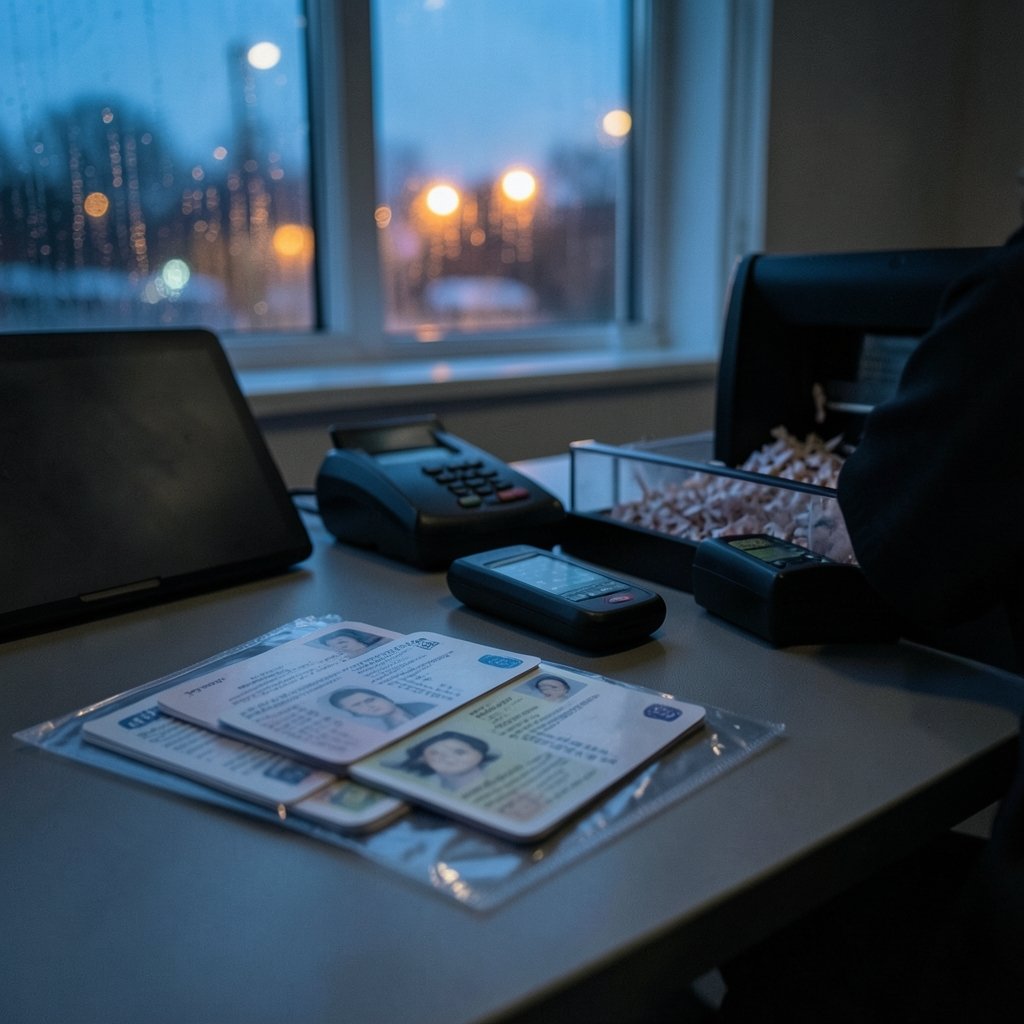
The ten incidents below span different industries and different technical causes, but they share a common thread: a control that existed on paper and failed in practice. Treat them as case studies, not gossip.
| # | Incident | Sector | Core failure | Lesson |
|---|---|---|---|---|
| 1 | Times car-share leak | Mobility | ID document storage | Biometric and ID files need their own vault |
| 2 | Yakiniku King member data | Food service | Weak access control | Loyalty data is identity data |
| 3 | CareCloud and TriZetto vendor breaches | Healthcare billing | Third-party exposure | Vendor risk is your risk |
| 4 | iRhythm and Oracle Health incidents | Health tech | Fragmented patient records | Map data flows before an incident |
| 5 | ENGIE disclosure | Energy | Legacy segmentation gaps | Segment old systems first |
| 6 | University of Copenhagen attack | Education | Research data protection | Universities are prime targets |
| 7 | New Mexico university hospital | Healthcare | Ransomware-adjacent theft | Buy backups and test them |
| 8 | Brotli library exploitation | Software supply chain | Unpatched dependency | Patch libraries like production code |
| 9 | RIA third-party compromises | Financial services | Evidence gaps | Document controls before exams |
| 10 | Backup software attacks | Infrastructure | Backup as a target | Isolate backups from the network |
1. Times Car Share: When ID Photos Leak
The car-sharing service disclosed a leak affecting about 1.6 million records, including images of identity verification documents. This is the worst kind of breach to inherit as a customer, because a passport photo cannot be reissued the way a password can. The operational fix is unglamorous: store identity documents in a separate, tightly access-controlled system, encrypt them at rest, and delete them the moment verification is complete. Most companies keep them forever “just in case,” which turns a compliance file into a liability.
2. Yakiniku King: Loyalty Data Is Identity Data
A restaurant chain exposed roughly 10.79 million member records. Loyalty programs feel low-stakes, so they often run on aging infrastructure with shared admin accounts. But a name, phone number, birth date, and address is exactly the package that sells well on criminal markets. If you run a membership database, audit who has admin rights this week, not next quarter.
3. CareCloud, TriZetto, and the Vendor Problem in Healthcare
Major healthcare vendor breaches tied to CareCloud, TriZetto, iRhythm, and Oracle Health showed that clinics can do everything right internally and still lose patient data through a billing partner. Budget conversations for 2027 should center on vendor oversight, HIPAA risk assessments, and incident response readiness rather than another firewall. Ask every vendor two questions: where does our data live, and who can read it?
4. The University Hospital in New Mexico
Hospitals remain the highest-stakes target because downtime can cost lives. The lesson from this and similar incidents is that continuity planning beats prevention alone. If your electronic records go dark, can clinicians work for 48 hours? The answer lives in tested downtime procedures, not in a binder.
5. ENGIE: Legacy Systems Are the Soft Spot
One of the largest energy firms in Europe reported a breach, a reminder that operational technology and old on-premise systems rarely get the same security attention as customer-facing apps. The practical move is to segment legacy environments so a compromised office laptop cannot reach industrial controls.
6. The University of Copenhagen
Universities hold research data, donor records, and student identities, usually across dozens of semi-independent departments. Centralized logging and a single incident hotline are the cheapest wins most institutions skip.
7. The Brotli Library Vulnerability
A flaw in Brotli, the compression library used across websites and apps, allowed remote code execution, and there were already attack attempts in the wild. This is the supply chain lesson in miniature: your security posture is only as strong as your least-patched dependency. Automated dependency scanning catches this class of bug before attackers do.
8. Investment Advisers and Third-Party Risk
Regulatory exam priorities for 2027 put adviser cybersecurity, data privacy rules, and third-party risk under renewed scrutiny. Firms that cannot produce evidence of tested controls face harder exams. If you manage client money, write down what you do, then prove you did it.
9. Backup Software as an Attack Surface
A federal warning flagged actively exploited backup software. Attackers target backups because deleting them removes your recovery option. Keep at least one copy offline or immutable, and restore-test it quarterly.
10. The Slow-Disclosure Pattern
Across the year, the common thread in the worst outcomes was not the intrusion but the delay. Organizations that told customers within days kept more trust than those that waited months. Transparency is a security control.
The Lessons That Actually Change Outcomes
Studying these incidents yields a short list of actions that hold up in real operations rather than on slide decks alone.
Patch the boring stuff first. Most 2027 incidents trace to a missing update or a stale credential. A weekly patch review beats an annual penetration test for everyday risk.
Treat vendors as part of your perimeter. Request a security summary, confirm data location, and set a contractual notification window. If you are weighing tools that handle sensitive data, the same logic applies to your software stack, from chatbot platforms you migrate to the AI chatbots you allow with zero data training.
Assume detection will take months, then shorten it. Centralize logs, alert on unusual data volumes, and rehearse the first hour. Teams that practice the first hour recover in days.
Protect identity documents separately. Verification files deserve encryption, short retention, and a strict access list.
Make backups boring again. Offline copies, tested restores, and separate credentials for backup systems.
Write it down. Regulators increasingly want evidence, not assurances. A simple control register beats a polished promise.
Common Mistakes That Turn an Incident Into a Crisis
First-hand observation from security reviews points to a handful of recurring errors. Teams store incident playbooks in the same system that gets encrypted. They give backup administrators domain-wide rights. They assume a vendor’s breach is the vendor’s problem. They notify regulators before they know the scope, then correct the record publicly. And they rebuild the same architecture that failed, because rebuilding is faster than redesigning.
The fix is sequencing, not spending. Decide who calls whom in the first hour. Decide who owns customer communication. Decide what “contained” means before you need the word. This is the same discipline that makes training an AI chatbot on your own data safe: know what goes in, who can see it, and how to pull it back out.
Personal Hygiene After a Breach Hits a Service You Use
Consumers are not passive here. When a service you use discloses a breach, rotate the password immediately, especially if you reused it. Turn on two-factor authentication everywhere it exists. Watch for phishing that references the breached company by name, since stolen records give attackers credible details. And consider a password manager so that one leak cannot cascade. Comparisons of 1Password, LastPass, and RoboForm show meaningfully different protection models, and a VPN with a real privacy record helps on hostile networks.
For analysts, breach data is also a working dataset. Teams that want to model exposure patterns without enterprise budgets can start with AI data analysis tools that offer free plans, while larger security groups increasingly lean on AI presentation tools that chart findings in one click to brief executives fast.
How to Build a 2027-Proof Response Plan
A workable plan fits on two pages. Start with an asset map: where identity data, health data, and financial records live, including vendor systems. Then define detection: which logs, which alerts, who watches them on weekends. Then response: a named incident lead, a legal contact, a communications owner, and a 24-hour decision rule for disclosure. Then recovery: offline backups, tested restores, and a prioritized rebuild order. Finally, review: a quarterly tabletop exercise and an annual vendor audit.
One more practical tip: run a tabletop where the scenario is a vendor breach, not a direct hack. Most teams have never practiced that, and it is the most likely event.
Conclusion
The breaches of 2027 were not caused by genius attackers. They were caused by unpatched libraries, sprawling vendor access, identity files kept too long, and detection that took months. The good news is that each of those failures has a cheap, boring fix. Patch weekly. Audit vendor access. Vault identity documents. Test backups. Practice the first hour. None of it is glamorous, and all of it works. The organizations that internalize that will spend 2028 reading about other people’s breaches instead of living through their own.
FAQ
What was the largest data breach of 2027?
By record count, the Yakiniku King member-data leak, at roughly 10.79 million records, was among the largest disclosed in 2027. The Times Car Share incident, which exposed about 1.6 million records including identity document images, was smaller by volume but more damaging per record because photos cannot be reissued.
Were the 2027 breaches caused by AI attacks?
AI played a supporting role rather than a leading one. Attackers used automation to combine and package stolen records, which raised their resale value. The entry points, however, were familiar: unpatched software, weak access controls, and third-party vendors.
How long does it take companies to detect a breach?
The average organization needs about 277 days to identify and contain a breach, according to a breach timeline compiled by PassGen. That is roughly nine months of undetected exfiltration, which is why faster detection is often worth more than extra prevention spending.
What should I do if a company I use reports a breach?
Change the password immediately, especially if you reused it elsewhere. Enable two-factor authentication. Watch for phishing that cites the breached company. If identity documents were exposed, consider a credit freeze and monitor accounts for unusual activity.
Why do vendor breaches keep happening in healthcare?
Healthcare relies on billing, scheduling, and records vendors that hold data for many clinics at once, so a single vendor failure spreads across hundreds of providers. Clinics often cannot see inside those systems, which makes contractual security requirements and vendor risk assessments essential.
What is the single most effective security step for a small business?
Patch management. Most incidents trace back to a known vulnerability or a stale credential that a routine weekly update review would have caught. It costs almost nothing and closes the most common door.



