
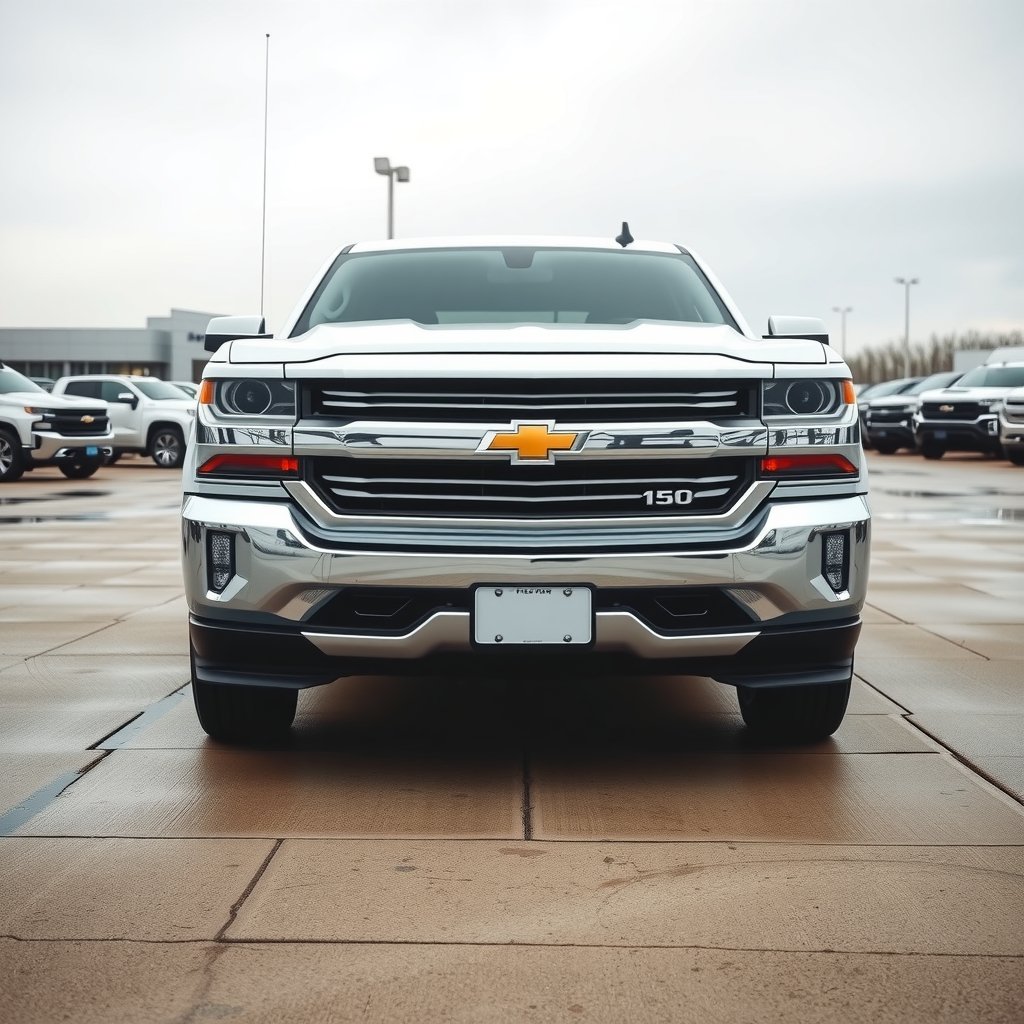
What will the 2027 Chevrolet Silverado 1500 actually be? That question is harder to answer than it looks, and anyone who claims to have the full spec sheet is probably guessing. The 2027 Silverado 1500 is a future model year that, at the time of writing, has not been formally confirmed by General Motors in any detail the public can verify. That does not make the question useless. It makes it a question about timing, patterns, and how to separate signal from noise.
This guide takes a different approach from the rumor mill. Instead of inventing horsepower figures and trim prices, it walks through what is genuinely knowable about GM’s full-size truck cadence, what remains unconfirmed, and how a careful buyer should research the 2027 model year before signing anything. If you are cross-shopping trucks and want a clear-eyed read on where the Silverado 1500 stands, this is the honest version.
Why the 2027 Silverado 1500 Is Still a Moving Target
Full-size trucks are not launched the way phones are. GM runs the Silverado 1500 on a long product cadence, with a full redesign roughly every five to six years and a mid-cycle refresh somewhere in the middle. The pattern most observers point to is a redesign around 2014, another around 2019, and a refresh around 2022. Extend that rhythm forward and a 2027 model year could plausibly land as either a mid-cycle update or the opening of a new generation.
The honest caveat: no official GM announcement confirming the 2027 Silverado 1500’s platform, powertrains, or timing has been verified. Treat any “leaked specs” article you find as speculation until it traces back to GM’s own pressroom or a dealer order guide. That single rule will save you from most of the misinformation circulating about future trucks.
The Tell-Tale Signs a Model Year Is Real
Before a truck hits showrooms, several official breadcrumbs appear. Watching for them is the most reliable way to know whether a 2027 Silverado 1500 is genuinely imminent:
- GM and Chevrolet pressroom announcements describing model-year changes. This is the only authoritative source for specs and timing.
- EPA fuel economy listings on FuelEconomy.gov. Once a model year is certified, official figures appear. Absence of a 2027 entry is itself evidence it has not launched.
- CARB and EPA certification documents, which list certified engine and emissions configurations by model year.
- NHTSA records, including safety ratings, recalls, and the VIN decoder, which confirm a model year exists in the U.S. market.
- Dealer order guides, which show trims, engines, and options before launch and are often republished by enthusiast forums.
- Monroney label archives, which capture the window stickers of delivered vehicles.
If none of those exist yet, the truck has not been formally released, no matter how confident a forum post sounds.
What the Silverado 1500 Lineup Looks Like Today
To understand where 2027 might go, it helps to know where the truck stands now. The current Silverado 1500 is a broad lineup spanning work-truck trims up through luxury-adjacent ones, with a mix of turbocharged four-cylinder, inline-six diesel, and V8 engines depending on trim. Four-wheel drive is available across most of the range, and towing and payload capabilities vary widely by configuration rather than being a single number.
That breadth is the point. The Silverado 1500 is not one truck; it is a family of trucks built for very different buyers, from fleet operators to families who tow a camper on weekends. Any 2027 changes will likely be judged on how well they preserve that flexibility while improving efficiency and in-cab technology.
The Practical Lesson From Past Model Years
Here is a pattern worth internalizing. When a new model year arrives, the biggest changes usually cluster in three places: powertrain efficiency, interior technology, and driver-assistance features. Sheet metal and frame changes come less often. So if you are weighing whether to wait for a 2027 or buy a current-year truck, ask yourself which of those three areas actually matters for how you use the vehicle.
A buyer who mainly hauls tools and cares about cost per mile should watch powertrain and fuel economy news. A buyer who spends hours in traffic should watch interior and driver-assist updates. A buyer who tows heavy loads should watch payload and cooling changes, which are rarely headline news but matter enormously in practice.
How to Research a Future Model Year Without Getting Fooled
Future-vehicle research is a skill, and most people do it badly. The common mistake is to trust the first search result that promises a full spec sheet. The better approach is a short, disciplined checklist.
Common Mistakes Buyers Make
- Believing “confirmed” claims with no primary source. If an article says “GM confirmed” but does not point to a GM release, it is not confirmed.
- Confusing spy photos with production specs. Camouflaged test trucks reveal shape, not horsepower.
- Assuming prices will hold. Future pricing is almost always a guess until order guides appear.
- Ignoring the current model. If the current truck meets your needs, waiting for an unconfirmed model year is a gamble, not a strategy.
What Actually Works in Practice
Start with the manufacturer’s own pressroom, then cross-check against government databases for fuel economy and safety. If a claim about the 2027 Silverado 1500 cannot be traced to one of those, file it under rumor. This habit also protects you when you are researching adjacent purchases, whether that is a work truck accessory or a fleet of delivery vehicles. Buyers comparing tools across categories often benefit from broader roundups, such as this guide to the best AI tools by job role in 2027, because the same “verify the source” discipline applies everywhere.
Where the 2027 Silverado 1500 Fits in the Broader Market
Full-size trucks are in the middle of a quiet transformation. Electrification, whether hybrid or full battery-electric, is reshaping how every manufacturer thinks about efficiency and torque delivery. The Silverado nameplate already spans both a traditional 1500 and a separate electric model, which tells you GM sees the badge as a family rather than a single vehicle. How the 2027 Silverado 1500 positions itself against that electric sibling is one of the more interesting open questions.
There is also the technology story inside the cab. Modern trucks have become rolling offices, with large screens, connected services, and driver-assistance suites that would have seemed futuristic a decade ago. Buyers increasingly evaluate a truck the way they evaluate a laptop, and the 2027 model year will be judged on that front as much as on towing capacity.
The Dealer Conversation That Saves Money
When a new model year is close, dealers face pressure to move current inventory. That creates leverage for buyers who are flexible about which model year they drive off in. The practical move is to ask directly when the dealer expects the next model year to arrive and whether current-year incentives are likely to improve. Dealers often know more than the public about timing, even if they cannot share official specs. Use that conversation to decide whether waiting is worth it for you.
If you are also modernizing the business side of a truck-dependent operation, the same efficiency logic applies to customer communication. Tools that handle routine inquiries well, like the ones covered in this roundup of AI chatbots for e-commerce in 2027, are worth understanding before you commit budget. Knowing when automation helps and when it does not is a theme that runs through this guide to when not to use an AI chatbot as well.
A Realistic Comparison: Waiting vs. Buying Now
The central decision for most shoppers is simple. Do you wait for a 2027 Silverado 1500 that may bring improvements, or buy a current-year truck with known specs and available incentives? Here is how the trade-offs stack up.
| Factor | Wait for 2027 | Buy current year now |
|---|---|---|
| Specs certainty | Low until official release | High, fully documented |
| Pricing | Unknown, likely higher | Known, with possible incentives |
| Availability | Limited at launch | Immediate |
| Technology | Possibly newer | Proven and supported |
| Risk | Delays, first-year issues | Minimal |
| Best for | Buyers with no urgency | Buyers who need a truck now |
The pattern is familiar to anyone who has tracked a product launch. First-year vehicles can carry early-production quirks, and the first months of a new model year often mean limited inventory and little room to negotiate. Buyers who need a truck for work should weigh that heavily.
What to Watch in the Months Ahead
Rather than memorize rumors, track a small set of signals. Official GM and Chevrolet pressroom updates are the first. EPA fuel economy listings are the second, because they confirm a model year is certified and real. NHTSA safety and recall records are the third. Dealer order guides are the fourth. When two or more of those line up, you are looking at a genuine launch rather than a speculative article.
It also helps to watch how the current Silverado 1500 evolves. Mid-cycle updates often preview the direction of the next generation, so improvements in the current truck are a reasonable hint at what the 2027 model year might emphasize. If a feature appears across the lineup one year, it tends to stick.
Conclusion
The 2027 Chevrolet Silverado 1500 is best understood as a future model year that has not yet been confirmed in verifiable detail. That is not a disappointing answer; it is the accurate one. What buyers can do is track the official signals, understand the truck’s long product cadence, and decide whether waiting serves their actual needs or just their curiosity. If you need a truck now, a current-year Silverado 1500 with known specs and available incentives is a rational choice. If you can wait, watch the pressroom, the fuel economy listings, and the safety records, and let verified information rather than rumor guide the decision. The buyers who come out ahead are rarely the ones who moved first; they are the ones who knew what to look for.
FAQ
When will the 2027 Chevrolet Silverado 1500 be released?
No official release date has been verified. GM has not publicly confirmed detailed timing for the 2027 model year in sources available for this article. Watch the Chevrolet pressroom, EPA fuel economy listings, and NHTSA records for the first reliable signals that a 2027 model year is certified and real.
What engines will the 2027 Silverado 1500 offer?
That is unconfirmed. The current Silverado 1500 offers a mix of turbocharged four-cylinder, inline-six diesel, and V8 engines depending on trim, but no verified information confirms which powertrains carry into 2027. Treat any specific engine claim as speculation unless it traces to GM or a certification document.
Should I wait for the 2027 model or buy a current Silverado 1500?
It depends on urgency. If you need a truck for work or family duties now, a current-year model offers known specs, immediate availability, and possible incentives. If you can wait, the 2027 model year may bring updates, but you will face limited launch inventory and uncertain pricing.
How can I tell if 2027 Silverado rumors are true?
Check the source. If a claim cannot be traced to GM’s own pressroom, an EPA or CARB certification, an NHTSA record, or a dealer order guide, it is a rumor. Spy photos show shape, not specifications, and forum posts are not confirmation.
Will the 2027 Silverado 1500 be electric?
Unconfirmed. The Silverado nameplate already includes a separate electric model alongside the traditional 1500, so GM clearly treats the badge as a family. Whether the 2027 Silverado 1500 itself adds electrification, hybrid or otherwise, has not been verified.
What should I check before buying any new model year truck?
Confirm the model year exists in official records, review EPA fuel economy and NHTSA safety data, ask the dealer about order guide timing, and inspect the Monroney label on the actual vehicle. First-year production can carry early quirks, so a thorough test drive and a clear return policy matter.



