
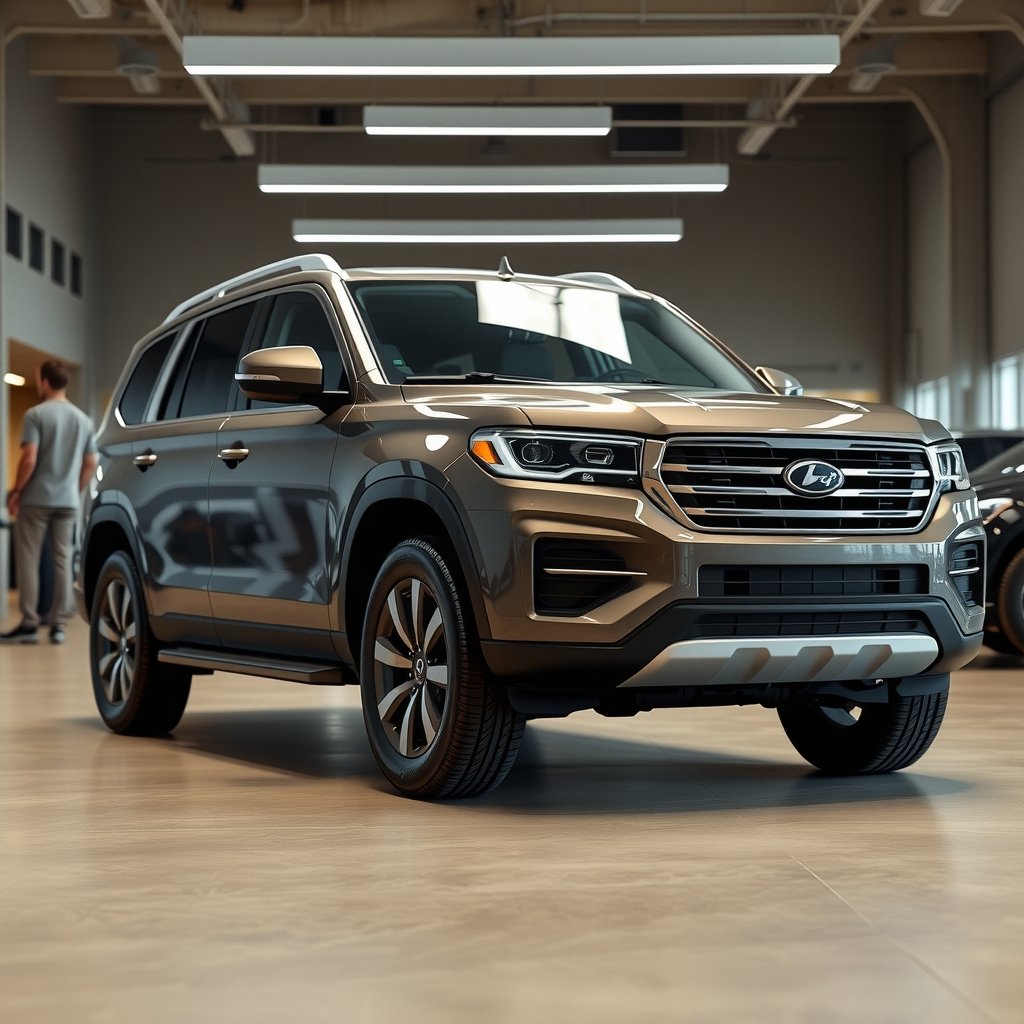
Will the 2027 Chevy Tahoe be a quiet carryover, a technology showcase, or something bigger? That is the question shoppers, fleet managers, and three-row families are asking as GM’s full-size SUV approaches another model year. The honest answer, as of late 2026, is that Chevrolet has not published a full 2027 Tahoe specification sheet, so anyone claiming exact pricing, trim breakdowns, or confirmed powertrain menus is guessing. What can be done is something more useful: separate what is firmly established about the Tahoe line from what is plausible, and explain how buyers should verify details before signing anything.
Why the 2027 Tahoe Matters More Than a Typical Model Year
The Tahoe is not a niche product. It sits on GM’s body-on-frame truck platform and has spent decades as one of the default choices for buyers who need genuine towing capacity, eight-ish seats, and the kind of presence that a unibody crossover cannot fake. The current generation arrived for the 2021 model year, and a mid-cycle refresh was widely reported for 2025, bringing updated exterior styling, a reworked interior, and newer technology. That timeline matters. If the big refresh landed in 2025, a 2027 model is most likely to be a refinement year rather than a clean-sheet redesign.
That pattern is normal in Detroit. Automakers typically introduce a new model year in the preceding calendar year, so a 2027 Tahoe would plausibly be announced or released during 2026. GM has not confirmed a launch date, trim structure, or pricing for the 2027 model, and no verified information exists about a next-generation platform or an electrified Tahoe variant. Buyers should treat any specific claim about those topics as unconfirmed until it appears in official GM communications.
What Is Solid Ground: The Tahoe Formula
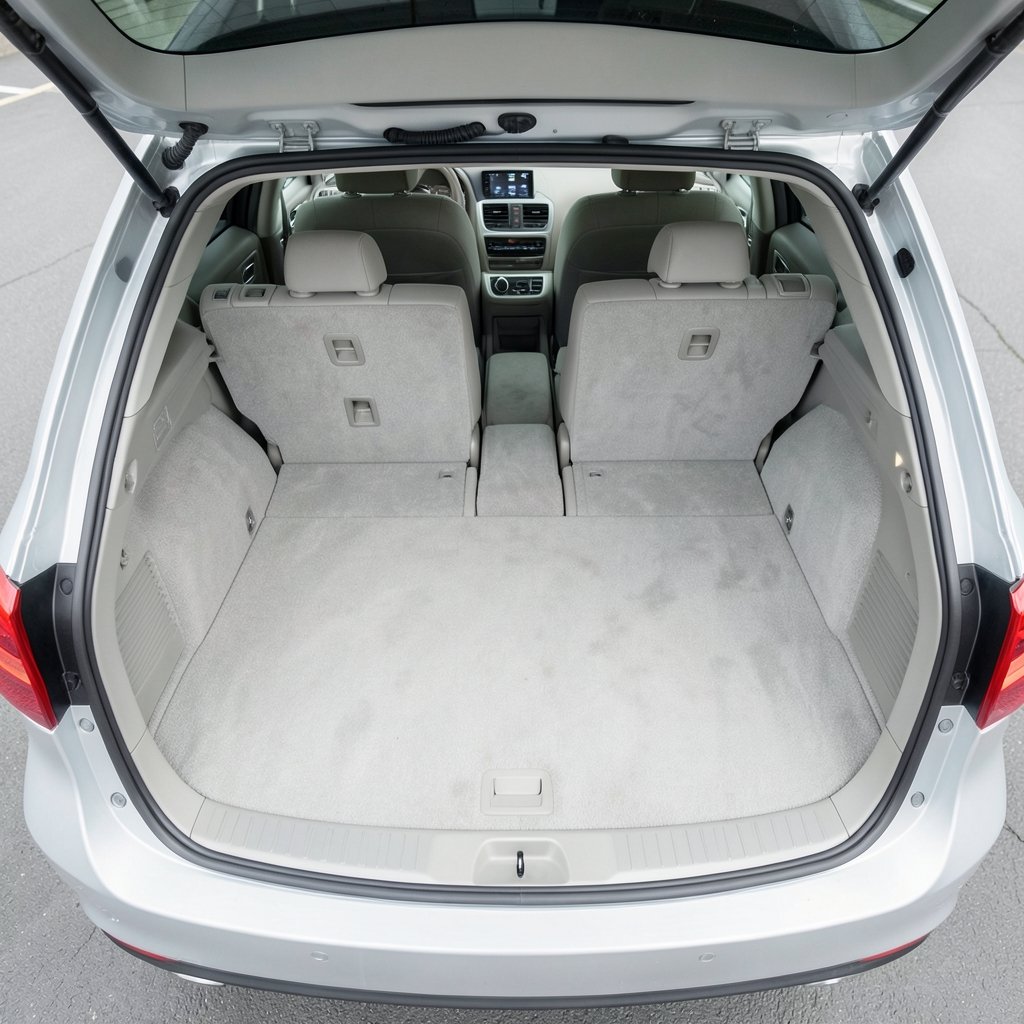
Even without a 2027 spec sheet, the architecture of recent Tahoes tells you a lot. These are the traits that have defined the truck through recent model years and are the safest baseline for planning.
| Area | What Recent Tahoes Have Offered | Status for 2027 |
|---|---|---|
| Platform | Body-on-frame, shared with GM’s full-size truck family | Established design approach |
| Engines | 5.3L V8, 6.2L V8, 3.0L Duramax turbo-diesel | Lineup varies by model year; unconfirmed |
| Transmission | 10-speed automatic | Widely paired with these engines |
| Driver assistance | Super Cruise hands-free system expanding across GM lineup | Availability unconfirmed |
| Seating | Three rows, full-size proportions | Core to the model’s identity |
The takeaway is simple. If you are shopping a 2027 Tahoe, you are almost certainly shopping a body-on-frame SUV with V8 and diesel options, a 10-speed automatic, and a cabin designed around hauling people and cargo. What remains open is which of those engines survive into 2027, which trims get them, and where Super Cruise lands in the hierarchy.
The Powertrain Question Buyers Keep Asking
Engine lineups are where model-year changes bite hardest. A 5.3L V8 has long been the volume choice, the 6.2L V8 the muscle option, and the 3.0L Duramax turbo-diesel the fuel-economy play for people who tow. GM has not confirmed the 2027 lineup, so the practical advice is to verify engine availability per trim before you fall in love with a build.
A common mistake shoppers make is assuming the configurator reflects the full menu. In practice, engine availability shifts by trim, by drivetrain, and sometimes by region or fleet allocation. If the diesel matters to you because you tow a travel trailer several times a year, confirm it is orderable in the trim you want before you negotiate price. The same goes for the 6.2L V8 if you want maximum towing headroom. Dealers can check order guides, and those guides are more reliable than a blog post or a forum thread.
Technology: Where the Real Uncertainty Lives
GM has been steadily expanding Super Cruise, its hands-free driver-assistance system, across the lineup, and the Tahoe has been among the vehicles gaining it in recent model years. Whether 2027 trims add it, keep it, or restructure which packages include it is unconfirmed. Buyers who care about hands-free highway driving should ask a specific question at the dealership: which 2027 Tahoe trims include Super Cruise, and is it standard or bundled?
The same caution applies to infotainment and camera systems. The 2025 refresh brought newer interior technology, and subsequent model years typically refine rather than reinvent. If a feature is central to your purchase, get it in writing on the order sheet rather than relying on a trim name you saw in a video.
This is also where a broader lesson from the tech world applies. Buyers increasingly evaluate vehicles the way they evaluate software, comparing assistants, interfaces, and automation features side by side. If you enjoy that kind of comparison shopping, a look at how AI chatbots like GPT-5 and Claude compare under the hood in 2027 shows how quickly feature claims age, which is a useful mental model for evaluating any “new for 2027” marketing line. (Best ai translation tools 2027 deepl vs chatgpt vs google)
How to Shop a 2027 Tahoe Without Getting Burned
The single best defense against unverified information is a disciplined process. Here is what actually works in practice.
- Start with official sources. The manufacturer’s own model information, GM’s newsroom releases, and official government data are the only places where pricing, powertrain, and safety details become facts. Enthusiast forums are great for ownership experience and terrible for specs.
- Check safety data by model year. Crash-test ratings and recall information are published by model year, and a new model year can change results. Verify the exact year you are buying, not the generation.
- Confirm fuel economy for the configuration. Official fuel-economy data is published per model year and per configuration. A diesel and a 6.2L V8 can differ substantially, so check the specific combination you plan to order.
- Get the order guide, not the brochure. Order guides list what is actually buildable. Brochures list what marketing wishes were buildable.
- Lock pricing in writing. If you are ordering early in a model year, confirm whether the price is protected against mid-year increases.
- Test the third row and the tailgate with your real life. Bring the child seats, the dog crate, or the trailer hitch setup. Full-size SUVs live or die on ergonomics, and a 20-minute test drive will not reveal them.
That last point sounds trivial until you have wrestled a stroller into a cargo area that looked bigger in photos. Practical verification beats specification comparison every time.
The Ownership Reality Nobody Mentions
Full-size SUVs are expensive to run, and the Tahoe is no exception. Fuel costs scale with weight and displacement, tires cost more than they do on a midsize crossover, and parking in older garages becomes a negotiation. None of that is a reason to avoid the vehicle. It is a reason to budget honestly.
A useful habit is to model total cost rather than sticker price. Add fuel at your real annual mileage, insurance for a vehicle of that size and value, tires every few years, and maintenance. Then compare that number against a smaller three-row crossover. Many buyers discover the Tahoe still wins because they genuinely need towing capacity or eight seats, and no unibody substitute delivers those without compromise.
Range anxiety works differently here, too. The Tahoe’s large fuel tank means long highway stretches between stops, which is one reason truck-based SUVs remain popular for road trips and towing. If you follow electric-vehicle range testing out of curiosity, the gap between EPA figures and real-world highway results is a useful caution. A 75 mph highway test of the 2027 Chevy Bolt EV that returned 197 miles of range is a good reminder that official numbers and actual conditions rarely match exactly, whether the fuel is gasoline or electrons.
Where the 2027 Tahoe Fits Against Rivals
The full-size SUV segment is crowded, and the Tahoe’s position depends on how you weigh its strengths.
| Priority | How the Tahoe Typically Stacks Up |
|---|---|
| Towing capacity | Strong, thanks to body-on-frame construction and V8 options |
| Third-row space | Competitive for the class; verify with car seats |
| Ride comfort | Improves with adaptive suspension and higher trims |
| Fuel economy | A weak point versus unibody crossovers; diesel helps |
| Technology | Competitive, but feature availability shifts by trim and year |
| Maneuverability | Challenging in tight urban parking; camera aids help |
Buyers cross-shopping a Tahoe against a large unibody crossover should be honest about use case. If 90 percent of driving is school runs and grocery trips, a crossover will be cheaper and easier to live with. If you tow, haul, or regularly fill all three rows plus cargo, the Tahoe’s architecture earns its keep.
Common Mistakes to Avoid
Three errors come up again and again with full-size SUV purchases.
First, buying on anticipation. People order a vehicle expecting a feature that was rumored for the new model year, then discover it arrived a year later or only on a higher trim. Confirm, do not anticipate.
Second, ignoring the trim ladder. The gap between a base trim and a loaded one can be enormous, and the features people actually care about, such as adaptive suspension, upgraded audio, and driver assistance, often cluster in the middle or upper trims. Build the trim you can afford and check what is actually included.
Third, skipping the pre-purchase inspection on used examples. If you are considering a late-model Tahoe instead of a new 2027, an independent inspection of the frame, suspension, and transmission service history is money well spent. Body-on-frame trucks are durable, but they are also worked hard by previous owners.
Conclusion
The 2027 Chevy Tahoe is best understood as a known quantity in an unconfirmed wrapper. The body-on-frame formula, the V8 and diesel heritage, the 10-speed automatic, and the three-row layout are all well established. The 2027-specific details, including pricing, trim structure, engine availability, and Super Cruise packaging, have not been confirmed by GM, and buyers should treat them as open questions until official sources answer them.
That is not a reason to wait passively. It is a reason to shop deliberately. Verify specifications against official model-year data, confirm engine and feature availability through dealer order guides, model your real running costs, and test the vehicle against your actual life rather than a brochure’s version of it. Do that, and whether the 2027 Tahoe turns out to be a quiet refinement or a bigger step forward, you will end up with the right vehicle instead of an expensive surprise.
FAQ
Is the 2027 Chevy Tahoe a new generation?
No confirmed information indicates a new generation for 2027. The current generation launched for the 2021 model year, and a mid-cycle refresh was widely reported for 2025. A 2027 model is most plausibly a refinement year, but GM has not confirmed platform details.
What engines will the 2027 Tahoe offer?
GM has not confirmed the 2027 engine lineup. Recent Tahoes have offered a 5.3L V8, a 6.2L V8, and a 3.0L Duramax turbo-diesel paired with a 10-speed automatic. Verify availability per trim through a dealer order guide before ordering.
Will the 2027 Tahoe have Super Cruise?
Super Cruise availability for 2027 is unconfirmed. GM has been expanding the hands-free system across its lineup, and the Tahoe has gained it in recent model years. Ask specifically which 2027 trims include it and whether it is standard or packaged.
When will the 2027 Tahoe go on sale?
GM has not announced a release date. Automakers typically introduce a new model year in the preceding calendar year, so a 2027 Tahoe would plausibly be announced or released during 2026. Treat any specific date as unconfirmed until GM publishes it.
How much will the 2027 Chevy Tahoe cost?
Pricing has not been published. Full-size SUVs vary widely by trim, engine, and drivetrain, and mid-year price adjustments are common. Confirm pricing in writing at the time of order, including whether the price is protected against later increases.
Is the Tahoe a good family SUV?
For families who need three rows, towing capacity, and cargo space, the Tahoe’s body-on-frame design is a genuine advantage. The trade-offs are fuel economy, size in tight parking, and running costs. Test the third row and cargo area with your actual car seats and gear before deciding.



