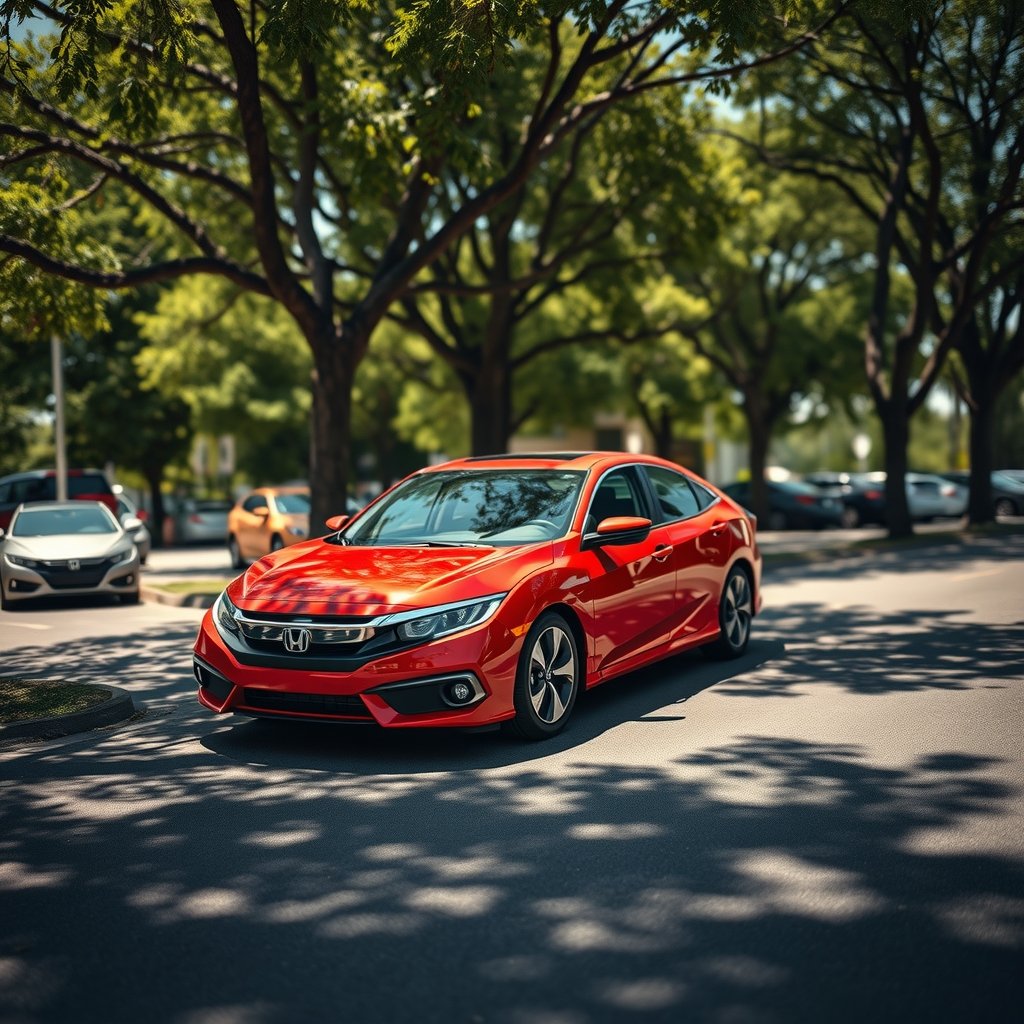
Will the 2027 Honda Civic be a brand-new generation, or just a refreshed version of the car sitting in showrooms right now? That single question drives most of the searches, forum threads, and dealership conversations about this model year. The honest answer is less exciting than the speculation but far more useful: as of late 2026, Honda has not published official details for a 2027 Civic. What buyers can do is separate the confirmed from the projected, understand the current car’s strengths, and know exactly which questions to ask before signing anything.
Why the 2027 Civic Is Surrounded by Speculation
The Civic is one of the longest-running nameplates in the compact class, introduced back in 1972 and now selling in huge numbers worldwide. That history creates a predictable pattern. Every few years, enthusiasts and analysts start predicting a redesign, and the predictions spread faster than the facts.
The current eleventh-generation Civic arrived in 2021 as a 2022 model, with the hatchback following shortly after. Honda typically redesigns the Civic on a roughly five-to-six-year cycle. Do the math and a twelfth generation lands somewhere around the 2026 to 2027 model years. That is a reasonable inference, not an announcement. No official twelfth-generation Civic has been confirmed, and anyone presenting a leaked spec sheet as fact is guessing.
This matters for real buyers. A family shopping for a reliable commuter in late 2026 does not need rumor. They need to know what the current car offers, what a hybrid adds, and whether waiting makes sense.
What Is Actually Confirmed About the Civic Lineup
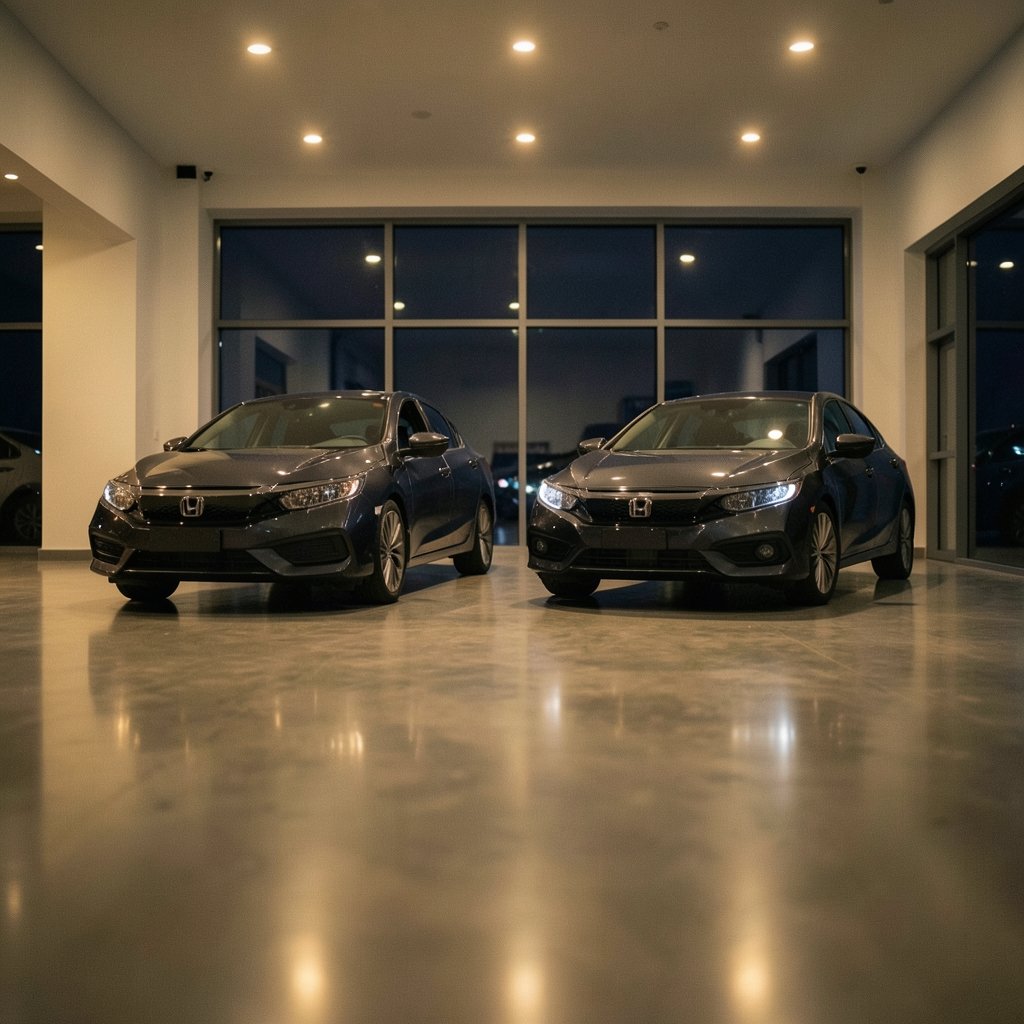
Here is the solid ground. The eleventh-generation Civic is in production. The hybrid powertrain returned to the lineup for the 2025 model year in both sedan and hatchback body styles, marketed as the Civic Hybrid. The performance ladder still runs through the Si sport trim and the Type R at the top, with the current Type R revealed in 2022 and on sale as a 2023 model.
| Item | Status | Confidence |
|---|---|---|
| Eleventh-gen Civic | In production since 2021 (MY2022) | High |
| Civic Hybrid | Added for MY2025, sedan and hatch | High |
| Civic Si | Continues as US sport trim | High |
| Civic Type R (FL5) | On sale since MY2023 | High |
| Twelfth-gen Civic | Not officially announced | Absence of knowledge |
| A specific “2027 Civic” | No official details published | Absence of knowledge |
That last row is the one people skip past. There is no reliable official information confirming a 2027-specific Civic. If a dealer or a video claims otherwise, ask for the Honda press release. If none exists, you are hearing a projection dressed up as news.
Model Year vs. Calendar Year Confusion
A quick note that trips up even experienced shoppers. A 2027 model year vehicle often goes on sale in calendar year 2026. So “the 2027 Civic” could mean a car on lots this fall or a car that arrives next spring. When you talk to a salesperson, ask which model year is on the window sticker, not which year it is. This single habit prevents a lot of confusion.
The Hybrid Is the Real Story for Most Buyers
If you are shopping the current Civic, the hybrid deserves your attention more than any future-generation rumor. Honda brought electrification back to the Civic for 2025, and the hybrid slots in as the efficient, smooth daily driver. For commuters logging highway miles, the fuel savings add up quietly over years.
A practical tip that saves money: compare the hybrid’s real-world fuel economy with the gas version using official government fuel economy data for the specific model year, not the brochure estimate. Driving style, tire pressure, and climate change those numbers more than many drivers expect. City-heavy drivers get the biggest hybrid advantage; steady highway cruisers get less. Test drive both if you can, because the hybrid’s power delivery feels different from the gas engine’s, and some drivers prefer one right away.
Common mistake to avoid: assuming the hybrid is the slow, boring choice. It is not. It is the sensible one, and for a compact sedan used mostly for errands and commuting, sensible wins.
Where the Civic Still Beats Its Rivals
The current Civic earns its reputation on fundamentals. The interior is quiet and well laid out, the ride is composed, and the controls are physical buttons and knobs where they should be. That last point is not nostalgia. Touchscreen-only climate controls frustrate people daily, and the Civic’s approach ages well.
Safety is another anchor. The Civic has historically performed well in independent crash testing, and buyers should check the specific model year’s ratings rather than trusting a generational reputation. Ratings change with each redesign and mid-cycle update.
Practical buying tips that actually work:
- Check the official safety ratings for the exact model year and body style you want, since sedan and hatchback can differ.
- Confirm the trim’s standard driver-assist features on the window sticker, not from memory.
- Ask the dealer for the out-the-door price in writing before discussing monthly payments.
- If leasing, compare total cost over the term rather than the monthly figure alone, and check current offers such as these 2026 Honda Civic lease deals to see how incentives are structured.
That lease comparison habit matters because dealerships often lead with the monthly number. A slightly higher monthly payment with a lower down payment can be the better deal, and you only see it when you compare totals.
Should You Wait for a Possible Redesign?
This is the question that stalls buyers for months. The balanced answer depends on your timeline and tolerance for risk.
Wait if you genuinely enjoy the newest design, want the first year of a new platform, and can live without a car for a while. New generations bring fresh styling and updated tech, but first-year models sometimes carry early-production quirks that get smoothed out later.
Buy now if you need a car in the next few months. The current Civic is a mature, well-sorted product. The hybrid is proven enough to trust, parts and service are widely available, and you avoid the uncertainty of an unannounced launch. Waiting for a car that has not been officially confirmed is a gamble, not a plan.
A middle path works for many households: buy or lease the current car on a short term, then reassess when Honda actually announces something. That keeps you mobile without locking into a long commitment on a model that might be replaced.
The Electrification Picture in the Background
Honda has publicly stated an ambition for battery-electric and fuel-cell vehicles to make up all of its new-vehicle sales by 2040, with a phased ramp along the way. That target was announced years ago, and several automakers have adjusted their timelines since. Treat any specific percentage you hear as something to verify against Honda’s latest official statements rather than a fixed number.
What this means for the Civic is simple: the compact gas and hybrid car is not disappearing tomorrow. The Civic will likely remain a hybrid-forward lineup for years while Honda builds out its electric range. Buyers who want a proven, efficient compact car are not late to anything. They are right on time.
If you follow automotive technology more broadly, the same pattern of hype-outrunning-facts shows up everywhere. It is the reason guides like this comparison of AI chatbots like GPT-5 and Claude stress checking official documentation over viral claims. The discipline of asking “who announced this, and when?” applies to cars and software alike.
Practical Ownership Advice That Pays Off
Beyond the purchase, a few habits keep a Civic cheap to run and pleasant to own.
Follow the maintenance schedule in the owner’s manual rather than the dealer’s upsell sheet. Honda’s intervals are reasonable, and skipping unnecessary flushes saves real money. Rotate tires on schedule; compact cars are light enough that tire wear is the biggest recurring cost for many owners. Keep tire pressure at the door-jamb spec, since underinflation quietly costs fuel economy and tire life.
If you are comparing the Civic against other efficient options, do the math on total cost of ownership: insurance, fuel, maintenance, and resale. The Civic’s strong resale value is one of its least discussed advantages, and it can swing a close comparison.
For drivers who also run a small business or side hustle, the same comparison mindset shows up in other buying decisions, such as choosing tools that genuinely reduce abandoned checkouts, which is the focus of this roundup of AI chatbots for e-commerce in 2027. The lesson transfers: verify claims, compare totals, and ignore hype.
What to Watch For Before Any 2027 Announcement
When Honda does publish something, it will come through official channels first. Watch for a press release naming the model year and generation, not a dealer email or a social post. Expect details on powertrains, trims, and safety features to follow in stages.
Red flags that a “2027 Civic” story is unreliable:
- No named source or date attached to the claim.
- Spec sheets with suspiciously round or dramatic numbers.
- Photos that turn out to be renderings or spy shots of a different model.
- Claims that a redesign is “confirmed” without a link to an official statement.
The safest posture is patient curiosity. The current Civic is a good car today. If a new generation arrives, it will be a good car then. Either way, you are not stuck.
Conclusion
The 2027 Honda Civic is best understood as a question mark sitting next to a very solid exclamation point. The current eleventh-generation car, now with a proven hybrid option, delivers exactly what compact-car buyers need: efficiency, comfort, safety, and strong resale. A twelfth generation is plausible around this timeframe based on Honda’s historical cycle, but it has not been officially announced, and no reliable 2027-specific details exist yet. Buyers who need a car should shop the current lineup with confidence, compare total costs rather than monthly payments, and verify every claim against official sources. Buyers who can wait should wait for a real announcement, not a rumor. Either way, the smart move is the same one that works in every corner of consumer research: check the primary source, do the total-cost math, and let the facts, not the hype, make the decision.
FAQ
Is there an official 2027 Honda Civic?
No official 2027 Civic has been announced. As of late 2026, Honda has not published details for a 2027 model year Civic, and no twelfth-generation Civic has been confirmed. Treat any specific 2027 specs as speculation until an official announcement appears.
Is the 2027 Civic a new generation?
That is unconfirmed. Honda typically redesigns the Civic on a roughly five-to-six-year cycle, which makes a new generation plausible around the 2026 to 2027 model years. That is an inference from past patterns, not an announced plan.
Does the current Civic come as a hybrid?
Yes. Honda added a hybrid powertrain to the eleventh-generation Civic for the 2025 model year, available in both sedan and hatchback body styles. It is the efficient choice for most commuters.
Should I wait for the 2027 Civic or buy now?
Buy now if you need a car soon. The current Civic is a mature, well-sorted product with a proven hybrid option. Wait only if you specifically want the newest design and can tolerate the uncertainty of an unannounced launch.
What is the difference between model year and calendar year?
A 2027 model year car often goes on sale during calendar year 2026. Always check the model year on the window sticker rather than assuming the year you buy it matches the model year.
How can I tell if a 2027 Civic rumor is reliable?
Look for an official Honda press release with a date and named source. Be skeptical of dramatic spec sheets, uncredited photos, and claims that a redesign is confirmed without a link to an official statement.