
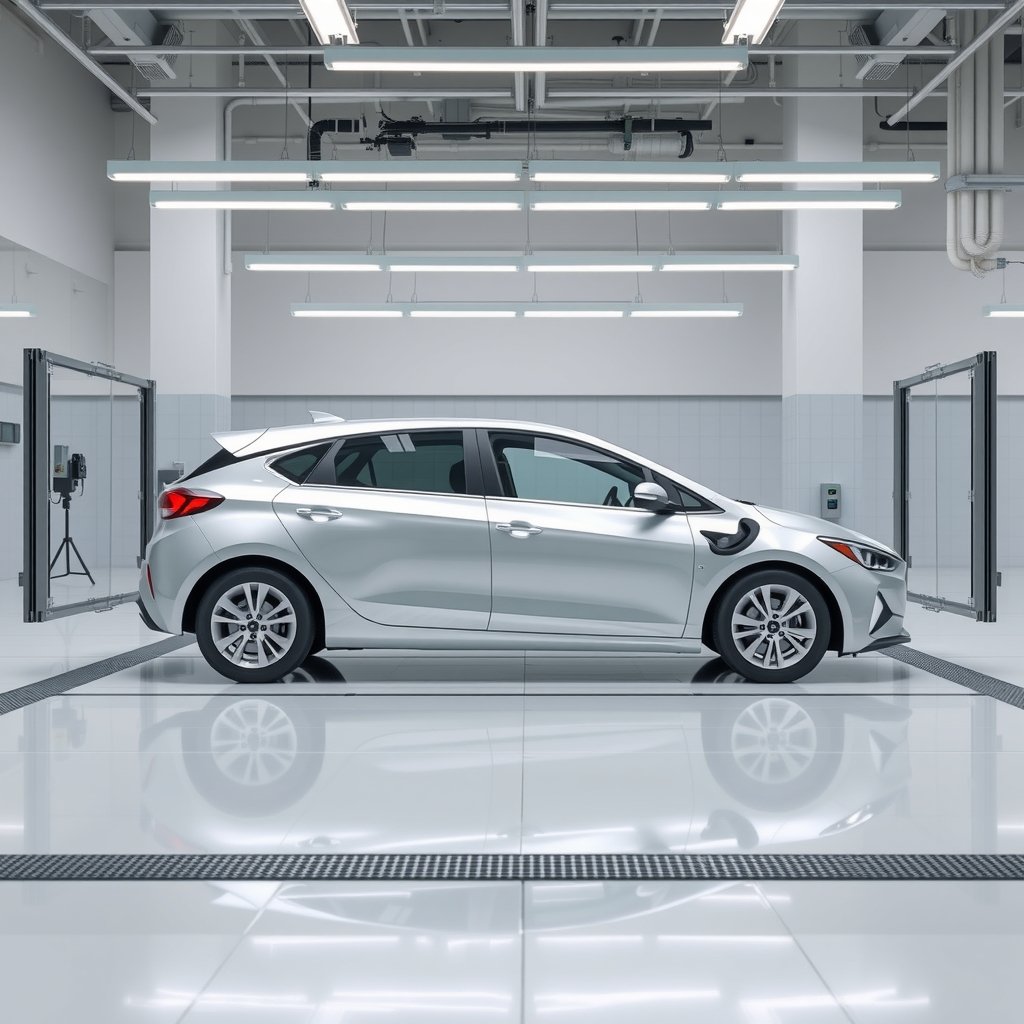
Is the 2027 Toyota Prius a real, buyable car yet, or just a rumor with a model year slapped on it? That question comes up constantly in owner forums and showroom conversations, and the honest answer surprises people. As of late 2026, there is no reliable confirmation of a 2027 Prius announcement. No dated Toyota press release, no certified fuel economy listing, no crash-test result. What exists instead is a fifth-generation car that debuted in November 2022 and launched in the US for model year 2023, plus a lot of speculation about what comes next.
That gap matters. Buyers who assume a “2027 Prius” spec sheet is official can end up misled by enthusiast blogs, dealer rumors, or recycled 2023 data. This guide separates what is known from what is inferred, explains how model years actually work, and shows how to verify any claim before signing anything.
Why There Is No Confirmed 2027 Prius Yet
Toyota announces model-year changes through its own newsrooms, and nothing dated has appeared for a 2027 Prius. That is the single most important fact in this article. Everything else is context.
Model-year timing is also messier than most shoppers expect. A car labeled 2027 in one market may not match the US model year, and Toyota frequently rolls out updates region by region. Japan and Europe sometimes see changes months before North America, or the reverse. So even a genuine overseas announcement does not automatically describe the car sitting on a US lot.
There is a second trap: the difference between a rumor and a release. Enthusiast media regularly publish stories about a next-generation Prius or an expanded plug-in lineup. Those pieces are often well reported, but they are not Toyota statements. Treat them as leads to check, not facts to rely on.
What the Fifth-Generation Prius Actually Offers
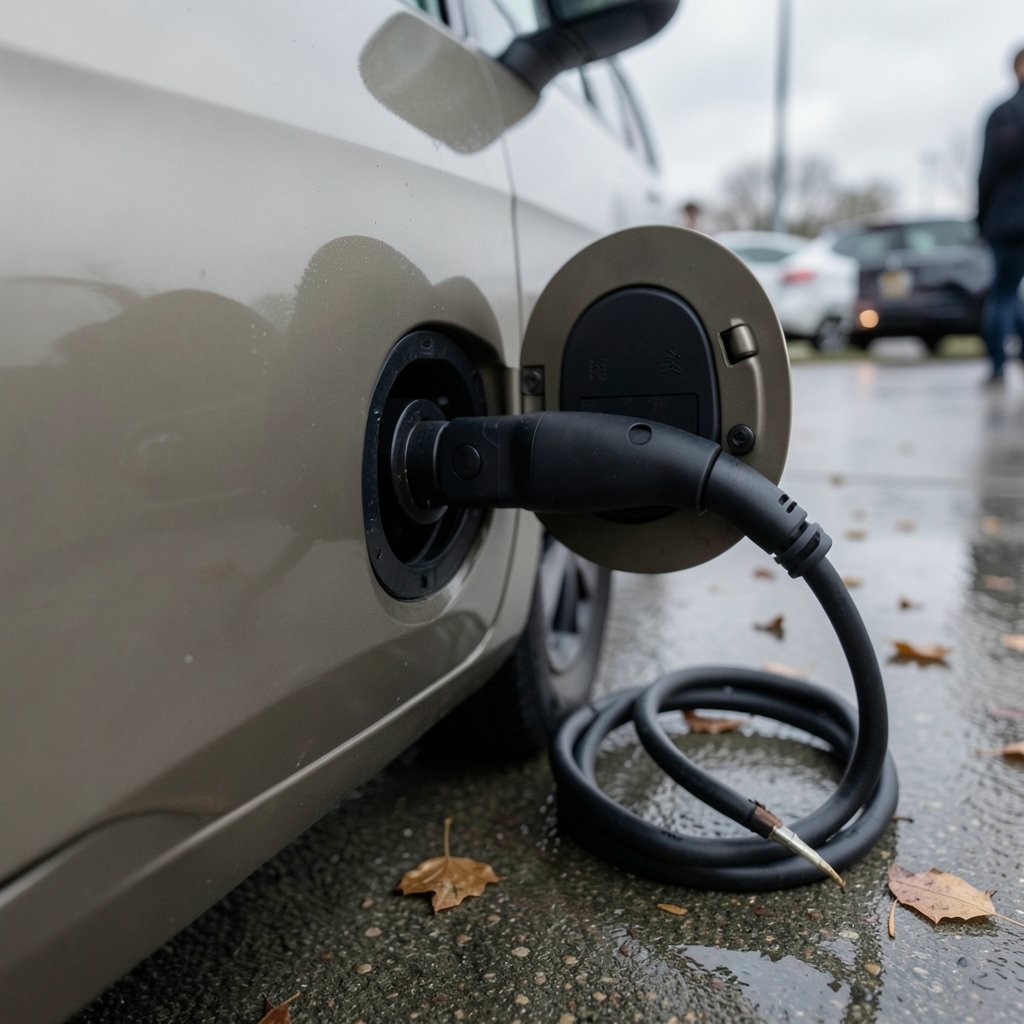
Since a 2027 model would most likely be a carryover or a mid-cycle update of the current car, understanding the fifth generation is the practical starting point. Here is the known lineup as it has been sold.
| Version | Engine | Notes |
|---|---|---|
| Prius LE | 1.8L hybrid | Entry trim, highest efficiency focus |
| Prius XLE | 2.0L hybrid | More power, more equipment |
| Prius Limited | 2.0L hybrid | Top trim |
| Prius Prime | 2.0L plug-in hybrid | US name for the PHEV |
One naming detail trips people up constantly. Toyota uses Prius Prime for the plug-in hybrid in the US, while other markets call it the Prius Plug-in Hybrid. If a 2027 version arrives, confirm the naming directly rather than assuming it carries over.
The bigger point is this: the current car is genuinely good. It moved from a reputation for frugality above all else to something that is also genuinely enjoyable to drive. That shift is why so many shoppers are impatient for news of what comes next.
The Fuel Economy Question Buyers Get Wrong
The most common mistake is carrying old numbers forward. Fifth-generation figures, such as the LE’s roughly 57 mpg combined rating, are historical. They describe the 2023-era car, not an unannounced 2027 model.
Official EPA fuel economy for any new model year appears only once the vehicle is certified. Until a 2027 listing exists, any specific mpg figure attached to a 2027 Prius is an estimate dressed up as a fact. The same logic applies to emissions data.
Practical advice: when a dealer or listing quotes efficiency for an unreleased model year, ask which document the number comes from. A real answer names a dated certification. A vague answer usually means the figure was copied from an older car.
Safety Ratings and Recalls: Wait for the Tests
Crash-test ratings only exist after testing happens. A 2027 model year vehicle cannot have a published rating before it has been built and evaluated. Anyone quoting a safety score for an unannounced 2027 Prius is almost certainly recycling results from the current generation.
Recalls follow the same rule. Recall campaigns apply to specific vehicles that exist in the wild. Checking the official recall lookup for a 2027 Prius today returns no applicable records because the car has not been released. That is not a quality red flag. It reflects the car’s release status.
For shoppers cross-shopping other tech-heavy purchases, the same skepticism pays off. Our breakdown of handheld console prices in 2027: confirmed vs reported makes a similar distinction between what is official and what is merely expected, and it is a useful mental model for any product launch.
How to Verify a 2027 Prius Claim in Five Steps
Rumors spread fast, so a repeatable check beats trusting a headline. Here is a process that works.
- Look for a dated announcement from Toyota’s own newsroom. No date, no deal.
- Check the official EPA fuel economy database for a 2027 listing. If it is not there, the efficiency numbers are unverified.
- Search the safety rating bodies for a 2027 result. Ratings require a tested car.
- Run the recall lookup for the specific model year. Empty results for an unreleased car are expected.
- Trace every spec sheet back to a primary document. If the trail ends at a forum post, stop there.
That fifth step is where most people slip. A spec sheet that looks official often turns out to be a screenshot of a screenshot. Ask for the source document, not the summary.
What a 2027 Model Year Would Likely Mean
Here is where honesty about inference matters. Based on how Toyota has handled the current generation, a 2027 Prius would most plausibly be a carryover with minor trim or equipment changes, or a mid-cycle refresh. That is reasoning from pattern, not a confirmed plan.
What would change the picture? A formal announcement of a next generation. Expanded plug-in hybrid availability. A major powertrain update. Any of those would move the 2027 car from “same car, new sticker” to something worth waiting for. Until one is confirmed, planning around a dramatic redesign is a gamble.
If you are weighing a purchase now, the current fifth-generation car is a known quantity with real efficiency data, real safety ratings, and a real dealer network. Waiting for an unconfirmed model year means waiting without a date.
Common Mistakes Shoppers Make With Unreleased Model Years
A few patterns show up again and again, and each one is avoidable.
Mistake one: trusting a model year as a promise. A 2027 label on a listing does not mean the car exists in Toyota’s plans. Some listings use future model years loosely.
Mistake two: assuming regional announcements apply locally. A change announced for one market may never reach another, or may arrive a year later.
Mistake three: mixing up the Prime and the standard hybrid. The plug-in and the regular hybrid are different cars with different running costs. Confusion here leads to wrong expectations about charging and fuel use.
Mistake four: quoting efficiency without a certification. Old figures get repeated until they feel official. They are not.
Mistake five: skipping the recall check on the car actually in front of you. It is easy to research a future model year and forget to verify the used or current-year car you are about to buy.
Where the Prius Fits Against Other Efficient Choices
The Prius does not compete in a vacuum. Buyers cross-shop it against other hybrids, plug-in hybrids, and increasingly against software-heavy vehicles where the in-car assistant matters as much as the powertrain. That last comparison is less strange than it sounds. Modern car buyers increasingly judge infotainment and voice controls the way they judge phone software, and the best AI chatbots under the hood of 2027 cars explores how those systems are being evaluated.
The practical takeaway for Prius shoppers is narrower. The car’s appeal has always rested on efficiency, reliability, and low running costs, not on screen size. If a 2027 update leans harder into cabin tech, that is a bonus rather than the reason to buy. Judge the powertrain and the ownership costs first.
For readers who also run small businesses and think about automation the way they think about car efficiency, there is a parallel worth noting. The best AI tools for e-commerce stores in 2027 covers conversion boosters, and the same rule applies in both worlds: verify the claim before you pay for it.
Should You Wait or Buy Now?
This is the decision most readers actually face, and it comes down to a simple trade-off.
| Situation | Sensible move |
|---|---|
| You need a car in the next few months | Buy the current generation with verified data |
| You can wait a year or more | Set a reminder to check Toyota’s newsroom quarterly |
| You want the plug-in specifically | Confirm Prime naming and availability in your market |
| You are tempted by a “2027” listing | Ask for the source document before any deposit |
Waiting has a real cost: months without the fuel savings and without the car. Buying now has a real cost too: you may miss an update. Neither choice is wrong. What is wrong is deciding based on an unverified spec sheet.
One more practical tip from the showroom floor. Deposits on unreleased model years are sometimes taken informally. Before handing over money, get the model year, trim, and expected delivery in writing, and confirm the refund terms. If a dealer cannot state those clearly, that tells you something.
Conclusion
The 2027 Prius is, as of late 2026, an open question rather than a confirmed product. The current fifth-generation car is real, well documented, and genuinely efficient, with a 1.8L hybrid LE, 2.0L hybrid XLE and Limited, and a 2.0L plug-in Prime. A 2027 model year would most likely be a carryover or a modest refresh, but that is inference, not news.
The smart approach is unglamorous: check Toyota’s own announcements, wait for certified efficiency and safety data, verify recalls on the specific car you are buying, and never let a future model year substitute for a source document. Do that, and you will make a good decision whether the 2027 car turns out to be a light update or something bigger. Patience plus verification beats excitement plus assumption every time.
FAQ
Is the 2027 Prius confirmed?
No. There is no reliable confirmation of a 2027 Prius announcement as of late 2026. No dated Toyota release, certified fuel economy listing, or crash-test result exists for that model year. Treat any 2027 spec as unverified until a dated primary document appears.
What engines does the current Prius use?
The fifth-generation car pairs a 1.8L hybrid in the LE with a 2.0L hybrid in the XLE and Limited. The plug-in version, called the Prius Prime in the US, uses a 2.0L plug-in hybrid setup. Whether a 2027 model changes this is unknown.
Can I trust the mpg numbers quoted for a 2027 Prius?
Not unless they come from a dated certification. Figures like the LE’s roughly 57 mpg combined describe the current generation, not an unannounced 2027 car. Official efficiency data appears only after a model year is certified.
Why are there no safety ratings for a 2027 Prius?
Ratings require a built, tested vehicle. A model year that has not been released cannot have published crash-test results. Any safety score attached to a 2027 Prius today is almost certainly recycled from the current generation.
Is the Prius Prime the same as the plug-in hybrid?
Yes, in the US. Toyota uses Prius Prime for the plug-in hybrid there, while other markets call it the Prius Plug-in Hybrid. If a 2027 version arrives, confirm the naming for your market rather than assuming it carries over.
Should I wait for the 2027 model or buy now?
It depends on timing. If you need a car soon, the current generation has verified efficiency, safety ratings, and availability. If you can wait, check Toyota’s newsroom periodically for a dated announcement. Avoid paying a deposit on an unreleased model year without written terms.



