
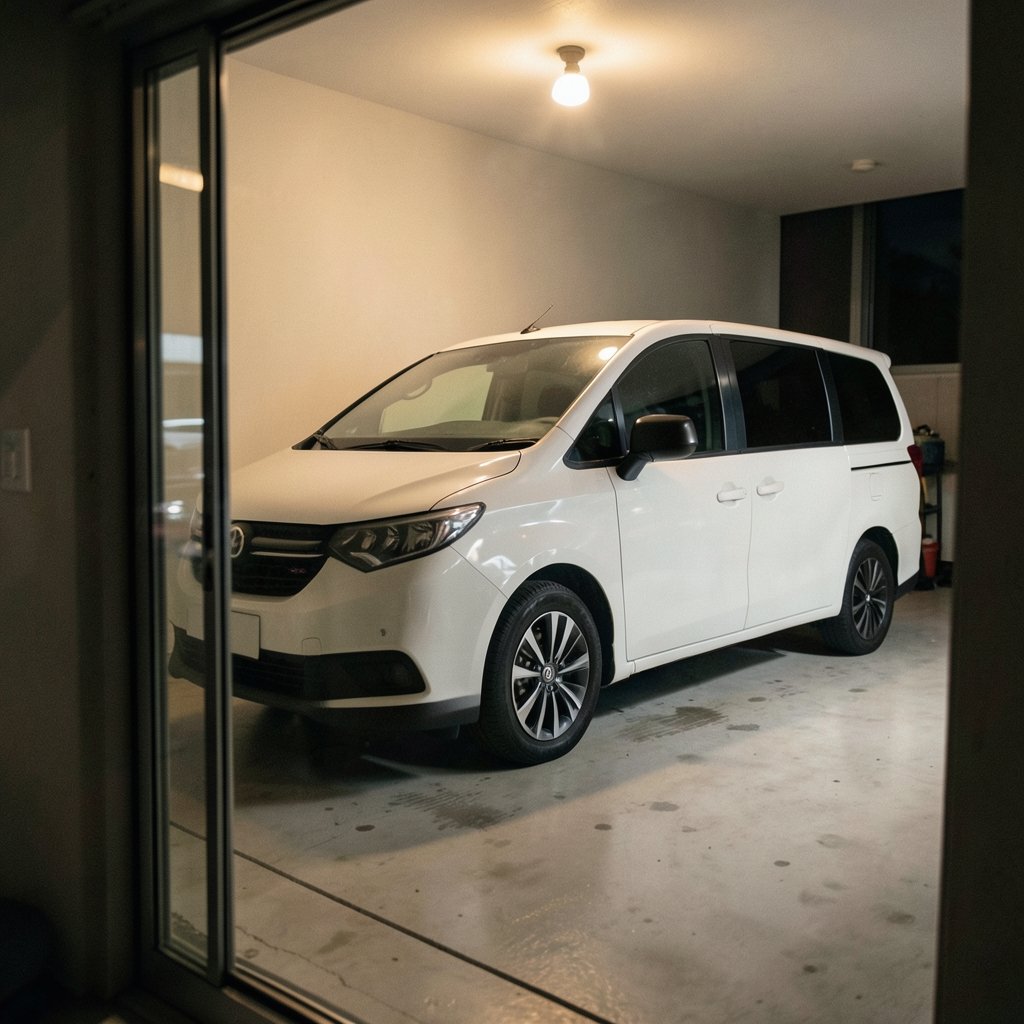
Will the 2027 Sienna be the minivan that finally gets the attention it deserves, or just another quiet model year for a vehicle most shoppers forget exists until they need to move seven people and a dog? That question is worth taking seriously, because the Sienna sits in a strange spot. It is the only minivan on the US market that comes exclusively as a hybrid, and that single decision has shaped everything about how it drives, what it costs to run, and who buys it.
Here is the honest version up front: as of late 2026, Toyota has not published a full, official 2027 Sienna specification sheet, price list, or reveal date. That does not mean nothing is known. It means the useful information is a mix of confirmed facts about the current generation and reasonable inference about what carries forward. This article separates the two clearly, so readers can plan a purchase without being misled by speculative “leaked spec” content.
The fourth-generation Sienna is the foundation
The Sienna most buyers will find on a lot traces back to the fourth generation, revealed in May 2020 and sold from model year 2021 onward. That launch was the moment Toyota made the big bet: the Sienna went hybrid-only, dropping the V6 entirely. Every current Sienna uses a 2.5-liter four-cylinder hybrid system, with front-wheel drive standard and electronic on-demand all-wheel drive available as an option.
That powertrain choice is the single most important thing to understand about the vehicle. It is not a performance minivan. It is a fuel-economy minivan, and it has been remarkably consistent about that mission. The hybrid AWD version has been rated around 35 mpg combined by the EPA across recent model years, with front-wheel-drive variants slightly higher. Exact figures shift a little year to year and by drivetrain, so anyone comparing trims should check the official fuel economy lookup for the specific model year rather than trusting a single number repeated across review sites.
Production has stayed at Toyota Motor Manufacturing, Indiana, in Princeton, Indiana, since the current generation launched. That matters for shoppers thinking about parts availability and domestic assembly, and it is one of the few details unlikely to change for 2027.
What a mid-cycle refresh already changed
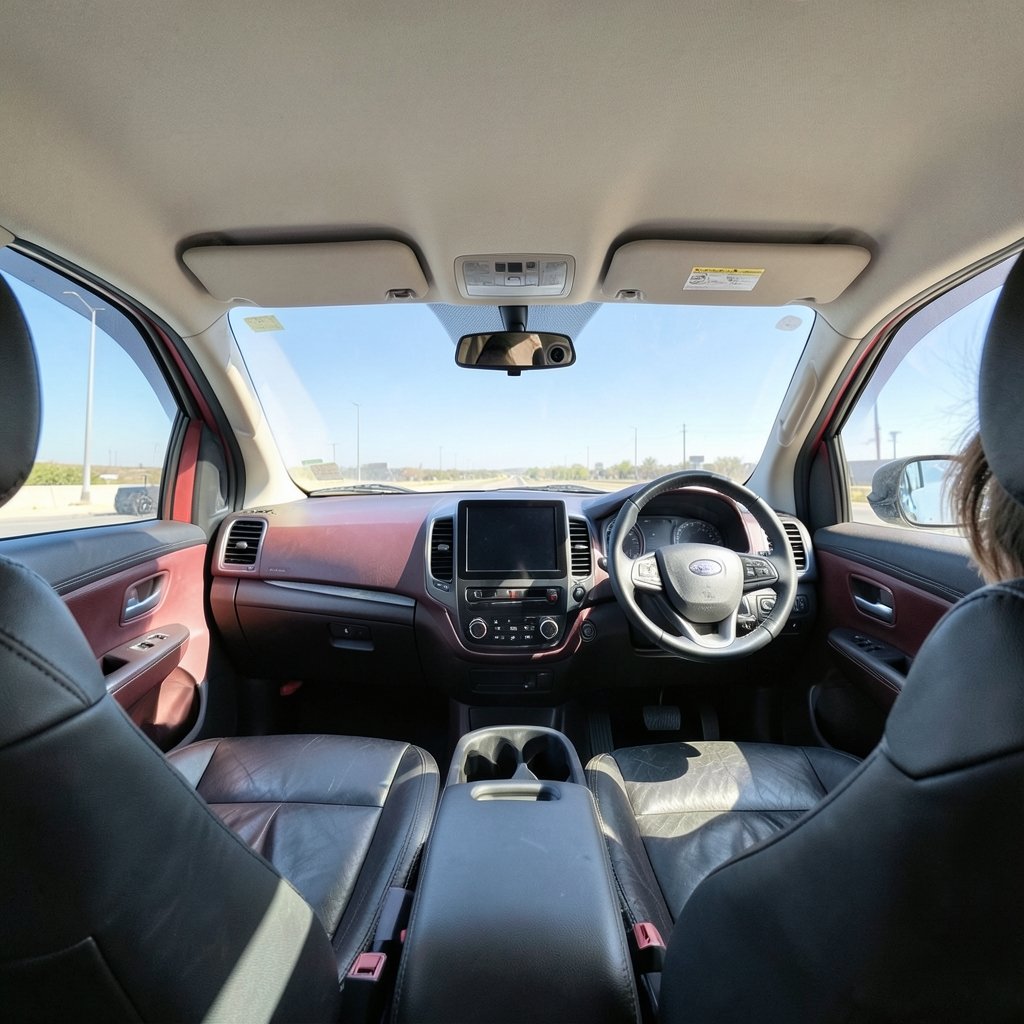
A refresh arrived for model year 2025, bringing styling and interior updates. This is the piece of context that makes 2027 speculation tricky. When a vehicle gets a refresh two years before the model year in question, the usual pattern is that the following years bring minor trim and equipment adjustments rather than another redesign.
Toyota Safety Sense has been standard across the Sienna lineup since the current generation launched, when the package was TSS 2.0. The exact version number has likely moved with the refresh, and buyers should confirm the current generation of the suite on the window sticker rather than assuming.
The practical takeaway: a 2027 Sienna, if it follows the normal cadence, is most likely to be a lightly updated version of the refreshed van rather than a new platform. That is a reasonable inference, not an announcement.
The confirmed-versus-speculative picture
| Item | Status | Confidence |
|---|---|---|
| Hybrid-only powertrain | Carried since MY2021 | High |
| Built in Princeton, Indiana | Since MY2021 | High |
| Standard Toyota Safety Sense | Standard across lineup | High |
| Roughly 35 mpg combined (AWD) | Recent model years | Medium, verify by year |
| MY2025 refresh with styling and interior changes | Reported for MY2025 | Medium |
| Full 2027 specs, pricing, reveal date | Not officially announced as of late 2026 | Unverified |
| A completely redesigned fifth generation | No public confirmation | Speculative |
That last row deserves emphasis. Anyone claiming a ground-up redesign for 2027 is guessing. The safer planning assumption is continuity.
Who actually buys a Sienna, and why it matters for 2027
The minivan segment has shrunk to four real players: the Sienna, the Honda Odyssey, the Kia Carnival, and the Chrysler Pacifica. Each takes a different angle. The Odyssey leans on a proven V6 and family-friendly packaging. The Carnival chases SUV styling. The Pacifica offers a plug-in hybrid option. The Sienna’s angle is the simplest and, for a lot of households, the most compelling: it is the only one that is hybrid across the board, no trim shopping required.
In practice, that means the Sienna tends to attract buyers who do the math. A family driving 15,000 miles a year at 35 mpg versus a competitor at 22 mpg is looking at a meaningful annual fuel difference, and over five years it becomes a real line item. The tradeoff is that the Sienna is not quick, and the hybrid system makes itself known under hard acceleration. Buyers who test drive it expecting V6 smoothness sometimes leave disappointed. Buyers who test drive it expecting a quiet, efficient highway cruiser usually leave impressed.
A common mistake shoppers make: comparing Sienna trims only on sticker price. The gap between base and mid-level trims often buys features that matter daily, like power sliding doors, better seating materials, and driver-assistance refinements. Another mistake is skipping the AWD decision until the last minute. AWD adds cost and slightly reduces fuel economy, but for anyone in snow country it is usually the right call, and inventory of AWD vans is thinner than FWD, so ordering early helps.
How to shop for a 2027 Sienna without getting burned
The single biggest risk in shopping a model year that has not been fully announced is buying based on rumor. A few habits fix that.
- Check the manufacturer’s own model page and pressroom before trusting any spec sheet. Third-party sites often publish placeholder pages with estimated numbers that get scraped and repeated as fact.
- Ask the dealer for the official order guide or allocation sheet. Dealers receive these before public announcements, and they list actual trims, packages, and colors.
- Confirm the safety suite version on the actual vehicle, not from a review written two years earlier.
- Verify fuel economy by model year and drivetrain rather than accepting a single combined figure quoted in a video.
- Get the out-the-door price in writing, including destination fees, before discussing monthly payments.
For readers weighing a purchase against a broader set of tools, the same discipline applies to software as to cars: verify the claims. That is the spirit behind comparisons like 10 best ai chatbots gpt 5 claude under hood 2027, which looks past marketing language at what the systems actually do.
Where the Sienna fits against the alternatives
The competition question is worth a table, because the differences are concrete rather than subjective.
| Model | Powertrain approach | Notable strength | Notable tradeoff |
|---|---|---|---|
| Toyota Sienna | Hybrid only, FWD or AWD | Fuel economy across all trims | Less power, louder under load |
| Honda Odyssey | V6 only | Strong, smooth power | Lower fuel economy |
| Kia Carnival | Gas V6, hybrid variants | SUV-like styling | Newer hybrid offerings, less track record |
| Chrysler Pacifica | Gas and plug-in hybrid | Plug-in option for short trips | Complexity and cost at higher trims |
For a household that mostly does school runs, road trips, and the occasional Costco haul, the Sienna’s efficiency advantage compounds quietly. For a household that tows or regularly carries a full load up mountain grades, the Odyssey’s V6 still has defenders.
Buyers who want to think about efficiency more broadly, including how AI tools are reshaping the way people research purchases, may find value in a comparison like Deepseek vs chatgpt vs gemini judge output quality 2027. The lesson transfers: judge tools on measured output, not on reputation.
The hybrid question buyers keep asking
A frequent concern is battery longevity. Hybrid batteries in this class have a long track record, and Toyota’s warranty coverage on hybrid components has historically been generous. The more practical concern is that the Sienna’s hybrid system is the only option, so buyers who dislike the feel of a continuously variable transmission have no alternative within the model. That is worth a long test drive, ideally including a highway on-ramp and a steep hill.
Another practical note: because the Sienna is hybrid-only, there is no cheaper gas variant to step down to. The entry price is the entry price. That makes comparing it against a lower-trim competitor somewhat misleading, since the competitor’s base model may lack the efficiency the Sienna includes by default.
What to watch before committing
Anyone planning a 2027 purchase should track three things. First, whether Toyota has formally opened the 2027 model year with an official announcement, which typically happens in the year before. Second, whether the safety suite has been updated again. Third, whether pricing has moved, since hybrid demand has kept resale values strong and dealer discounts thin.
The resale point is underrated. Strong residuals mean the Sienna’s total cost of ownership looks better than its sticker suggests, but it also means negotiating room is limited. Buyers who wait for a fire sale on a hybrid minivan may wait a long time.
For readers who also run small businesses or online stores and think about efficiency in operational terms, there is a parallel in how automation gets evaluated. A piece like when not to use an AI chatbot in 2027: 7 honest cases makes the same argument cars do: the right tool depends on the job, and the wrong tool costs more than it saves.
Conclusion
The 2027 Sienna is best understood as a continuation, not a reinvention. The confirmed facts are solid: a hybrid-only powertrain, Indiana assembly, standard driver assistance, and fuel economy in the mid-30s for all-wheel drive. The unconfirmed parts, including exact pricing, trim details, and any chance of a redesign, should be treated as open questions until Toyota says otherwise. Shoppers who plan around the confirmed facts and verify the rest at the dealer will end up with a van that does exactly what it promises: move a family efficiently, quietly, and without drama. Shoppers who plan around rumors will spend a lot of energy chasing numbers that never existed.
FAQ
Has Toyota officially announced the 2027 Sienna?
Not with a full specification sheet, price list, or reveal date as of late 2026. Toyota has not published a complete official 2027 package. Buyers should check the manufacturer’s pressroom and model page directly rather than relying on third-party pages that publish estimated figures early.
Is the 2027 Sienna still hybrid-only?
Every Sienna in the current generation has been hybrid-only since model year 2021, with no non-hybrid variant offered. Unless Toyota announces a change, the 2027 model is expected to continue that approach, using a 2.5-liter four-cylinder hybrid system with front-wheel drive standard and all-wheel drive optional.
What fuel economy should buyers expect?
Recent Sienna hybrid models with all-wheel drive have been rated around 35 mpg combined, with front-wheel-drive versions slightly higher. Exact figures vary by model year and drivetrain, so buyers should confirm the rating for the specific vehicle rather than relying on a single number quoted in reviews.
Will the 2027 Sienna be a redesign?
There is no public confirmation of a fifth-generation redesign for 2027. A refresh with styling and interior updates was reported for model year 2025, which makes a lightly updated carryover more likely than a ground-up redesign. Treat redesign claims as speculation until officially confirmed.
Where is the Sienna built?
The current generation has been built at Toyota Motor Manufacturing, Indiana, in Princeton, Indiana, since it launched for model year 2021. That plant location is one of the more stable details and is unlikely to change for the 2027 model year.
What are the main alternatives to the Sienna?
The US minivan segment includes the Honda Odyssey, Kia Carnival, and Chrysler Pacifica. The Odyssey offers a V6, the Carnival emphasizes SUV-like styling, and the Pacifica offers a plug-in hybrid option. The Sienna’s distinguishing feature is that it is hybrid across the entire lineup, which gives it an efficiency edge in most comparisons.



