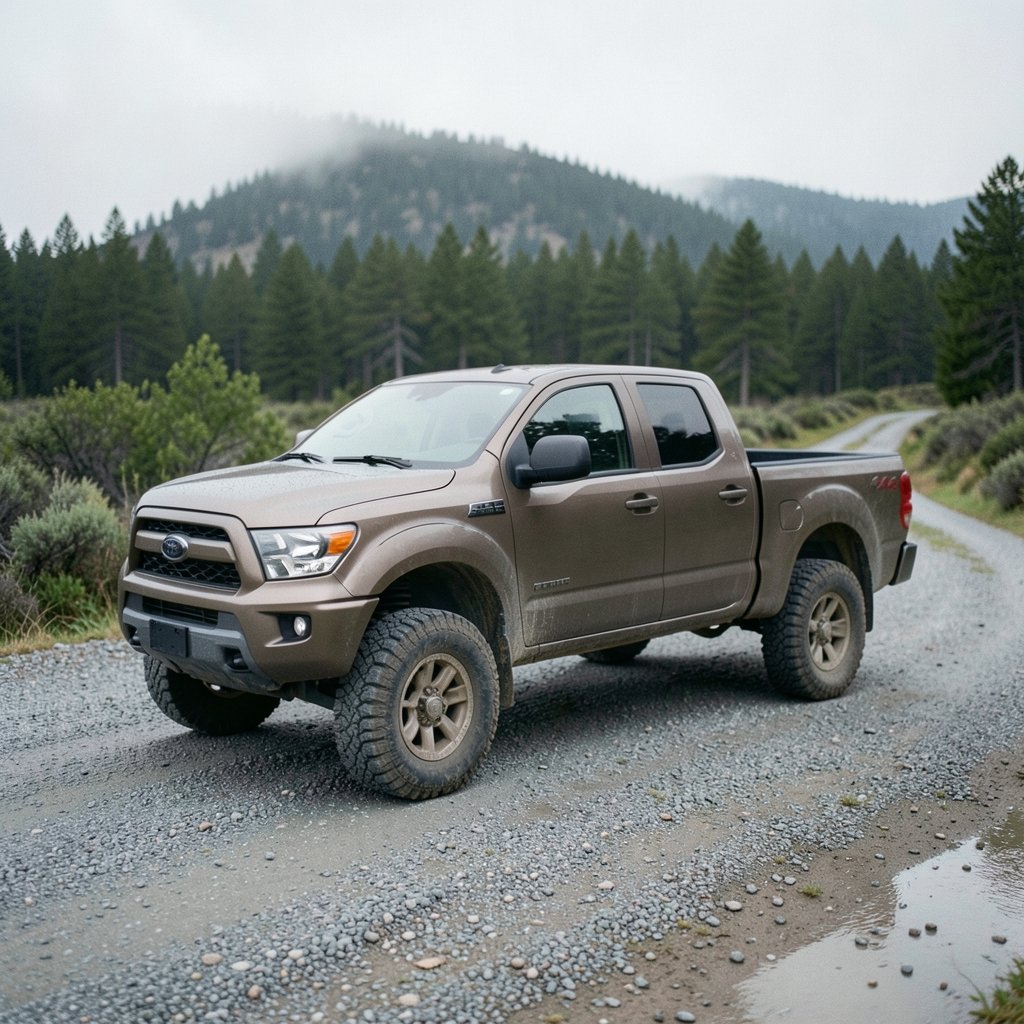
What will the 2027 Tacoma actually be? That question is spiking right now, and the honest answer is more interesting than the hype. The fourth-generation Tacoma only landed as a 2024 model, which means anyone searching for a 2027 truck is looking at a vehicle that sits in the middle of a product cycle, not at the start of one.
That distinction matters. It shapes what Toyota is likely to change, what it probably won’t touch, and how you should plan a purchase. Below is a grounded look at the timeline, the platform, the drivetrains, the timing quirks that trip people up, and the practical advice that saves buyers from expensive mistakes.
The Tacoma Timeline You Need to Know First
Context does most of the work here. The Tacoma nameplate arrived for the 1995 model year in North America, replacing the Toyota Pickup. The third generation launched for 2016, revealed at the Detroit auto show in January 2015. Then came the big shift: Toyota revealed the fourth-generation truck in May 2023, and it went on sale as a 2024 model year vehicle.
That 2024 redesign was not cosmetic. The truck moved to the TNGA-F body-on-frame platform, the same architecture underneath the full-size Tundra and the Land Cruiser. It also dropped the V6 for four-cylinder turbo power, including a 2.4L turbo and a hybrid i-FORCE MAX variant.
So where does that leave 2027? Given a 2024 redesign, a 2027 model year most plausibly represents a mid-cycle refresh or a carryover year rather than an all-new generation. That is inference based on normal product cadence, not a confirmed announcement. Anyone claiming to know exact 2027 specs right now is likely guessing or repeating a rumor.
Why “2027” Is Trickier Than It Sounds

Here is a detail that confuses a lot of shoppers: in the United States, “model year” is a regulatory designation, not a calendar fact. It is defined in federal regulation (40 CFR Part 85), and it often begins before the calendar year does. That means 2027 models can legally go on sale during 2026.
Practically, this creates three problems:
- A headline saying “2027 Tacoma arrives” may describe a truck hitting dealers in late 2026.
- Pricing and trim announcements often leak in pieces, so early reports mix confirmed and reported details.
- Dealer inventory gets muddled, because a 2026 truck sitting on the lot in January 2027 is still a 2026 truck.
If you are cross-shopping and tracking launch timing across vehicles, the same calendar-versus-model-year confusion shows up everywhere, including in coverage of handheld console prices in 2027 and which figures are confirmed versus reported. The lesson transfers: separate what a manufacturer has officially stated from what a forum post claims.
What the Fourth-Gen Foundation Tells Us
Because the current truck is only a couple of model years old, the fundamentals are set. Buyers walking into a 2027 Tacoma should expect the same core architecture that defines the 2024-and-later truck.
| Element | What the fourth generation introduced | Likely 2027 status |
|---|---|---|
| Platform | TNGA-F body-on-frame | Carryover |
| Engine family | 2.4L turbo four-cylinder | Carryover, possibly retuned |
| Hybrid | i-FORCE MAX variant | Carryover, possibly expanded |
| V6 | Discontinued | Not returning |
| Body styles | Multiple cab and bed configurations | Carryover |
The V6 is gone and is not coming back for this generation. That is one of the few near-certainties in this conversation. Anyone holding out for a V6 return is waiting on a truck that does not exist.
Exact horsepower and torque figures vary by trim, so treat any single number you see online with suspicion until it appears on Toyota’s own spec sheet.
The Realistic Change List for a 2027 Refresh
If 2027 is a refresh year, what typically changes? Mid-cycle updates tend to be about refinement and competitiveness rather than reinvention. Here is what is plausible, and what is not.
Plausible changes
- Trim and package reshuffling. Automakers frequently add or drop trims mid-cycle to match what sells.
- Technology updates. Bigger screens, updated infotainment software, and driver-assist refinements are common refresh moves.
- Styling tweaks. Revised grilles, lights, and wheel options.
- Hybrid availability expansion. If the i-FORCE MAX is limited to certain trims now, widening it is a logical step.
- Pricing adjustments. Almost guaranteed, in some direction.
Unlikely changes
- An all-new generation. Too soon after a 2024 redesign.
- A V6 option. The engine strategy is set.
- A radical platform change. TNGA-F is shared across multiple vehicles and is not going anywhere.
One practical tip: when refresh news breaks, watch for the difference between a new trim and a new generation. Forums blur these constantly, and the confusion sends buyers into dealerships expecting a redesigned truck that is really a facelift.
How to Verify Any 2027 Tacoma Claim
This is the part most articles skip. The 2027 Tacoma is a topic where misinformation spreads fast because there is genuine demand and limited official information. A simple verification habit will protect you.
Step 1: Check the date on the source. A 2024 article speculating about 2027 is not evidence. Look for material dated 2025 or 2026.
Step 2: Find the primary source. Manufacturer press releases and official spec sheets are the only places where confirmed details live. Everything else is reporting or rumor.
Step 3: Separate “confirmed” from “reported.” A leaked dealer memo is reported. A press release is confirmed. They are not the same, and the gap between them is where bad buying decisions happen.
Step 4: Cross-check the trim. Output figures and feature lists differ significantly across the Tacoma range. A number quoted for one trim often gets repeated as if it applies to all of them.
Common mistake: buyers read a headline, assume it applies to the trim they want, and negotiate from a false premise. Salespeople cannot honor specs that do not exist, and the conversation goes sideways fast.
Shopping Advice If You Are Waiting for 2027
Waiting for a specific model year is a legitimate strategy, but it has costs. Here is how to think about it without wasting a year.
Consider what you gain. If a refresh brings a feature you actually want, such as expanded hybrid availability or updated tech, waiting can be worth it. If the changes are cosmetic, it usually is not.
Consider what you lose. Late-cycle current-model trucks often carry better incentives. Waiting for the newest badge can mean paying more for a truck that drives nearly identically.
Consider the timing trap. Because 2027 models can arrive in calendar 2026, “waiting for 2027” might mean waiting only a few months, or it might mean waiting much longer than you expect. Confirm actual dealer arrival timing before you build a plan around it.
Consider your use case. A mid-size truck buyer hauling gear, towing occasionally, and commuting is served well by the current turbo four-cylinder. Someone waiting for a specific hybrid trim should verify that trim actually exists for 2027 before committing.
If you are also weighing how AI tools fit into your research and shopping workflow, it helps to know where they genuinely add value and where they fall short. Guidance on when not to use an AI chatbot in 2027 is a useful reality check, especially since chatbots confidently invent vehicle specs. For comparing how different models handle factual queries, this breakdown of DeepSeek versus ChatGPT versus Gemini output quality is worth a read before you trust any AI-generated truck spec.
The Competitive Picture
The mid-size truck segment is crowded, and that pressure shapes refresh decisions. The Tacoma competes with the Ford Ranger, Chevrolet Colorado, and Nissan Frontier, among others. When rivals update, Toyota has reason to respond, and a mid-cycle refresh is the natural moment to do it.
This is why refresh years often bring more content than expected. Automakers use them to close gaps rather than to redesign. Buyers benefit, because features that were optional or exclusive tend to spread down the trim ladder.
The flip side: refresh years also bring price increases. New content is rarely free, and mid-size truck pricing has climbed steadily across the segment. Budget for that possibility rather than assuming the 2027 truck will cost what the 2026 does.
Safety and Specs: What to Check Yourself
Safety ratings and specifications are exactly the kind of details that change quietly between model years, and they are exactly the kind that articles get wrong. Rather than trust a summary, verify directly.
Check independent crash-test ratings for the specific cab and bed configuration you plan to buy. Ratings can differ by body style, and a headline score for one configuration does not automatically apply to another. Confirm towing and payload figures against the manufacturer’s own documentation for your exact trim, because those numbers swing widely across the range.
One more practical note: payload is often the limiting number, not towing. Buyers focus on tow rating and then discover that tongue weight, passengers, and gear eat the payload budget faster than expected. Run the math before you sign.
What Actually Matters When You Decide
Strip away the speculation and a few things hold steady.
The 2027 Tacoma will almost certainly be a refined version of the current truck, not a new one. The platform is shared and recent. The engine strategy is set. The V6 is not returning. Any changes will most likely center on trims, technology, styling, and price.
That means the decision is less about waiting for a revolution and more about timing a purchase. If the current truck meets your needs, a late-cycle deal may serve you better than a refreshed badge. If a specific rumored feature is the reason you are waiting, verify it exists before you build a plan around it.
And if you are tracking the broader 2027 product landscape while you shop, including how chatbot platforms are evolving, this roundup of the best AI chatbots and the models under the hood in 2027 gives useful context on the tools people increasingly use for research.
Conclusion
The 2027 Tacoma is best understood as a question of cadence, not revelation. Toyota redesigned the truck for 2024, moved it to the TNGA-F platform, retired the V6, and committed to turbo four-cylinder power including the i-FORCE MAX hybrid. A 2027 model year lands squarely in refresh territory, which points toward trim adjustments, technology updates, and pricing movement rather than an all-new truck.
That is genuinely useful information, because it tells you how to act. Verify claims against dated, primary sources. Separate confirmed details from reported ones. Watch the model-year versus calendar-year distinction so launch timing does not surprise you. And weigh what you gain from waiting against what you give up in incentives and time.
The Tacoma has been a fixture in North America since the 1995 model year, and the current generation is a solid truck by any reasonable measure. Whether the 2027 version is the right one for you depends far less on rumors and far more on which features you actually need, and whether those features are confirmed or merely hoped for.
FAQ
When will the 2027 Toyota Tacoma go on sale?
Toyota has not confirmed a 2027 Tacoma on-sale date. Because U.S. model years are a regulatory designation that often begins before the calendar year, 2027 models can legally reach dealers during 2026. Confirm actual arrival timing with a dealer before planning around it.
Is the 2027 Tacoma a new generation?
Almost certainly not. The fourth-generation Tacoma was revealed in May 2023 and launched as a 2024 model year truck. A 2027 model year most plausibly represents a mid-cycle refresh or carryover rather than an all-new generation. That is inference from normal product cadence, not a confirmed announcement.
Will the 2027 Tacoma have a V6?
No. The fourth generation dropped the V6 for four-cylinder turbo engines, including a 2.4L turbo and the hybrid i-FORCE MAX variant. The V6 is not expected to return during this generation.
What platform does the current Tacoma use?
The fourth-generation Tacoma rides on the TNGA-F body-on-frame platform, which it shares with the full-size Tundra and the Land Cruiser. A 2027 refresh would almost certainly carry that platform forward unchanged.
What is the difference between model year and calendar year?
Model year is a regulatory designation defined in U.S. federal regulation (40 CFR Part 85) and often starts before the calendar year. This is why a “2027” vehicle may be sold in 2026, and why headlines about launch timing can be misleading.
How can I verify 2027 Tacoma specifications?
Check the date on the source, find the primary manufacturer documentation, and separate confirmed details from reported ones. Specifications like horsepower, towing, and payload vary by trim, so confirm figures for the exact configuration you plan to buy rather than relying on a general summary.