
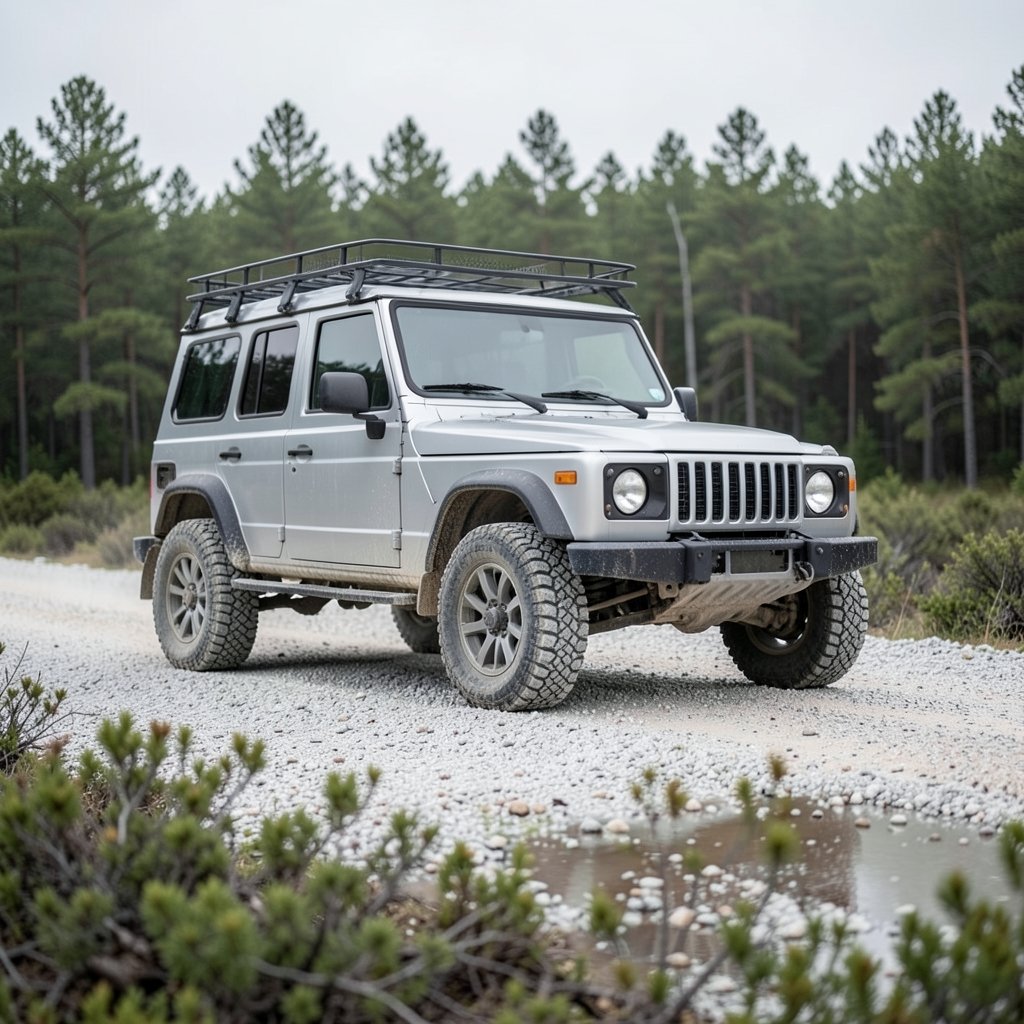
What happens when a legendary SUV gets its first full redesign in 15 years, and then everyone immediately starts asking about the next model year? That is exactly where the Toyota 4Runner finds itself. The sixth-generation truck arrived for the 2025 model year after the fifth generation ran from 2010 all the way to 2024, an unusually long life span that turned the old 4Runner into a rolling time capsule. Now shoppers typing “2027 4Runner” into search bars want to know one thing: is there something new coming, or is this just the same truck with a different window sticker? (10 best ai chatbots e commerce 2027 that rescue abandoned)
The honest answer requires separating what is confirmed from what is expected. Here is the full picture, including the parts Toyota has not nailed down yet.
The Short Answer: A Carryover, Not a Reinvention
As of the most recent confirmed information, Toyota has not announced a distinct 2027 model year 4Runner with its own redesign, new platform, or fresh powertrain family. The sixth generation debuted on April 9, 2024, at a Toyota press event in Plano, Texas, and went on sale as a 2025 model. That means a 2027 4Runner is most likely a carryover year of the sixth generation, possibly with minor trim, color, or equipment adjustments. (10 best ai chatbots gpt 5 claude under hood 2027)
That framing matters. A carryover is not a disappointment. It is normal automotive rhythm. The heavy engineering lift already happened, and the 2027 truck inherits all of it. What buyers should not expect is a surprise V8 revival, a completely new cabin, or a dramatic styling overhaul. Anyone who remembers the fifth generation’s 14-year run knows Toyota is comfortable letting a good platform age gracefully.
The flip side is that anyone shopping in 2027 should verify current details with a dealer or Toyota’s official channels before signing, because trim lineups and feature bundles shift quietly between model years.
What the Sixth-Generation Truck Actually Brings
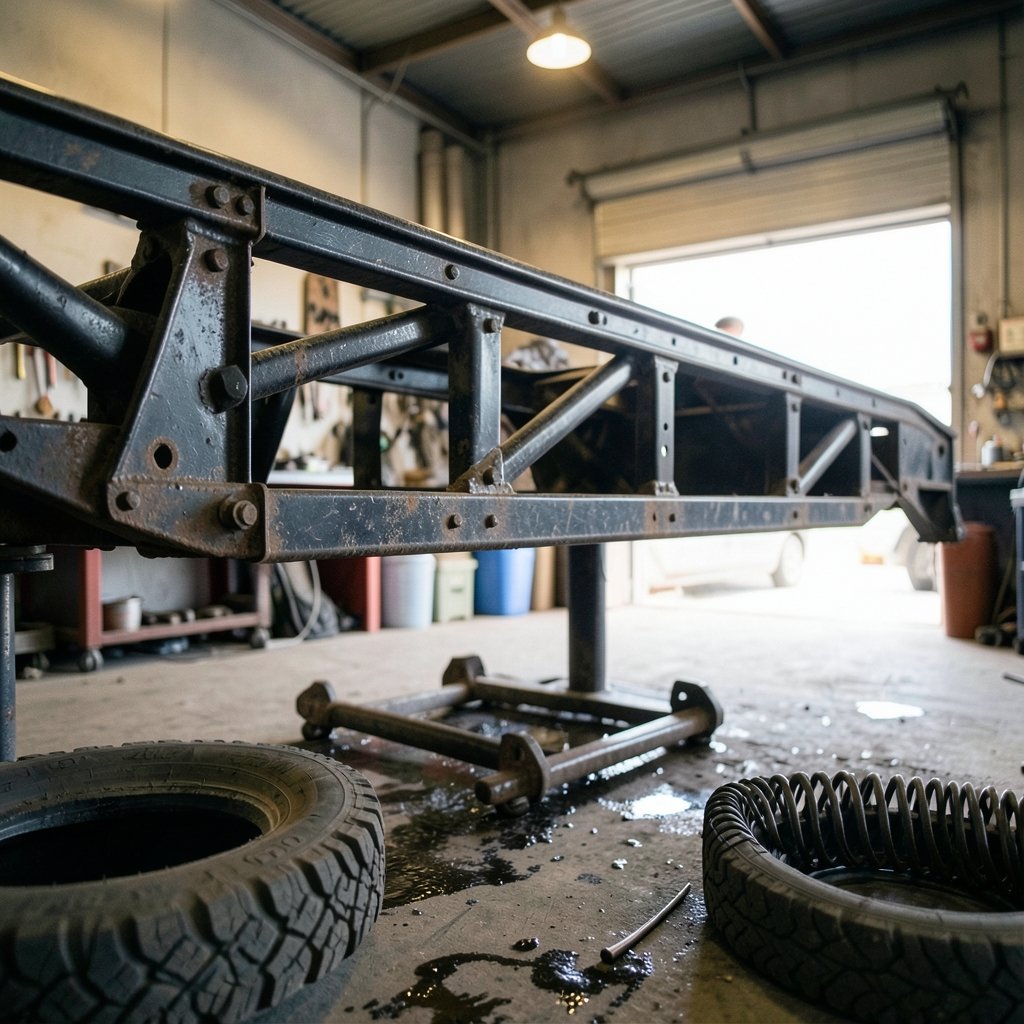
Even as a carryover, the 2027 4Runner sits on genuinely modern bones. Understanding that foundation explains why the truck matters.
A Body-on-Frame Platform Shared With the Tacoma and Land Cruiser
The sixth-generation 4Runner rides on the TNGA-F body-on-frame architecture, the same family of underpinnings used by the Tacoma and the Land Cruiser. This is the structural heart of the truck. It is a ladder-frame design built for towing, payload, and off-road abuse rather than car-like smoothness.
For practical buyers, this means the 4Runner remains a true truck-based SUV. It will not ride like a crossover. It will not sip fuel like one either. What it will do is handle washboard gravel roads, steep fire trails, and loaded cargo without complaining. The trade-off is the classic body-on-frame compromise: more heft, more road noise, and a firmer ride on broken pavement.
Two Turbo Four-Cylinder Powertrains
Toyota announced two powertrains for the new generation, and neither is a V6 or V8:
| Powertrain | Configuration | Character |
|---|---|---|
| i-Force | 2.4L turbo four-cylinder | Standard power, simpler setup |
| i-Force Max | 2.4L turbo four-cylinder hybrid | Extra low-end torque, better efficiency potential |
The disappearance of the V6 is the single most talked-about change. Longtime fans mourned it. But turbo fours deliver torque earlier in the rev range, which is exactly what helps a heavy SUV crawl over rocks or pull a trailer. Exact output figures vary by source and trim, so buyers should confirm numbers directly with Toyota rather than trusting forum posts.
The hybrid deserves special attention. Hybrid torque delivery is instant and smooth, and it tends to suit off-road work well. If fuel costs matter and the budget allows, the i-Force Max is the version most shoppers end up preferring after a test drive.
A Trim Ladder That Covers Everyone
The announced trim lineup spans a wide range: SR5, TRD Sport, TRD Off-Road, Limited, TRD Pro, Trailhunter, and Platinum. That is a genuinely broad spread.
- SR5 is the honest workhorse. Fewer frills, lower entry point.
- TRD Sport leans toward street manners and appearance.
- TRD Off-Road adds real hardware for dirt.
- Limited and Platinum chase comfort and tech.
- TRD Pro and Trailhunter are the serious off-road builds, with Trailhunter aimed at overlanding-style use.
The practical mistake here is buying more trim than the use case demands. A TRD Pro that never leaves asphalt is a lot of money spent on capability that goes unused. Conversely, an SR5 owner who catches the off-road bug will spend more retrofitting than they would have spent upgrading upfront.
Where the 2027 Truck Is Built and Why It Matters
The sixth-generation 4Runner is assembled at Toyota’s Tahara plant in Japan, the same facility that built the fifth generation. Buyers rarely think about plant location, but it carries real implications.
First, Japanese-built Toyotas have a long reputation for build consistency. Second, a single-source plant means supply is tied to one facility’s output and shipping schedules. When demand spikes, as it did after the redesign debut, availability tightens and dealer markups appear. Anyone shopping a 2027 model should expect the same dynamic: popular trims will be scarce, and patience pays.
A practical tip that saves real money: skip the first allocation wave if you can. Waiting a few months typically cools dealer pricing and opens up color and trim choices. The same logic applies across product categories, whether you are eyeing a vehicle or comparing hardware launches, where early pricing rarely holds. For a sense of how launch pricing and confirmed figures tend to drift apart, the breakdown of handheld console prices 2027 confirmed vs reported gives a useful parallel.
The 4Runner’s Long History, Briefly
The 4Runner nameplate dates to 1984 in the U.S. market. Over four decades it built a reputation less on luxury than on refusal to quit. Early models were essentially pickup trucks with a roof and rear seats. Later generations added comfort without abandoning the truck formula.
The fifth generation, sold from 2010 through 2024, became the defining era. It was old by the end. Its infotainment felt ancient and its fuel economy was never a bragging point. Yet resale values stayed stubbornly high because buyers trusted it. That trust is the 4Runner’s real currency, and the sixth generation inherits it wholesale.
What Actually Changes Between Model Years
Here is where expectations need calibrating. Between a launch year and a carryover year, changes are usually modest. Common adjustments include:
- New exterior colors and dropped colors.
- Small equipment reshuffles, like a feature becoming standard on a lower trim.
- Updated software or infotainment behavior.
- Minor price increases.
- Occasionally, a new special edition or package.
What does not usually happen is a mid-cycle powertrain swap or a cabin redesign. Those arrive at facelifts, typically several years in. So a shopper comparing a 2025, 2026, and 2027 4Runner is mostly comparing price and small details, not fundamentally different vehicles.
This is also why buying advice stays consistent across those years: drive the powertrain you can afford, pick the trim that matches your actual weekends, and do not pay a premium for a model-year badge.
Practical Buying Advice From the Real World
Plenty of people get this purchase wrong, and the mistakes repeat.
Overbuying capability. The most common error is choosing a hardcore off-road trim for a life of school runs and grocery trips. The locking differentials and skid plates never get used, and the on-road ride suffers.
Underestimating running costs. Body-on-frame SUVs drink fuel. Turbo fours help, but weight is weight. Budget for real-world economy, not the optimistic number on the window sticker.
Skipping the test drive on both powertrains. The standard turbo and the hybrid feel different in daily driving. The hybrid’s instant torque is genuinely pleasant in traffic and on trails. Skipping that comparison is a decision made on paper, not experience.
Ignoring the aftermarket. The 4Runner has one of the deepest aftermarket ecosystems of any SUV. That is good news for buyers, because a base trim plus quality aftermarket parts often beats a loaded trim for a specific use case.
Paying markup out of fear. Scarcity creates urgency. Urgency creates bad deals. Waiting is usually the cheaper strategy.
The same discipline applies to tech purchases in general. Knowing when a tool genuinely helps and when it is overkill is the whole game, a theme that runs through guidance on when not to use an AI chatbot in 2027, where restraint beats enthusiasm. Vehicle buying rewards the same restraint.
How the 2027 4Runner Compares to Its Rivals
The mid-size off-road SUV segment is crowded in a way it was not a decade ago. The 4Runner’s advantages are durability reputation, resale strength, and aftermarket depth. Its disadvantages are fuel economy, on-road refinement, and a cabin that trails the newest competitors in tech polish.
Buyers cross-shopping should ask three questions: Will this vehicle see dirt more than twice a year? How long will I keep it? What is my real fuel budget? The answers usually sort the segment quickly. The 4Runner wins clearly on the second question for most people.
Conclusion
The 2027 Toyota 4Runner is best understood as the sixth-generation truck in its carryover years rather than a new chapter. The redesign already happened in April 2024, bringing the TNGA-F platform, turbo four-cylinder power, an available hybrid, and a seven-trim ladder from SR5 to Trailhunter. A 2027 model inherits all of that, likely with only minor color and equipment tweaks.
That is genuinely fine news. The truck is modern where it counts, still body-on-frame, still built in Tahara, and still backed by four decades of reputation stretching back to 1984. Buyers who want one should verify current trim and feature details with Toyota or a dealer before committing, choose the powertrain that matches their real driving, and resist paying a scarcity premium. The 4Runner’s whole appeal is that it lasts. There is no rush to buy the wrong one.
Frequently Asked Questions
Is there a confirmed 2027 Toyota 4Runner?
Toyota has not announced a distinct 2027 model year 4Runner with its own redesign. The sixth generation debuted in April 2024 as a 2025 model. A 2027 truck is expected to be a carryover of that generation, possibly with minor trim, color, or equipment changes. (Best ai translation tools 2027 deepl vs chatgpt vs google)
What engines does the current 4Runner offer?
Two powertrains: the i-Force 2.4L turbo four-cylinder and the i-Force Max 2.4L turbo hybrid. Toyota did not announce a V6 or V8 for the sixth generation. Exact output figures vary by trim, so confirm them with Toyota directly.
Did the 4Runner lose its V6?
Yes. The redesigned generation moved to turbo four-cylinder power, including a hybrid option. The change traded displacement for earlier torque delivery, which suits a heavy body-on-frame SUV well in off-road and towing situations.
What trims are available?
The announced lineup includes SR5, TRD Sport, TRD Off-Road, Limited, TRD Pro, Trailhunter, and Platinum. The spread runs from a straightforward workhorse to dedicated off-road and overlanding builds. Trim availability can shift between model years.
Where is the 4Runner built?
The sixth-generation 4Runner is assembled at Toyota’s Tahara plant in Japan, the same facility that built the fifth generation. Single-plant production means supply depends on one facility, which can tighten availability during high-demand periods.
Should I wait for a 2027 model or buy now?
If you need a truck now, buy now. Carryover years rarely bring changes worth waiting for. If you can be flexible, waiting past the first allocation wave often means better pricing and more color and trim choices, since early demand tends to push dealer prices upward.



