
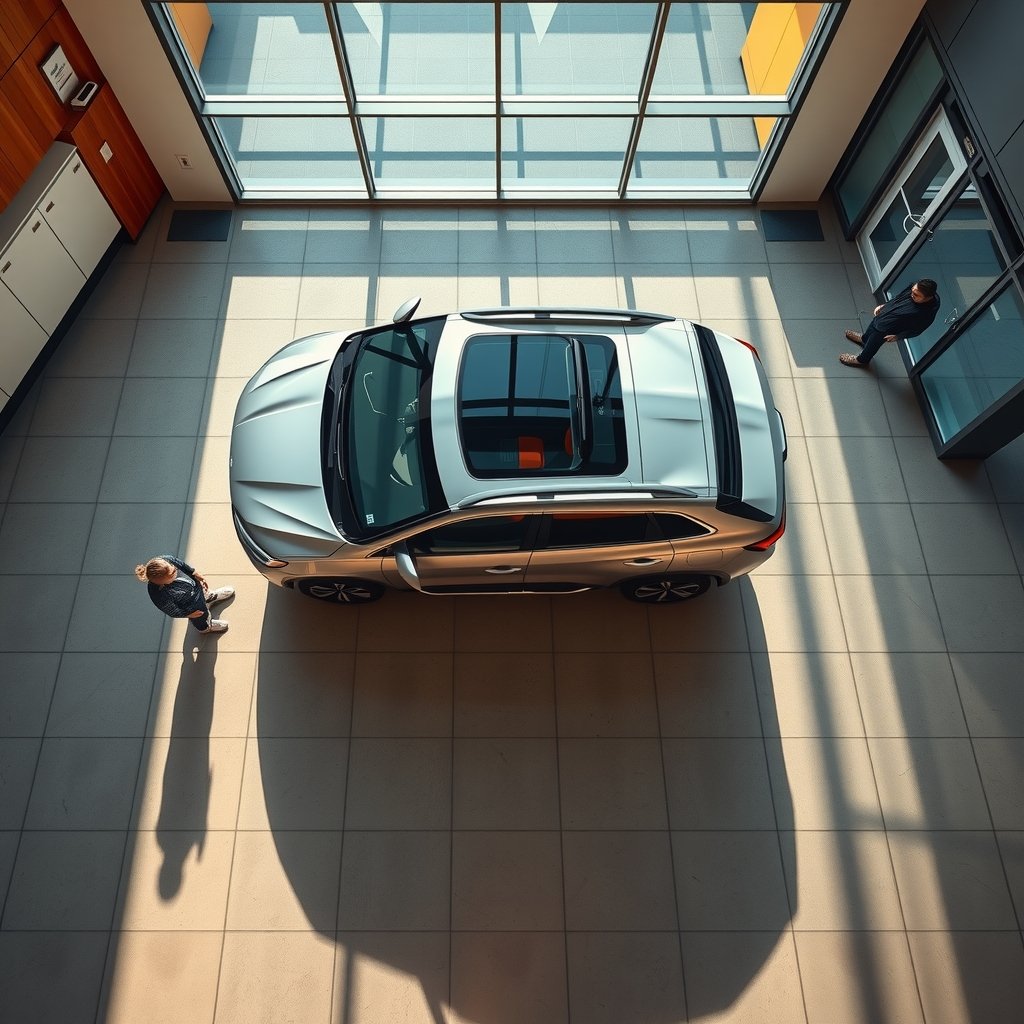
What happens when a full-size hybrid SUV that already does almost everything right gets a mid-cycle update? That is the question hanging over the 2027 Toyota Sequoia, and it is a more interesting question than it sounds. The current generation arrived with a lot of promises and a few rough edges, and the 2027 model year is the natural moment for Toyota to smooth them out.
Here is the honest version up front: the 2027 Sequoia has not been formally detailed in a way that supports hard specifications. Anyone quoting exact horsepower, pricing, or a launch date with total confidence is guessing. What follows separates what is solidly known about the platform from what is plausible, and explains what shoppers should actually watch for.
The Sequoia’s Foundation Is Not a Mystery
The third-generation Sequoia launched for model year 2023, following a redesign announced in early 2022. That generation moved the SUV onto the TNGA-F body-on-frame platform, the same architecture underneath the Toyota Tundra, the Land Cruiser, and the Lexus LX. It is built at Toyota Motor Manufacturing Texas in San Antonio, alongside the Tundra.
That shared platform matters for 2027 predictions because it tells you what will not change. Body-on-frame construction is the whole point of this vehicle. It is what gives the Sequoia its tow rating, its durability under load, and its appeal to people hauling boats, trailers, and large families at the same time. A 2027 update will almost certainly refine this formula rather than replace it.
The nameplate itself has history worth knowing. The Sequoia debuted for model year 2001, and the second generation ran from 2008 all the way to 2022. Toyota does not rush these redesigns, which is a useful clue about how much change to expect in 2027.
Powertrain: The Hybrid V6 Is Almost Certainly Staying
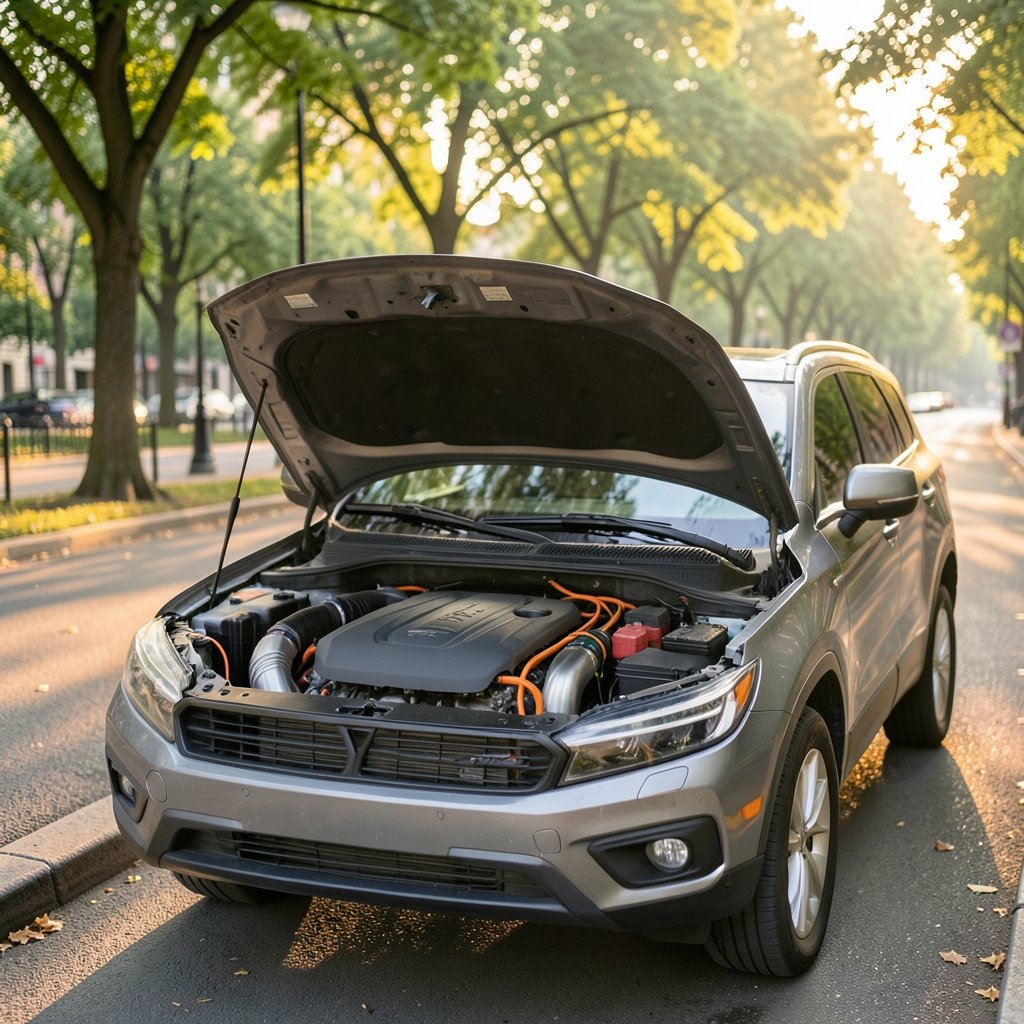
The current Sequoia offers exactly one powertrain in the United States: a 3.4-liter twin-turbo V6 hybrid branded i-Force Max, producing 437 horsepower and 583 lb-ft of torque, mated to a 10-speed automatic. That is a genuinely unusual setup for a full-size SUV, and it is the single biggest reason the Sequoia drives the way it does.
Why expect it to carry over? Because the engine is young, it is shared across multiple vehicles, and it already meets the efficiency and emissions goals Toyota set for this generation. Replacing a hybrid powertrain two years into a cycle would be expensive and pointless.
What might change is calibration. Automakers routinely retune throttle response, transmission shift logic, and hybrid battery management during a refresh. A 2027 Sequoia could feel slightly smoother or slightly more responsive without any change to the headline numbers.
One practical note for buyers: the hybrid system’s real-world benefit is not dramatic fuel savings. It is torque delivery and refinement. People who buy this SUV expecting Prius-like economy are consistently disappointed. People who buy it for effortless towing and quiet cruising tend to love it.
What a Mid-Cycle Refresh Usually Touches
Given a 2023 launch, a 2027 model year sits right in the window where Toyota typically freshens a vehicle. Based on how the company has handled other TNGA-F products, here is the realistic menu of changes.
| Area | Likely in 2027? | Why |
|---|---|---|
| Front fascia and grille | Likely | Cheapest way to signal “new” |
| Headlight and taillight design | Likely | Common refresh item |
| Infotainment software and screen | Likely | Toyota has been upgrading this across the lineup |
| Interior materials and trim colors | Possible | Addresses common complaints |
| Suspension tuning | Possible | Improves ride without new hardware |
| New powertrain | Unlikely | Current hybrid is recent and shared |
| Full redesign | Very unlikely | Generation is too young |
The pattern here is cosmetic and software-led. That is not a criticism. Refreshes that focus on the things buyers touch every day, like the screen and the seats, often matter more in daily use than a horsepower bump.
The Interior Is Where the Real Complaints Live
Spend time in owner forums and reviews of the current Sequoia and a theme emerges. The powertrain and towing get praise. The interior packaging gets picked apart.
The third row is the recurring sore spot. It does not fold flat into the floor the way some rivals manage, and cargo space behind it is modest for a vehicle this size. Seating is listed at up to eight in lower trims, with the TRD Pro configured for seven. If a 2027 refresh addresses anything meaningful, this is the highest-value target.
Practical tip: if third-row space and cargo flexibility are your priorities, test-fit your actual life before you sign. Bring the car seats, the stroller, and the dog crate to the dealership. Full-size SUVs look enormous from the outside and shrink fast once people and gear go in.
Another common mistake is assuming the top trim is automatically the best buy. The Capstone trim targets luxury buyers with premium materials, while the TRD Pro targets off-road use with different suspension and tires. Those two trims serve opposite purposes. Buying the wrong one for your needs is an expensive error that a five-minute honest self-assessment would prevent.
The current trim ladder runs SR5, Limited, Platinum, TRD Pro, and Capstone. Whether that lineup shifts for 2027 is unconfirmed, but the structure is well established.
Towing and Capability: Check the Door Sticker, Not the Brochure
Toyota has quoted maximum towing capacity up to 9,520 pounds for this generation, varying by trim and drivetrain. That is a strong number, and it is the reason many buyers choose the Sequoia over a large crossover.
Here is the mistake almost everyone makes: they shop by the maximum figure. Maximum towing capacity applies to a specifically configured vehicle, often a lower trim with the right axle ratio, and it assumes a driver and nothing else in the cabin. Add four passengers, a bed full of luggage, and a tongue-heavy trailer, and your real limit drops.
Always check the certification label on the driver’s door jamb of the exact vehicle you are buying. That sticker is the legal and practical truth for that unit. Brochure numbers are marketing; door stickers are engineering.
If you are cross-shopping and also weighing smaller purchases like a portable gaming device for the kids in the back seat, it helps to know what those actually cost before you commit. Reported and confirmed prices for handheld consoles often diverge, and the same skepticism applies to any vehicle spec sheet you read online before an official release.
Pricing Reality and the Depreciation Question
Here is where discipline matters most. Verified 2027 pricing does not exist yet. Pricing for the 2025 model year landed roughly in the $62,000 to $84,000 range depending on trim, and it would be careless to present those figures as 2027 numbers.
What shoppers can reasonably plan for is a modest increase. Refreshed models typically carry a small price bump, and full-size SUVs have held value well. But the Sequoia’s resale strength is one of its genuine advantages, and it is worth factoring into the total cost rather than fixating on the sticker.
A useful exercise: calculate total five-year cost, not purchase price. Fuel, insurance, tires on a heavy vehicle, and depreciation all matter. The Sequoia’s strong residual values often offset a higher initial outlay compared with rivals that depreciate faster.
How the Sequoia Fits in the Wider Market
The full-size SUV segment has become a technology battleground. Buyers now expect large screens, over-the-air updates, driver assistance that actually works, and connectivity that does not feel five years old on day one. Toyota has been steadily closing gaps here across its lineup, and a 2027 refresh is the obvious moment to bring the Sequoia fully current.
The broader pattern in the industry is instructive. Software and AI features now shape purchase decisions in ways they did not a decade ago, whether that is a vehicle’s voice assistant or the tools a dealership uses to manage customer conversations. Buyers researching any major purchase in 2027 already compare the intelligence layer alongside the hardware, which is why roundups of the best AI chatbots under the hood in 2027 have become relevant reading even for car shoppers thinking about in-vehicle assistants. (10 best ai chatbots e commerce 2027 that rescue abandoned)
For families hauling kids and gear, the practical question is simpler: does the infotainment work without frustration? Does the navigation respond quickly? Does the phone pairing hold? Those small daily interactions shape satisfaction far more than a spec sheet line item, and they are exactly what a mid-cycle update should fix.
What to Do If You Are Shopping Now
Waiting for a 2027 model is a legitimate strategy, but it has costs. Here is a practical sequence that works whether you wait or buy sooner.
- Decide whether you need the vehicle in the next six months. If yes, buy the current model and stop reading rumors.
- If you can wait, set a hard decision date and stick to it. Endless waiting is its own cost.
- Test drive the current generation now. The 2027 will almost certainly drive similarly, and the test tells you whether the platform suits you at all.
- Check the door-jamb sticker on any specific unit you consider, especially if towing matters.
- Verify safety ratings and recall status independently before committing. Crash-test results and recall history are public record and worth five minutes of your time.
- Get an insurance quote before you buy, not after. Large SUVs vary widely.
One more practical caution: do not put a deposit down on a vehicle whose specifications have not been officially published. Dealers sometimes take deposits on expected allocations, and that is fine, but confirm the terms in writing and know your refund rights.
If your household runs on digital tools as much as it runs on gasoline, it is also worth thinking about how the vehicle fits your broader tech stack. Families comparing translation apps for road trips or cross-border travel, for instance, will find that the best AI translation tools in 2027 have gotten remarkably good, and in-car integration is improving alongside them.
The Verdict on Waiting
The 2027 Toyota Sequoia is very likely a refined version of a vehicle that is already competent at its main job. The platform is proven, the hybrid powertrain is strong, and the towing capability is real. The unknowns are the details that matter to daily life: interior packaging, screen quality, and price.
Shoppers who need a large, tow-capable, durable family SUV today should not wait on rumors. Shoppers who can be patient and who care most about the interior and infotainment should wait for official specifications before committing. Either way, verify every number against a current official source rather than a forum post.
Frequently Asked Questions
Has the 2027 Toyota Sequoia been officially announced?
Not in a way that supports confirmed specifications. The current third generation launched for model year 2023, and a mid-cycle refresh for 2027 is plausible given typical product cycles, but shoppers should treat any specific 2027 figures circulating online as unverified until Toyota publishes them officially.
What engine will the 2027 Sequoia have?
The most likely answer is the existing 3.4-liter twin-turbo V6 hybrid, branded i-Force Max, producing 437 horsepower and 583 lb-ft of torque with a 10-speed automatic. It is the only powertrain offered in the current generation, it is shared across several vehicles, and it is too recent to be replaced this soon.
How much will the 2027 Sequoia cost?
Verified 2027 pricing does not exist yet. For context only, 2025 model year pricing ran roughly from $62,000 to $84,000 depending on trim. A modest increase is typical for a refreshed model, but shoppers should not budget from those older figures as though they were confirmed.
How much can the Sequoia tow?
Toyota has quoted maximum towing capacity up to 9,520 pounds for the current generation, varying by trim and drivetrain. The figure that actually applies to your vehicle is on the certification label inside the driver’s door jamb. Always check that sticker rather than relying on the brochure maximum.
How many people does the Sequoia seat?
Lower trims seat up to eight people, while the TRD Pro trim is configured for seven. Third-row space and cargo room behind it are the most commonly criticized aspects of the current generation, so families with three rows of regular passengers should test-fit carefully before buying.
Should I wait for the 2027 model or buy now?
If you need a large tow-capable SUV within the next six months, buy the current model, which is already proven. If interior quality and infotainment are your top priorities and you can be flexible on timing, waiting for official 2027 details is reasonable. Set a decision date either way so the wait does not drag on indefinitely.
Conclusion
The 2027 Toyota Sequoia is less a blank slate than a known quantity awaiting polish. Its bones are solid: a proven body-on-frame platform, a genuinely strong hybrid V6, real towing capability, and the resale strength that comes with the Toyota badge. The open questions are the ones that shape daily ownership, from third-row packaging to screen responsiveness to the final price.
The smart approach is neither blind enthusiasm nor endless waiting. Drive the current generation, understand what you actually need from a full-size SUV, verify every specification against an official source, and set a deadline for your decision. Do that, and whether you end up in a 2027 model or a well-equipped current one, you will have bought on evidence rather than hype.



