
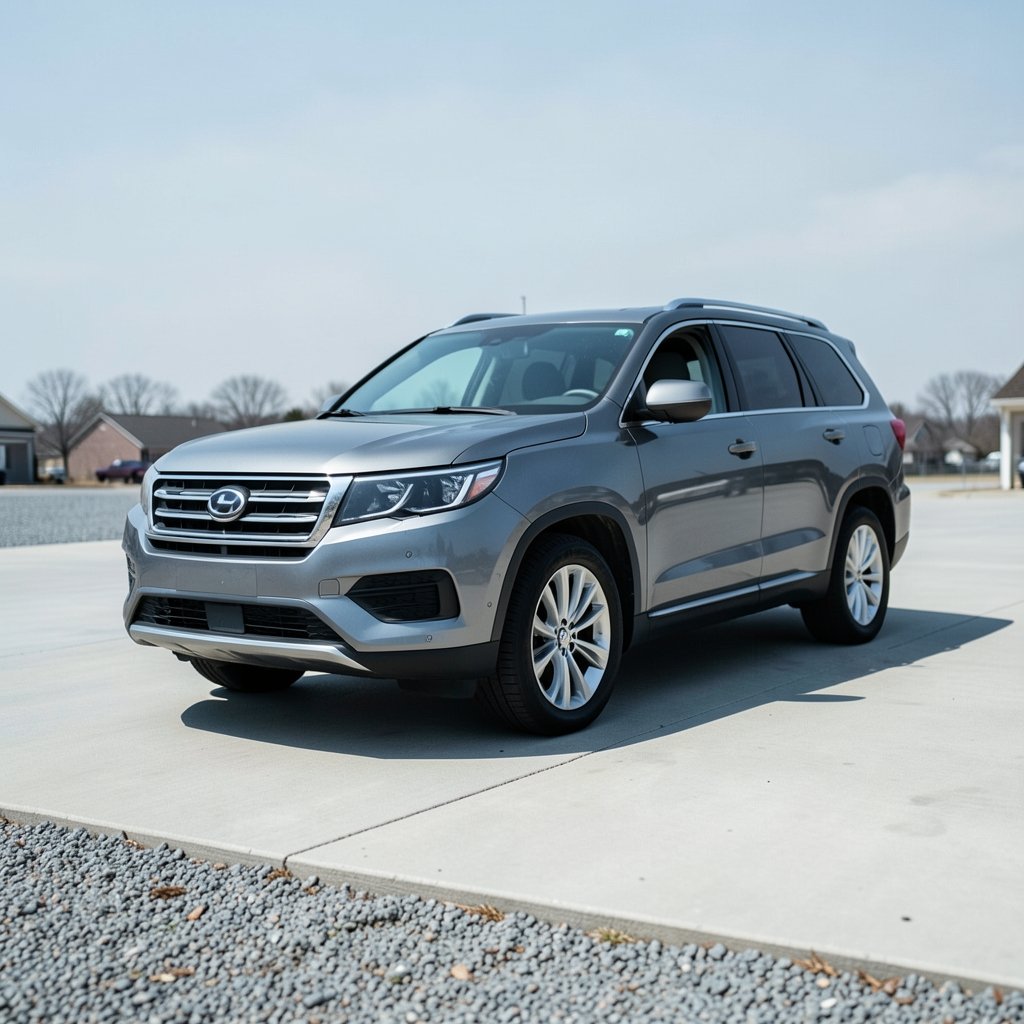
What happens when a three-row family SUV that has quietly carried tens of thousands of American households reaches the end of its current design cycle? That is the question hanging over the 2027 VW Atlas. Volkswagen’s biggest US-market vehicle is a Chattanooga-built staple, but the model has been running on a second-generation platform that arrived back in 2018 and got a significant refresh for 2024. So the 2027 model year sits at a genuine crossroads: carryover, another refresh, or a full redesign. Here is a clear-eyed look at what is known, what is rumored, and what shoppers should actually do.
The Short Answer on the 2027 Atlas
Nobody outside Volkswagen can hand you a confirmed 2027 Atlas spec sheet yet, and any article that pretends otherwise is guessing. What can be said with confidence is this: the Atlas is a three-row mid-size SUV built in Chattanooga, Tennessee, with a two-row sibling called the Atlas Cross Sport. The current generation launched for the 2018 model year, and a major refresh landed for 2024. Whether 2027 brings a carryover, a light update, or an all-new generation is the open question.
That uncertainty is not a reason to panic. It is a reason to plan. Buyers who understand the product cycle can time a purchase, negotiate better, or decide to wait for the next big thing.
Where the Atlas Stands Right Now
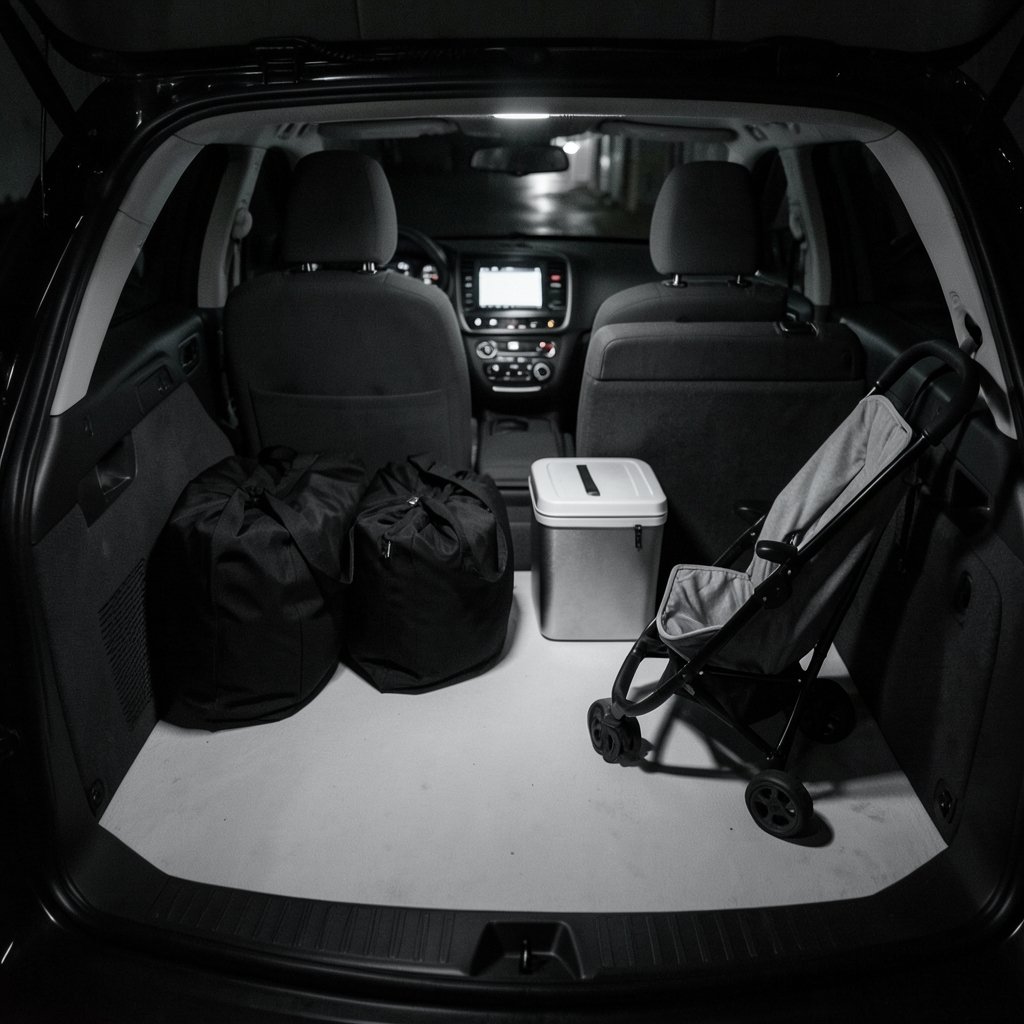
To understand 2027, you have to understand 2024. The refresh that year was not cosmetic fluff. It brought revised exterior styling, a reworked interior with a larger touchscreen, and a 2.0-liter four-cylinder engine with forced induction that replaced the long-serving VR6 in most trims. That change matters because it reset the Atlas’s driving character: more low-end torque, better fuel economy in theory, and a quieter highway demeanor.
The Atlas also earned its reputation on one simple strength: space per dollar. It is one of the few mainstream three-row SUVs where adults can genuinely sit in the third row for a short trip, and the cargo area behind the second row is generous. Families cross-shop it against the Honda Pilot, Toyota Grand Highlander, and Kia Telluride for exactly that reason.
What the Atlas Does Well
- Third-row usability that beats most rivals in its price band
- Ride comfort tuned for American highways rather than European backroads
- Warranty coverage that is competitive for the segment
- US assembly, which some buyers value for service and parts reasons
Where It Falls Short
- Fuel economy is mid-pack at best for a three-row SUV
- Infotainment ergonomics drew criticism after the 2024 touch-heavy redesign
- Resale value trails the Telluride and Pilot
- Acceleration with a loaded cabin and full family is merely adequate
Carryover, Refresh, or Redesign? Reading the Tea Leaves
Here is the practical reality of the auto industry: model-year changes are usually announced only months before vehicles hit dealers. A 2027 model typically starts arriving at US dealerships in the second half of 2026. That means confirmed details will trickle out through official Volkswagen of America press releases, then through EPA fuel-economy filings, then through NHTSA and IIHS safety ratings.
Three scenarios are worth mapping out.
| Scenario | What It Would Mean | Likelihood Signal to Watch |
|---|---|---|
| Carryover | Same design, minor trim or color changes | No spy shots, no teasers by mid-2026 |
| Second refresh | Updated front end, tech upgrades, maybe a hybrid | Camouflaged prototypes spotted testing |
| All-new generation | New platform, possibly electrified, new interior | Official VW teaser images or concept reveal |
The smart move is to watch for camouflaged test mules. When automakers start testing a redesigned model on public roads, spy photographers catch them, and that is usually the first real signal that a new generation is coming. If 2026 passes with no sightings, a carryover or light refresh becomes the safer bet.
The Electric Question
Volkswagen has publicly discussed an electric three-row SUV for the US market, and the Atlas name has floated around those conversations. But naming, timing, and whether an EV would replace or sit alongside the combustion Atlas are all unresolved. Buyers should treat any “electric Atlas confirmed for 2027” claim with heavy skepticism unless it comes from an official Volkswagen announcement.
What is reasonable to assume is that the Atlas family will eventually go electric, because the entire industry is heading that way. What is not reasonable is planning a 2027 purchase around an EV that may not exist yet. If you need a three-row family vehicle in the next 12 to 18 months, the combustion Atlas, or a rival, is the realistic path.
How to Actually Shop for a 2027 Atlas
This is where first-hand buying experience beats speculation. A few practical rules apply to almost every model-year transition.
1. Do Not Buy Blind on a Pre-Order
Dealers sometimes take deposits on upcoming model years before official specs and pricing exist. Avoid that unless the deposit is fully refundable in writing. You are essentially lending the dealership money for a car whose price you do not know.
2. Time the Purchase Around the Announcement
If a redesign is confirmed, current-generation models get cheaper fast. Dealers discount outgoing inventory to clear lots. If you are fine with the current design, that discount is free money. If you want the newest thing, wait for the official reveal and expect to pay closer to sticker.
3. Verify Safety Ratings Yourself
Never take a salesperson’s word on crash safety. Check the official NHTSA 5-Star Safety Ratings and IIHS results for the exact model year you are buying. Ratings can change between years even when the car looks identical, because testing protocols evolve.
4. Check EPA Figures for the Specific Trim
Fuel economy varies by drivetrain and trim. The official EPA fuel-economy database lists figures by model year and configuration. Do not assume the 2027 numbers match 2024 just because the engine looks the same.
5. Test the Third Row With Your Actual Family
Bring the people who will sit back there. Bring the car seats. Bring the stroller. The Atlas’s third row is good, but “good” is relative to your household, not a spec sheet.
Common Mistakes Buyers Make
A few traps show up again and again in three-row SUV shopping, and they are worth naming plainly.
- Assuming a new model year means a new car. Plenty of model years are carryovers with a new badge and a higher price.
- Ignoring the Atlas Cross Sport. If you rarely use a third row, the two-row version is cheaper and drives similarly.
- Overpaying for tech packages. The larger screens and driver-assist bundles add cost fast. Decide which features you will actually use.
- Skipping the extended test drive. A 20-minute loop does not reveal highway noise, seat comfort over an hour, or how the transmission behaves in traffic.
- Forgetting insurance and tire costs. Three-row SUVs eat tires faster than sedans, and 20-inch wheels are not cheap to replace.
If you are comparing the Atlas against other AI-assisted shopping and research tools, it helps to know which chatbots actually give reliable product comparisons. A look at how the best AI chatbots like GPT-5 and Claude work under the hood can save you from trusting a hallucinated spec sheet. Similarly, if you are shopping online and want faster answers from dealer chat windows, understanding how AI chatbots in e-commerce rescue abandoned carts gives you a sense of what those tools are actually doing with your questions.
The Competition Does Not Sit Still
The 2027 Atlas will not launch into a vacuum. The three-row mid-size segment is brutally competitive, and rivals have their own cycles.
| Rival | Strength | Watch For |
|---|---|---|
| Toyota Grand Highlander | Hybrid efficiency, strong resale | Refresh timing and pricing creep |
| Kia Telluride | Interior quality, value | Redesign rumors |
| Honda Pilot | Reliability reputation, resale | TrailSport trim appeal |
| Hyundai Palisade | Feature density per dollar | Generation change timing |
The Atlas’s edge has always been space and comfort for the money, not raw efficiency or sportiness. If Volkswagen keeps that formula and adds better tech, it stays relevant. If it chases premium pricing without matching content, buyers will drift to the Telluride and Grand Highlander.
What About the Buying Experience Itself?
One underrated factor: dealer experience. Volkswagen’s US dealer network is smaller than Toyota’s or Honda’s, which matters for service convenience. Before committing, check how far the nearest VW service center is and whether loaner vehicles are offered during warranty repairs. A great SUV with an inconvenient service network is a daily annoyance.
Also, ask about model-year transition incentives. Dealers often have hidden factory-to-dealer cash they can apply to outgoing inventory. It never appears in advertising, but it is real. Asking directly, politely, and near the end of the month tends to work better than demanding it upfront.
Should You Wait for the 2027 Atlas?
The honest answer depends on your timeline.
- Need a three-row SUV in the next six months? Buy the current Atlas, or a rival, and negotiate hard. Waiting for an unconfirmed 2027 model is a gamble with no guaranteed payoff.
- Can wait 12 to 18 months? Watch for official Volkswagen announcements and spy shots. If a redesign is confirmed, decide whether the new design is worth the likely higher price.
- Want an electric three-row? Keep watching, but do not plan around a 2027 EV Atlas until Volkswagen confirms it officially.
The worst outcome is buying in a fog of rumor. The best is buying with clear information about what is confirmed, what is likely, and what is pure speculation.
Conclusion
The 2027 VW Atlas is a story still being written. What is certain is the foundation: a US-built, three-row family SUV with genuine space, comfortable highway manners, and a 2024 refresh that modernized the powertrain and cabin. What is uncertain is whether 2027 brings a carryover, another refresh, or an all-new generation, and whether an electric Atlas arrives alongside it.
For buyers, the playbook is straightforward. Verify safety and fuel-economy data for the exact model year, test the third row with your real family, watch for official announcements and prototype sightings, and negotiate around model-year transitions rather than against them. If you are doing your research with AI tools, it also pays to know when not to use an AI chatbot for high-stakes purchase decisions, and how to compare AI tools for e-commerce stores that boost conversions if you are shopping or selling online. Good information beats a good sales pitch every time, and that is especially true when the model year itself is still a moving target.
FAQ
When will the 2027 VW Atlas go on sale?
A 2027 model year vehicle typically reaches US dealerships in the second half of 2026, though Volkswagen has not confirmed an exact on-sale date. Watch official Volkswagen of America announcements for the definitive timing.
Is the 2027 Atlas a redesign or a carryover?
That is not confirmed. The current generation launched for 2018 and was refreshed for 2024, so a full redesign is plausible but unconfirmed. Look for camouflaged prototype sightings or official teasers as the strongest early signals.
Will there be an electric VW Atlas?
Volkswagen has discussed an electric three-row SUV for the US market, but naming, timing, and whether it would replace or complement the combustion Atlas are unresolved. Treat any specific 2027 EV Atlas claim as unverified until officially announced.
What engine will the 2027 Atlas have?
Unconfirmed. The 2024 refresh introduced a 2.0-liter four-cylinder engine with forced induction to replace the VR6 in most trims, so a carryover of that engine is the most likely baseline, but a redesign could bring a hybrid or different powertrain.
How does the Atlas compare to the Toyota Grand Highlander and Kia Telluride?
The Atlas generally leads on third-row space and ride comfort for the money, while the Grand Highlander offers stronger hybrid efficiency and the Telluride counters with interior quality and resale strength. Test all three with your family before deciding.
Should I buy a 2024 or 2025 Atlas instead of waiting for 2027?
If you need a three-row SUV soon, buying the current generation during a model-year transition often means real discounts. Waiting only makes sense if you can absorb the uncertainty and the likely higher price of a redesigned model.



