

What happens when you pay for a surprise and the surprise turns out to be a headache? That’s the central question behind every “mystery box” service, and it’s the one that matters most when evaluating a mysterydrop-style offering. Mystery boxes, blind bags, and randomized product drops have exploded in popularity, fueled by the same thrill that makes unboxing videos so watchable. But the gap between the marketing promise and the actual experience can be wide, and shoppers deserve a clear-eyed look before they hand over their money.
This review breaks down how mystery drop services typically work, what separates a fair deal from a bad one, the practical risks to watch for, and how to decide whether any given mystery box is worth your cash. It sticks to what can be verified about the category as a whole rather than inventing details about a specific vendor, and it flags plainly where information is thin.
What a Mystery Drop Actually Is
The term mysterydrop describes a purchase model where a buyer pays a set price and receives a package of unknown contents. The seller curates the items, and the buyer accepts the uncertainty in exchange for the promise of value, novelty, or both. Variations include:
- Fixed-price mystery boxes where every buyer gets roughly equivalent value.
- Tiered drops where higher prices give a chance at rarer items.
- Themed drops built around a brand, hobby, or fandom.
- Randomized “grab bag” sales common in apparel, cosmetics, and collectibles.
The appeal is obvious. People enjoy surprise, and the psychology of variable rewards is powerful. Behavioral research on intermittent reinforcement shows that unpredictable payoffs can be more engaging than predictable ones. That’s the same mechanism that makes slot machines compelling, and it’s worth naming honestly: a well-run mystery box leans on that psychology, sometimes responsibly and sometimes not.
How to Judge Any Mystery Drop Service
Because the specific vendor behind a given “mysterydrop” offer can vary widely, the smarter approach is to evaluate the model using criteria that apply to any seller. The table below summarizes the signals that separate a trustworthy operation from a risky one.
| Signal | Trustworthy Sign | Warning Sign |
|---|---|---|
| Pricing transparency | Stated value range and odds | Vague “up to” claims only |
| Return policy | Clear refunds for damaged or missing items | “All sales final” with no exceptions |
| Reviews | Verifiable, dated, across multiple platforms | Only glowing testimonials on the seller’s own site |
| Contact info | Real address, phone, responsive support | Email-only, no business registration |
| Item sourcing | Named brands or categories | Total secrecy about what’s inside |
| Shipping | Tracked, insured, stated timelines | Long unexplained delays |
A practical tip that saves people real money: before buying from any mystery box seller, run the company name through a consumer protection database and check whether the business is registered where it claims to operate. In the United States, the Federal Trade Commission publishes guidance on mail-order and online shopping rules, including the Mail, Internet, or Telephone Order Merchandise Rule, which requires sellers to ship within a stated time or offer a refund. Knowing those baseline rights changes how you read a seller’s terms.
The Real Risks of Buying Blind
Mystery boxes carry risks that ordinary purchases don’t, and it’s worth being blunt about them.
Value mismatch is the big one. The seller knows what’s in the box; you don’t. That information asymmetry means the “retail value” printed on the marketing page may bear little relation to what the items actually sell for. A box advertised as containing “$100 of value” might be assembled from clearance stock worth a fraction of that at street prices.
Counterfeit goods are a genuine concern in blind-buy categories, especially collectibles, cosmetics, and electronics accessories. The Organisation for Economic Co-operation and Development has documented that counterfeit trade is a multi-hundred-billion-dollar problem, and blind buying removes the inspection step that normally helps you spot fakes.
Dispute difficulty is the third risk. If the box arrives and the contents disappoint, “I didn’t like what I got” is rarely grounds for a refund. Sellers lean on the fact that you agreed to the randomness. That’s why the terms page matters more than the sales page.
If you’re the type who researches purchases carefully, you probably already do this for big-ticket items. The same discipline applies to smaller blind buys, and it’s the kind of comparison shopping that shows up in guides to when the PS5 price will drop and similar value-tracking pieces, where patience and verification beat impulse.
What Actually Works in Practice
A few habits separate satisfied mystery box buyers from disappointed ones.
- Set a hard budget before browsing. Decide what the entertainment is worth to you, and treat the entire spend as the cost of the experience, not an investment.
- Read the full terms, not the FAQ. Look specifically for return windows, shipping guarantees, and any language about “no refunds.”
- Check the seller’s history. Search the company name alongside words like “refund,” “scam,” and “review” to surface complaints that don’t appear on the homepage.
- Pay with a method that offers protection. Credit cards and established payment platforms give you a dispute path that cash and some peer-to-peer transfers don’t.
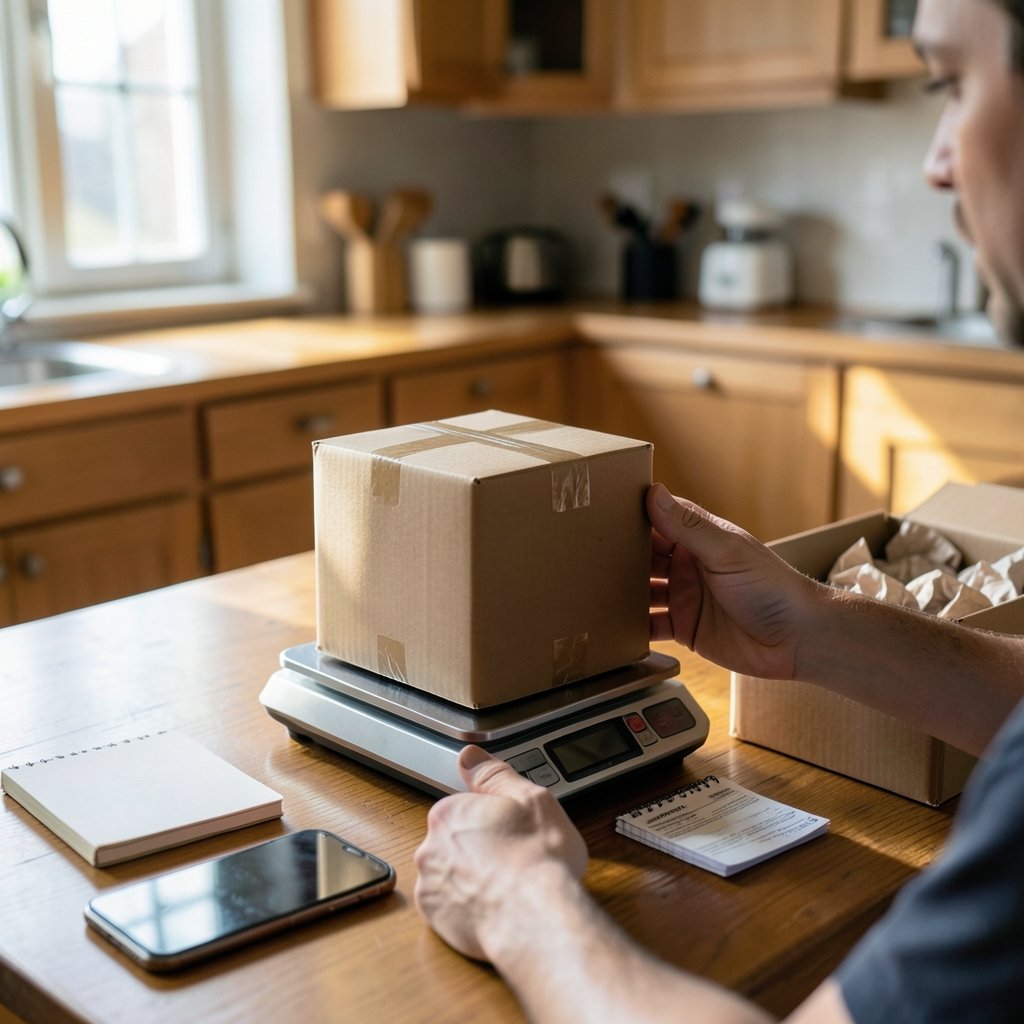
- Photograph the unboxing. If contents arrive damaged or differ from what was advertised, timestamped evidence strengthens any claim.
A common mistake is treating a mystery box as a shortcut to a specific item. If you want a particular product, buy that product. Mystery boxes work best when you genuinely enjoy the surprise and can afford to lose the value of the box without resentment.
Mystery Drops in the Wider Collectibles and Gaming Market
The mystery box model overlaps heavily with gaming and collectibles, where limited drops and blind boxes are standard. The same scrutiny applies there. Gamers who track hardware prices carefully, as covered in a Snapdragon X2 Elite benchmark review, tend to be the same people who want hard numbers before committing money. That instinct serves buyers well in blind-buy markets too.
Retro gaming collectors face a particular version of this problem. A “mystery lot” of classic games might contain genuine treasures or a pile of sports titles from 1994. Experienced collectors know the difference between a curated lot and a random dump, and that knowledge is exactly what a buyer needs before paying. Guides that rank the best Dreamcast games show how much variation exists within a single console’s library, which is why “assorted games” is a phrase that should raise an eyebrow rather than a smile.
The broader lesson: in any category where value is uneven, blind buying shifts risk onto the buyer. That’s not automatically unfair, but it should be priced accordingly.
How Mystery Drops Compare to Subscription Boxes
Subscription boxes are the more established cousin of the one-off mystery drop, and the comparison is instructive.
| Feature | One-Off Mystery Drop | Subscription Box |
|---|---|---|
| Commitment | Single purchase | Recurring billing |
| Predictability | Low | Moderate (known theme) |
| Cancellation | N/A | Often requires notice |
| Value transparency | Often vague | Usually stated per box |
| Review coverage | Thin | Extensive |
Subscription boxes have been studied and reviewed enough that buyers can find reliable comparisons. One-off drops often lack that review coverage, which means the burden of due diligence falls squarely on the buyer. If a seller offers a subscription, check the cancellation terms before the first charge, since recurring billing is where most complaints originate.
What the Psychology Says About “Worth It”
The honest answer to “is a mystery drop worth it?” depends on what you’re buying. If you’re buying entertainment and the price is low relative to your budget, the thrill of the unboxing can be genuine value. If you’re buying in the hope of scoring something rare or expensive, the math usually favors the seller.
Research on variable ratio reinforcement explains why these offers feel more exciting than they are. The unpredictability itself is the product. Recognizing that doesn’t ruin the fun; it just keeps you from overpaying for it. A useful test: would you still buy the box if you knew the contents were average? If the answer is no, you’re paying for hope, not goods.
There’s also a social dimension. Unboxing content performs well because watching someone else’s surprise is vicarious fun. That’s fine as entertainment, but it can inflate perceived value. The videos that get shared are the lucky pulls, not the disappointing ones. Survivorship bias is doing a lot of work in the marketing.
Practical Checklist Before You Buy
Before clicking purchase on any mystery drop, run through this list:
- The seller lists a physical address and a working support channel.
- The terms page states shipping timelines and refund conditions.
- Independent reviews exist outside the seller’s own site.
- The price feels acceptable even if the contents are ordinary.
- You’re paying with a protected method.
- You’ve checked the seller against consumer protection resources.
If any of those boxes go unchecked, wait. There’s no shortage of mystery drops, and a better-run one is usually a search away.
Conclusion
A mysterydrop-style purchase is a gamble dressed as shopping, and the best buyers treat it that way. The category isn’t inherently shady, but it rewards scrutiny. Sellers control the information, the odds, and often the refund policy, which means the buyer’s only real leverage is preparation. Check the terms, verify the seller, cap the spend, and pay with protection. Do that, and a mystery box can be a fun, low-stakes treat. Skip it, and you’re trusting a stranger’s definition of “value” with your money. The surprise should be what’s in the box, not what happens to your refund request.
Frequently Asked Questions
What is a mysterydrop?
A mysterydrop is a purchase model where a buyer pays a set price for a package of unknown contents. The seller curates the items, and the buyer accepts the uncertainty in exchange for the promise of value or novelty. The term can refer to one-off drops, tiered boxes, or themed blind buys across categories like collectibles, apparel, and gaming.
Are mystery boxes a scam?
Not inherently. Many are legitimate and run by reputable sellers. The risk is structural: the seller knows the contents and the buyer doesn’t, which creates room for value mismatch and vague marketing. A box becomes scam-adjacent when the seller hides terms, refuses refunds for damaged goods, or misrepresents retail value.
How can I tell if a mystery drop seller is trustworthy?
Look for a physical address, a working support channel, a clear terms page with shipping and refund conditions, and reviews that exist outside the seller’s own website. Check the business against consumer protection resources and pay with a method that offers dispute protection. Vague “up to” value claims and email-only contact are warning signs.
Can I get a refund if I don’t like what’s in the box?
Usually not. Most sellers state that dissatisfaction with random contents isn’t grounds for a refund, since the buyer agreed to the randomness. Refunds are more commonly available for damaged, missing, or misdescribed items. That’s why reading the terms before purchase matters more than reading the sales page.
Is a mystery box ever a good deal financially?
Rarely in expected-value terms. The seller prices the box to cover costs and profit, so the average contents are worth less than the price. The deal can still be worthwhile as entertainment if the price is low relative to your budget and you genuinely enjoy the surprise. Treat it as a fun expense, not an investment.
What should I do if my mystery drop never arrives?
First, contact the seller in writing and keep records. If there’s no resolution, dispute the charge through your card issuer or payment platform. In the United States, the FTC’s Mail, Internet, or Telephone Order Merchandise Rule requires sellers to ship within a stated time or offer a refund, which gives you a documented basis for a claim. (Internet Crime Complaint Center (IC3))



