What happens when a video title promises a Tesla that drives itself “with a car attached” and racks up 1.74 million subscribers along the way? The phrase sounds like clickbait, and it mostly is. But it also points at something real: the gap between how Full Self-Driving (FSD) gets marketed online and what the software actually does on a public road. That gap matters if you own a Tesla, ride in one, or share a road with one. (Tesla Autopilot)
This article unpacks the phrase piece by piece, separates verified facts from hype, and explains what drivers should actually watch for as Tesla pushes toward autonomy in 2026. (Ai philanthropy anthropic 5 percent musk spacex shares fine print 2026)
Breaking Down the Phrase: FSD, “a Car Attached,” and 1.74M Subscribers
The query bundles three unrelated things. First, FSD, Tesla’s driver-assistance software, which the company has branded “Full Self-Driving (Supervised)” since 2024. Second, “with a car attached,” which reads like a video thumbnail hook rather than an engineering term. Third, “1.74M subscribers,” almost certainly a YouTube channel count rather than a Tesla statistic.
Put together, it looks like a garbled video title plus channel stats plus a year tag. There is no verified Tesla product, feature, or announcement called “FSD with a car attached.” Anyone searching for it should treat the phrase as a content label, not a technical specification.
That distinction is not pedantic. Confusing marketing language with capability is exactly how drivers end up over-trusting a system that still requires their full attention.
What FSD Actually Is in 2026
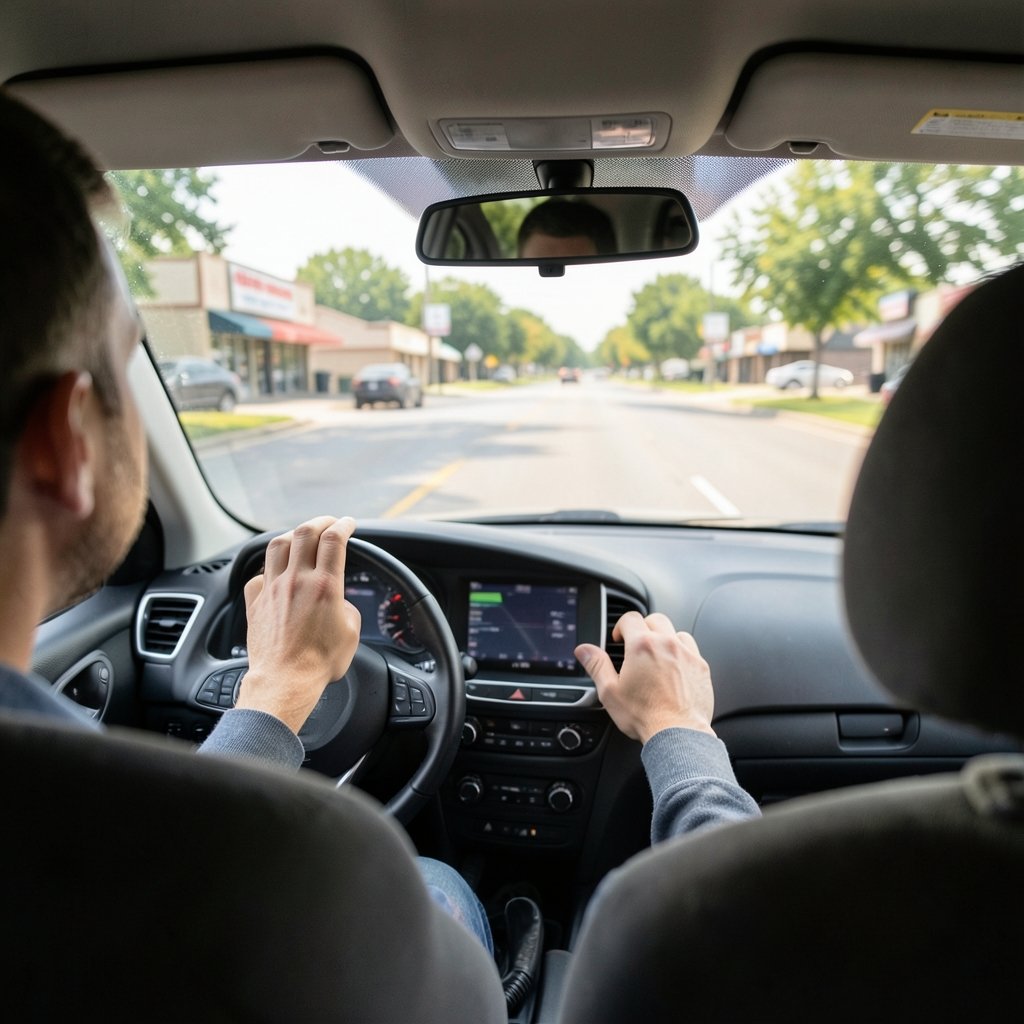
Tesla’s FSD is an advanced driver-assistance system, not autonomous driving. Tesla itself tells owners to keep their hands on the wheel and stay ready to take over at any moment. The “Supervised” label was added precisely to make that clear.
The software has gone through rapid version churn. FSD v13 reached customers in late 2024, and later iterations were reported through 2025. Each release has improved smoothness and handling of edge cases, but the core legal and practical reality has not changed: a licensed human driver remains responsible for the vehicle at all times.
For a broader look at where Tesla’s hardware bets are heading, including the robotaxi, Semi, and Roadster programs, the company’s public positioning is worth following closely, since FSD sits at the center of that strategy.
The Robotaxi Context
Tesla launched a limited robotaxi service in Austin, Texas, in June 2025, initially with a safety monitor seated in the passenger seat. That detail matters. A service with an in-car monitor is a supervised pilot, not a fully driverless commercial fleet.
Coverage of robotaxi incidents has been intense, including reports of passengers feeling trapped in vehicles during unexpected stops. Those episodes are a useful reality check for anyone who assumes consumer FSD and robotaxi software are the same thing. They are related, but they run under different operational rules, geofences, and supervision levels.
Why the “Car Attached” Framing Spreads Online
Video platforms reward surprise. A title suggesting a Tesla towing or dragging another car while FSD is engaged will outperform a sober explainer every time. Channels with large subscriber bases, whether 1.74 million or 174,000, profit from that asymmetry.
The practical problem is what viewers take away. Three common mistakes show up again and again:
- Assuming a viral clip proves capability. A single successful demo says nothing about reliability across thousands of miles and weather conditions.
- Copying stunts. Attempting to replicate a video scenario with FSD engaged is both dangerous and, in most jurisdictions, illegal.
- Mistaking subscriber counts for authority. A big audience measures entertainment reach, not engineering accuracy.
What actually works is boring: read Tesla’s own release notes, watch NHTSA public data on driver-assistance incidents, and treat every viral FSD clip as entertainment until a primary source confirms it.
The Subscriber Number: What 1.74M Does and Doesn’t Tell You
A subscriber count is a popularity metric. It tells you a channel has distribution. It does not tell you whether the channel’s claims about FSD are accurate, whether footage was edited, or whether a safety driver was present off-camera.
Readers evaluating FSD content should ask four questions before trusting a video:
| Question | Why It Matters |
|---|---|
| Is the software version shown? | FSD behavior changes between releases |
| Is a safety driver visible or disclosed? | Undisclosed intervention changes the story |
| Is the route edited or sped up? | Cuts hide disengagements |
| Does the creator cite primary sources? | Uncited claims are unverifiable |
If a channel cannot answer these, the subscriber count is irrelevant to safety.
Regulation and Oversight: The Part Videos Skip
In the United States, NHTSA collects incident data from manufacturers under standing general orders covering advanced driver-assistance and automated systems. That data has limitations, including reporting thresholds and reliance on manufacturer submissions, but it is a primary source rather than a comment section.
State regulators add another layer. California’s DMV, for example, requires permits and reporting for autonomous vehicle testing and deployment, and it has publicly questioned Tesla’s autonomy claims in the past. The practical takeaway for drivers: the rules that govern a robotaxi pilot in Texas are not the rules that govern your personal car, and neither set of rules makes FSD unsupervised.
What Drivers Should Actually Do With FSD in 2026
Practical experience with FSD clusters around a few habits that separate calm users from white-knuckle ones.
Set expectations before the first drive. FSD handles highway cruising and routine intersections well. It struggles with construction zones, unusual obstacles, and ambiguous right-of-way situations. Knowing that in advance prevents panic grabs at the wheel.
Keep hands on the wheel and eyes up. The system’s cabin camera monitors attention, and repeated warnings can suspend access. Fighting the monitoring system is a losing game.
Learn the disengagement habit. The safest FSD users intervene early and smoothly rather than waiting to see if the car “figures it out.” Early intervention is not a failure of the system; it is the system working as designed.
Log your own interventions. A simple note of where and why you took over builds a realistic personal picture of the software’s limits, far more useful than any video.
Never test stunts. No towing scenarios, no climbing into the back seat, no “look, no hands” demonstrations. Every one of those is a mistake someone has already made and regretted.
For buyers weighing a Tesla against rivals, broader 2026 phone and device coverage is a useful reminder that software promises across the tech industry tend to arrive later and narrower than launch events suggest. The best phones 2026 roundups make the same point in a different category: marketing outruns delivery. (Black Friday Car Deals: Best Offers and Prices for 2026)
FSD and the Wider Tesla Story
FSD is not an isolated product. It underpins Tesla’s robotaxi economics, its valuation narrative, and a chunk of its public messaging. When the company makes three hardware bets at once, FSD is the thread tying them together, which is why scrutiny of the software is so intense.
That scrutiny has spillover effects. Regulatory attention on autonomy shapes insurance, liability, and state-level rules that eventually reach ordinary owners. Coverage of self-driving incidents, including reports of passengers trapped in stopped robotaxis, feeds directly into how regulators and courts treat the technology.
Meanwhile, the broader tech landscape keeps generating its own trust problems, from app store fee disputes to platform layoffs. Readers who follow those stories will recognize the pattern: bold claims, delayed timelines, and a public that has to sort signal from noise.
How to Judge FSD Claims Like a Skeptic
A simple checklist works for almost any FSD claim encountered online:
- Identify the source type. Manufacturer statement, regulator data, journalist report, or creator video.
- Check the software version and date. FSD changes fast; a 2024 clip describes different software than a 2026 release.
- Look for disclosed interventions. Any cut or edit is a question mark.
- Cross-check with primary sources. NHTSA data and state regulator filings beat commentary.
- Discount superlatives. “Fully autonomous” and “no driver needed” are red flags in any FSD discussion.
Applied consistently, this checklist deflates most viral claims within minutes.
Conclusion
“Musk FSD with a car attached 1.74M subscribers 2026” is not a Tesla feature. It is a mashup of a video-style hook, a channel statistic, and a year. The real story underneath is more useful: FSD remains a supervised driver-assistance system, Tesla’s robotaxi pilot is limited and monitored, and regulators collect data that outweighs any thumbnail. Drivers who treat viral clips as entertainment, lean on primary sources, and keep their hands on the wheel will navigate 2026 far more safely than those chasing the next spectacular title.
Frequently Asked Questions
What does “FSD with a car attached” mean?
It does not refer to a real Tesla feature. The phrase appears to be a video title or thumbnail hook rather than a product name. Tesla’s actual system is called Full Self-Driving (Supervised), and it requires an attentive human driver at all times. Treat the phrase as content marketing, not a technical term.
Is Tesla FSD fully autonomous in 2026?
No. Tesla brands the consumer version as “Full Self-Driving (Supervised),” and the company instructs drivers to keep their hands on the wheel and remain ready to take over. Tesla’s limited robotaxi pilot in Austin, launched in June 2025, initially included a safety monitor in the passenger seat, which is a supervised operation rather than full autonomy.
What does 1.74M subscribers have to do with FSD?
Very little. A subscriber count measures a channel’s audience size, not the accuracy of its claims about driver-assistance software. Large channels can still publish edited, unverified, or misleading footage. Judge FSD content by disclosed software versions, visible interventions, and cited primary sources instead.
Can I let FSD drive while I sit in the back seat?
No. Doing so is dangerous and illegal in most jurisdictions, and it defeats the purpose of a supervised system. FSD’s cabin monitoring will issue warnings and can suspend access if it detects inattention. Any video showing a driver in the back seat is demonstrating misuse, not capability.
Where can I find reliable data on FSD incidents?
Start with NHTSA, which collects incident reports from manufacturers under standing general orders for advanced driver-assistance and automated systems. State regulators such as the California DMV publish permit and deployment information for autonomous vehicles. These primary sources are more reliable than social media commentary. (Automated Vehicles Safety)
Will FSD eventually become unsupervised?
Tesla has signaled that unsupervised operation is the goal, and its robotaxi pilot is a step in that direction. However, no verified timeline confirms when consumer vehicles will operate without a licensed driver responsible for the car. Until regulators and Tesla both confirm unsupervised capability, drivers should assume supervision is required.
The safest conclusion is that “car attached” belongs to the language of clicks, not engineering. FSD’s real 2026 story is incremental: better intersection handling, tighter cabin monitoring, and a robotaxi pilot that still leans on supervision. None of that requires a towing gimmick to be interesting, and none of it is proven by a channel’s subscriber count. Watch the software, read the regulators, and let the thumbnails scroll past.
The phrase will likely resurface with new numbers and new hooks, because that is how attention economies work. Each cycle, the useful response is the same: separate the claim from the clip, the clip from the software version, and the software version from verified regulator data. Tesla’s own release notes and NHTSA filings will outlast any thumbnail. Drivers who build that habit now will be better equipped for whatever the next viral FSD title turns out to be.