The best sport UTV for open, fast terrain is not automatically the best choice for a narrow trail or a weekend that includes hauling gear. Your right pick depends on the ground you ride, who comes along, and whether you carry supplies. Those choices affect comfort, handling, and how much power you can use.
Suspension travel is the distance a wheel can move through its suspension before reaching its limit. More travel can help on rough ground, but it is only one part of a good fit. You also need a machine that suits your routes and daily needs.
This list covers pure-sport machines, trail-focused models, and crossovers that blend recreation with utility. You will find options for different budgets and riding styles, rather than one model claimed to suit everyone. The market includes plenty of choices, so a few practical checks can save time and help you avoid the wrong tradeoffs.
A good shortlist starts with the routes you ride and the jobs you expect the machine to handle.
Key Takeaways
- Start with the trails you ride most often.
- Check passenger space and cargo needs before choosing.
- Match suspension travel and ground clearance to the terrain.
- Compare listed MSRP with your full buying budget.
- Test the seats and controls before making a decision.
How Should You Match a Sport UTV to Your Trails?
A 64-inch machine cannot enter a trail marked for vehicles 50 inches wide or less. Width comes first when a motor vehicle use map limits access by vehicle size.
A mapped 50-inch-only trail excludes every wider vehicle. The U.S. Forest Service says its maps show routes open to motor travel and may set vehicle limits.
The Forest Service motor vehicle use map guidance also notes that routes absent from a map are not open to public motor vehicle travel. Check route designations and seasonal limits before setting out.
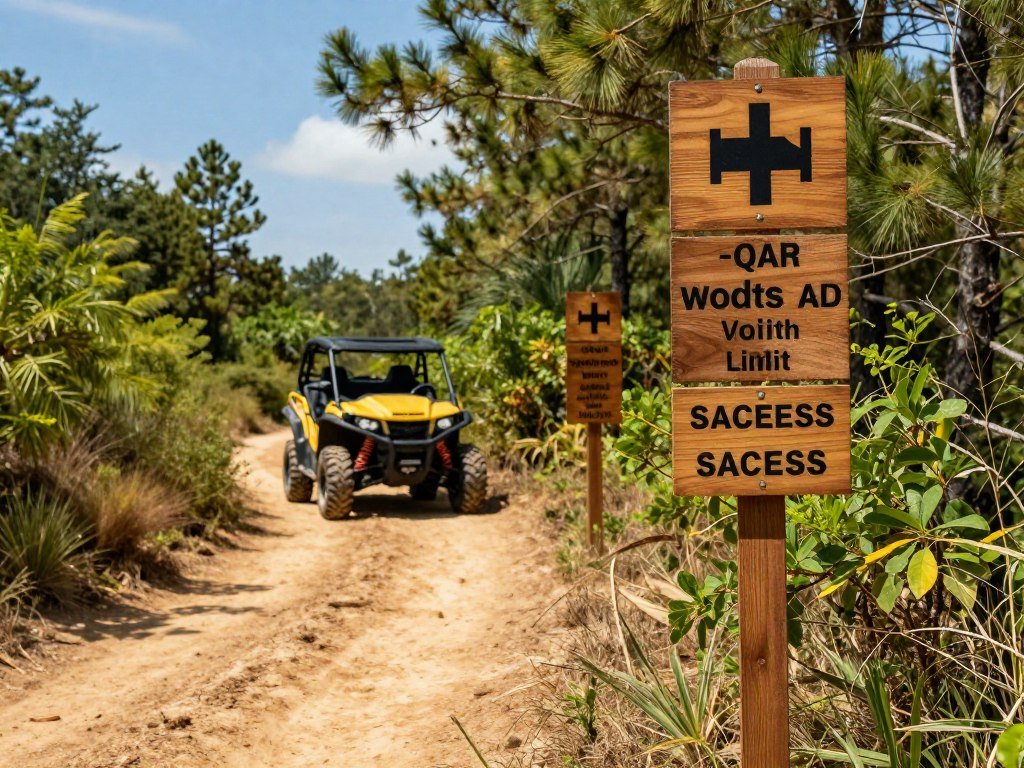
Check width before choosing horsepower
A narrower chassis can reach routes that wider machines cannot use. A wider design may support stability at speed, but it will not help if the trail is closed to that size.
| Model(s) | Overall width | Practical trail-access implication |
|---|---|---|
| Polaris RZR Trail | 50 inches | Fits a 50-inch limit |
| Can-Am Maverick Sport; Polaris RZR Trail S 1000 | 60 inches | Does not fit a 50-inch-only limit |
| Can-Am Maverick X3 DS; Polaris RZR XP 1000; Polaris RZR Pro XP | 64 inches | Needs routes permitting that width |
| Kawasaki Teryx KRX 1000 | 68.1 inches | Needs wider routes |
| Can-Am Maverick R X | 77 inches | Needs routes permitting its full width |
The 2026 Polaris RZR Trail is 50 inches wide and rated at 75 horsepower. The 60-inch Can-Am Maverick Sport uses a 976cc twin-cylinder engine rated at 100 horsepower.
The 2026 Can-Am Maverick X3 DS lineup, Polaris RZR XP 1000, and Polaris RZR Pro XP measure 64 inches wide. The RZR Pro XP has a 181-horsepower turbocharged engine.
Match the terrain to the machine
Rocks call for ground clearance and suspension travel, while tight trees reward easier maneuvering. The Kawasaki Teryx KRX 1000 has 14.2 inches of standard ground clearance.
Open, high-speed terrain favors stability, power, and predictable handling. A 77-inch chassis may suit open routes, while a narrower design can feel easier to place on a tight trail.
The Polaris RZR Trail S 1000 is 60 inches wide, with a 999cc engine rated at 100 horsepower. Record the narrowest width limit on your regular routes before choosing a chassis.
Best Sport UTV Picks for 2026 by Riding Style
For open, fast riding, the Can-Am Maverick R family is the strongest pick, while the KRX 1000 is a compelling choice for rocky terrain. The right model depends on your speed, terrain, and preferred engine feel.
Choose by riding style, not by horsepower alone. These sport utvs cover high-speed runs, technical trails, and recreational use with different chassis and comfort priorities.
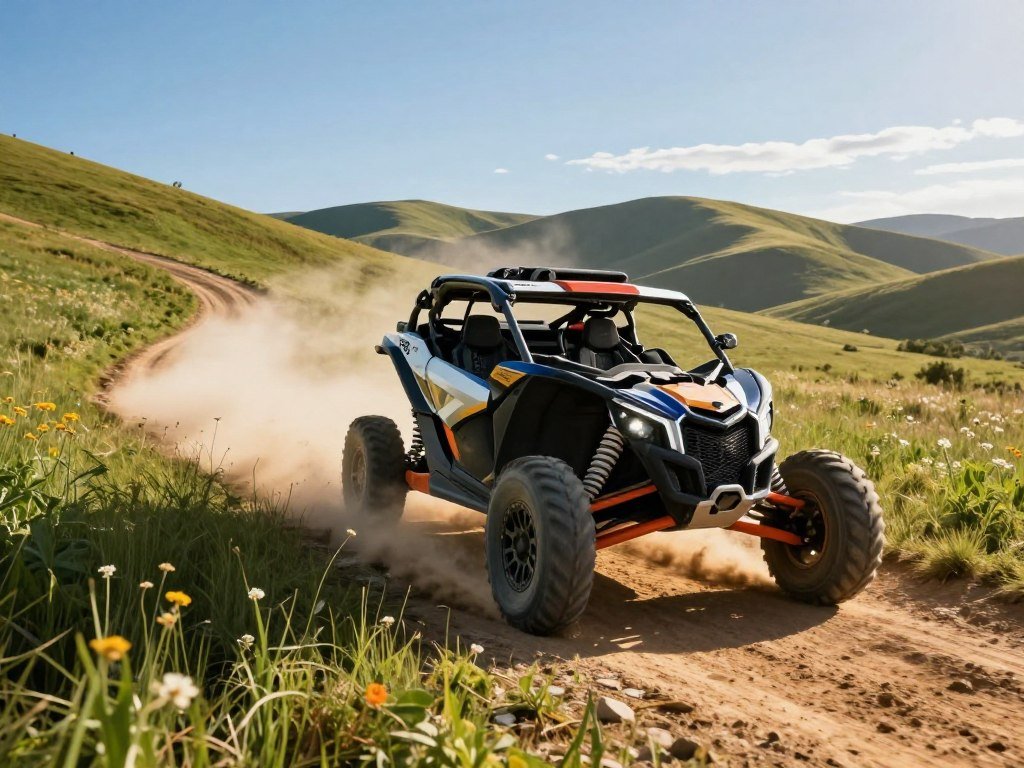
- Can-Am Maverick R family: The X, X RS, and X RC suit riders seeking high-speed performance. The X makes 240 horsepower from a turbocharged 999cc Rotax triple-cylinder engine, paired with a seven-speed dual-clutch transmission (DCT). It has 25 inches of rear suspension travel and 17 inches of ground clearance. The X RS keeps the 240-horsepower engine and DCT, while the X RC adds 26 inches of suspension travel for rocky routes.
- Can-Am Maverick X3 family: The DS Turbo, DS Turbo RR, X DS Turbo RR, and X Turbo span a lower-to-higher power range. The DS Turbo uses a 900cc Rotax ACE turbocharged engine rated at 135 horsepower. The DS Turbo RR is rated at 200 horsepower, giving you a higher-output option within the family.
- Can-Am Maverick Sport: This trail-oriented sport pick suits riders who want a lively machine for recreational routes. Its 976cc twin-cylinder engine makes 100 horsepower, balancing usable power with a trail-focused design.
- Can-Am Commander family: The DPS, XT, X MR, and XT-P blend sport handling with utility features. Consider this family if your rides often include hauling gear, rather than choosing a pure sport machine for every task.
- Polaris RZR XP 1000: This model suits riders who want strong naturally aspirated performance. Its engine makes 114 horsepower without a turbocharger, offering direct response for varied trail use.
- Polaris RZR Trail family: The Trail and Trail S 1000 give riders narrower trail options. The Trail S 1000 pairs a 999cc engine with 100 horsepower, while the family’s range may suit routes where a larger chassis is not practical.
- Polaris RZR Pro XP: Choose this model if turbocharged performance matters most. Its engine makes 181 horsepower, a fit for riders who want quick acceleration and strong power on open ground.
- Kawasaki Teryx KRX 1000: This machine suits rocky and technical terrain. Its suspension travel measures 18.6 inches in front and 21.1 inches in back, helping its chassis handle rough ground.
- Yamaha Wolverine X2 family: The X2 and X2 1000 suit riders who weigh recreational use and comfort. They offer two engine sizes, so you can choose a setup that fits your pace and needs.
- CFMOTO ZFORCE 950 Sport: This is a current-generation sport option for riders considering newer designs. The model is in its second year of the current generation, giving shoppers a recent platform to compare.
The R X RC’s 35-inch XPS Hammer King tires make its rock-crawling focus clear.
What Do 2026 Can-Am UTVs Cost?
The 2026 Can-Am Commander DPS has a $15,399 MSRP, while the Maverick R trims carry higher listed MSRPs. MSRP is the list price, not a promised dealer transaction price.
Smart-Shox changes the listed price on some Maverick R and Maverick X3 trims. Compare the shock condition as well as the model when reviewing these figures.
| Can-Am family | Trims and shock condition | MSRP |
|---|---|---|
| Maverick R | X; X RS standard shocks; X RS with Smart-Shox; X RC standard shocks; X RC with Smart-Shox | $39,499; $43,999; $45,699; $47,999; $49,699 |
| Maverick X3 | DS Turbo; DS Turbo RR; X DS Turbo RR; X DS Turbo RR with Smart-Shox; X Turbo | $19,999; $24,599; $28,699; $32,099; $23,499 |
| Commander | DPS; XT; X MR; XT-P | $15,399; $17,199; $23,599; $25,199 |
The Maverick R range has the largest gap between its base X and top X RC with Smart-Shox. The Maverick X3 offers several power and system choices at lower listed prices.
Those figures can help you compare each model and option, but they do not cover every cost of ownership. Ask for a written out-the-door quote that separates MSRP from freight, setup, taxes, registration, and accessories.
Can a Sport UTV Also Handle Work and Cargo?
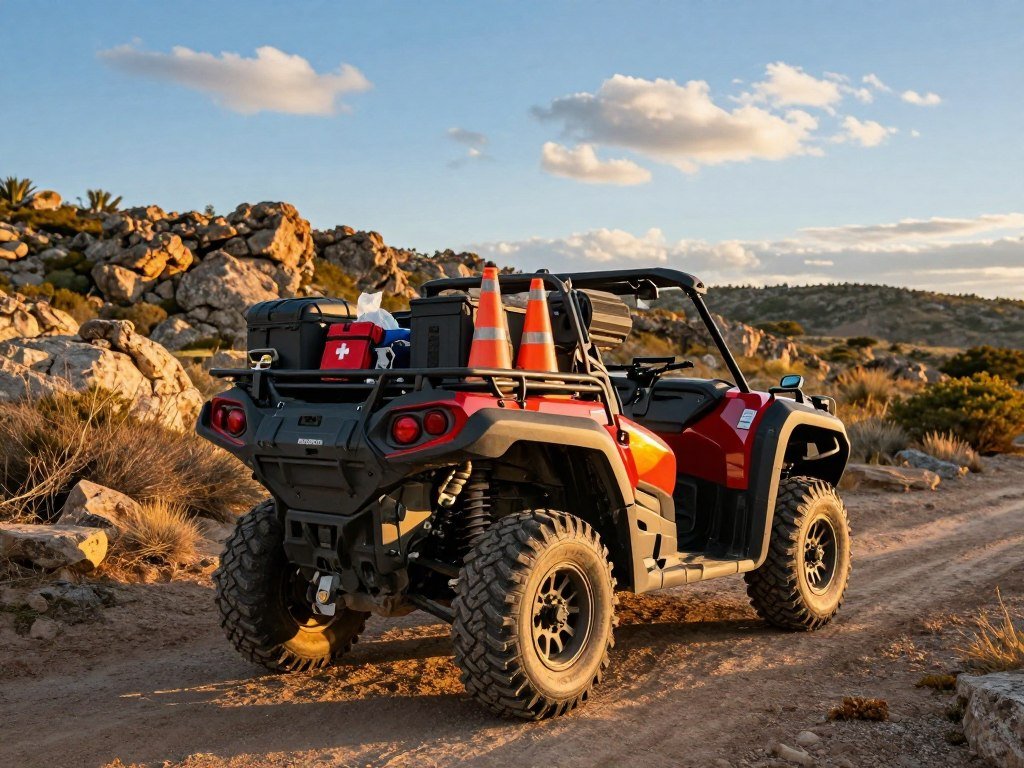
A sport-utility crossover makes sense when trail riding and hauling are both regular parts of the job. Mixed use favors a machine that can carry supplies without giving up recreational performance.
Choose a cargo bed when you will use it often, not just once in a while. A pure sport machine puts more focus on ride performance, while a utility model puts more space toward hauling.
When a cargo bed earns its place
The 2026 Can-Am Commander is a sport-utility blend with a 976cc Rotax V-twin rated at around 100 horsepower. Its double-A-arm front and TTA rear suspension provide nearly 14 inches of travel.
That mix can suit trail rides followed by supply runs or light jobs around a property. A cargo box gives you a place for tools and gear, and a winch can help with certain recovery or work tasks.
Where a sport-first machine compromises
Recreational hybrids balance passenger comfort and storage, while pure sport machines favor performance. Think about the gear you actually bring, since bags and loose items need secure storage.
The Polaris RZR XP 1000 has a 300-pound cargo-box rating, plus 16 inches of front and 18 inches of rear suspension travel. A cargo-box rating is not a towing rating, so do not use that number to judge towing capacity.
Measure bulky supplies before buying, since the listed load rating does not tell you whether an item will fit. Bring the largest item you expect to carry when checking bed access and tie-downs.
Which Features Matter Beyond Horsepower?
Horsepower matters, but a comfortable and manageable ride also depends on suspension, transmission, and controls. Start with your use, then weigh the ownership features that shape each ride.
For recreational trail riding, 50-100 horsepower is a typical rule of thumb. Passenger count, vehicle weight, and towing can push you toward the higher end or more.
Engine, transmission, and upkeep
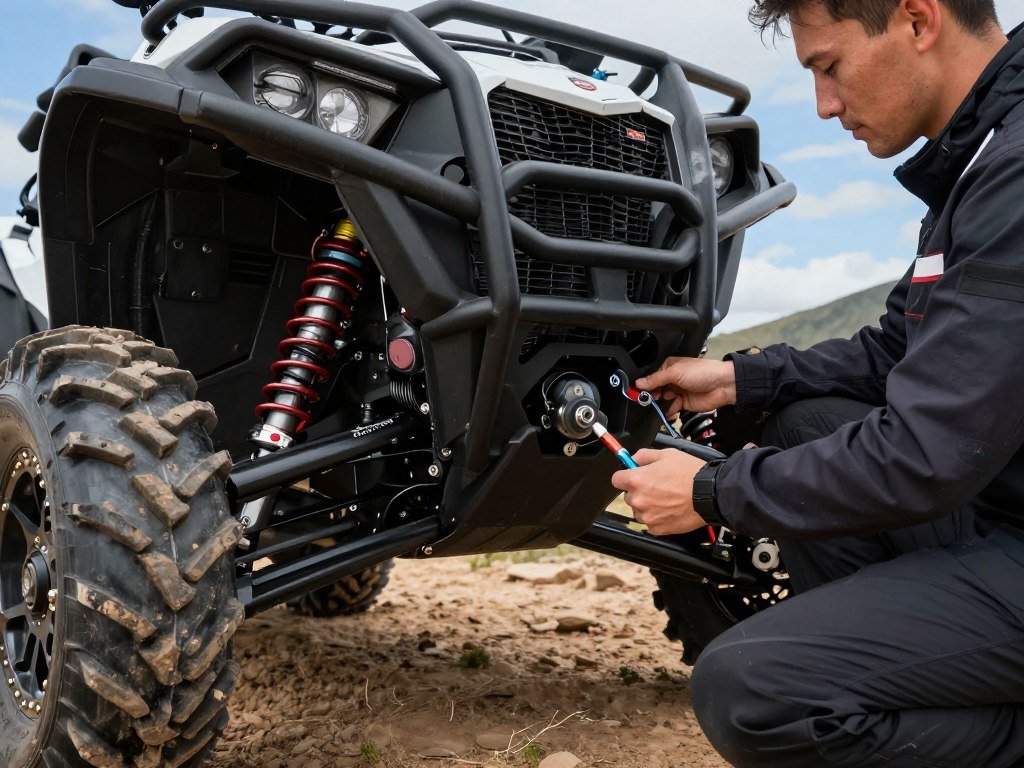
Yamaha’s Wolverine X2 has an 847cc twin-cylinder engine, while the Wolverine X2 1000 has a 999cc engine. That trim difference gives you a clear engine-size comparison within one family.
Yamaha backs its Ultramatic CVT transmission with a 10-year warranty. The Ultramatic CVT warranty details apply to the transmission, not automatically to the entire vehicle.
CVT belt upkeep can matter if you ride hard or often. A historical study of 2007-2010 4×4 ATVs reported fewer belt-related repairs for Yamaha among the vehicles studied, but it is not a current brand comparison.
Suspension and controls for your terrain
Use these five checks to compare features beyond the headline power number:
- Engine output for your terrain, passengers, and load.
- Transmission type and the belt upkeep it may need.
- Suspension travel and tuning for bumps, rocks, or smoother routes.
- Power steering and traction controls, if the trim includes them.
- Warranty coverage and the routine service schedule.
Suspension travel can help absorb larger bumps, but tuning affects how the machine responds. Power steering can ease effort, while traction systems may help you manage changing ground.
Check warranty terms and routine service needs alongside torque, fuel use, and durability. Match the transmission to your expected riding pace and maintenance habits, not just engine displacement.
What Should You Test Before Buying?
A short test ride should check ergonomics and controls, not just throttle response. A best side-by-side fit should feel manageable from both seats.
Test the driver and passenger positions, then try the controls at low speed. Check visibility, steering effort, and whether the intended passenger count fits the actual seat layout.
When fitted, assess electric power steering (EPS) and selectable two-wheel or four-wheel drive (2WD/4WD). Check access to controls and storage without assuming every trim has the same equipment.
A smooth parking-area loop alone cannot reveal how the seats and suspension feel over rough ground.
Conclusion
The right UTV is the one that fits the routes and responsibilities you actually have. Your own terrain, passengers, and cargo needs matter more than any single number on a trim sheet.
Narrow your choice to two suitable models and compare them in person. Check the current trim details, then consider fuel, service, comfort, and long-term durability from the manufacturers.
Think about how much time you spend on rough trails, around the property, or carrying supplies. The best way to choose is to compare machines that fit those real tasks. Shortlist two models, arrange a hands-on comparison, and confirm the current trim details before committing.
FAQ
What is the best side-by-side UTV for 2026?
The Can-Am Maverick R X is a strong pick for open, high-speed performance, while the Maverick Sport suits trail-focused riding. The Commander fits riders who need work and cargo ability alongside recreation. Your route width, passenger needs, and hauling plans help decide which one fits best. Compare the seat layout and storage before settling on a trim.
Which UTV is more reliable?
No single UTV brand is always the most reliable; reliability depends on the model, maintenance, and riding conditions. A machine used on rough trails may need different care than one driven at a steady pace. Compare service schedules, parts access, and warranty coverage for the models you are considering. Regular upkeep also helps protect long-term durability.
Can a 64-inch UTV ride every Forest Service trail?
No, a 64-inch UTV cannot ride every Forest Service trail. A motor vehicle use map can mark routes for vehicles 50 inches wide or less, which excludes wider machines. Maps also show which routes are open to motor travel and may list seasonal limits. Check the route designations before planning a ride.
How much horsepower do I need for a sport UTV?
For recreational trail riding, 50-100 horsepower is a typical rule of thumb. A heavier four-seat machine or frequent towing can favor the higher end or more. Think about how much weight the machine carries and how rough or steep your routes are. Extra power helps only when the chassis and controls suit your riding.
Is more suspension travel always better on a sport UTV?
No, more suspension travel is not always better. Match travel and suspension tuning to the ground you ride, then consider overall width and maneuverability. Extra travel can help absorb bumps, but a wide chassis may be harder to place on tight routes. A well-matched setup can feel more useful than the largest travel figure.