Can a baseball cap survive a trip through the washing machine, or is that the fastest way to turn a favorite hat into a misshapen rag? The answer depends less on luck and more on what the hat is made of and how it was built. Get those two details right and most caps come out clean, fresh, and still shaped like a cap. Get them wrong and the brim warps, the crown shrinks, or a glued panel lets go.
This guide walks through the whole process: reading the care label, sorting hats by construction, choosing between hand washing and machine washing, drying without distortion, and handling the tricky materials like wool, leather, and suede. It also covers the mistakes that ruin hats most often, because most hat damage happens in the drying phase, not the wash. (Washing machine with dryer best brand)
Start With the Care Label, Not the Internet
Before any water touches the hat, look inside the crown and under the sweatband. Most caps have a small tag listing fiber content and care symbols. That tag is the manufacturer’s instruction, and it overrides every general tip in this article. If it says hand wash only, believe it. If it says do not wash, spot cleaning is the only safe route.
Care symbols are standardized pictograms, and they are worth learning because they appear on hats, jackets, and everything else in the closet. The symbols for washing, bleaching, drying, and ironing follow an international labeling system, and a quick reference to laundry care symbols explains what each icon means, including the difference between a machine-wash tub with a hand inside and one with a cross through it. A minute spent decoding the tag saves a hat.
Two other details matter at this stage. First, check for a structured front panel. Run a thumb along the inside of the front two panels: if they feel stiff, there is a backing material that water and heat can distort. Second, check the brim. A plastic insert bends and recovers. A cardboard insert softens, warps, and never quite goes back. If the brim feels like stiff paper rather than flexible plastic, treat the hat as hand-wash only.
Sort Your Hats Before You Wash Anything
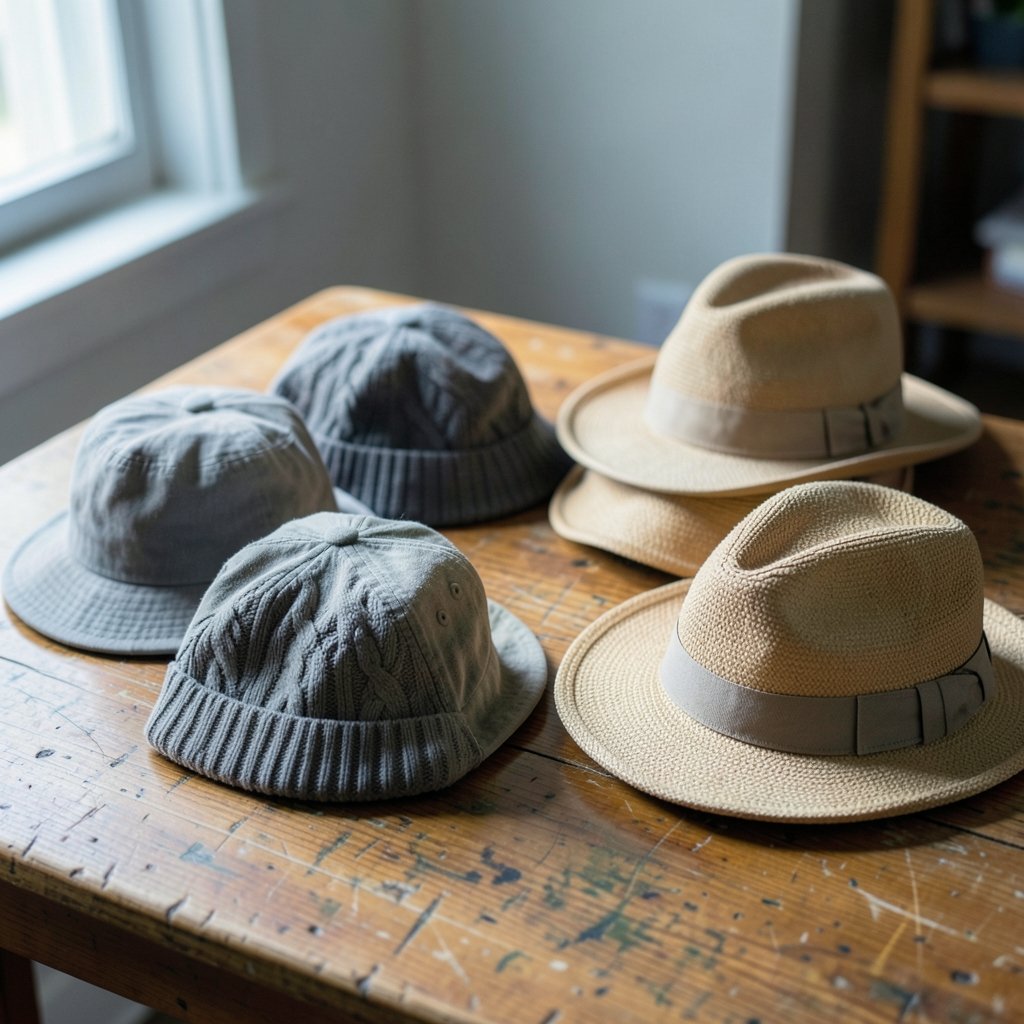
Not all caps belong in the same bucket. Grouping hats by construction is the single most useful habit in hat care, because it tells you immediately which ones can handle agitation and which cannot.
| Hat type | Typical materials | Best method | Machine safe? |
|---|---|---|---|
| Unstructured cotton cap | Cotton twill, soft crown | Machine, cold, gentle | Usually yes, in a bag |
| Structured cap with plastic brim | Cotton or poly front, stiff backing | Hand wash | Risky, usually no |
| Structured cap with cardboard brim | Cotton, paper-based insert | Spot clean only | No |
| Wool or wool-blend cap | Wool, wool blends | Cold hand wash or dry clean | No |
| Leather or suede cap | Leather, suede panels | Spot clean only | Never |
| Mesh trucker cap | Polyester mesh, foam front | Hand wash | Foam front can deform |
| Performance cap | Synthetic, moisture-wicking | Hand wash or gentle machine | Sometimes, cold only |
The pattern is clear. The softer and simpler the hat, the more it tolerates washing. The stiffer, more glued, and more natural the material, the more it needs a gentle approach.
Hand Washing: The Safest Method for Most Caps
Hand washing works for nearly every hat that can get wet at all, and it is the default recommendation for anything structured, embroidered, or made of a delicate fiber. The process takes about fifteen minutes of actual work.
- Brush off loose dirt. A soft brush or a lint roller removes dust and surface grit before it turns into mud.
- Fill a basin with cool water. Lukewarm is acceptable; hot water is not. Add a small amount of mild detergent and swirl until it dissolves.
- Test for color bleed. Dab a hidden spot, such as inside the sweatband, with a damp white cloth. If color transfers, stop and spot clean instead.
- Submerge the crown, not the brim. Hold the hat so the crown soaks while the brim stays mostly above water. Gently work suds into the fabric with fingertips or a soft brush.
- Clean the sweatband separately. This is where odor and body oils concentrate. A soft toothbrush with a little detergent works well along the band.
- Rinse thoroughly with cool water. Detergent residue attracts dirt and can leave a stiff, chalky feel.
- Press out water with a towel. Do not wring or twist. Roll the hat in a clean towel and press gently.
A common mistake is soaking the entire hat in hot water “to kill bacteria.” Heat is the enemy here. It shrinks cotton, felts wool, and softens the adhesives that hold structured panels together. Cool water and patience do the job.
Machine Washing: When It Works and How to Do It Right
Some hats genuinely do fine in a washing machine, particularly unstructured cotton caps and simple performance hats. The key is controlling agitation and heat, the two forces that destroy shape.
Use a mesh laundry bag sized for delicates. A hat bouncing loose in a drum gets crushed against the agitator and the drum wall. The bag keeps it contained. Wash on the gentlest cycle available, in cold water, with a small amount of mild detergent and no fabric softener. Skip the spin cycle at high speed if the machine allows a separate setting; a low spin is enough to remove excess water.
There is a practical side benefit to understanding your machine’s cycles and load sizes. If the washer has a bulky or delicate setting, those are the ones to choose. Readers who want to track how much energy each load uses, or who are setting up a laundry area with leak protection, may find a guide to smart plug power monitoring for a washing machine useful for the bigger picture around laundry appliances, though it will not change how the hat itself is washed.
Never wash a hat with heavy items like jeans or towels. Zippers, buttons, and heavy wet fabric beat against the hat and distort it. Wash hats alone or with a couple of soft items at most.
Drying Is Where Hats Get Ruined
Most hat damage happens after the wash. A wet cap is heavy and limp, and it will dry in whatever shape it holds. That is the whole game.
Never put a hat in a tumble dryer. Heat shrinks cotton, melts or warps plastic brims, and can delaminate glued panels. Air drying is the only safe method for basically every hat.
To dry a cap without losing its shape:
- Reshape the crown by hand while it is still damp.
- Stuff the crown loosely with clean white paper towels or a small towel to hold the shape and absorb moisture. Avoid newspaper, which can transfer ink.
- Set the hat on a clean towel or over a rounded form, such as a bowl or a hat stand, so air circulates underneath.
- Keep it away from direct sun and radiators. Warm, dry, shaded air is ideal.
- Change the stuffing once or twice during drying if the hat is very wet.
A structured cap benefits from drying brim-down on a flat surface with the crown stuffed, so the brim does not sag under its own weight. Expect twelve to twenty-four hours for a full air dry, longer in humid weather. (Volatile Organic Compounds’ Impact on Indoor Air Quality)
Wool, Leather, and Suede: Different Rules Entirely
These materials punish casual washing. Wool fibers have microscopic scales that lock together when exposed to heat and agitation, a process called felting. A wool hat washed in warm water and rubbed will shrink and stiffen permanently. Cold hand washing with a wool-safe detergent, minimal agitation, and flat drying is the only home method worth trying, and dry cleaning is often the safer choice for a valued wool cap.
Leather and suede should never be immersed. Water stains leather, stiffens it as it dries, and can cause suede to crust and lose its nap. Spot cleaning with a barely damp cloth and a product made for the material is the limit. For suede, a soft brush once dry restores the surface.
Mesh trucker caps sit in the middle. The polyester mesh tolerates washing, but the foam front panel can crease or separate, so hand washing with minimal soaking is the cautious route.
Spot Cleaning Between Washes
Most hats do not need a full wash often. The sweatband is the main source of odor, and a quick spot clean handles it in minutes. Dampen a cloth with cool water and a drop of mild detergent, wipe the band, then wipe again with clean water and let it air dry.
For a grease stain on the crown, a small amount of dish soap applied directly and worked in with a soft brush, then rinsed, usually lifts it. For sweat stains that have set, a paste of baking soda and water left on the band for fifteen minutes before rinsing helps. Treat stains promptly; the longer a stain sits, the more it bonds to the fiber.
Mistakes That Ruin Hats Most Often
Certain errors show up again and again, and each one is avoidable.
- Using hot water. It shrinks cotton, felts wool, and softens brim adhesives.
- Bleaching a colored cap. Chlorine bleach strips dye and weakens fibers. Oxygen bleach is gentler, but spot testing is still wise.
- Tumble drying. Heat plus tumbling is the fastest way to lose the shape.
- Wringing the hat out. Twisting creases the crown and bends the brim.
- Drying in direct sun. It fades colors and can make fabric stiff.
- Washing a cardboard-brimmed cap. The insert softens and never recovers its curve.
- Skipping the color test. A red cap can bleed onto a white panel in the same wash.
There is a broader lesson here that applies beyond laundry. Claims about products and materials sometimes outrun the evidence, and the same skepticism that helps you evaluate a marketing promise helps you evaluate a care instruction. A short explainer on what AI washing is shows how vague, unverifiable claims get dressed up as authority, which is a useful lens for reading any product label with suspicion.
How Often Should a Hat Be Washed?
There is no fixed schedule, but a few practical markers help. Wash a hat that is worn daily for exercise or outdoor work every one to two weeks. A hat worn occasionally for sun protection can go a month or more with spot cleaning in between. Wash immediately after heavy sweating, after contact with sunscreen or hair products, or whenever visible staining appears.
Rotating two or three hats extends the life of each one, since sweat and oils have time to dry out between wears. Storing hats clean and dry, ideally on a hook or shelf rather than crushed in a bag, prevents the creases and odors that prompt most washing in the first place.
For anyone building out a laundry setup around delicate items, the same principles that protect a hat apply to other tricky loads. A guide to choosing a washing machine with a dryer for a small space, or to resin print washing and curing times if craft work is part of the household routine, both reward the same attention to temperature and agitation that hat care demands. Readers dealing with moisture in the laundry area may also want to check where to place a water leak sensor under a washing machine, since a small leak near a laundry setup causes more damage than a ruined cap ever will. (What is ai washing) (Laundry symbol)
Conclusion
Washing a hat is not complicated, but it is unforgiving of shortcuts. The hat that comes out clean and intact is the one that was sorted by construction, washed in cool water with mild detergent, and air dried with its shape supported. Structured caps, wool, and leather need hand care or professional cleaning. Soft cotton and performance caps can often handle a gentle machine cycle in a mesh bag. In every case, heat and agitation are the two things to control, and drying is the step that decides whether the hat survives.
Read the label, test for color bleed, skip the dryer, and give the hat a day to dry in the shade. Do that and a good cap will hold its shape through years of washes.
Frequently Asked Questions
Can you put a baseball cap in the washing machine?
Sometimes. Unstructured cotton caps and simple performance hats usually survive a cold, gentle cycle inside a mesh laundry bag. Structured caps with stiff front panels or cardboard brim inserts should be hand washed or spot cleaned, because machine agitation and water can warp the brim and separate glued layers. Always check the care label first.
How do you dry a hat without losing its shape?
Stuff the damp crown with clean white paper towels or a small towel, reshape it by hand, and let it air dry in a shaded, well-ventilated spot. Never use a tumble dryer. Set structured caps brim-down on a flat surface so the brim does not sag, and change the stuffing once if the hat is very wet.
Can you wash a hat with hot water?
No. Hot water shrinks cotton, causes wool to felt and stiffen, and softens the adhesives in structured brims. Cool or lukewarm water with a mild detergent cleans just as effectively and protects the hat’s shape and fit.
How do you clean a hat without washing it?
Spot cleaning handles most everyday soil. Dampen a cloth with cool water and a drop of mild detergent, wipe the sweatband and any stained areas, then wipe again with clean water and air dry. A soft brush lifts surface dust, and a baking soda paste helps with set sweat stains on the band.
Can you wash a wool hat?
Wool needs special care because heat and agitation cause permanent felting and shrinkage. Cold hand washing with a wool-safe detergent and minimal handling is the only home method worth attempting, and many wool caps are better dry cleaned. Never machine wash or tumble dry a wool hat.
Why did my hat shrink after washing?
Heat and agitation are almost always the cause. Hot water, a warm dryer, or a rough wash cycle can shrink cotton and felt wool. Once a hat shrinks, the change is usually permanent, so prevention matters more than repair: cool water, gentle handling, and air drying keep a hat at its original size.