

Quick Answer: What does fifa stand for?
FIFA stands for Fédération Internationale de Football Association, which translates into English as the International Federation of Association Football. The name is French because the organization was founded in Paris, and it has kept that original French title ever since. In practice, the acronym shows up everywhere the sport is governed: World Cup branding, transfer rules, referee appointments, and the eligibility paperwork that national teams file for players. (Best laptop stands ergonomics actually fixes your posture)
The English rendering is not perfectly fixed. Some sources write “International Federation of Association Football,” while others prefer “International Association Football Federation.” Both describe the same body. The French original is the authoritative version, and it is the one printed in FIFA’s own statutes.
Before relying on any figure or title attached to the acronym, check the founding date and headquarters, the scope of competitions it governs, the current membership count, the name of the sitting president, and the legal status the organization holds under Swiss law.
The Short Answer, and Why the Name Sounds French
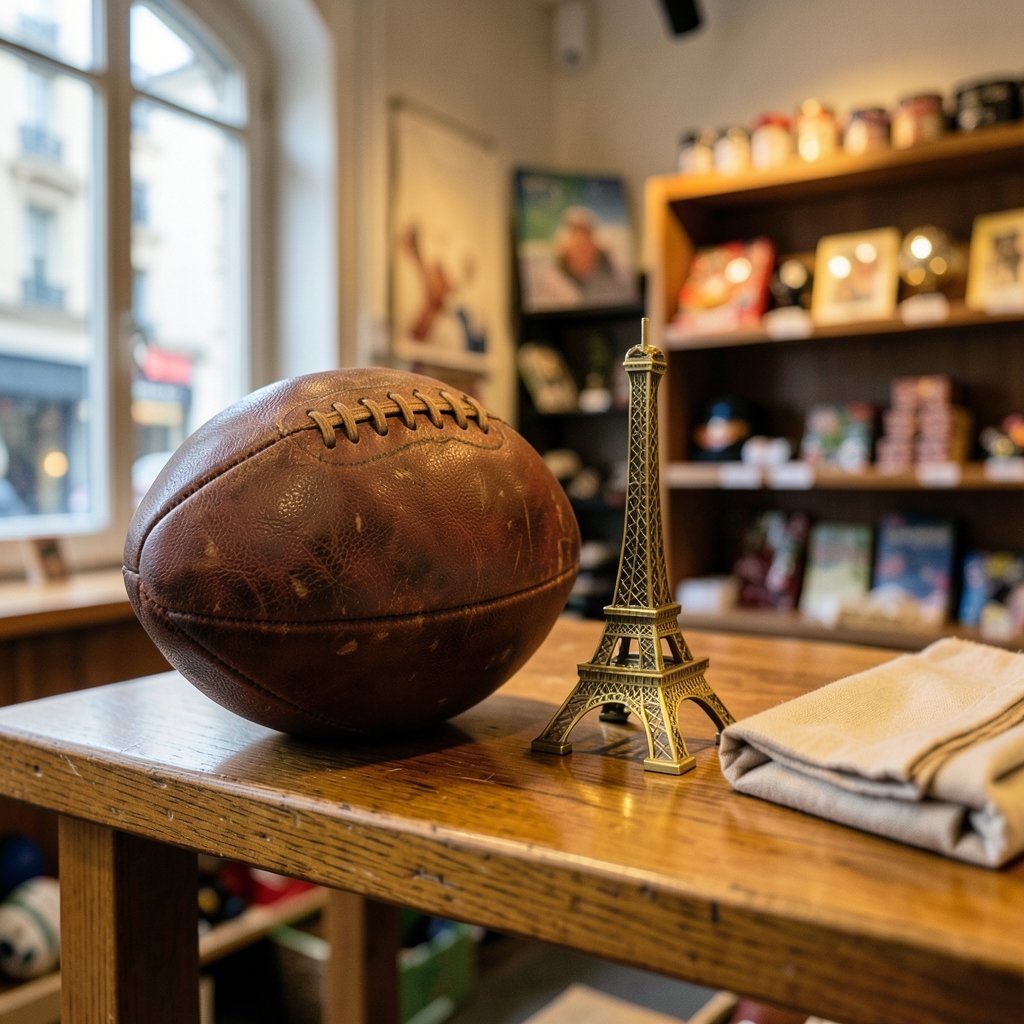
Anyone who has stared at a World Cup logo and wondered about the letters is not alone. The question comes up constantly, especially among newer fans who assume an English-language organization would carry an English name.
It does not. FIFA is an acronym built from French words, not English ones. The full form is Fédération Internationale de Football Association. Word for word, that reads as Federation International of Football Association, which is why translators reshuffle it into smoother English phrasing.
The French name is not a quirk or a leftover that nobody got around to changing. It reflects where the organization was born and which language dominated early international sport administration. French was the working language of diplomacy and of many early sporting bodies, so a federation launched in Paris naturally took a French name.
There is also a nice piece of word history hiding in the middle of the title. The word “association” in the name refers to association football, the formal name of the sport that distinguishes it from rugby football. That same word is where “soccer” comes from: shorten “association” to “assoc,” add a suffix, and you eventually land on the term Americans use today. So the acronym and the American name for the sport share a common ancestor.
Who Founded FIFA, and When?
FIFA was founded on 21 May 1904 in Paris. The founding meeting brought together representatives of seven national associations: Belgium, Denmark, France, the Netherlands, Spain (represented by Madrid FC), Sweden, and Switzerland.
That is a modest beginning for an organization that now runs the most-watched sporting event on the planet. Seven federations, one meeting room, and a shared frustration that international matches kept getting arranged ad hoc, with no consistent rules about who could play whom.
The first president was Robert Guérin of France, who served from 1904 to 1906. His tenure was short, but the structure he helped establish lasted. Within a few decades the organization had moved its headquarters to Zürich, Switzerland, where it has remained since 1932.
That relocation matters more than it might seem. Switzerland offered neutrality, stable law, and a central European location. It also gave the federation a legal home under the Swiss Civil Code, which allows it to register as an association rather than a company. The practical effect is that FIFA operates as a nonprofit-style membership association under Swiss law, with statutes, a congress, and a president rather than shareholders.
What FIFA Actually Does
The acronym gets used as shorthand for the whole apparatus of world football, but the organization’s job description is fairly specific. FIFA is the international governing body for association football, futsal, and beach soccer.
In plain terms, that means it does several things at once.
It writes and maintains the Laws of the Game, the rulebook that every affiliated league follows, in partnership with the panel that oversees rule changes. It registers and regulates member associations, which are national federations rather than individual clubs. It runs the transfer system that governs how players move between clubs and countries. It appoints officials for major competitions and sets eligibility rules for national teams.
Then there is the showcase work. FIFA organizes the FIFA World Cup, first held in 1930 in Uruguay, along with a growing portfolio of other tournaments across men’s, women’s, and youth football. (About FIFA)
| Element | Detail |
|---|---|
| Full French name | Fédération Internationale de Football Association |
| Common English rendering | International Federation of Association Football |
| Founded | 21 May 1904, Paris |
| First president | Robert Guérin (1904–1906) |
| Headquarters | Zürich, Switzerland, since 1932 |
| Sports governed | Association football, futsal, beach soccer |
| Flagship event | FIFA World Cup, first held 1930 |
| Current president | Gianni Infantino, since 26 February 2016 |
The Membership Number That Surprises People
FIFA describes itself as having 211 member associations. That figure is worth pausing on, because it is larger than the number of member states in the United Nations.
How does a sport body end up with more members than the world’s main political organization? Because membership is organized around football associations, not sovereign countries. Several territories that are not independent states field their own national teams and hold their own seats in the FIFA Congress. Places with distinct football cultures but complicated political status have their own federations.
This structure shapes how the organization is run. Each member association holds a vote in congress, which means the politics of world football are spread across a very wide map. It also explains why FIFA’s decisions can feel distant from any single league’s interests: the body answers to 211 federations, each with its own priorities.
For readers who track how large institutions actually function day to day, that same gap between a headline number and the operational reality shows up in plenty of other technical fields, from the gap between announced projects and built hardware in the small modular reactor space to the difference between a spec sheet and a desk that actually stays steady.
President, Leadership, and How the Organization Is Structured
Gianni Infantino has served as FIFA president since 26 February 2016. He came into the role after a period of institutional turmoil and has since overseen an expansion of competitions and a reorganization of the organization’s commercial operations.
The leadership structure is worth understanding because it explains who actually decides things. The president is the public face and chief executive. The Congress is the legislative body where member associations vote. The Council handles policy between congress sessions. Standing committees cover areas like refereeing, medical matters, and player status.
It is a governance model common to international sports federations, and it creates a specific kind of accountability: the president answers to a congress of federations, not to clubs, leagues, or fans directly.
Common Mistakes People Make With the Name
A few errors show up again and again when people write about FIFA, and they are easy to avoid once you know what to watch for.
The first is assuming the acronym is English. Writing “Federation of International Football Associations” is a common slip, but the word order and the singular “Association” both matter. The official French name is the reference point.
The second is treating the English translation as fixed. You will see “International Federation of Association Football” in most reference works, and “International Association Football Federation” in others. Neither is a factual error; they are stylistic choices in translating the same French phrase. If precision matters in what you are writing, quote the French.
The third is confusing FIFA with the rule-making body. The International Football Association Board (IFAB) is the panel that formally approves changes to the Laws of the Game. FIFA holds seats on it, but it is a separate entity with its own history. Attributing every rule change to FIFA alone is a simplification that annoys referees. (FIFA)
The fourth is mixing up the acronym with the sport’s other governing bodies. UEFA runs European competitions. The IOC runs the Olympics. FIFA’s remit is global and specific to football, futsal, and beach soccer.
Why the Name Still Matters in 2026
You might reasonably ask why a name from 1904 deserves attention now. The answer is that names carry legal and practical weight.
FIFA’s status as an association under Swiss law, registered in Zürich, determines how it can be sued, how its statutes are enforced, and what obligations it has to its members. The French name appears in those statutes. When disputes reach arbitration, the formal name is what gets cited.
The name also matters for how the organization presents itself. Broadcast graphics, tournament branding, and official documents all use the acronym, and the full French form appears in the fine print. Knowing what those letters stand for is a small piece of media literacy that makes coverage of the sport easier to follow.
There is a practical angle too. If you write about football, coach at any level, or handle paperwork for a club, you will encounter FIFA regulations. Understanding that FIFA is a federation of associations, not a league or a club owner, clarifies why its rules reach down to grassroots registration forms.
The same principle applies across technical hobbies: the label on the box is rarely the whole story. A desk advertised as height-adjustable still needs the right frame and motor to hold steady, and a magnetic charger marketed as fast still depends on which standard it actually implements. Knowing what the name on the label means is the difference between a good purchase and a frustrating one.
How to Explain FIFA to Someone in One Minute
If a friend asks and you have sixty seconds, here is a structure that works.
Start with the literal answer: it is French for International Federation of Association Football. Then explain why French: founded in Paris in 1904 by seven national associations. Then explain what it does: governs football, futsal, and beach soccer worldwide, runs the World Cup, and sets the rules through a separate board. Then add the scale: 211 member associations, headquartered in Zürich since 1932, led by Gianni Infantino since 2016.
That sequence answers the question, gives it context, and avoids the two traps of either over-explaining the etymology or reciting a list of tournament dates with no thread connecting them.
Conclusion
The letters FIFA spell out Fédération Internationale de Football Association, a French name for a Paris-born organization that has grown into the global governing body of the world’s most popular sport. Founded on 21 May 1904 by seven national associations, headquartered in Zürich since 1932, and representing 211 member associations, it carries a name that predates almost every structure it now oversees.
The next time the acronym appears on a broadcast graphic or a transfer document, it will read as something more specific than a logo. It is a federation of associations, named in the language of the diplomats and administrators who built it, still operating under Swiss law more than a century later. That is a more interesting answer than most people expect from four letters.
Frequently Asked Questions
Is FIFA an acronym or an abbreviation?
It is an acronym in everyday use, formed from the initial letters of Fédération Internationale de Football Association. Strictly speaking, it functions as both: the letters are initials, and the result is pronounced as a word rather than letter by letter.
Why does FIFA have a French name if it is a global organization?
Because it was founded in Paris in 1904, at a time when French was a dominant language in international administration and diplomacy. The organization kept the original name as a matter of continuity, and it remains the authoritative version in FIFA’s statutes.
Where is FIFA headquartered?
FIFA has been based in Zürich, Switzerland, since 1932. The location gives it a stable legal home under Swiss law, where it is registered as an association rather than a commercial company.
How many countries are members of FIFA?
FIFA describes itself as having 211 member associations. That is more than the number of member states in the United Nations, because membership follows football federations rather than sovereign statehood, and several territories field their own national teams.
Who is the current FIFA president?
Gianni Infantino has been FIFA president since 26 February 2016. He is the public face of the organization and its chief executive, while the FIFA Congress, made up of member associations, holds legislative authority.
Does FIFA make the rules of football?
FIFA is part of the rule-making process but does not act alone. The International Football Association Board is the panel that formally approves changes to the Laws of the Game, and FIFA holds seats on that board alongside the four British associations.



