
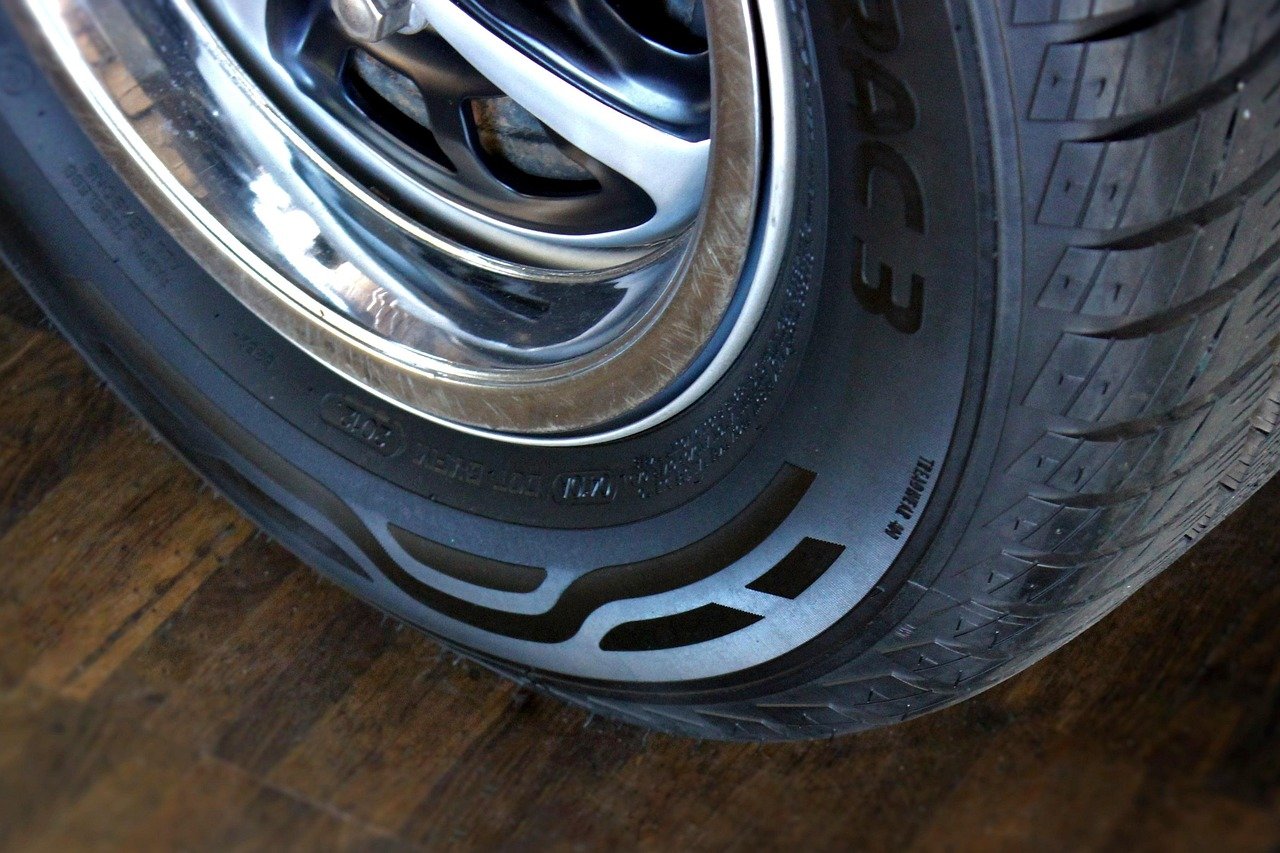
What do those numbers on your tire’s sidewall actually mean, and why does getting them wrong cost you money? It’s a fair question. Most drivers glance at the string of digits and letters once, feel vaguely confused, and move on. Then they need new tires, stand in a shop or stare at an online checkout page, and suddenly that confusion has a price tag. (Tires)
The good news is that the code is not a secret. It follows a fixed pattern, and once you see the logic, you can’t unsee it. This guide walks through every part of a typical size designation, flags the mistakes people make most often, and explains the details that even experienced drivers tend to get wrong.
The Sidewall Code at a Glance
Take a common passenger-car size: 205/55 R16 91V. Read left to right, each chunk carries one piece of information:
| Part of code | Meaning | Example value |
|---|---|---|
| 205 | Nominal section width in millimetres | 205 mm |
| 55 | Aspect ratio (sidewall height as % of width) | 55% |
| R | Radial construction | Radial |
| 16 | Wheel bead-seat diameter in inches | 16 in |
| 91 | Load index (a code, not kilograms) | 615 kg per tire |
| V | Speed symbol (a code, not a target) | 240 km/h |
That’s the whole skeleton. The rest of this article fills in the flesh, because each of those six pieces has a catch that matters in practice.
What the Width Number Really Tells You
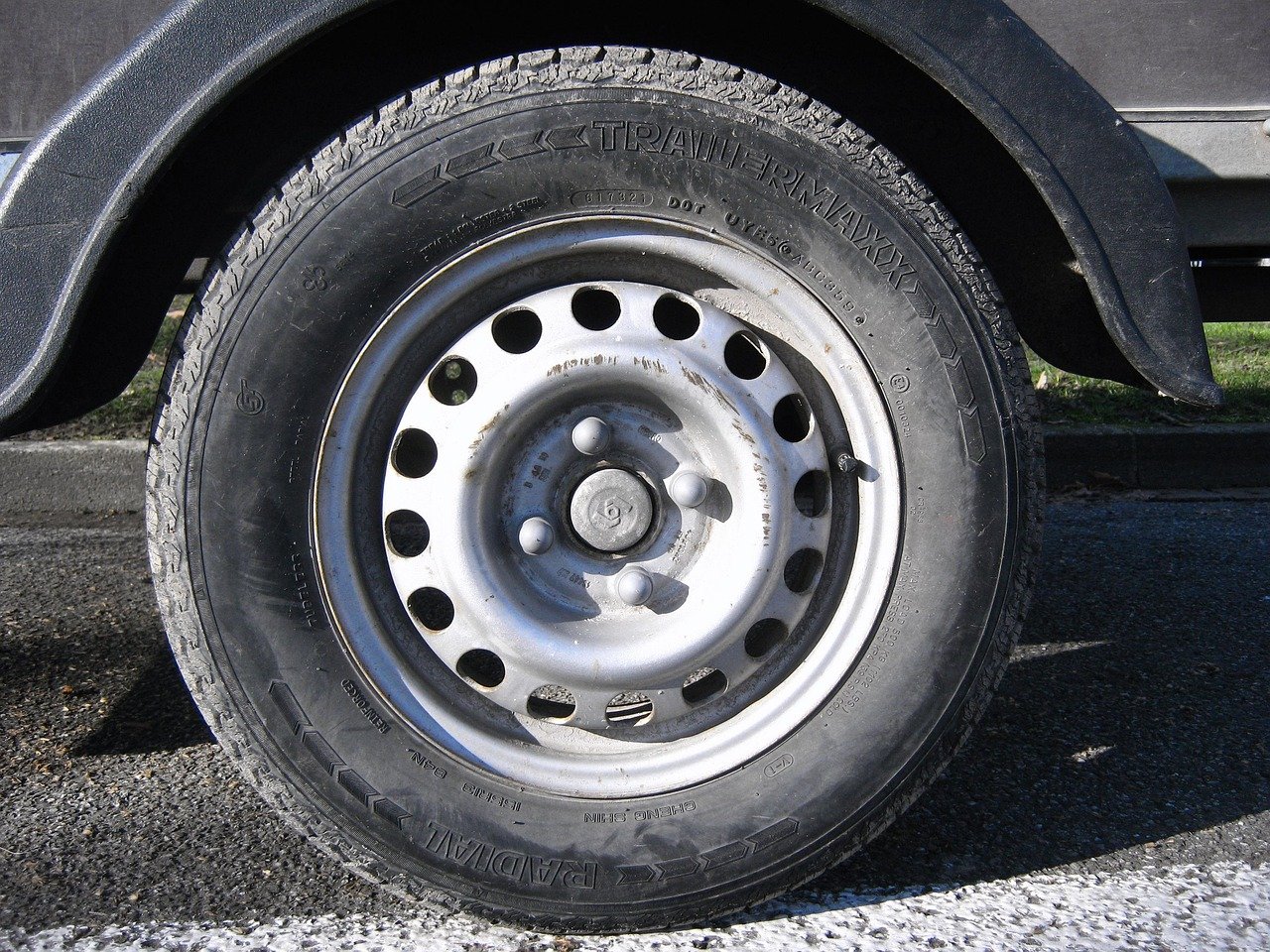
The first number, 205, is the nominal section width in millimetres. Nominal is the key word. It is not a promise that the tire measures exactly 205 mm across when mounted and inflated. Actual width shifts with rim width, inflation pressure, and normal manufacturing tolerance, which is why two “205” tires from different brands can sit a few millimetres apart on the same wheel.
In practice, this matters when you’re squeezing a wider tire onto a narrow rim or trying to avoid rubbing against a suspension strut. The nominal figure gets you close; the tire maker’s published specifications get you exact. If you’re comparing options and want to see how small numeric differences play out in real purchasing decisions, the same principle of reading specs carefully applies in guides like Zod vs valibot vs arktype 2026 bundle size speed type safety, where a few units of difference decide the outcome.
One more thing worth knowing: the width number is the one people most often try to change for looks. Going up one step (205 to 215) usually works on the same rim. Going up two or three steps rarely does without also changing the wheel.
Aspect Ratio: A Percentage, Not a Measurement
The second number trips up almost everyone. The 55 in 205/55 is not 55 millimetres of sidewall. It’s a percentage of the section width. So the sidewall height is 55% of 205 mm, which works out to roughly 112.75 mm.
This is why the same aspect ratio produces different sidewall heights on different widths. A 225/55 has a taller sidewall than a 205/55, because 55% of a bigger number is a bigger number.
What does the ratio change on the road?
- Lower numbers (40, 35, 30) mean a shorter, stiffer sidewall. Sharper steering response, less cushioning, more risk of wheel damage on rough roads.
- Higher numbers (60, 65, 70) mean a taller, softer sidewall. More comfort and pothole protection, less precision in corners.
A common mistake is dropping the aspect ratio to get a “sportier” look without adjusting anything else. That shrinks the overall tire diameter, which throws off your speedometer and odometer and can look odd in the wheel arch. The correct way to change one number is usually to compensate with another, which is where plus-sizing comes in.
The Letter in the Middle
The R stands for radial construction, and it’s what nearly every passenger car tire uses today. The steel belts and casing cords run radially, from bead to bead, at right angles to the direction of travel. Radial tires run cooler, last longer, and grip better than the older designs.
Other letters do exist, though you’ll rarely meet them on a modern car:
- D means diagonal, also called bias-ply construction.
- B means bias-belted, a hybrid of the two.
If you ever see a D or B on a passenger vehicle, you’re probably looking at a trailer tire, a vintage vehicle, or a specialty application.
Rim Diameter: The Mixed-Unit Quirk
The 16 after the R is the wheel’s bead-seat diameter in inches. Yes, inches, even though the width was in millimetres. This mixed-unit convention is a historical leftover, and it’s the single most confusing thing about the code for readers who grew up metric.
The number must match your wheel exactly. A 16-inch tire does not fit a 16.5-inch wheel, and there is no safe fudge. When shopping, the rim diameter is the first filter you should apply, before width, before brand, before price.
Load Index: A Code You Have to Look Up
The 91 is a load index, a code number that maps to a maximum load per tire. It is not kilograms, pounds, or any other direct unit. You need the table.
Some anchor points from the standard table, for single-tire fitment:
| Load index | Max load per tire |
|---|---|
| 84 | 500 kg |
| 88 | 560 kg |
| 91 | 615 kg |
| 95 | 690 kg |
| 100 | 800 kg |
The mapping is fixed by the standards bodies, but the table has been revised across editions over the years, so it’s worth confirming values against the current published tables rather than a random forum post.
Why it matters: fitting a tire with a lower load index than the vehicle manufacturer specifies is a genuine safety issue, not a cosmetic one. Heavier cars, and especially electric vehicles with battery weight, often need higher indices than drivers expect. If you’re loading a vehicle heavily, the same discipline of matching a spec to a real-world duty cycle shows up in Security Camera Bitrate Storage Calculator Guide 2026 – occcy, where an under-specified number quietly fails under load.
Speed Symbol: A Test Rating, Not a Speed Limit
The V is a speed symbol. It indicates the maximum sustained speed the tire is rated to handle under controlled test conditions. V means 240 km/h. H means 210 km/h. W means 270 km/h. Y means 300 km/h.
Here’s the part people get wrong: a V-rated tire is not permission to drive at 240 km/h. It’s a rating earned on a test bench under specific conditions. What it tells you in daily driving is that the tire’s construction and heat resistance were engineered for higher speeds, which generally means stiffer sidewalls and better high-temperature stability.
Fitting a lower speed symbol than the manufacturer specifies can also affect insurance validity in some markets, and it’s a common oversight when buyers chase a bargain.
The Letters You’ll See Around the Size
The size designation is only part of the sidewall. A few other markings are worth knowing:
- LT before the size (as in LT265/70 R17) means light truck, with different load and inflation conventions.
- Flotation sizes like 31×10.5 R15 appear on off-road and truck tires, using inches for overall diameter and width instead of the metric format.
- European metric sizes sometimes omit the aspect ratio entirely, as in 185 R14, where a default ratio is implied.
- M+S, 3PMSF, and similar markings relate to mud, snow, and all-season capability, not size.
The passenger P-metric format is the most common, but it is not universal. Assuming it is leads to wrong orders, especially for vans, pickups, and trailers.
How to Read Your Own Tire in Four Steps
If you’re standing next to your car right now, here’s the practical sequence:
- Find the size string on the sidewall. It’s usually the largest text, in the format 205/55 R16 91V.
- Write down all six parts, including the load index and speed symbol. Don’t stop at the rim size, which is what most people do.
- Check the door jamb sticker for the manufacturer’s original specification. This is the reference point, and it may list alternative sizes for the same vehicle.
- Match all six parts when buying, or deliberately change one with compensating changes elsewhere and confirmation from a tire professional.
The most common real-world mistake is ordering by rim size alone. Someone knows they have 17-inch wheels, buys 17-inch tires, and ends up with the wrong width or an inadequate load rating. The second most common is ignoring the load index on a heavier vehicle.
Where the Numbers Come From
Tire sizing is standardized internationally, primarily through ISO 4000-1 for passenger car tires and through the year books and standards manuals published by regional tire and rim associations. These are paid documents, which is why there’s no free official public page that lays out the entire code. Public explainers from regulators and industry bodies summarize them, but they can lag behind standard revisions. (Tire code)
In the United States, the marking and performance requirements for new passenger car tires fall under FMVSS 139, which took effect in 2007. In the European Union, tire labelling is governed by Regulation (EU) 2020/740, applicable from 2021. Both regimes require the size and other key data to appear on the sidewall, which is why the code is standardized enough to be readable across brands.
If you’re cross-checking a specification for another product category and want to see how the same “read the number, not the marketing” discipline works elsewhere, Air purifier cadr explained size cleaner that actually works walks through a similar decoding exercise.
Common Mistakes That Cost Money
Beyond ordering by rim size alone, a few errors come up again and again:
- Mixing aspect ratios across an axle. Tires on the same axle should match in size and construction. Mismatched diameters can affect handling and, on some vehicles, drivetrain components.
- Ignoring the speed symbol when downgrading. A cheaper tire with a lower rating may not meet the vehicle’s original specification.
- Assuming wider is always better. Wider tires can rub, hydroplane more easily in standing water, and cost more. They also change the effective gearing slightly.
- Forgetting the spare. If your vehicle has a full-size spare, its size should match the road tires, or at least be checked before you need it.
- Trusting a photo over the sidewall. Online listings sometimes show a generic image. Always confirm the exact size string from the product specification, not the picture.
Conclusion
Reading a tire size is a skill, not a mystery. The code 205/55 R16 91V breaks into width in millimetres, aspect ratio as a percentage, radial construction, rim diameter in inches, a load index code, and a speed symbol. Each piece carries real consequences: fitment, comfort, safety margin, and cost.
The habits that make it easy are simple. Read all six parts; do not stop at the rim size. Check the door jamb sticker before you shop. Treat the load index and speed symbol as hard requirements rather than suggestions. When a number seems odd, look it up in a current table rather than guessing.
Get those habits right, and the sidewall stops being a puzzle. It becomes a specification sheet you can read in ten seconds, which is exactly what it was designed to be.
Frequently Asked Questions
What does 205/55 R16 mean in plain English?
It means the tire has a nominal width of 205 millimetres, a sidewall height equal to 55% of that width (about 113 mm), radial construction, and a fitment for a 16-inch wheel. Any load index and speed symbol after the rim size add the tire’s load and speed ratings.
Is the first number in a tire size in inches or millimetres?
Millimetres. The section width is always metric on a standard passenger size. The rim diameter, however, is in inches. That mixed-unit convention is a historical leftover and the most common source of confusion.
Can I change my tire size without changing my wheels?
Sometimes, within limits. Going up or down one width step often works on the same rim, but you usually need to adjust the aspect ratio to keep the overall diameter close to the original. Larger changes generally require different wheels, and any change should be checked against clearance and the vehicle’s specifications.
What happens if I fit a tire with a lower load index?
You reduce the tire’s maximum load capacity below what the vehicle was designed for. Under heavy loads or at sustained high speed, that margin matters for safety and handling. It can also affect insurance validity in some markets, so it’s best avoided.
Does a higher speed symbol make my car faster?
No. The speed symbol is a rating earned under controlled test conditions, not a target or a limit you’re invited to reach. It tells you the tire was engineered for higher sustained speeds, which usually means a stiffer, more heat-resistant construction.
Why do two tires marked 205 look different widths?
Because 205 is a nominal figure. Actual measured width varies with rim width, inflation pressure, and normal manufacturing tolerance, so different brands can differ by a few millimetres even at the same nominal size. Always check the maker’s published specifications if exact dimensions matter.



