
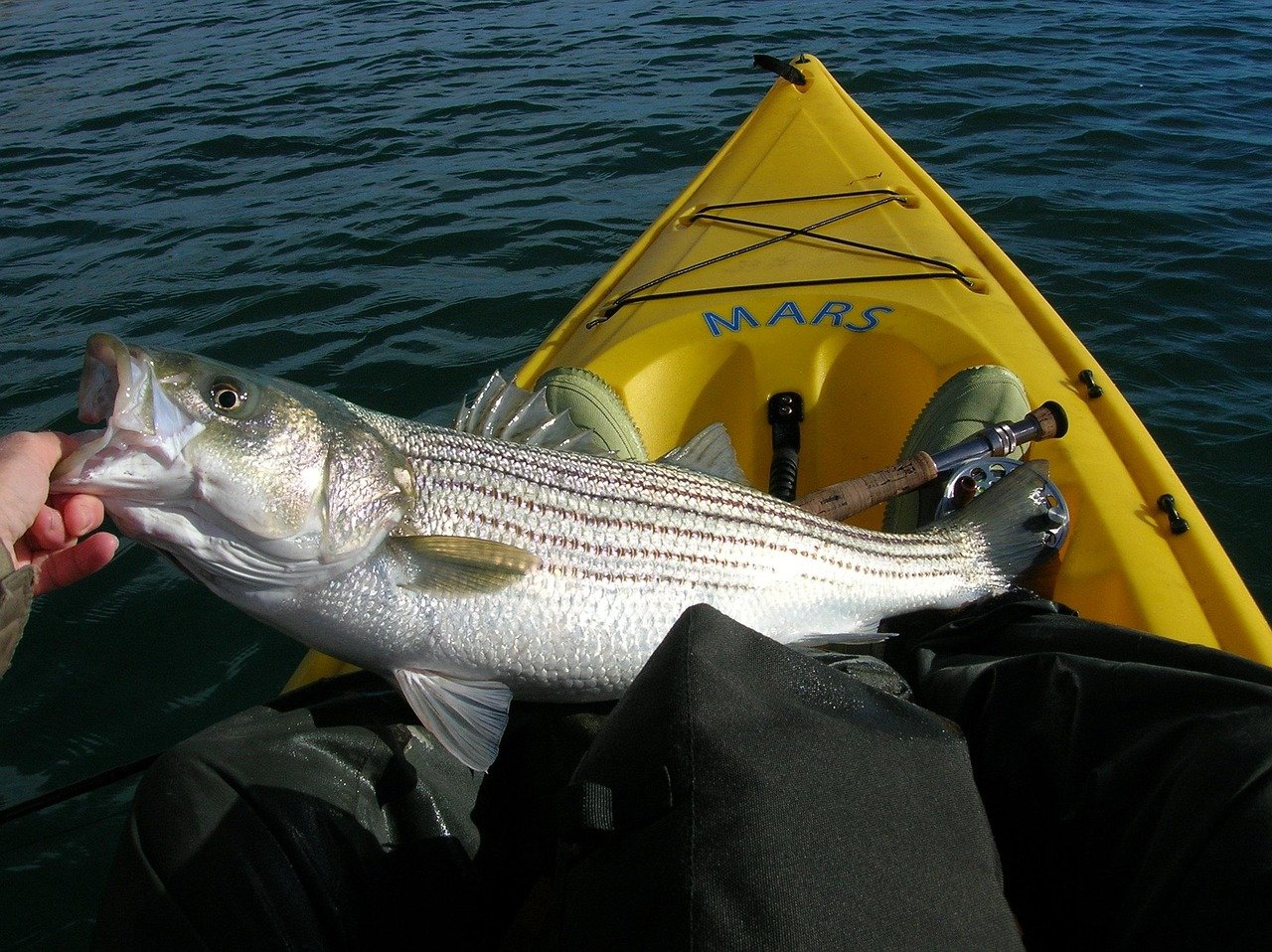
What if the difference between a frustrating day on the water and a great one comes down to one purchase you make before you ever leave the driveway? That is exactly what happens with fishing kayaks. The wrong hull, the wrong seat, or the wrong drive system turns paddling into a chore and fishing into an afterthought. The right one makes you forget you are even sitting in a boat.
There is no single “best” fishing kayak. There is only the best kayak for the water you fish, how you transport it, and what your body can comfortably handle for four or five hours. This guide breaks down what actually matters, where buyers go wrong, and how to match a kayak to real-world conditions instead of marketing claims. (Kayak)
Why “Best” Depends Entirely on Where You Fish
A kayak that shines on a farm pond can be genuinely dangerous on open coastal water. Before comparing models, anglers should define three things: water type, launch access, and distance traveled.
Flatwater lakes and ponds reward stability and a comfortable seat. You are not fighting current, so a wider, heavier hull is fine. Rivers demand maneuverability and quick turning, which usually means a shorter boat. Coastal and tidal water demands length, rocker, and serious attention to safety gear, because wind and chop arrive fast.
Transport is the second filter. A 90-pound kayak is a wonderful fishing platform and a miserable thing to load onto a roof rack alone. Plenty of anglers buy for performance and then stop fishing because the boat is too heavy to move. Be honest about your vehicle, your storage space, and whether you will always have a second person helping.
Sit-On-Top vs. Sit-Inside: The First Real Decision
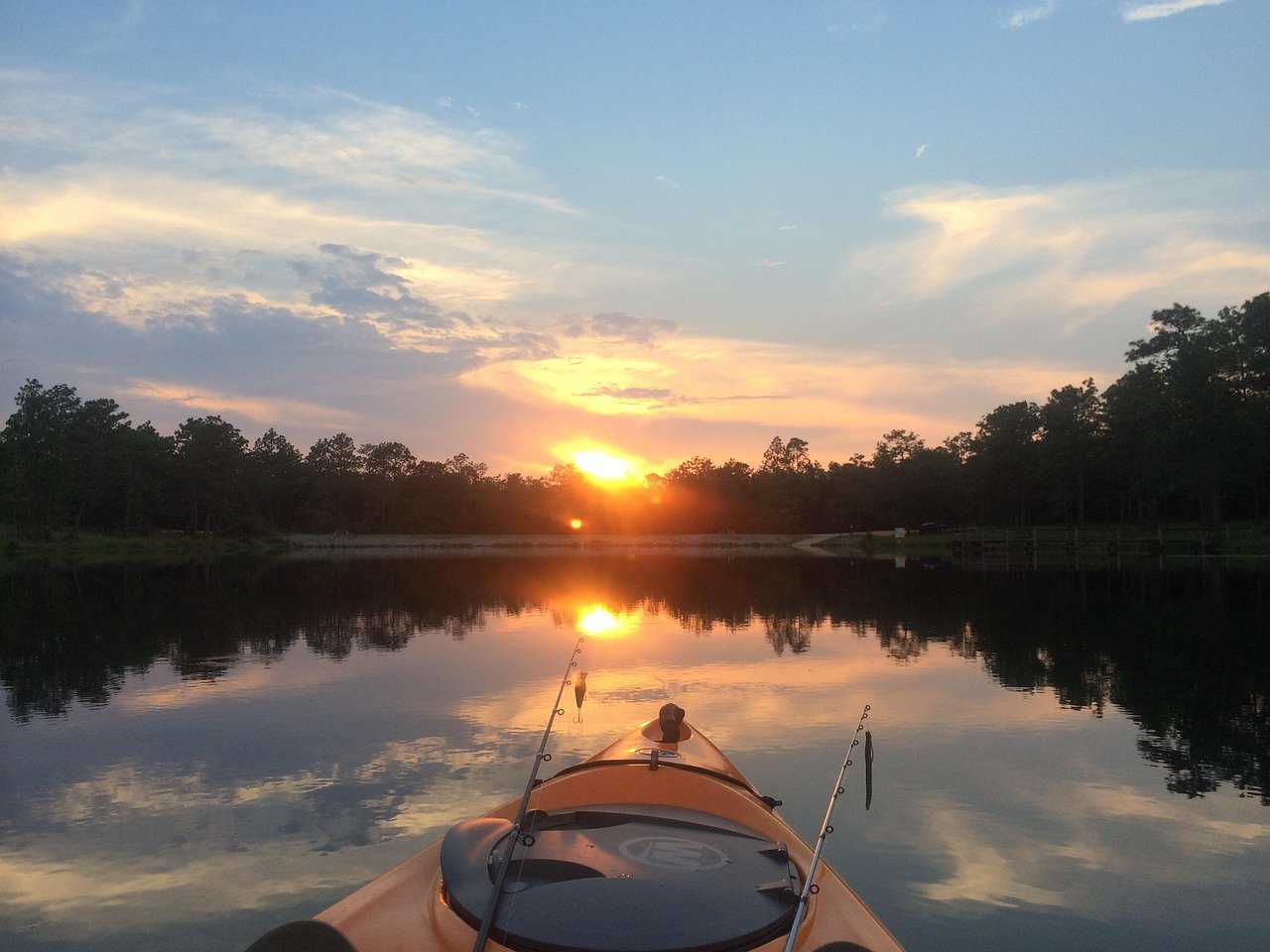
Most anglers end up in a sit-on-top kayak, and for good reason. They are self-bailing, easy to re-enter after a capsize, and offer open deck space for rods, crates, and fish finders. The trade-off is a wetter ride and more wind exposure.
Sit-inside kayaks are warmer, drier, and more efficient to paddle, which matters on cold-water fisheries and long crossings. The catch is that a swamped sit-inside boat requires a spray skirt and a reliable self-rescue, which is a skill, not a feature.
| Feature | Sit-On-Top | Sit-Inside |
|---|---|---|
| Self-bailing | Yes | No, needs a skirt |
| Re-entry after capsize | Easy | Requires training |
| Cold-weather comfort | Wetter and colder | Drier and warmer |
| Gear storage | Open deck, easy access | Hatch access, more protected |
| Best for | Most anglers, warm water, standing | Cold water, long distance, touring |
A practical middle path many buyers overlook: a wide sit-on-top with a high, adjustable seat. It keeps your hips above the waterline, which reduces fatigue and lets you cast standing in calm conditions.
Paddle, Pedal, or Motor: Matching Propulsion to Your Body
Pedal-drive kayaks free both hands for casting and hold position in wind far better than paddling. They are the default choice for reservoir and bay anglers who cover water. The costs are real: higher price, more mechanical parts to maintain, and shallow-water limitations, since fins and props need depth.
Paddle kayaks are simpler, lighter, cheaper, and better in skinny water and rivers. If you fish weedy shallows or rocky creeks, paddling wins. Motorized kayaks and trolling motors suit anglers who cover big water or have shoulder issues, but they add battery weight, registration questions, and complexity.
The honest rule: buy the propulsion that matches 80 percent of your trips, not the one fantasy trip you take once a year.
Stability, Width, and the Speed Trade-Off
New buyers chase stability and end up with a barge. Primary stability is that rock-solid feeling when you sit still. Secondary stability is how the hull behaves when it leans, and it is what actually keeps you upright in chop. A narrow hull with good secondary stability often feels tippy at the dock and confident in waves.
Width tells the story in broad strokes. Boats around 30 to 34 inches wide are stable and comfortable for standing. Boats under 30 inches paddle faster and track better but demand more balance. Length works the same way: 10 to 12 feet is maneuverable and easy to store, while 12 to 14 feet tracks straighter and handles distance.
Anglers who plan to stand and sight-fish should prioritize width and a flat, clean deck. Those who paddle a mile to a fishing spot should prioritize length and a efficient hull.
Weight Capacity Is Not a Suggestion
Every kayak has a published weight capacity, and the usable capacity is meaningfully lower than the printed number. Add up your body weight, gear, cooler, battery, anchor, and rods. Then leave a healthy margin.
Overloading a kayak does three things: it sits lower and ships water, it becomes sluggish and unstable, and it can exceed the hull’s design limits in rough conditions. A common beginner mistake is buying a light, cheap kayak and then bolting on a crate, a cooler, a fish finder, and an anchor trolley. The boat that felt fine empty now feels nervous and wet.
Weigh your actual gear pile before you shop. Most anglers carry more than they think.
Safety Gear and Rules You Cannot Skip
Kayak fishing safety is not optional equipment. A properly fitted personal flotation device is the baseline, and in many jurisdictions it is legally required to be aboard. Rules vary by state and by water body, so check local regulations before launching, including whether your kayak needs registration once a motor is added.
Beyond the PFD, the practical kit includes a whistle or signaling device, a light for low-visibility hours, a leash for your paddle, and a way to re-enter the boat. Practice a self-rescue in shallow, calm water before you need it in deep, cold water. Cold-water immersion is the scenario that catches experienced anglers off guard, and dressing for water temperature rather than air temperature is the habit that saves lives.
Features Worth Paying For (and Ones That Are Not)
Some features earn their price on every trip. Others are catalog decoration.
Worth the money: a high, adjustable seat with good lumbar support; a sealed hatch or two; molded rod holders within reach; an anchor trolley; and a hull design matched to your water.
Often oversold: built-in coolers that take up deck space, excessive accessory rails you will never use, and electronics packages that cost more than the boat. Buy the hull first, then add gear after a few trips once you know what you actually reach for.
Also budget for the invisible costs: a quality paddle, a PFD, a roof rack or cart, and a dry bag. These add up fast, and skimping on the paddle in particular makes a good boat feel bad.
New vs. Used: Where the Value Really Is
Used fishing kayaks are one of the better deals in outdoor gear, because the depreciation is steep and the hull either holds water or it does not. Inspect three things: the hull bottom for deep gouges or oil-canning, the drive system if pedal-powered, and the seat frame.
Ask why the seller is selling. “I bought it and never used it” is a great answer. “I am upgrading” is fine too. Vague answers plus a price far below market warrant a closer look.
New buyers get warranty coverage, the latest hull designs, and the ability to test-fit. First-time paddlers often benefit from buying new at a shop that lets them demo, because sitting in a boat for ten minutes on dry land tells you almost nothing.
Practical Tips That Only Come From Time on the Water
A few habits separate anglers who love their kayaks from those who resent them.
- Demo before you buy. Sit in it, and if possible paddle it. Seat comfort and hull feel cannot be judged from a spec sheet.
- Rig light at first. Take three rods, not seven. You will learn what you actually need.
- Practice loading at home. Do a dry run with your rack or cart before a 5 a.m. launch.
- Leash the essentials. Paddles, rods, and nets go overboard more often than anyone expects.
- Check the wind forecast as well as the sky. Wind is the single biggest factor in kayak fishing comfort.
- Rinse and dry everything. Salt and sand destroy seats, reels, and drive systems faster than use does.
Anglers planning a first boat often pair kayak research with other gear decisions, and it helps to compare notes on what beginners actually enjoy using, whether that is a starter setup or a list of the best aquarium fish for beginners to understand how hobby communities think about entry-level equipment. The same logic applies: start simple, learn the fundamentals, upgrade once you know your preferences.
Matching the Boat to the Angler
The clearest way to choose is to start from the person, not the product.
| Angler Profile | Priority | What to Look For |
|---|---|---|
| Pond and small lake angler | Simplicity and stability | 10 to 12 ft sit-on-top, wide hull, basic seat |
| Reservoir and bay angler | Hands-free coverage | Pedal drive, 12 to 14 ft, good tracking |
| River and creek angler | Maneuverability | Short hull, paddle, shallow draft |
| Standing sight-fisher | Deck space and width | 32+ inch beam, flat deck, stable secondary stability |
| Angler with shoulder limits | Low-effort propulsion | Pedal drive or trolling motor, light hull |
Notice that budget appears nowhere in that table, because a $600 kayak that fits your water beats a $2,500 kayak that does not. Spend on the hull and the seat first. Everything else can wait.
It also helps to think about how you will use the boat beyond fishing. Families often want a kayak that doubles as a recreational boat, and the same beginner-friendly traits that make a kayak easy to paddle, like a stable hull and a comfortable seat, are what make it a good all-around choice. If you are also planning meals and day trips around your launch spot, a little local research pays off, much like scouting the best fish and chips near me before a long day on the water turns into a hungry drive home.
Conclusion
The best fishing kayak is not the most expensive one or the one with the most accessories. It is the one that fits the water you fish, the way you transport it, and the body that has to paddle it home when the wind picks up. Start with water type and launch access, then choose sit-on-top or sit-inside, then decide between paddle, pedal, and motor. Check weight capacity with your real gear load, budget for safety equipment and a decent paddle, and demo before you commit.
Buy for the trips you actually take. Rig light, practice your self-rescue, and let experience tell you what to upgrade. Do that, and the boat will disappear beneath you, which is exactly what you want when the fish start biting.
Frequently Asked Questions
What is the best fishing kayak for beginners?
A stable sit-on-top in the 10 to 12 foot range with a comfortable adjustable seat is the safest starting point for most beginners. Sit-on-tops are self-bailing and easy to re-enter, which matters more than speed or features when you are learning. Buy used or mid-range first and upgrade once you know your water and your habits.
Is a pedal kayak worth the extra money?
It depends on how you fish. Pedal drives are worth it for anglers who cover open water, fight wind, or want both hands free for casting. They are less useful in shallow rivers, weedy flats, and rocky creeks, where a paddle is simpler and more reliable. Pedal drives also cost more and need more maintenance.
How much weight can a fishing kayak hold?
Published capacities vary widely, but usable capacity is always lower than the printed number. Add your body weight, gear, cooler, battery, and anchor, then leave a healthy margin. Overloading makes a kayak sit low, ship water, and handle poorly, so weigh your actual gear before you shop.
Do I need to register a fishing kayak?
Registration rules depend on where you live and whether you add a motor. Many places do not require registration for a human-powered kayak, but adding a trolling motor often changes that. Check your state or local boating authority before launching, and confirm rules for the specific water body you plan to fish.
Can you stand up in a fishing kayak?
Yes, in the right boat. Standing requires a wide, stable hull, usually 32 inches or more, plus a flat, clean deck and calm conditions. Practice in shallow water near shore first. Standing helps with sight-fishing and casting accuracy, but it is not necessary, and many anglers fish comfortably seated all day.
What safety gear should every kayak angler carry?
At minimum, a properly fitted personal flotation device, a whistle or signaling device, a light for low-visibility hours, and a paddle leash. Dress for water temperature rather than air temperature, and practice a self-rescue in shallow water before you need it in deep water. Cold-water immersion is the risk that catches experienced anglers off guard.



