What if the hardest part of changing a car battery isn’t the wrench work at all, but the ten minutes after, when the radio is locked, the clock is blinking, and the dashboard looks like a warning-light convention? That’s the part most guides skip, and it’s exactly where a simple job turns into a frustrating afternoon.
The good news: swapping a 12V battery is genuinely a beginner-level repair. It needs no special lift, no engine knowledge, and usually no more than a socket set and twenty minutes. What it does need is a clear order of operations, a little respect for the chemistry inside the box, and a plan for the electronics that modern cars depend on. Here’s how to do it properly, from the first terminal to the final test drive.
Why the Battery Dies in the First Place
A 12V lead-acid battery stores energy through a chemical reaction between lead plates and a sulfuric acid electrolyte. Every start pulls energy out; the alternator puts it back. Over three to six years, sulfation and plate wear slowly shrink the battery’s capacity until a cold morning finishes it off. (Lead)
That timeline matters because not every dead battery needs replacing. A battery that’s flat after a week of short trips or a forgotten interior light may simply need a long charge. A battery that won’t hold voltage after charging, bulges, or smells of rotten eggs is done. Before spending money, it’s worth checking whether a cheap fix like a used battery from a reputable seller might bridge the gap, which is one angle covered in this guide to used car deals. If a new battery is genuinely needed, timing the purchase around seasonal sales events can help, and the same logic behind Black Friday car deals applies to batteries and chargers too. (Automotive battery)
Know What You’re Buying Before You Touch Anything
Battery shopping trips up more people than the install itself. Three numbers decide whether a replacement works:
| Spec | What it means | Why it matters |
|---|---|---|
| Group size | Physical dimensions and terminal layout | A wrong-size case won’t clamp down or reach the cables |
| CCA (cold cranking amps) | Cranking power at 0°F | Too low and winter starts get sluggish |
| Ah (amp-hours) or reserve capacity | Sustained power for accessories | Too low and electronics drain it faster |
Match or slightly exceed the original CCA and Ah figures, and never go below the manufacturer’s minimum. AGM and EFB batteries are not universal drop-in swaps for conventional flooded batteries; the charging profile differs, and many cars need to be told a new battery was fitted so the alternator adjusts its output. Skipping that step can shorten the new battery’s life.
Step-by-Step: The Actual Swap
1. Gather the right tools
You need eye protection, gloves, a socket set or combination wrenches, a terminal brush, and a memory saver if the car is fussy about losing power. A battery carrier strap is cheap and saves your fingers, because a mid-size battery weighs around 40 pounds.
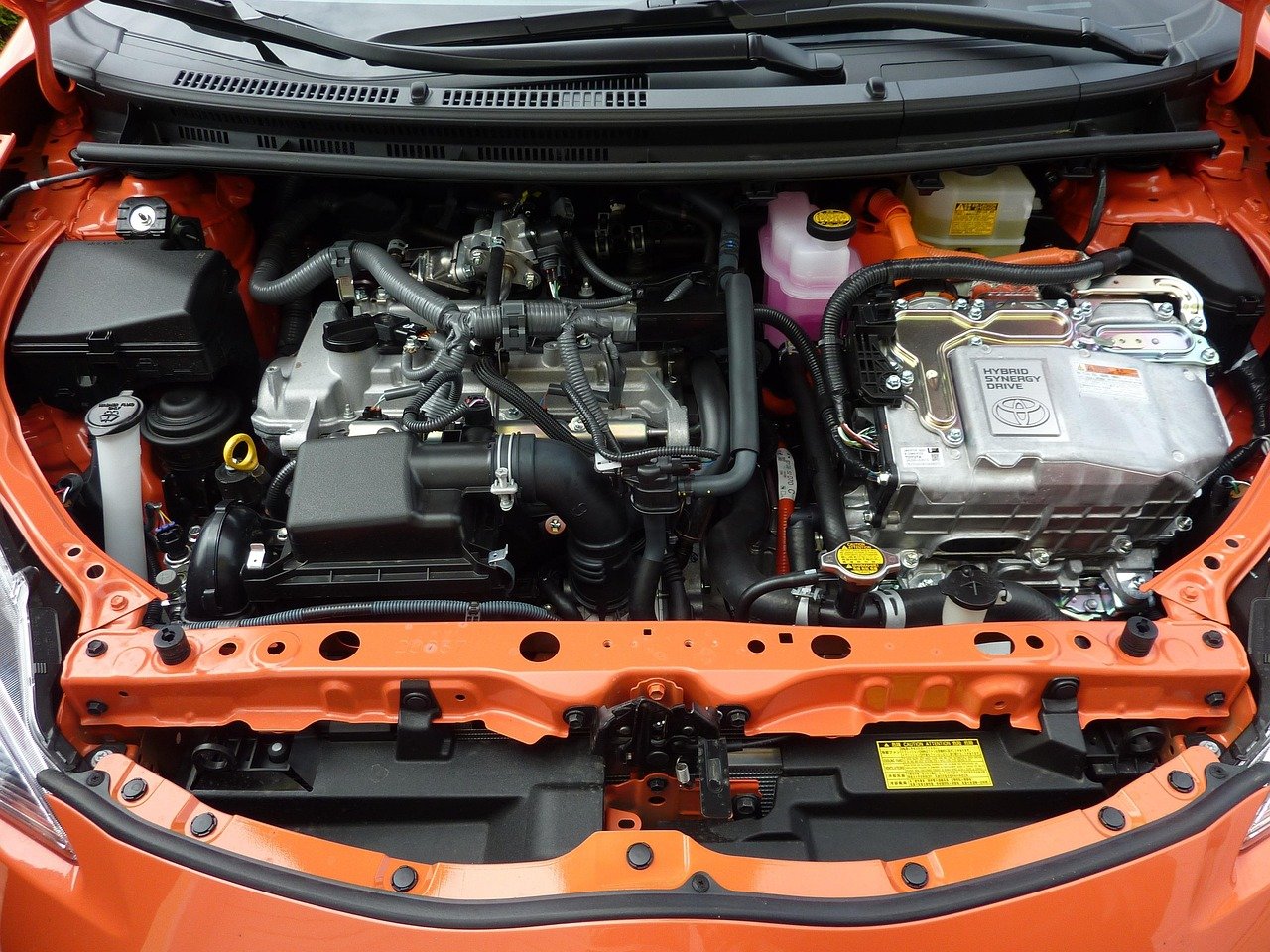
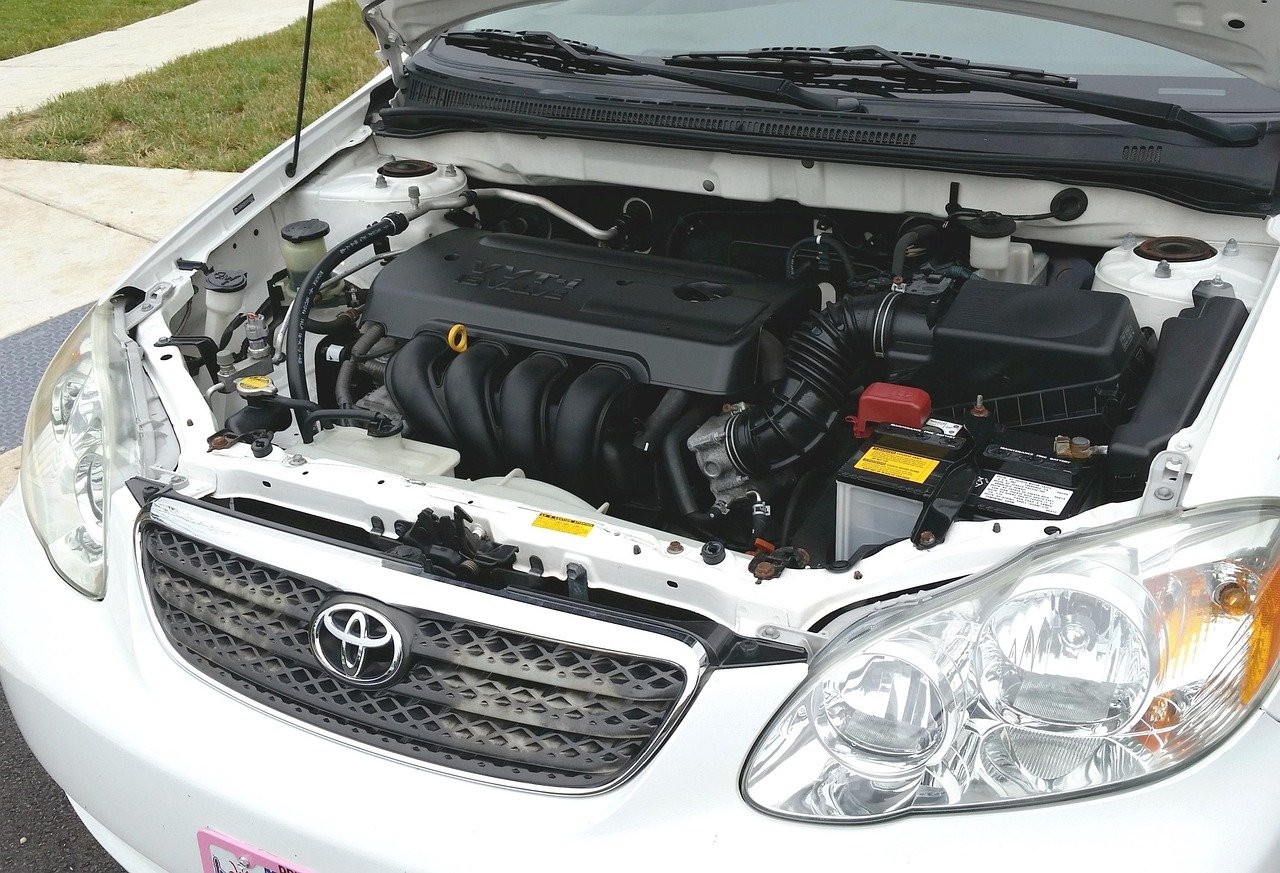
2. Find the battery and check for venting
Under the hood in most cars, but under a seat or in the trunk in some models. If it lives inside the cabin, it will have a vent tube that must be reconnected to the new battery’s vent port. Miss that and you’re routing hydrogen gas into the passenger compartment.
3. Disconnect in the right order
Negative terminal first, then positive. The negative cable is the ground, so removing it first means a stray wrench touch on the body can’t complete a circuit. Reconnect in reverse: positive first, negative last. This single rule prevents most of the sparks and shorts that turn a routine job into a tow-truck call.
4. Protect the electronics
Modern cars store learned values for idle, transmission shift points, and window and steering positions. Some lose radio codes. A memory saver plugged into the OBD port or a 12V socket keeps those alive. If you don’t have one, expect to re-teach the windows and steering angle by turning the wheel lock to lock, and have any radio code handy.
5. Remove the hold-down, then the battery
The clamp or bracket that secures the battery comes off before the battery does. Never pry a battery free by the terminals. Lift with a strap, keeping it level so electrolyte doesn’t spill.
6. Clean and inspect
Terminal crust, usually white or greenish, is lead sulfate and it causes resistance. Scrub the posts and clamps with a terminal brush until shiny, then apply a thin film of protective grease. Check the tray for acid residue and rinse it away with water and baking soda if needed. This is also the moment to look at the cables for cracks or corrosion creeping under the insulation.
7. Fit the new battery
Seat it flat, refit the hold-down snugly (not crushing the case), and reconnect positive then negative. Twist each clamp gently; if it moves by hand, it’s not tight enough. Overtightening strips the soft lead posts, so firm is the goal, not gorilla-tight.
8. Register or code the battery if required
Many vehicles with smart charging systems need the new battery registered through a scan tool or a specific procedure. If the car has start-stop, it almost certainly does. Skipping registration is the most common mistake on newer cars, and it shows up months later as a battery that fails early.
9. Test and reset
Start the engine. With the engine running, a healthy charging system should show roughly 13.5 to 14.5 volts at the terminals. Then reset the clock, radio, and any driver-assist calibrations. A short test drive lets the car relearn idle and steering.
Safety Points People Skip
Lead-acid batteries can vent hydrogen gas, which is explosive near a spark, so no smoking, no open flames, and no leaning directly over the case while connecting cables. Wear eye protection; electrolyte burns are no joke. Keep metal tools from bridging the two terminals, and never wear a metal watch or ring near the posts.
If the battery is cracked, leaking, or hissing, stop. That’s a job for a professional or a proper disposal service, not a driveway fix. And if the car has high-voltage hybrid or electric systems, the 12V battery is still low-voltage, but the surrounding hardware isn’t; follow the owner’s manual precisely.
Disposal: The Part That’s Actually Regulated
Lead-acid batteries are one of the most recycled products on earth, and in many places it’s illegal to put one in household trash. Most retailers that sell batteries are required to take the old one back, often with a core charge refund. Ask before you buy so you’re not left with a leaking brick in the garage. Your local environmental regulator’s household hazardous waste page will list accepted drop-off points.
How This Fits Into the Wider Car-Ownership Picture
A battery swap is often the first repair an owner attempts, and it builds confidence for bigger jobs. The same careful, order-of-operations thinking applies to in-car upgrades: choosing the best car speakers, for instance, depends on matching impedance and power rather than guessing at specs. If you’re planning a sound system refresh alongside the battery work, this roundup of the best car speakers covers what actually matters.
The electronics side is where modern cars get interesting. Battery health, charging behavior, and software all interact, and the same diagnostic mindset that helps you spot a failing battery also helps you understand your phone’s power management; if you’ve ever wondered whether the built-in tools are trustworthy, this explainer on how to check battery health android actually works is a useful parallel. And as vehicles become more software-defined, the stakes of electrical reliability rise across the board, a theme that runs through coverage of man trapped self driving car robotaxi incidents 2026 and the race between flying cars and next-gen roadsters in Alef’s 11 year flying car head start meets tesla’s roadster.
Common Mistakes That Cost Real Money
- Reconnecting negative first. This is the classic error, and it invites sparks at the positive post.
- Skipping battery registration. The new battery gets overcharged or undercharged and dies young.
- Forgetting the vent tube on cabin or trunk-mounted batteries.
- Leaving the hold-down loose. Vibration kills plates faster than age does.
- Buying by price alone. A cheap battery with the wrong group size or low CCA is a false economy.
- Not checking the alternator. If the old battery died because the charging system is weak, the new one will follow it to the scrap pile.
What It Costs and When to Pay Someone
DIY replacement typically costs the price of the battery plus a terminal brush. A shop adds labor and often a disposal fee. The job is worth doing yourself if you have basic tools and a flat, well-lit spot. It’s worth paying for if the battery is buried under trim, if the car requires coding you can’t perform, or if you’re uncomfortable with the safety side. There’s no shame in either choice; the goal is a car that starts reliably.
Conclusion
Changing a car battery is one of the last genuinely approachable repairs left on a modern vehicle, but it rewards preparation over speed. Disconnect negative first, keep the terminals clean and tight, reconnect positive first, and don’t ignore the registration step on newer cars. Do that, and the job takes twenty minutes and costs you nothing but the battery. Skip it, and you’ll spend the savings on a tow and a second battery. Respect the chemistry, follow the order, and the car will thank you with a clean, confident start on the coldest morning of the year.
FAQ
How long does a car battery replacement take?
For a typical under-hood battery with accessible terminals, plan on 15 to 30 minutes including cleanup and resetting the clock and radio. Add time if the battery sits under a seat or trim panel, or if the vehicle needs battery registration through a scan tool.
Do I need to disconnect the negative or positive terminal first?
Always disconnect the negative (ground) terminal first, then the positive. When installing, connect the positive first and the negative last. This order keeps a stray wrench from completing a circuit through the car’s body and causing a spark or short.
Will I lose my radio and settings when the battery is disconnected?
Often yes. Many cars lose radio presets, the clock, and sometimes a security code, and some need windows or steering recalibrated. A memory saver connected through the OBD port or a 12V socket keeps those values alive during the swap. Otherwise, have the radio code ready and budget a few minutes to reset things.
Can I replace a flooded battery with an AGM battery?
Not always. AGM and EFB batteries have different charging requirements, and many vehicles with smart charging systems need the new battery type registered so the alternator adjusts. Check the owner’s manual or a service manual for your specific model before switching chemistry.
How do I know if the battery or the alternator is the problem?
If the car starts fine after a jump but dies again soon, or the battery won’t hold a charge overnight, suspect the battery. If a new battery keeps draining, or the voltage at the terminals stays below roughly 13.5 volts with the engine running, suspect the charging system. A simple voltage check at the posts tells you a lot.
What should I do with the old battery?
Take it to a retailer that sells batteries, a household hazardous waste facility, or a scrap metal recycler. Lead-acid batteries are widely recyclable and are regulated waste in many places, so they don’t belong in normal trash. Ask about a core charge refund when you buy the replacement.