
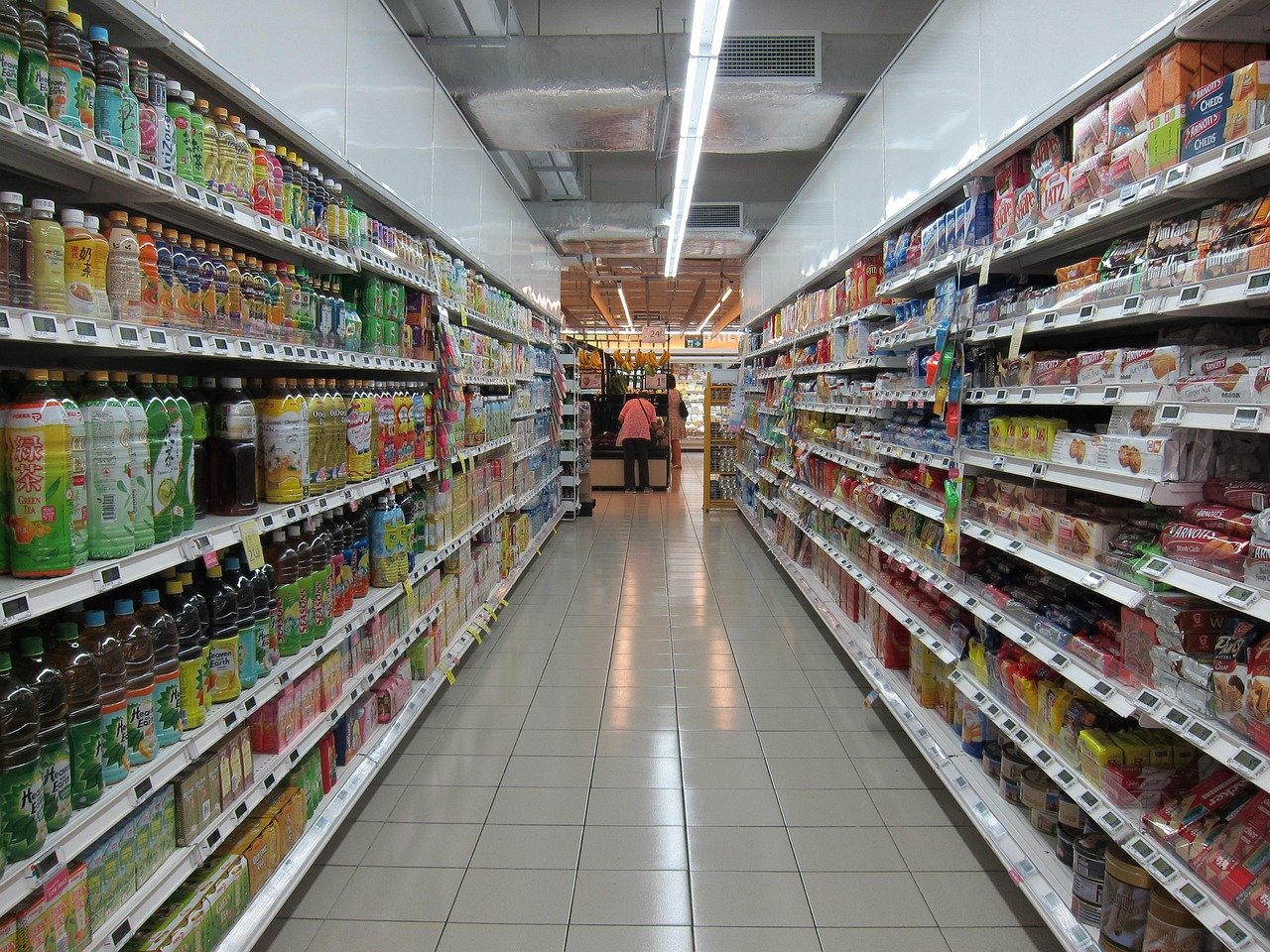
Quick Answer: What are smart ways to save money on groceries?
Smart grocery savings come from changing how you plan, compare, and buy rather than chasing one-off coupons. The biggest wins usually come from meal planning around what you already own, shopping with a list, comparing unit prices instead of package prices, and buying store brands for staples.
Some tactics work better than others depending on your household. Cooking from a weekly plan and freezing leftovers cuts waste, while bulk buying only pays off if you have storage space and will actually use the food before it spoils.
Before changing your routine, check your household size, storage space, weekly schedule, local store options, dietary needs, and how much food you currently throw away.
Why Most Grocery Budgets Leak Money Quietly

Ever pushed a full cart to the checkout and felt genuine surprise at the total? Almost everyone has. Grocery spending is unusual because it happens in small, repeated decisions, and small leaks add up fast.
The leaks are rarely dramatic. They look like a forgotten bag of spinach turning to slime, a “family size” box that costs more per ounce than the small one, or a mid-week takeout order because nobody planned dinner. None of these feel like a budget problem in the moment.
The good news is that grocery savings respond well to systems rather than willpower. A shopper with a plan and a list will almost always spend less than a shopper relying on discipline at the shelf. What follows are the tactics that consistently deliver, ranked roughly by how much effort they demand.
Start With a Plan Built on What You Already Have
Meal planning is the foundation, but most people do it backwards. They pick seven recipes, buy every ingredient, and then discover three half-used jars from last week’s plan.
The smarter version starts with an inventory. Before writing a plan, check the fridge, freezer, and pantry for food that needs using. Then build meals around those items first. This single habit attacks food waste at its source.
Food waste is not a minor household annoyance. The UN Food and Agriculture Organization’s widely cited estimate suggested roughly one-third of food produced for human consumption is lost or wasted globally, and the FAO food loss and waste report explains how that figure was calculated. Later household-level estimates use different methods, so treat any single number as a rough guide rather than gospel. The practical takeaway holds either way: food you buy and throw away is the most expensive food in your kitchen. (USDA ERS: Food security in the U.S.)
A workable weekly rhythm looks like this:
- Check what is already in the fridge, freezer, and cupboards.
- Pick three to five dinners that use overlapping ingredients.
- Note which nights are busy and plan something fast for those.
- Write the shopping list from the plan, not from memory.
- Leave one flexible “use it up” night for leftovers and odds and ends.
That fifth step matters more than it sounds. It gives every stray vegetable a home instead of a slow decline on the shelf.
Use a List and Shop With Blinders On
A list does two jobs at once. It reminds you what you need, and it quietly prevents impulse purchases you did not plan for. Shoppers who wing it tend to buy more, and some of it goes uneaten.
Practical tips that actually work in a real store:
- Order the list by store layout. Group items by aisle so you are not backtracking through the bakery for the fourth time.
- Shop after a meal. Hunger is a terrible shopping consultant.
- Set a soft ceiling. Knowing your rough target before you walk in makes the checkout total less of a shock.
- Avoid the “just one more thing” loop. If it was not on the list, it waits until next week unless it replaces something on the list.
One common mistake is making the list too ambitious. A list of 40 items for a household of two usually means half of it spoils. Scale the plan to what you will realistically cook.
Compare Unit Prices, Not Package Prices
This is where quiet money disappears. A larger box is not automatically cheaper, and a “value pack” label is marketing, not math.
Unit pricing shows the cost per ounce, gram, or liter, which lets you compare differently sized packages fairly. Many jurisdictions require or encourage this display, and in the European Union the legal basis is set out in EU Directive 98/6/EC on unit price indication, which explains what retailers must display. Rules vary widely by country and, in the US, by state, so check what your local shelf tags actually show.
Watch for shrinkflation too. Package sizes can quietly shrink while the shelf price stays the same, which makes unit price the only honest comparison. Regulators have studied the practice precisely because it is hard to spot.
| What to compare | Why it matters |
|---|---|
| Price per ounce or per 100 grams | Reveals whether the big pack is genuinely cheaper |
| Price per serving | Useful for cereal, pasta, and snacks |
| Frozen versus fresh | Frozen is often cheaper and wastes less |
| Store brand versus national brand | Same category, sometimes identical contents |
A phone calculator takes ten seconds and settles the question. Do it for the ten items you buy most often, and you will learn your store’s patterns quickly.
Give Store Brands a Fair Trial
Private-label products are typically priced below national brands, though the gap varies by category and country. The mistake shoppers make is assuming store brands are uniformly worse, or uniformly fine.
The balanced approach is to test category by category. Staples like flour, sugar, oats, canned tomatoes, pasta, and frozen vegetables are usually safe swaps with little noticeable difference. Items where the brand genuinely matters to your household, whether that is coffee, ketchup, or a specific cereal, are worth keeping.
A simple trial method: swap two or three items per shop, not fifteen. If nobody notices, keep the swap. If the household revolts, revert that one item and move on. Over a few months you build a personal list of reliable store-brand wins without a single disappointing dinner.
Time Your Buying Around Sales Cycles
Groceries go on promotion in predictable rhythms. Retailers use loss leaders, items priced near or below cost to pull shoppers through the door, and those promotions rotate.
The smart move is not to chase every deal. It is to notice which items your household uses constantly and buy those in extra quantity when they hit a genuine low. This is where a small price notebook or a note on your phone pays off. After a couple of months you will know that, say, chicken thighs cycle down every few weeks.
Two cautions. First, a sale on something you do not normally eat is not a saving, it is a new expense. Second, stockpiling only works if you have the space and the food will keep. A chest freezer changes the math; a cramped apartment kitchen does not.
If you are setting up a home that runs efficiently, the same planning logic applies to other purchases. Guides like this one on how to choose a wedding venue without overspending show how comparing total costs beats comparing headline prices, and the principle transfers neatly to grocery shopping. (Choose laptop practical buying guide that saves you money)
Cook Once, Eat Twice
Batch cooking is the quiet workhorse of a low grocery bill. Cooking a large pot of chili, a tray of roasted vegetables, or a big batch of rice means future meals cost less effort and less money than a takeout fallback.
The practical version does not require a freezer full of identical containers. Cook one component in bulk, such as shredded chicken or a grain base, then assemble different meals around it during the week. Variety stays high, waste stays low.
Portion awareness matters too. Cooking more than the household eats produces leftovers that get binned. Cooking exactly double, with a plan for the second half, produces lunches.
Use Technology Without Letting It Use You
Digital coupons and cash-back apps exist and can shave a little off the bill, but their net savings are modest and vary a lot. The trap is spending more to earn a reward, or buying a brand you would not otherwise choose because a coupon made it feel like a bargain.
A sensible rule: check the apps for items already on your list, then close them. Never let an app write your list for you.
The same discipline applies to the connected devices around your home. Smart thermostats and speakers can trim household costs when set up thoughtfully, and guides such as this look at the best smart thermostats for cutting energy bills if you want to redirect savings from the kitchen to the utility bill. Gadgets only help when they replace a cost, not add one.
Know Your Benchmarks and Get Help If You Need It
It helps to know what “normal” spending looks like. The USDA publishes monthly food plan cost benchmarks at four spending levels, from thrifty to liberal, and the official USDA food plans and monthly cost of food reports let you compare your household’s spending against a reference point rather than a guess.
If money is genuinely tight, assistance exists. The Supplemental Nutrition Assistance Program sets eligibility rules and benefit levels, and the SNAP eligibility and benefit rules explain who qualifies and how allotments are calculated. Using a program is not a failure of budgeting; it is a tool designed for exactly this situation.
Conclusion
Smart grocery savings are rarely about extreme couponing or heroic self-denial. They come from a handful of habits stacked together: planning meals around food you already own, shopping with a list, comparing unit prices, testing store brands, buying staples when they are genuinely cheap, and cooking in batches that produce tomorrow’s lunch.
Start with two changes, not ten. The inventory-first meal plan and the unit-price check deliver the most for the least effort, and both become automatic within a month. Add the rest as they fit your household, and the savings compound quietly in the background, week after week.
Frequently Asked Questions
Is meal planning really worth the time it takes?
For most households, yes, because the time spent planning is usually less than the time spent making extra store trips and improvising dinners. The bigger gain is reduced waste: a plan gives every ingredient a purpose. Keep the plan simple, three to five dinners is plenty for most people.
Are store brands actually as good as name brands?
Often, in staple categories like flour, oats, canned goods, pasta, and frozen vegetables. In categories where you have strong preferences, the brand may genuinely matter to you. Test a couple of items at a time rather than switching everything at once, and keep the swaps that nobody notices.
Does buying in bulk always save money?
No. Bulk buying only saves money when the unit price is genuinely lower, you have space to store the item, and you will use it before it spoils. Bulk bins for spices, grains, and nuts can be excellent for small households because you buy only what you need.
How do I spot shrinkflation at the store?
Compare the unit price rather than the package price, and glance at the net weight printed on the box. If the package looks similar but the weight has dropped while the price held, the unit price will reveal it. Keeping rough notes on the items you buy most often makes the change obvious.
Do cash-back and coupon apps really help?
They can trim a small amount, but the savings are usually modest and easy to cancel out by buying items you did not need. The safe approach is to check the apps only for products already on your list, then stop there.
What should a household check before changing its grocery routine?
Look at household size, storage and freezer space, weekly schedule, local store options, dietary needs, and how much food currently gets thrown away. Those factors determine which tactics will actually stick, so start with the two or three that fit your situation rather than overhauling everything at once.



