

Quick Answer: What is a money order?
A money order is a prepaid payment slip for a fixed amount that you buy from a post office, bank, or retailer and make payable to one named person or business. You pay the full amount plus a small fee up front, so the recipient gets a payment that does not bounce like a personal check might.
It is not the same as a cashier’s check, which usually comes from a bank and can carry a larger limit, or a wire transfer, which moves money electronically between accounts. Money orders are common for rent, small bills, and remittances to people without a bank account.
Before buying one, compare the fee, the maximum amount allowed, how to trace or replace it if it is lost, whether the payee accepts it, and how long a refund would take.
A Simple Piece of Paper That Still Moves Billions
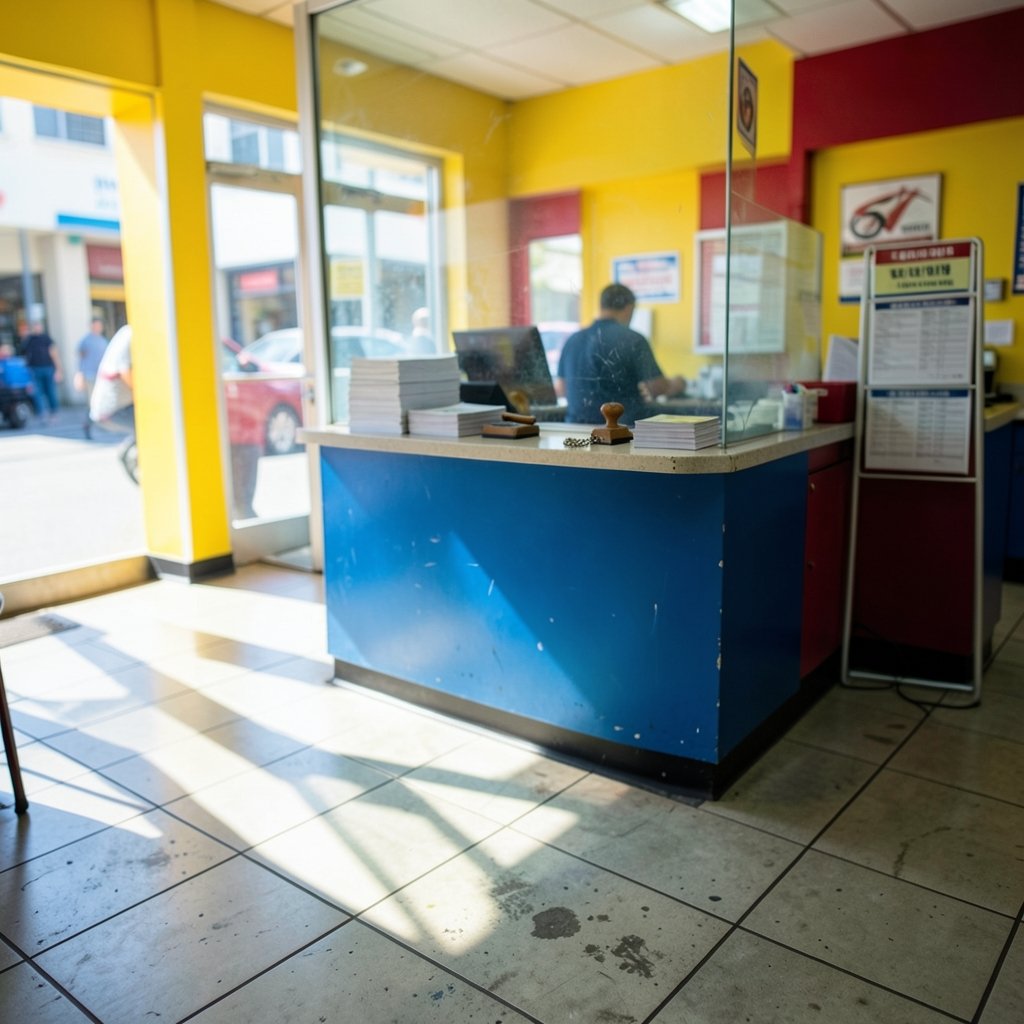
When was the last time someone handed you a piece of paper and you treated it like cash? For millions of people, that happens every month. A money order looks almost boring, a slip with a printed amount, a payee name, and a serial number. Yet it solves a real problem: how to pay someone safely when you do not have a checking account or when the other side refuses to take a personal check.
The idea is simple. You walk into a post office, a bank branch, a grocery store, or a check-cashing shop. You hand over the amount you want to send plus a service fee. In return, you get a paper instrument that is already paid for. The issuer, not you, is on the hook for the money. That shift of responsibility is the whole point.
This guide breaks down how money orders work, what they cost, where they go wrong, and how they compare with the alternatives. It also covers the scams that turn this humble document into a trap.
How a Money Order Actually Works
A money order is a prepaid payment instrument for a fixed amount, payable to a named payee. The buyer pays the face value plus a fee at the time of purchase. Because the money is collected up front, the payee does not have to worry about insufficient funds.
Here is the basic flow:
- The buyer picks an issuer, such as a post office, bank, credit union, or retail store.
- The buyer fills out the amount and the payee’s name, and often signs the document.
- The buyer pays the face amount plus the fee.
- The buyer keeps the receipt and the stub, which carries the serial number.
- The payee deposits or cashes it, and the issuer settles the payment.
That receipt stub matters more than most people realize. It is the only practical way to trace a payment if the paper goes missing. People who toss it in the trash often learn this the hard way when a landlord claims the rent never arrived.
The Postal Version
Postal money orders are the best-known type in the United States. They come with a hard cap on value, which makes them useful for everyday bills but not for large purchases. Domestic postal money orders have a maximum face value, and international ones have a lower cap. Because these limits can change, it is worth checking the current figures before you plan a payment around one.
The postal version also comes with a trace and replacement process. If a postal money order is lost or stolen, the buyer can file an inquiry, pay a fee, and wait out a holding period before a refund is issued. That waiting period is often cited as roughly two months, which is a long time if the payment was urgent.
Bank and Retail Versions
Banks and credit unions issue their own money orders, often with higher limits than the postal version. Retail chains sell them too, usually for a low flat fee. The catch is that terms vary widely. Some issuers stop payment easily; others make you wait. Some replace a lost money order quickly; others drag their feet.
The lesson: the issuer’s rules matter as much as the price. A cheap money order with a terrible replacement policy is not a bargain.
What a Money Order Costs
The fee is usually small, but small fees add up when you buy several every month. A typical retail or postal fee sits in the low single digits. Banks sometimes charge less for account holders and more for non-customers. Check-cashing stores tend to charge the most.
| Cost factor | What to expect |
|---|---|
| Purchase fee | A small flat fee, often a few dollars |
| Maximum amount | Capped, with postal orders capped lower than bank ones |
| Replacement fee | Charged again if the original is lost or stolen |
| Refund waiting period | Often several weeks before a refund is issued |
| Time cost | A trip to the counter, plus paperwork |
For someone paying rent with three separate money orders every month, the annual cost can quietly reach into the hundreds. That is worth comparing against a basic bank account, which may charge nothing for bill payments.
Money Orders vs. Other Payment Methods
The comparison table below is where most confusion gets cleared up.
| Method | Who stands behind it | Typical limit | Reversible? |
|---|---|---|---|
| Money order | The issuer | Capped, varies by issuer | Yes, if fraudulent |
| Cashier’s check | A bank | Usually higher | Yes, with effort |
| Personal check | The account holder | Account balance | Yes, easily |
| Wire transfer | Banks | High | Rarely |
| Card payment | Card network | Varies | Yes, with dispute rights |
The key difference is who guarantees the funds. With a personal check, the payer does. With a money order or cashier’s check, a financial institution does. That is why landlords and government agencies often prefer them.
Where Money Orders Fit in Remittances
Money orders are a common way to send money across borders, especially for people without bank accounts. They sit alongside wire services and digital apps in the cash-based remittance world. Cost matters enormously here, because a family sending money home every month feels every dollar of fees. (Z wave inclusion vs exclusion order matters every device) (Money order)
Anyone comparing channels should look at the total cost rather than only the sticker price. Exchange rates, agent fees, and payout options all shape the real cost of sending money. The same discipline applies to other money decisions, whether you are sizing up a side hustle or weighing a new financial product, and it helps to understand where the money actually goes before you commit. (Identity threat detection really costs where money goes) (Money transfers and remittances)
When a Money Order Makes Sense
Money orders shine in a few specific situations:
- You need to pay a bill but do not have a checking account.
- A landlord or agency will not accept personal checks.
- You want a paper trail without handing over cash.
- You are sending a modest amount to someone who cannot receive electronic transfers.
They are a poor fit for large purchases, urgent payments, or anything where speed matters. If the payment must arrive today, a money order is usually the wrong tool.
A practical tip from people who use them often: buy from the issuer’s own counter whenever possible, fill out the payee name before you leave, and photograph the receipt. If the paper is lost, that photo is your evidence.
The Fraud Problem Nobody Warns You About
Here is the part that catches people off guard. A money order can be reversed after it is deposited if it turns out to be counterfeit or altered. That means “the bank cleared it” is not proof the payment is real.
Scammers exploit this constantly. A classic version involves a buyer who overpays with a money order and asks for the difference back in cash or a gift card. Weeks later, the original instrument turns out to be fake, and the victim is out the money they refunded. The same pattern shows up in fake prize notices, fake job offers, and fake rental listings.
A related trap is the gift card request. No legitimate agency, employer, or landlord asks to be paid in gift cards. Understanding how the gift card scam works and why victims rarely get their money back is a useful defense, because the mechanics are nearly identical to money order fraud.
Counterfeit and altered money orders are a known problem, which is why issuers recommend buying only from authorized outlets and checking the security features. If a deal feels rushed or too good, slow down. The urgency is the tell.
Protecting Yourself: Practical Rules That Work
Most money order disasters come down to a handful of avoidable mistakes. These rules cover the ones that show up again and again.
- Buy only from an authorized issuer, never from a stranger.
- Never accept a money order from someone you do not know and trust.
- Wait for funds to fully settle before releasing goods or services.
- Never refund an overpayment, especially in cash or gift cards.
- Keep the receipt and serial number until the payment clears.
- Report suspected fakes to the issuer and to consumer protection authorities.
That fourth rule is the one people break most often. The overpayment scam works precisely because the victim wants to be helpful. Being helpful with your own money is a fast way to lose it.
Money Orders and Consumer Protection
This is where expectations often mismatch reality. In the United States, money orders generally do not carry the same federal error-resolution and unauthorized-transfer protections that debit and credit cards do. Card payments come with dispute rights built into the system. A money order usually does not.
That does not mean you have no recourse. It means your rights come from the issuer’s terms, state rules, and general consumer protection law rather than from card network rules. Before buying, ask the issuer what happens if the money order is lost, stolen, or never cashed. Get the answer in writing if you can.
Money-order sellers are also regulated as money services businesses in many jurisdictions, which means registration and recordkeeping obligations apply. That regulatory layer exists partly to reduce fraud, but it does not make any individual payment risk-free.
Frequently Asked Questions
Can I stop payment on a money order?
Sometimes, but not always. Some issuers allow a stop payment, usually for a fee and only if the money order has not been cashed. Others require you to complete a lost or stolen inquiry instead. The rules vary by issuer, so ask before you buy, not after.
How long does it take to get a refund on a lost money order?
It depends on the issuer. Postal money orders typically involve a formal inquiry, a fee, and a holding period that is often cited as around 60 days before a refund is issued. Bank and retail issuers set their own timelines, which can be shorter or longer.
Is a money order the same as a cashier’s check?
No. Both are prepaid and both are backed by an institution, but a cashier’s check is drawn on a bank and usually carries a higher limit. Money orders are smaller, cheaper, and sold by a wider range of outlets, including post offices and retailers.
Can a money order bounce?
A genuine money order is prepaid, so it does not bounce for insufficient funds. It can, however, be reversed if it is counterfeit, altered, or reported stolen. That is why accepting one from a stranger carries real risk, and why waiting for settlement matters.
Do I need ID to buy a money order?
Often yes, especially for larger amounts. Many issuers require identification and record the transaction, partly because of anti-money-laundering rules. Smaller purchases at some retail counters may go through with less paperwork, but do not count on it.
What happens if I never cash a money order?
Uncashed money orders can go stale after a period set by the issuer. After that, the issuer may require you to submit a claim to recover the funds. Keep the document and receipt, and cash it promptly rather than letting it sit in a drawer.
Conclusion
A money order is one of the oldest tricks in the payment playbook, and it still works. It gives people without bank accounts a way to pay bills, gives landlords a payment that will not bounce, and gives senders a paper trail. For a few dollars, that is a fair deal.
But the same features that make it useful make it a target. Prepaid means reversible if fraudulent. Paper means losable. Capped means limited. None of that is a reason to avoid money orders entirely; it is a reason to use them with your eyes open.
The practical formula is short. Buy from an authorized issuer, fill in the payee before you leave the counter, keep the receipt, never refund an overpayment, and check the issuer’s replacement rules before you need them. Do that, and this boring little slip of paper does exactly what it promises. Skip it, and you join a long line of people who learned about money orders the expensive way.



