

What if the most expensive-looking hair color in the room is the one that looks like you didn’t try at all? That’s the promise of old money blonde, an aesthetic that has taken over social feeds and salon chairs alike. It isn’t a single shade or a strict formula. It’s a mood, a set of styling habits, and a whole set of unspoken rules about what “good taste” is supposed to look like. And like most trends that borrow from the language of wealth, it’s more complicated than a dye job.
This article breaks down what the term actually describes, where it came from, how it connects to the wider quiet luxury wave, and how to get the look without wrecking your hair or your budget. It also looks honestly at the class-coded and racialized baggage the trend carries, because that part matters too.
What Does “Old Money Blonde” Actually Mean?
Old money blonde is a fashion and beauty label, not a formal standard. It circulates mainly on TikTok, Pinterest, and Instagram, and in lifestyle media, roughly from the early-to-mid 2020s. Nobody trademarked it, and there’s no agreed first use, so treat any confident “this is where it started” claim with a raised eyebrow.
What the term describes is fairly consistent, though. The look usually includes:
- Warm, low-contrast color: honey, golden, butterscotch, or “bronde” tones that sit between light brown and blonde
- A soft root melt: darker roots that fade gradually into lighter ends, rather than a sharp line
- Glossy, healthy-looking texture: shine over brightness, always
- Long, low-maintenance styling: loose waves, a simple blowout, or a neat low bun
- Understated everything else: neutral tailoring, pearls, equestrian details, minimal “clean” makeup
The key word is understated. Where platinum blonde shouts, old money blonde murmurs. The whole point is to look like the color grew out of your head naturally and you simply have good genes, a good colorist, and no particular need to prove anything.
Where the Trend Came From
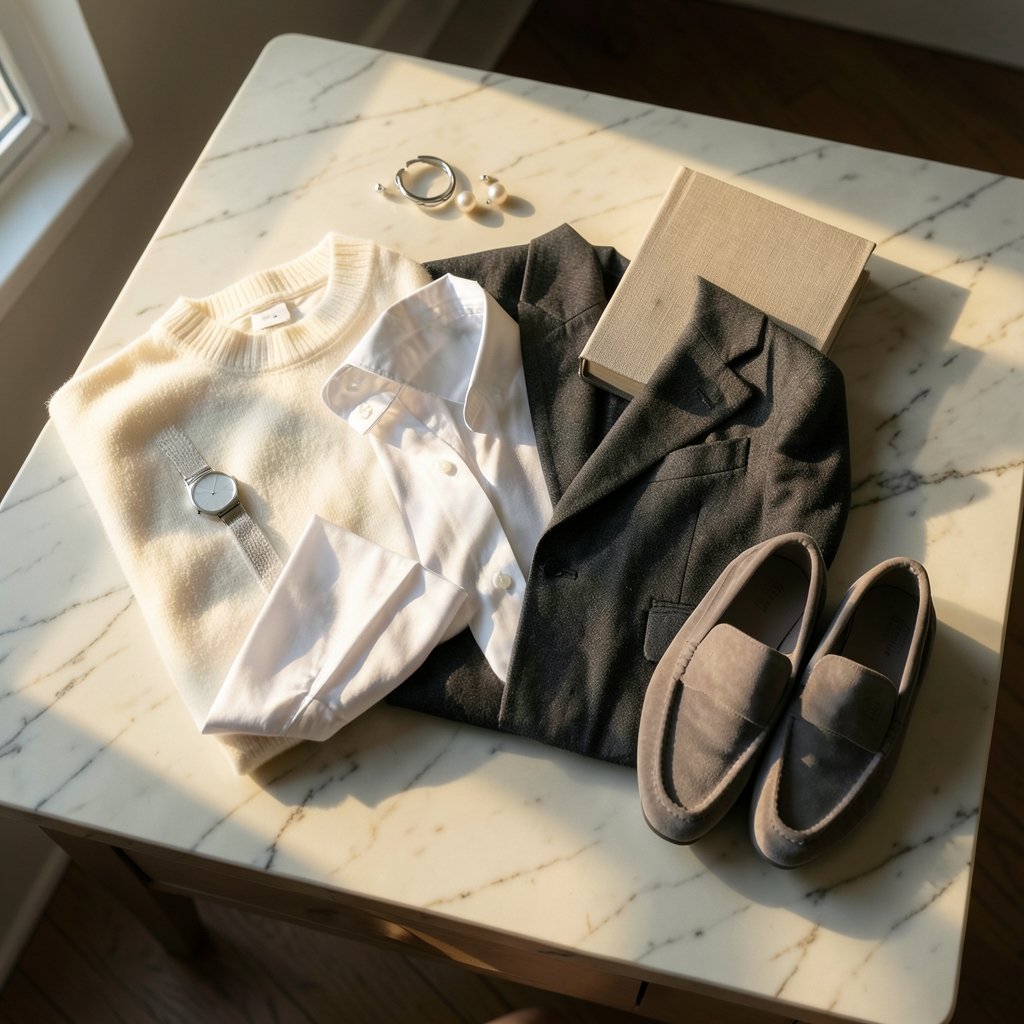
The look didn’t appear out of nowhere. It’s a branch of the broader old money aesthetic and quiet luxury movement that spread through fashion and social media in the early 2020s. Media coverage widely tied that wave to the success of the TV series Succession, which ran from 2018 to 2023 and made “stealth wealth” dressing a talking point far beyond its own audience. The general association is solid. Specific causal claims, like “this one show invented the trend,” are not.
Underneath the surface trend sits an older idea from sociology: that taste itself functions as a class marker. The French sociologist Pierre Bourdieu argued in his 1979 book Distinction that preferences in dress, food, and culture are not innocent. They signal where you come from and help reproduce social advantage. Read that way, old money blonde is less a color than a costume for a class position, and the “effortless” part is doing a lot of work. Effortlessness, after all, is expensive. It takes time, money, and maintenance to look like you did nothing. (Gift card scam works victims rarely get their money back)
Why the Look Reads as “Expensive”
There’s a practical reason the aesthetic works, and it has little to do with actual wealth. It comes down to contrast and upkeep.
High-contrast color, like icy platinum against dark roots, is dramatic but demanding. It shows every bit of regrowth, fades fast, and often needs frequent salon visits to stay sharp. Low-contrast, warm color is more forgiving. It grows out gracefully, reflects light softly, and looks healthy even weeks after a touch-up. Health and shine read as expensive because they suggest time and care, not because they cost the most.
There’s also a psychological layer. Neutral, classic clothing and soft hair tones don’t compete for attention. They suggest confidence that doesn’t need to announce itself. That’s the same logic behind quiet luxury more broadly, and it’s why the aesthetic translates so well to social media: it photographs as calm and expensive without any logos in frame.
How to Get the Look: A Practical Guide
Getting old money blonde is mostly about communication with your colorist and patience with your hair. Here’s what actually works in practice.
- Bring reference photos. “Old money blonde” means different things to different stylists. Show two or three reference images with the warmth and root depth you want.
- Ask for a root melt or shadow root. This is the technique that creates the soft transition from darker roots to lighter ends. It’s the single most important request.
- Choose warm over cool. Honey, golden, and butterscotch tones are the core of the look. Cool ash or icy tones push you toward a different, higher-contrast aesthetic.
- Prioritize the gloss. A shine treatment or gloss adds the reflective finish that makes the color look healthy. Treat it as non-negotiable for this look.
- Plan for maintenance honestly. Expect touch-ups every six to ten weeks, depending on how fast your hair grows and how light you go.
- Style it simple. Loose waves, a smooth blowout, or a low bun. Skip the elaborate updos and heavy styling products.
Common Mistakes People Make
- Going too light too fast. Jumping several levels in one session damages hair and kills the shine the look depends on. Build lightness gradually.
- Skipping the toner conversation. Warm doesn’t mean brassy. Ask how your colorist will keep the tone golden rather than orange.
- Ignoring hair health. Split ends and dullness undermine the entire aesthetic. Trims and conditioning matter as much as the color itself.
- Overdoing the “old money” styling. The look falls apart when it becomes a costume. One or two classic touches beat a full equestrian outfit.
- Copying a photo without matching your base. The same formula looks different on every starting color. Your colorist needs to adapt it.
If you enjoy practical breakdowns of how trends and money intersect, the site’s piece on how to make money with AI is a useful example of how the same clear-eyed approach applies elsewhere.
The Cost Side: What This Look Really Requires
Old money blonde is a maintenance commitment, and pretending otherwise is where budgets break. A first appointment to lift and tone can run several hours and a significant sum, and the upkeep adds up over a year. The look’s whole appeal, effortlessness, is actually the product of regular professional work.
That’s worth naming plainly, because the aesthetic sells an illusion. It presents itself as inherited ease when it’s often a paid service. The same gap between appearance and actual cost shows up across many industries. The article on where identity threat detection money really goes makes a similar point about hidden expenses that rarely appear in the headline price.
A realistic approach: ask your colorist for a full-year cost estimate before you start, including glosses and trims. If the number doesn’t work, a softer bronde with less lift is a legitimate version of the look and far cheaper to maintain.
The Critique: Class, Race, and Who Gets to Look “Effortless”
The trend deserves a critical look, and this is where a lot of cultural commentary pushes back.
Class coding. The label itself does the work of implying inherited status. Dressing “old money” borrows the visual language of a class most people aren’t part of. Critics argue this turns inequality into an accessory. The aesthetic’s core promise, looking like you don’t need to try, depends on the reality that most people do have to try.
Racialized beauty standards. “Old money” beauty imagery has historically centered a narrow range of features and hair textures. Straight, smooth, long hair is the default in most of these mood boards. That leaves out many people whose natural hair doesn’t fit the template, and it quietly reinforces a hierarchy of what counts as polished or professional. Some creators have pushed back by adapting the palette to coily and curly textures, which is a more honest use of the trend.
Consumer pressure. Like any aesthetic built on aspiration, it drives spending. The look is marketed as a personality when it’s really a shopping list. Recognizing that doesn’t mean you can’t enjoy it. It just means you’re choosing it rather than being sold it.
Old Money Blonde vs. Other Blonde Trends
| Style | Tone | Contrast | Maintenance | Overall feel |
|---|---|---|---|---|
| Old money blonde | Warm honey, golden, bronde | Low, soft root melt | Moderate, 6–10 weeks | Calm, classic, polished |
| Platinum blonde | Cool, icy white | High, sharp roots | High, 4–6 weeks | Bold, editorial, high-impact |
| Balayage | Varies, often warm | Medium to low | Low, 8–12 weeks | Natural, sun-kissed |
| Babylights | Any tone | Very low, blended | Moderate | Subtle, dimensional |
| Money piece | Bright face frame | High at the front | Moderate | Trendy, face-framing |
The table makes the trade-off clear. Old money blonde sits in the middle: softer than platinum, more deliberate than a standard balayage, and defined above all by warmth and a blended root.
What Actually Works in Practice
A few habits separate people who love their result from people who regret it.
First, book a consultation before the appointment. Ten minutes of conversation about your starting color, history with dye, and willingness to maintain saves months of frustration. Second, be honest about your routine. If you wash daily with harsh shampoo or skip heat protection, tell your colorist, because it changes what’s realistic. Third, invest in a color-safe routine: sulfate-free wash, a weekly mask, and heat protection before styling. Fourth, accept the grow-out. The soft root is the feature, not a flaw, and that’s what makes this look easier to live with than high-contrast color.
For readers thinking about bigger financial decisions alongside beauty spending, the site’s explainer on CBDC digital currency and central bank money going digital covers how money itself is changing, which is a useful counterpoint to a trend built on old wealth imagery.
Conclusion
Old money blonde is a real, recognizable aesthetic with a simple core: warm, low-contrast color, a soft root melt, glossy healthy hair, and understated styling. It’s achievable at almost any starting color if you’re patient and honest with your colorist about maintenance. It’s also a trend with a story behind it, tied to quiet luxury, to the cultural moment around Succession, and to much older ideas about taste as a class signal. Enjoy the look. Just go in knowing what it costs, what it borrows, and who it leaves out. That’s the difference between following a trend and being sold one.
Frequently Asked Questions
What exactly is old money blonde?
It’s a beauty and fashion label for warm, low-contrast blonde hair, usually honey, golden, or bronde, with a soft root melt and a glossy finish. It’s part of the wider old money aesthetic and quiet luxury trend. It isn’t a formal color standard, so the exact shade varies by stylist and starting color.
Do I have to be naturally blonde to get it?
No. Most people who wear the look start with light or medium brown hair. A colorist lifts the hair gradually and tones it warm, then blends the roots. Going slowly protects hair health, which matters because shine is central to the aesthetic.
How often does old money blonde need a touch-up?
Plan on a salon visit every six to ten weeks. That covers root blending, glossing, and trims. If you go lighter or your hair grows fast, expect the shorter end of that range. Ask for a yearly cost estimate before you commit.
Is the trend problematic?
It carries real baggage. The label implies inherited wealth, which turns class into an accessory, and the imagery has historically centered straight, smooth hair, which excludes many textures. Many people enjoy the look while acknowledging that critique. Adapting the palette to your own hair texture is a fair middle ground.
What’s the difference between old money blonde and platinum?
Platinum is cool, icy, and high-contrast, with sharp roots and frequent upkeep. Old money blonde is warm, soft, and low-contrast, with blended roots that grow out gracefully. Platinum reads bold and editorial; old money blonde reads calm and classic.
Can I get the look at home?
You can maintain it at home with color-safe shampoo, a weekly mask, and heat protection, but the initial color work is best left to a professional. Box dye rarely produces a soft root melt, and correcting a bad lift is expensive. Home care supports the look; it can’t create it.



