

What happens if you write your landlord’s name on the wrong line of a money order, or sign it too early and it gets lost in the mail? A money order looks simple, but a single misplaced word can delay a payment for weeks or leave you unable to get your money back. That is why learning how to fill out a money order properly matters more than most people think. (Money transfers and remittances)
This guide walks through every field, the mistakes that trip people up, and how to protect yourself from the scams that target this payment method.
What a Money Order Actually Is
A money order is a prepaid payment instrument for a fixed amount. You buy it with cash (sometimes with a debit card) from a post office, bank, credit union, or retailer, and the amount is printed or stamped on it at the time of purchase. It is a popular option for people who do not have a checking account, and for anyone who wants to send money without exposing bank account details.
Unlike a personal check, a money order is paid for upfront. That makes it feel safer, but it also means you cannot simply stop payment the way you might with a check. If it is lost, you have to go through a refund or tracing process, and that process depends heavily on keeping your receipt.
The Fields You Will See
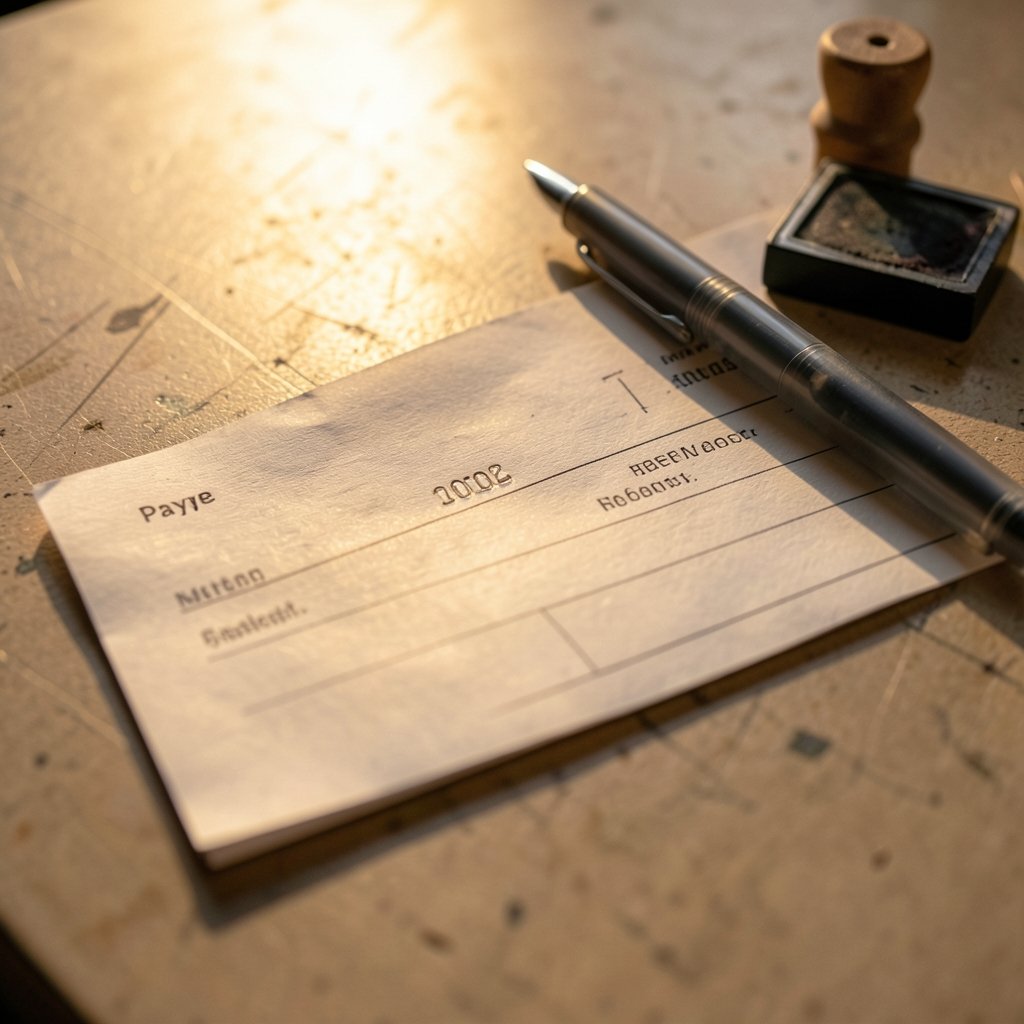
Most money orders, whether from a post office or a retail chain, share the same basic layout. The exact wording varies, but you will typically find:
| Field | What It Is For | Who Fills It In |
|---|---|---|
| Amount | The dollar value of the order | Usually printed by the seller at purchase |
| Payee | The person or business receiving the money | You, the purchaser |
| Purchaser name and address | Identifies who bought it | You |
| Signature | Confirms you authorized it | You |
| Memo | A note about what the payment is for | You |
| Serial number | Tracks the order if it goes missing | Preprinted by the issuer |
The amount is the one field you should never write yourself. If you fill in the amount by hand, many issuers will reject the order, and some banks will refuse to deposit it. Let the clerk print or stamp it.
Step-by-Step: Filling Out the Money Order
Follow this order and you will avoid the most common errors.
- Buy the money order for the exact amount you owe. Do not round up or buy one large order to cover several bills. Each payment should have its own money order so the paper trail stays clean.
- Write the payee’s name on the “Pay to the Order Of” line. Use the name exactly as the recipient uses it with their bank. If you are paying a company, use the full legal business name, not an abbreviation or nickname.
- Fill in your own name and address in the purchaser section. This is how the issuer identifies you if the order needs to be traced or refunded.
- Add a memo note. Write what the payment covers, such as an invoice number, account number, or “rent for March.” This small step resolves a surprising number of disputes later.
- Sign it last. Many issuers instruct that the signature be added only when you hand the order over, which reduces the risk if it is lost in transit. Practice varies, so check the instructions printed on your specific money order before signing.
- Keep the receipt and stub. The tear-off stub carries the serial number. Without it, tracing a lost money order becomes far harder.
Writing the Payee Name Correctly
This is where most problems start. A nickname, a married name that does not match the bank account, or a misspelled company name can cause a deposit to be rejected. If you are unsure, ask the recipient which name their bank has on file. It sounds fussy, but a rejected money order can take days or weeks to sort out, and the recipient may treat the payment as late.
If you make an error, do not scribble over it. Most issuers will not accept a money order with crossed-out or corrected writing. In that case, you typically need to return to where you bought it and ask about a replacement. That is another reason to fill everything in slowly, at the counter, before you leave.
Signing at the Right Moment
The signature line confuses a lot of people. Some issuers want it signed at purchase; others recommend signing only when you hand it over. There is no universal rule, so read the fine print on the back or front of the form. If you are mailing the money order, signing it right before you drop it in the envelope is the safer habit, because an unsigned order is harder for a thief to cash.
Common Mistakes People Make
Even careful people slip up. Watch for these:
- Writing the amount by hand. Let the seller print it.
- Using a nickname for the payee. Match the bank account name.
- Signing too early. Check the issuer’s instruction first.
- Throwing away the receipt. It is your only proof of purchase.
- Buying one money order for several bills. One payment, one order.
- Filling it out in pencil. Always use pen, and write clearly.
There is also a money habit worth mentioning here. People who send money orders regularly often keep a simple log of serial numbers, dates, and recipients. That record costs nothing and saves hours if something goes wrong. The same discipline applies to other financial habits, whether you are tracking small payments or working out how to make money with ai side projects; good record-keeping is the common thread.
Limits, Fees, and Cashing Rules
Money orders are not unlimited. Postal money orders in the United States have a maximum value per order, and there are limits on how many you can buy in a day. The exact figures change over time, so confirm the current cap with the issuer before you plan a large payment. If you owe more than the limit, you will need more than one money order.
Fees vary widely by issuer and by amount, and there is no single standard. A post office, a bank, a grocery store, and a check-cashing shop may all charge different amounts. Compare before you buy, especially if you send money orders often.
Cashing and deposit rules also differ. Some banks place holds on money orders, and some retailers will not cash an order they did not issue. Do not assume the recipient can walk into any store and get cash. Ask them how they prefer to receive the money, and if they want a direct deposit instead, that is worth knowing before you buy.
Protecting Yourself From Money Order Fraud
Money orders are a favorite tool for scammers, and the reason is simple: a money order can be counterfeit, and funds can be reversed after deposit even when your bank initially shows the money as available. A classic overpayment scam works like this. Someone sends you a money order for more than you asked, then asks you to wire back the difference. Weeks later, the money order turns out to be fake, and you are out the cash you sent.
A few rules keep you safe:
- Never accept a money order from someone you do not know as payment for goods you are selling, unless you confirm it with the issuer first.
- Never send part of the money back to a buyer who overpaid.
- Be suspicious of urgency. Scammers push you to act before you can check.
- Verify the serial number with the issuing company if anything feels off.
Fraud involving prepaid payment methods is widespread, and the pattern repeats across many types of scams. The same pressure tactics show up in the gift card scam that works because victims rarely get their money back, where the irreversible nature of the payment is exactly what the criminal relies on. Money orders share that trait, which is why caution beats convenience every time.
What to Do If Your Money Order Is Lost or Stolen
Do not panic, but do act quickly. The first step is to contact the issuer with your receipt and serial number. Most issuers have a formal claims process, and some require a waiting period before a refund is issued, because the original order might still be cashed. Keep a copy of every form you submit and note the date you filed the claim.
If you suspect theft or fraud rather than simple loss, report it. Postal money orders fall under postal inspection jurisdiction, and other issuers have their own fraud departments. The stronger your documentation, the faster the resolution.
How Money Orders Fit Into a Wider Financial Picture
Money orders are one small piece of a payment system that is changing fast. Central banks around the world are exploring digital alternatives, and it helps to understand the bigger shift. A plain-language explainer on CBDC digital currency and how central bank money is going digital shows where retail payments may be heading, and why paper instruments still matter for people who lack bank access today.
Security is the other half of the story. Every payment method carries risk, and businesses now spend heavily on detecting identity fraud and payment abuse. A breakdown of where identity threat detection really costs and where the money goes gives a sense of how much effort goes into protecting transactions behind the scenes, including the ones that look as simple as a money order at a counter.
A Quick Word on International Money Orders
International money orders work differently from domestic ones. They are typically issued in U.S. dollars, carry different value limits, and have their own cashing rules. If you are sending money abroad, confirm with the recipient’s bank what they will accept before you buy. A domestic money order mailed overseas may not be cashable at all.
Conclusion
Filling out a money order is not hard, but it rewards care. Write the payee’s name exactly as their bank knows it, let the seller print the amount, sign at the right moment, and keep the receipt somewhere safe. Those four habits prevent nearly every problem people run into. Add a healthy suspicion of overpayment offers, and you have a payment method that is simple, traceable, and safe when used correctly. Next time you buy one, take an extra thirty seconds at the counter. It is the cheapest insurance you will ever get.
Frequently Asked Questions
Can I fill out a money order with a pen I brought myself?
Yes, as long as it is a pen with dark ink, such as blue or black. Never use pencil, and avoid light-colored gel pens that smudge. Issuers need the writing to be legible and permanent, because the form may be scanned or handled by several people before it clears.
What happens if I misspell the payee’s name?
The order may be rejected when the recipient tries to deposit it. Most issuers will not accept crossed-out corrections, so you usually need to return to the place of purchase and ask about a replacement. To avoid this, confirm the exact name on the recipient’s bank account before you write anything.
Should I sign the money order before I mail it?
It depends on the issuer’s instructions. Some recommend signing only at the moment you hand it over, which makes a lost order harder to cash. Read the printed guidance on your specific form, and if you are mailing it, sign just before it goes into the envelope.
Is a money order safer than a personal check?
In some ways, yes. You pay upfront, so there is no risk of the payment bouncing, and you do not hand over your bank account details. But money orders can be counterfeited, and funds can be reversed after deposit. They are not a guarantee of payment, so verify anything that seems unusual.
How much does a money order cost?
Fees vary by issuer and by the amount, and there is no single standard price. A post office, bank, and retail store may each charge differently. Compare a few options if you send money orders regularly, because the small fees add up over a year.
Can I get my money back if a money order is lost?
Usually yes, but it takes time. Contact the issuer with your receipt and serial number to start a claim. Many issuers require a waiting period before refunding, since the original order might still be cashed. This is exactly why keeping the receipt and stub matters so much.



