
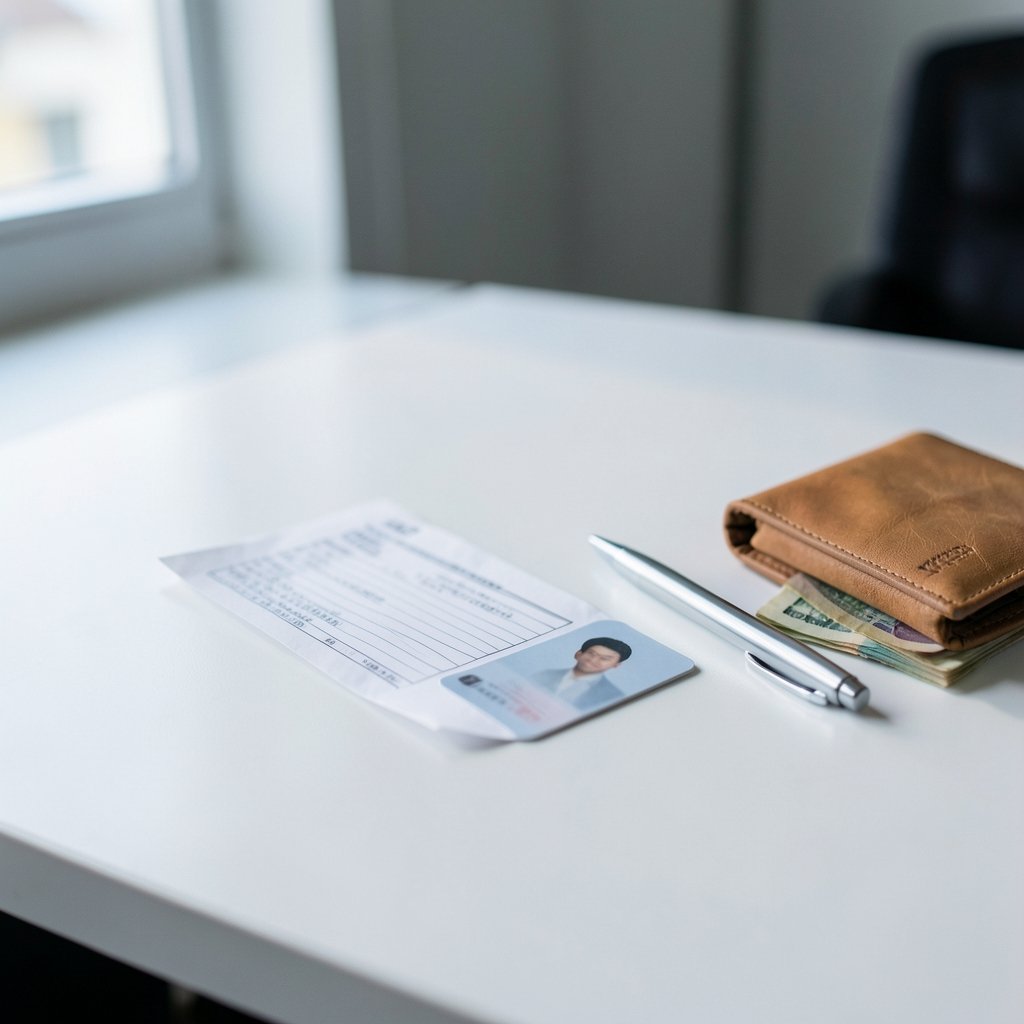
What do you do when someone hands you a paper money order and you need actual cash in your hand today?
Maybe it’s payment for a side job. Maybe a relative sent it for a birthday. Maybe you sold a bike on a classifieds site and the buyer insisted on a money order instead of an app transfer. Whatever the reason, a money order is not cash, and turning it into cash takes a few deliberate steps. Skip those steps and you can lose part of the value to fees, or worse, find out weeks later that the paper was worthless.
The good news is that cashing a legitimate money order is simple once you know where to go, what to bring, and what to watch for. Here is the practical version, including the mistakes that catch people off guard.
First, Understand What You Are Holding
A money order is a prepaid payment instrument for a fixed amount. Someone buys it up front, usually with cash, and the issuer guarantees payment up to that amount. In the United States, the dominant issuers are the U.S. Postal Service and MoneyGram, which sells through Walmart, grocery stores, and pharmacies. Western Union also issues them.
People use money orders for two main reasons. First, they work for people who do not have a checking account. Second, they keep bank details private, since the recipient never sees an account or routing number. That is why landlords, utility offices, and small contractors often accept them.
A money order is not a personal check. A check can bounce because the writer lacks funds. A money order is already funded, so the risk sits with the issuer, not the buyer. That distinction matters when you decide where to cash it. (Z wave inclusion vs exclusion order matters every device)
Check the Basics Before You Walk Into Anywhere

Before you go anywhere, spend sixty seconds inspecting the document. This is the step people skip, and it is the step that saves the most trouble.
What to verify on the money order itself
- The payee name matches you exactly. If it says “J. Alvarez” and your ID says “Jose Alvarez,” most clerks will still accept it, but a strict one may not. A misspelled name is a real problem and needs to go back to the purchaser.
- The amount is written clearly in both the numeric and written fields, and the two agree.
- There are no signs of tampering. Look for scratched-out amounts, mismatched ink, or a missing security feature.
- The purchaser’s name and address are filled in if your casher requires it. Many do.
- You have not signed it yet. Endorse it in front of the clerk, not at home. Signing early turns the money order into a bearer instrument, and anyone who picks it up can cash it.
That last point is the single most common mistake. A signed money order is like a signed blank check. Keep it unsigned until you are at the counter.
Where to Cash It, Ranked by Cost
The cheapest place to cash a money order is almost always the issuer. If you are holding a USPS money order, a post office will cash it, and the Postal Service does not charge a fee to cash its own money orders. There are window limits and identification requirements, so bring photo ID and expect to wait in line.
For everything else, cost depends on your relationship with the institution.
| Where you cash it | Typical cost | Who it works best for |
|---|---|---|
| The issuer (post office or MoneyGram agent) | Free or lowest | Anyone holding that issuer’s money order |
| Your own bank or credit union | Free to low | Existing customers |
| A retail store that sold it | Low fee, sometimes free | People who bought it there |
| A check-cashing store | Highest, often a percentage | People with no bank account |
| A different bank | Usually refused | Almost nobody |
The pattern is simple: the closer you are to the issuer or to your own bank, the less you pay. Check-cashing stores exist for convenience and for people outside the banking system, and they price accordingly.
One useful workaround: many banks will accept a money order for deposit even when they will not cash it for a non-customer. The catch is availability. Under U.S. funds availability rules, a bank can place a hold on deposited funds, so the money may not be spendable the same day. If you need cash in hand right now, a deposit is not the answer.
What to Bring and What to Expect at the Counter
The process itself takes minutes. The preparation takes longer.
Bring a government-issued photo ID. Bring the money order, unsigned. If you have the receipt or stub from the purchase, bring that too, because it helps if anything goes wrong later. Some cashers also want a second form of identification for larger amounts.
At the counter, expect the clerk to:
- Verify the amount and inspect the document for tampering.
- Ask you to sign the back in their presence.
- Check your ID against the payee name.
- Hand over cash or process a deposit.
If the amount is large, the clerk may need a manager’s approval, and some locations cap how much cash they can hand out. Calling ahead for anything above a few hundred dollars is not paranoid; it is efficient.
When the Money Order Is Not From the Post Office
MoneyGram and Western Union money orders follow similar rules but with issuer-specific quirks. MoneyGram money orders are commonly cashed at Walmart, and Walmart’s fee structure for money services is published and changes periodically. If you are cashing a MoneyGram money order somewhere other than the place it was bought, expect a fee and confirm it before you sign anything. (Money transfers)
A practical tip that saves real money: ask the fee out loud before the clerk processes the transaction. Fees at check-cashing counters are often a percentage of the face value, which means a $500 money order can cost meaningfully more than a $50 one. Knowing the number first lets you walk to a cheaper option.
The Fraud Problem Nobody Warns You About
Here is the uncomfortable part. Counterfeit money orders are common, and they are most common in exactly the situations where someone you do not know is paying you.
The classic pattern works like this. A stranger overpays you with a money order, or sends one for an item you are selling. They ask you to deposit it and wire back the difference. Your bank credits the funds provisionally, you send the difference, and days or weeks later the money order turns out to be fake. The credit is reversed, and you are out the money you sent.
The gift card scam follows a similar logic, and victims rarely get their money back once the card is drained. The lesson is the same for both: a payment instrument is only as good as its issuer, and a stranger’s urgency is a warning sign, not a reason to hurry.
A few rules that actually work in practice:
- Never accept a money order from a stranger for more than the agreed price.
- Never send money back to someone who overpaid.
- Verify the money order with the issuer before you rely on it, especially for large amounts.
- Treat any request to move funds quickly as a red flag.
If you handle payments professionally, the same discipline applies at scale. Understanding where identity threat detection really costs where money goes helps explain why fraud losses rarely stay contained to a single transaction.
Lost, Stolen, or Never Arrived
Money orders can be replaced, but the process is slow and requires paperwork.
If a money order you sent is lost or stolen, the issuer has a claim process. You will need the receipt or stub, you will likely pay a fee, and you will wait. Waiting periods of roughly 30 to 60 days are typical, because the issuer needs time to confirm the original was never cashed. Keep your receipts. Photograph them. This is the one document that makes a bad situation fixable.
If you are the payee and the money order never arrives, the purchaser has to initiate the claim, not you. That is an important detail, and it is why you should always know who bought the money order and how to reach them.
There is also a quiet risk most people never consider. Money orders do not expire in the usual sense, but an uncashed one can eventually be treated as unclaimed property under state escheat laws. The timeline varies by state, often falling in the three-to-five-year range. If you are holding an old money order you never cashed, do not assume it will wait forever.
Money Orders in a World of Digital Payments
It is fair to ask why anyone still uses paper money orders. The answer is that a meaningful share of households operate outside the banking system, and money orders fill that gap at low cost. They also serve people who want a payment trail without exposing account details.
That said, the ground is shifting. Central banks around the world are exploring digital versions of public money, and the debate over a CBDC, or central bank digital currency, touches directly on questions of access and settlement that money orders currently answer in paper form. Whether that replaces the money order or simply adds another option is an open question.
For now, the paper instrument persists because it works. It is cheap to buy, widely accepted, and does not require a smartphone or a bank account. Those are durable advantages.
Practical Habits That Pay Off
If you handle money orders more than once a year, a few habits make everything smoother.
Keep the receipt in a separate place from the money order. If both are lost together, the claim gets harder.
Cash promptly. An uncashed money order is a small piece of dormant value that can drift into unclaimed property. Cashing within a few weeks avoids the whole category of problem.
Do not sign until you are at the counter. Repeat this to yourself. It is the mistake that costs people the most.
Ask about fees before you commit. A two-minute question at the window beats discovering a percentage fee after the transaction.
Match the casher to the issuer. Post office money order, post office counter. MoneyGram money order, MoneyGram agent. The path of least resistance is also the path of least cost.
If you are managing payments for a small operation, the same logic scales. Knowing how to make money with AI tools is a popular topic right now, but the unglamorous truth is that disciplined payment handling, including something as basic as cashing a money order correctly, protects more margin than most software does.
Conclusion
Cashing a money order comes down to three things: knowing who issued it, bringing the right identification, and not signing it until you are standing at the counter.
The cheapest route is almost always the issuer or your own bank. The most expensive is a check-cashing store, and the difference is real money on larger amounts. The riskiest scenario is a money order from a stranger, especially one who overpays and asks for change. Verify before you trust, keep your receipts, and cash promptly so the value does not quietly drift into a state unclaimed property office.
None of this is complicated. It is just a short checklist that most people never learn until something goes wrong.
Frequently Asked Questions
Can I cash a money order at any bank?
Usually not. Most banks cash money orders only for their own customers. If you do not have an account there, expect to be redirected to the issuer or a check-cashing service. Depositing is sometimes easier than cashing, but funds may be held.
Is it free to cash a USPS money order at the post office?
The Postal Service does not charge a fee to cash its own money orders, though identification is required and window limits apply. Other issuers set their own rules, so confirm before you sign.
What happens if I lose a money order before cashing it?
You file a claim with the issuer using your receipt or stub. There is typically a fee and a waiting period of roughly 30 to 60 days while the issuer confirms the original was never cashed. Without the receipt, the process gets much harder.
Can a money order be fake?
Yes, and counterfeits are common in transactions with strangers. A bank may credit the funds temporarily and reverse them later if the instrument turns out to be fraudulent. Verify large money orders with the issuer before relying on them.
Do money orders expire?
They do not expire in the ordinary sense, but an uncashed money order can eventually be classified as unclaimed property under state law. Timelines vary by state, often in the three-to-five-year range, so cashing promptly is the safe habit.
Should I sign the back of a money order before I get to the counter?
No. Sign it only in front of the clerk. A signed money order can be cashed by anyone who picks it up, which makes an early signature one of the most costly small mistakes in personal finance.



