
What if the fastest way to change your whole look wasn’t a full head of highlights, but two slim strips of light hair right at the front? That’s the pitch behind the money piece, a face-framing highlight that has become one of the most requested salon services of the past few years. On dark hair, the effect is dramatic: a bright frame around the face against a deep base, like a built-in spotlight.
But the style also comes with real trade-offs. Lightening near the hairline means visible regrowth, frequent touch-ups, and a genuine risk of damage if the lift is pushed too far. This guide walks through what a money piece is, why it flatters dark hair specifically, how the process works, what maintenance really looks like, and the mistakes that send people back to the salon with regrets. (Identity threat detection really costs where money goes)
What Is a Money Piece?
A money piece is a section of hair at the front hairline, on one or both sides of the face, that gets lightened to stand out against the rest of the hair. The name spread through social media and salon culture in the late 2010s and early 2020s, and it’s now shorthand for any high-contrast front highlight.
The term doesn’t have an official definition. Stylists often distinguish a money piece from general face-framing highlights by placement and width: a classic money piece is a fairly narrow, deliberate strip right at the front, while face-framing highlights tend to blend more gradually. In practice, the labels overlap, and clients should describe what they want with pictures rather than rely on vocabulary alone. (Gift card scam works victims rarely get their money back)
The technique itself is a targeted form of hair highlighting, the broader category of lightening selected strands with bleach or dye. A money piece is essentially highlighting narrowed to the two zones that frame the face. For a freehand, painted-on alternative that blends more softly, some stylists use balayage, though a crisp money piece usually calls for foils to keep the lightened section clean and separate from the base.
Why Dark Hair Is the Ideal Canvas
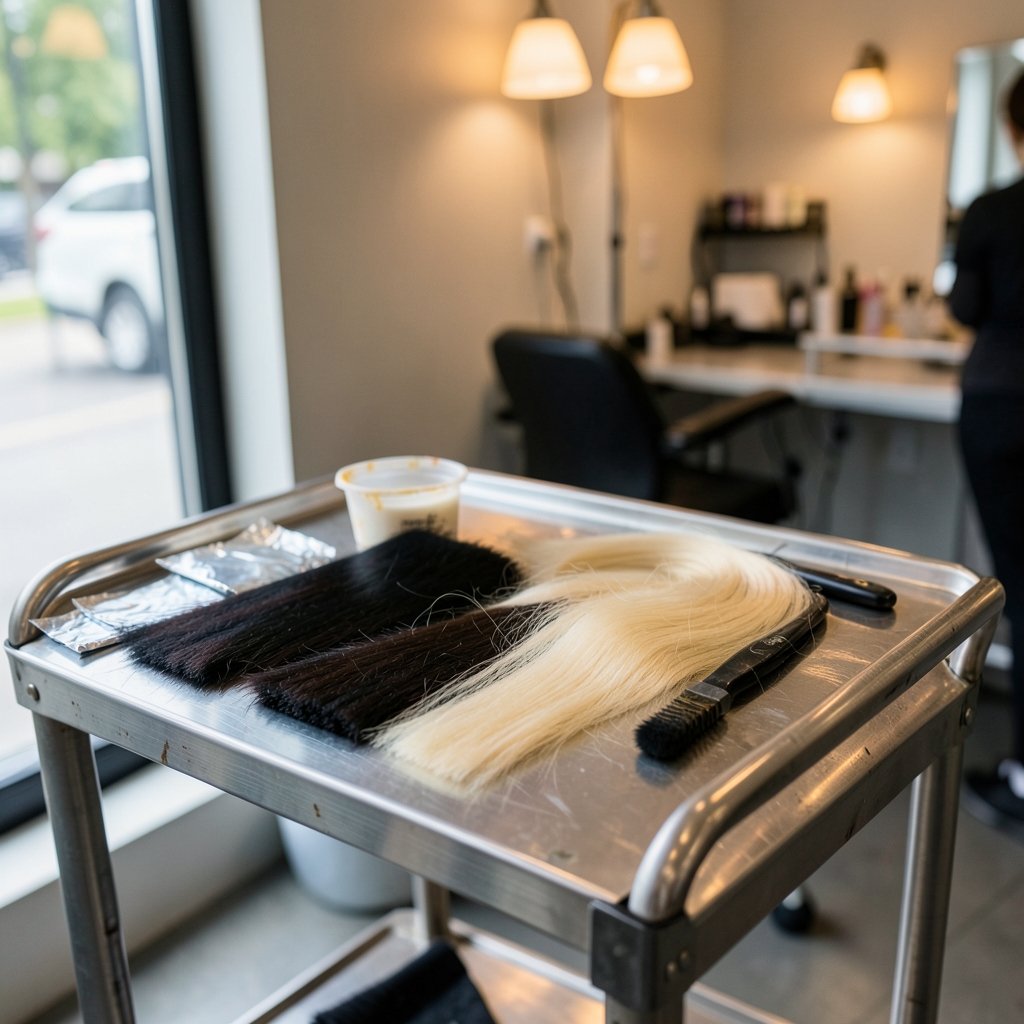
The whole point of a money piece is contrast. On black, dark brown, or deep auburn hair, the difference between the lightened front sections and the dark base is enormous, so the effect reads instantly. On light blonde hair, the same technique barely registers unless the stylist goes noticeably lighter or warmer than the base.
That contrast is also why money pieces photograph so well. The bright front pieces catch light and draw attention to the face, which is why the look dominates short-form video and salon portfolios. It’s a styling convention rather than a documented standard, but the logic is hard to argue with: the darker the base, the more a money piece pops.
There’s a practical benefit too. Because only a small section is lightened, a money piece costs less and takes less time than full highlights, and it leaves most of the hair untouched by chemicals. For someone curious about going lighter but nervous about committing, it’s a low-stakes first step.
How the Process Works in the Chair
Lightening dark hair to a visible contrast level means breaking down melanin, the pigment that gives hair its color. That’s an oxidative process, and it alters the hair’s protein structure along the way. The exact developer strengths and timing vary by salon and aren’t standardized, so the consultation matters more than any formula you’ll read online. (Robot vacuum long human hair actually works) (Hair coloring)
A typical appointment looks roughly like this:
- Consultation. The stylist assesses your natural color, hair history, and how light you want the front pieces to go. Bring photos. Be honest about box dye, henna, or previous lightening, because old color can react unpredictably.
- Sectioning. The stylist isolates the front sections, usually a slim vertical slice on each side of the face, and decides on width and placement.
- Lightening. Powder lightener and developer go on the isolated sections, often in foils to keep them separate from the dark base and to hold warmth in.
- Processing and checking. The stylist watches the lift closely, because dark hair can pull warm or orange as it lightens and may need toning afterward.
- Toning and finishing. A toner adjusts the final shade, then the hair is rinsed, conditioned, and styled.
The whole visit is usually shorter than a full highlight appointment, but it isn’t a quick trim. Expect to spend real time in the chair, especially the first time, when the stylist is lifting virgin dark hair several levels.
Maintenance: The Honest Truth
This is where money pieces earn their reputation for being high-effort. Because the lightened pieces sit right at the hairline, root regrowth shows quickly. A widely repeated salon rule of thumb puts touch-ups at every four to eight weeks, though that’s folklore rather than an official standard. People with fast-growing hair or very high contrast will notice regrowth sooner.
There are ways to stretch the time between appointments:
- Ask for a softer root. A stylist can leave a slight shadow at the root so regrowth blends instead of forming a hard line.
- Use a color-depositing mask. A toning mask in a cool or warm shade can refresh the lightened pieces between visits and buy a couple of weeks.
- Go slightly wider. A wider money piece grows out more gracefully than a razor-thin strip, because there’s more lightened hair to hide the line.
- Plan around events. If you have a wedding or a big trip, time the appointment so the freshest version lands when you need it.
The cost adds up over a year. A money piece is cheaper per visit than full highlights, but the frequency can close the gap. If you’re weighing beauty spending against other priorities, it helps to think about total annual cost rather than the price of a single appointment, the same way you’d budget for any recurring expense.
Damage Risk and Safety
Lightening dark hair to a strong contrast level usually requires significant lift, and significant lift means stress on the hair. Bleaching alters the hair’s protein structure and reduces its tensile strength, which can show up as dryness, split ends, and breakage, especially at the fragile front hairline. (Hair Dyes (FDA))
A few practical guardrails help:
- Don’t stack lightening sessions. If the first round didn’t get light enough, wait. Going back over freshly bleached hair too soon is a common route to breakage.
- Be honest about hair history. Box dye, henna, and prior bleach change how hair responds, and a stylist can’t make good decisions without that information.
- Ask about patch testing. Many regulators and dermatology bodies advise patch tests before hair dye or lightener use because of allergic contact dermatitis risk, notably to paraphenylenediamine in oxidative dyes. Ask your stylist about consumer safety guidance on hair dyes, which is worth reading before a first appointment.
- Invest in aftercare. Bond-building treatments, gentle shampoo, and heat protection aren’t marketing fluff when hair has been lightened. They’re the difference between pieces that stay smooth and pieces that fray.
If your scalp stings, burns, or swells during processing, say so immediately. Discomfort is not a normal part of the process, and a good stylist will stop.
Common Mistakes People Make
Most money piece disappointments trace back to a handful of avoidable errors.
Bringing photos of hair that isn’t yours. A reference shot of someone with a different base color, texture, or face shape will produce a different result. Use photos as a starting point for a conversation, not a promise.
Skipping the toner conversation. Dark hair often lifts warm. If you want an ashy or cool money piece, ask how the stylist plans to tone it, and how long that tone will last.
Going too thin. A very narrow strip looks striking in the chair and harsh three weeks later when it grows out. Slightly wider sections age better.
Ignoring the rest of the hair. A money piece is a frame, and frames look best when the picture inside is in good shape. Regular trims and conditioning keep the contrast looking intentional rather than neglected.
Treating it as a one-time purchase. This is a commitment, not a haircut. Budget for touch-ups before you book the first appointment.
There’s a broader lesson here that shows up in plenty of consumer decisions: the headline offer is rarely the whole cost. With hair, the equivalent is underestimating maintenance and then either living with grown-out roots or paying for emergency corrections.
Money Piece vs. Other Face-Framing Options
If you’re drawn to the look but unsure it’s the right fit, a quick comparison helps.
| Option | Contrast on dark hair | Maintenance | Damage risk | Best for |
|---|---|---|---|---|
| Money piece | Very high | High (every 4–8 weeks) | Moderate to high | Bold, low-commitment color change |
| Face-framing highlights | Medium to high | Medium | Moderate | A softer, blended frame |
| Balayage | Medium | Low to medium | Moderate | Grown-out, sun-kissed looks |
| Full highlights | High overall | High | Higher (more hair treated) | All-over lightness |
| Gloss or toner only | Low | Low | Low | Subtle shine, no lift |
The table makes the trade-off clear: the money piece wins on impact and loses on upkeep. If you want the look without the regrowth treadmill, ask for a softer, blended version with a shadow root, or consider a gloss that adds tone without lightening.
Styling a Money Piece Day to Day
Once the color is in, styling decides how good it looks. A few habits make a real difference.
Part it deliberately. The money piece is designed to be seen. A middle or deep side part that pushes the lightened sections forward shows them off; a style that tucks them behind the ears hides the whole point.
Keep the front smooth. The lightened pieces are the most porous part of your hair, so they frizz first. A light oil or serum on damp hair, plus a round brush or a quick pass with a flat iron on low heat, keeps them sleek.
Use cool-toned products sparingly. Purple or blue toning shampoos can neutralize unwanted warmth, but overuse on a small section can turn it ashy or dull. Once a week is usually plenty.
Protect from heat and sun. Lightened hair is more vulnerable to UV and heat damage. Heat protectant and a hat on bright days are cheap insurance.
Conclusion
A money piece on dark hair is one of the highest-impact color changes you can make for the least amount of treated hair. The contrast is the whole trick, and dark bases deliver it better than anything else. But the style rewards people who plan: it needs regular touch-ups, careful aftercare, and an honest conversation about hair history before anyone mixes lightener.
If you go in knowing the maintenance schedule, the damage risk, and the difference between a money piece and softer face-framing highlights, you’re far more likely to leave the salon with the look you actually wanted, and to still like it two months later. Bring photos, ask questions, and treat the first appointment as the start of a routine rather than a one-off splurge.
Frequently Asked Questions
How much does a money piece cost?
Prices vary widely by city and salon, and there’s no standard rate. Because only a small section is lightened, a money piece usually costs less than full highlights at the same salon, but the frequent touch-ups mean the annual total can be similar. Ask for the price of both the first appointment and each maintenance visit before you book.
Can I get a money piece on natural black hair?
Yes, but it takes real lifting, and that means more processing time and more damage risk. A stylist will typically need to lift several levels to create visible contrast, and the hair may pull warm along the way, requiring toning. A consultation is essential, and a patch test is wise before any lightener or dye.
How often do money pieces need touching up?
A common salon rule of thumb is every four to eight weeks, though this isn’t an official standard. Regrowth shows faster on high-contrast looks and on people whose hair grows quickly. Asking for a softer root or a shadow root can stretch the interval.
Will a money piece damage my hair?
Any lightening carries some risk, because bleaching alters the hair’s protein structure and reduces tensile strength. A narrow money piece treats far less hair than full highlights, which limits the exposure, but the front hairline is fragile. Aftercare, honest communication about hair history, and not stacking sessions too close together all reduce the risk.
What’s the difference between a money piece and face-framing highlights?
The terms overlap, and there’s no standardized definition. A money piece usually refers to a narrower, more deliberate strip of lightened hair right at the front hairline, while face-framing highlights tend to blend more gradually into the surrounding color. Show your stylist photos rather than relying on the labels.
Can I do a money piece at home?
It’s possible, but it’s one of the riskier DIY color projects. The front sections are the most visible part of your hair, dark bases often lift unevenly, and correcting a bad result costs more than the original salon visit. If you want to try it, start with a professional appointment and learn the maintenance routine first.



