
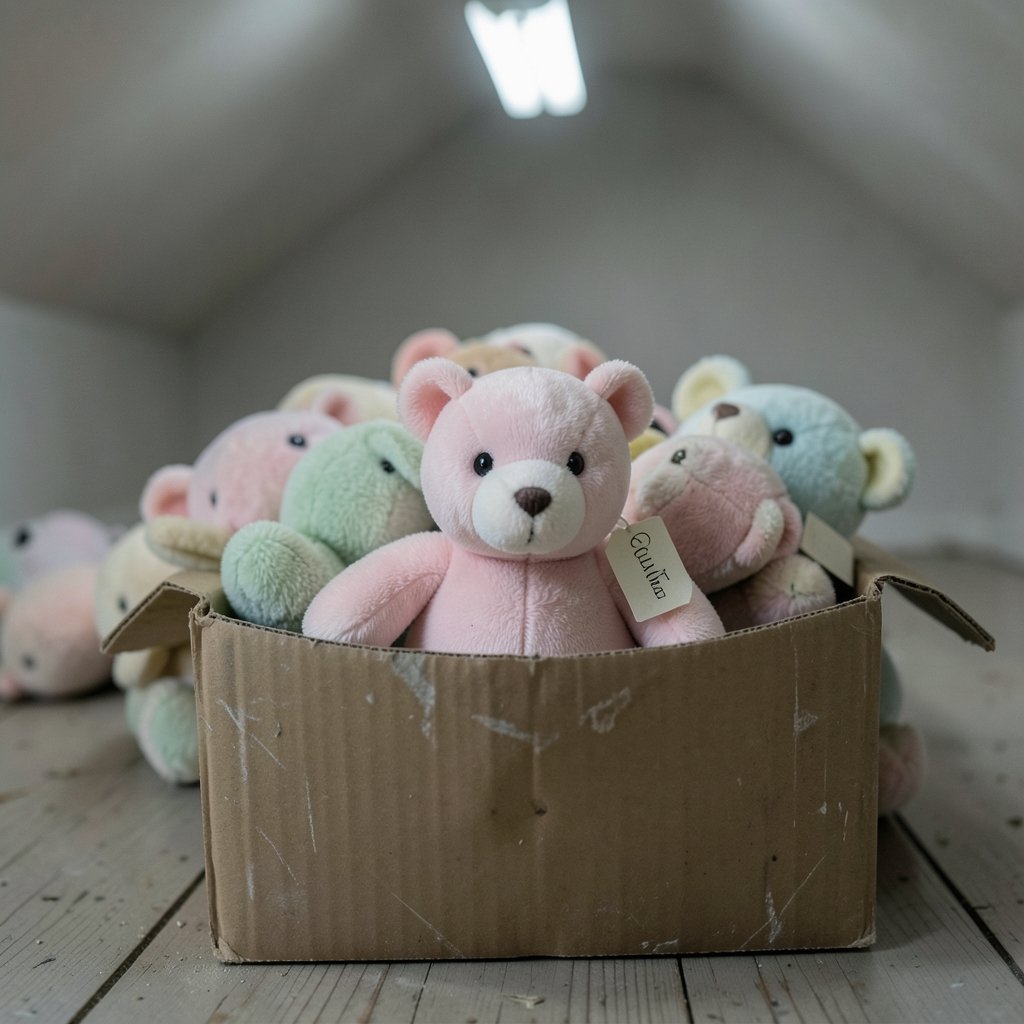
Can a small plush toy stuffed with plastic pellets really pay off a credit card? That’s the question thousands of people ask every week while staring at a dusty bin of Beanie Babies in the attic. The short answer: a handful of specific pieces can still fetch real money, but the vast majority of the collection is worth a few dollars at most. Understanding why requires a trip through one of the strangest speculative bubbles in modern collecting history.
The Retirement Trick That Started Everything
Beanie Babies launched in 1993 from Ty Inc., the company founded by Ty Warner in 1986. The toys were inexpensive, soft, and aimed at kids. Then Ty did something clever: it began retiring designs, permanently stopping production of certain characters. Retirement created artificial scarcity. Collectors reasoned that a retired bear must be rare, so they bought multiples, sealed them in plastic cases, and waited for prices to climb.
The logic had a flaw. Ty retired designs, but it had already produced enormous quantities of them. Retirement reduced future supply, not existing supply. Millions of Beanies were already sitting in stores and warehouses. Still, the psychology worked, and by 1998 and 1999 the secondary market had turned into a full-blown mania. Media reports described individual bears selling for hundreds or even thousands of dollars. The history of Beanie Babies and the retirement practice that drove collector demand explains how a children’s toy became a speculative asset.
Why Most “Rare” Beanies Are Worth Almost Nothing
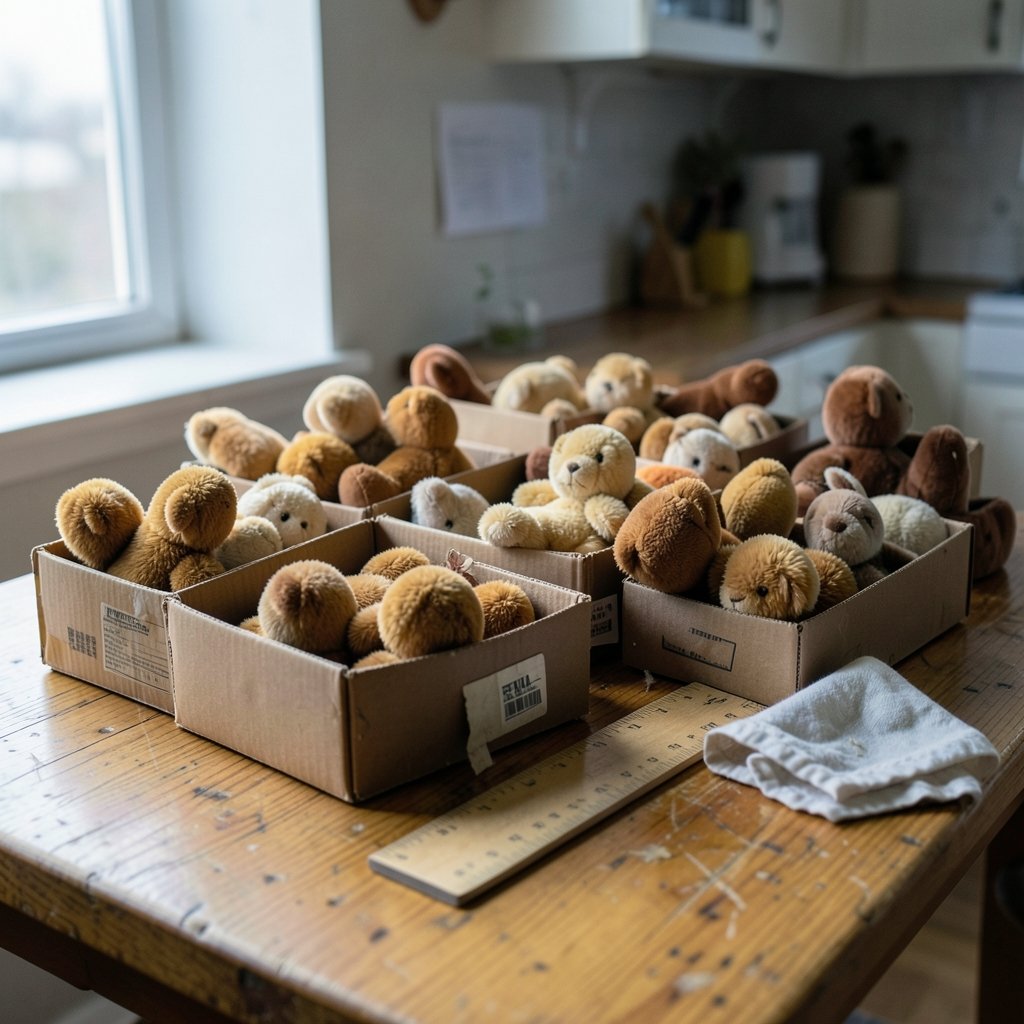
The crash came fast. Once buyers realized supply was huge and demand was driven by hype rather than lasting interest, prices collapsed. Most pieces that people believed were rare turned out to be common. That’s the single most important fact for anyone sorting a collection today: retired does not mean rare.
A useful mental model is the speculative bubble cycle, in which prices detach from underlying value and then collapse. Beanie Babies followed that pattern almost exactly. Peak-era price guides quoted figures that assumed buyers would keep paying more. When the buyers stopped, the quoted prices became fiction.
So what does that mean in practice? A standard-issue Beanie in played-with condition is often worth less than the shipping cost to sell it. Even mint-in-box pieces from high-production runs typically sell for a few dollars. The gap between what a price guide claims and what a buyer will actually pay is where most disappointment lives.
What Genuinely Sells for Money
A small number of pieces still attract serious collector money. They fall into a few categories: (Advertising FAQs: A Guide for Small Business)
| Category | Why it matters | Realistic price range |
|---|---|---|
| Production anomalies | Colors, fabrics, or features that differ from the standard release | Tens to low hundreds of dollars |
| Very low production runs | Designs made in small quantities before retirement | Varies widely; verify with sold listings |
| Tag errors | Misspellings or wrong tag generations on otherwise normal pieces | Small premiums, sometimes larger for specific errors |
| Early tag generations | First-generation and early hang tags in perfect condition | Premium over later tags |
| Sealed, pristine examples | Original packaging, no wear, no fading, intact tags | Higher than loose equivalents |
Specific examples collectors still discuss include certain Peanut the elephant color variants, including a royal-blue version, and pieces with unusual tag combinations. Treat any list of “the 10 most valuable Beanie Babies” with suspicion, though. Which variants command premiums shifts with collector demand, and many online lists recycle peak-era figures that no buyer pays today.
The honest framing is this: a genuinely valuable Beanie is usually valuable because of a documented production quirk, not because it was retired. If you can’t point to the specific quirk, assume ordinary value.
Tags Decide More Than the Toy Does
Here’s a detail that surprises casual sellers: the hang tag (the heart-shaped tag attached to the ear) and the tush tag (the fabric tag on the rear) often matter more than the plush itself. Collectors grade tag generations, starting from the earliest designs in 1993 and moving through later revisions. An intact, correctly spelled first-generation hang tag in good condition can lift a piece’s value substantially. A missing, creased, or faded tag can cut it dramatically.
Practical checks before you list anything:
- Look at both tags and photograph them clearly, front and back.
- Note the tag generation and any spelling errors.
- Check whether the hang tag is still attached with its original plastic fastener.
- Inspect the plush for fading, stains, smoke smell, or pellet clumping.
- Compare against sold listings for the exact same character, tag generation, and condition.
Common mistake number one: sellers photograph the bear but not the tags, then wonder why nobody bids. Common mistake number two: sellers assume a tag error automatically means big money. Most tag errors add a few dollars, not hundreds.
How to Check Real Value Without Getting Fooled
Price guides are not appraisals. Published guides and “what’s it worth” articles usually reflect asking prices, not confirmed sales. Asking prices are wishes. Sold prices are facts. The most reliable signal is completed-sale data: what buyers actually paid for the same item in the same condition within the last few months.
Consumer-protection agencies regularly warn about pricing claims that overstate value, and the consumer guidance on advertising and pricing claims from the Federal Trade Commission is a useful reminder that a quoted number isn’t a guarantee. If a listing site tells you your bear is worth $500, that’s marketing, not a market.
A workable valuation routine looks like this:
- Identify the character, style number, and tag generation precisely.
- Search completed sales, not active listings.
- Filter for condition matching yours, including tag status.
- Average the last several real sales and discard outliers.
- Subtract selling fees and shipping before deciding whether it’s worth the effort.
If the math leaves you with two dollars after fees, the honest answer is that the piece has sentimental value, not market value. That’s fine. Plenty of people keep one or two favorites for the memory and donate the rest.
The Scam Layer Nobody Warns You About
The 1990s mania bred counterfeits, mislabeled pieces, and inflated claims, and that legacy persists. Today’s risks include sellers who list common Beanies with fabricated “rare” backstories, buyers who demand refunds after discovering a piece is ordinary, and middlemen who offer to “appraise” a collection for a fee and then lowball an offer.
The pattern mirrors other consumer traps where pressure and urgency do the work. Learning how gift card scams work and why victims rarely recover their money is a useful primer on the psychology scammers rely on, because the same urgency tactics show up in collectible sales. If someone wants payment before you’ve verified anything, walk away.
A few practical safeguards: never pay an upfront appraisal fee, never ship before payment clears, and always use a platform with buyer protection. Collector communities and identification databases are genuinely useful for cross-checking variants and tag details, though reliability varies by community, so confirm claims against sold data.
Is Collecting Still Worth It as a Hobby?
As an investment, no. As a hobby, absolutely, provided you go in with clear eyes. The people who still enjoy Beanie Babies tend to collect for affection, nostalgia, or the thrill of spotting an unusual variant at a flea market. They buy what they like and treat any resale value as a bonus.
There’s a broader lesson here about buying things as investments. The same reasoning applies to subscription services people justify as “worth it” and later regret. If you’re weighing recurring costs against real use, a breakdown of whether Xbox Game Pass is actually worth the money in 2025 shows how to run that math honestly. The principle transfers: value comes from use and verified demand, not from hype.
For collectors, the healthiest approach is to set a small budget, buy only pieces you genuinely like, and store them properly. Keep them out of direct sunlight, away from damp basements, and never store them in sealed bins that trap moisture. A $5 bear kept in good condition stays a $5 bear, but it stays a nice one.
What to Do With a Inherited Collection
Inherited collections are the most common scenario. Someone’s parent spent years collecting, the bins arrive, and the family assumes there’s a fortune inside. Usually there isn’t, and saying so gently matters.
Start by sorting into three piles: pieces with intact tags and unusual features, ordinary pieces in good condition, and damaged or heavily played-with items. Photograph the first pile carefully and check sold listings. Bundle the second pile into lots, because selling common Beanies individually rarely covers fees. Donate or gift the third pile.
If you’re deciding whether a purchase or a project is worth the money at all, the same discipline applies to everyday tech decisions. A look at whether ChatGPT Plus is worth it in 2026, framed as 20 practical questions, demonstrates how to test a claim against actual use instead of marketing promises. Collectors can borrow that habit: test every “valuable” claim against real sold data.
Conclusion
Beanie Babies worth money do exist, but they are the exception, not the rule. The valuable ones are defined by documented production anomalies, very low production runs, and pristine tags, not by the word “retired” on a hang tag. The 1990s bubble pushed prices far beyond what supply and demand could sustain, and the correction left most collections worth far less than their owners hope.
The practical path forward is unglamorous but reliable: identify each piece precisely, check completed sales rather than asking prices, weigh fees before selling, and keep whatever brings you joy. Treat the rest as a lesson in how hype works, and you’ll come out ahead whether or not a single bear pays off a credit card.
FAQ
Are Beanie Babies actually worth money today?
A small number are. Pieces with documented production anomalies, very low production runs, or rare early tag generations can sell for tens to low hundreds of dollars. The vast majority of retired Beanie Babies sell for a few dollars or less, because enormous quantities were produced before retirement.
Which Beanie Babies are the most valuable?
Collectors still discuss certain Peanut the elephant color variants, including a royal-blue version, along with pieces featuring unusual tag combinations or production errors. Any specific list should be treated as unverified, since which variants command premiums changes with collector demand. Always confirm against completed sales.
Does “retired” mean a Beanie Baby is rare?
No. Retirement stopped future production, but Ty had already made millions of many designs. Retirement created the appearance of scarcity, not actual scarcity. Condition, tag generation, and specific variant matter far more than retired status.
How do I find out what my Beanie Baby is worth?
Identify the character, style number, and tag generation, then search completed sales for the same item in matching condition. Active listings show asking prices, which are often inflated. Average several real sales, discard outliers, and subtract selling fees and shipping before deciding whether selling is worthwhile.
Do the tags really affect value?
Yes, often more than the plush itself. An intact, correctly spelled early-generation hang tag in good condition can raise value significantly, while a missing or damaged tag can cut it sharply. Photograph both the hang tag and the tush tag clearly when listing or appraising a piece.
Are there scams in the Beanie Baby market?
Yes. Common risks include fabricated “rare” backstories on ordinary pieces, upfront appraisal fees, and pressure to pay before verification. Never pay an appraisal fee in advance, use platforms with buyer protection, and cross-check every claimed value against real sold data before agreeing to anything.



