

What do you do when you need to pay someone who won’t take cash, won’t take a card, and won’t take a personal check? That awkward gap is exactly where a Chase money order comes in. It’s a small, old-fashioned tool that still solves a very modern problem, and it comes with rules most people don’t learn until they’re standing at a teller window.
This guide walks through what a Chase money order actually is, how the purchase works in practice, what it costs, where it fails, and how to avoid the mistakes that trip up first-time buyers. Fees and policies change, so treat every number here as a starting point to confirm at the branch or on Chase’s official fee schedule before you rely on it. (Z wave inclusion vs exclusion order matters every device)
What Is a Chase Money Order?
A money order is a prepaid payment instrument. You hand over cash (or a cash equivalent) plus a fee, and the issuer prints a document payable to a named person or business for a fixed amount. Because the money is already collected, the payee doesn’t have to worry about whether funds exist. That’s the whole appeal.
A Chase money order is simply one issued through JPMorgan Chase bank branches. Chase doesn’t sell them online. You buy them in person, and availability can vary by branch and by whether you’re a customer. Historically, Chase has issued money orders at branch counters, but banks periodically retire branch services, so it’s worth a phone call before you drive across town.
Money orders sit in a strange middle ground between cash and a check. They’re safer to mail than cash because they’re payable to a specific name and can be stopped if lost. But they don’t carry the consumer protections of a credit card, and they aren’t instant. Understanding that middle ground is the key to using them well.
How to Buy a Chase Money Order at a Branch
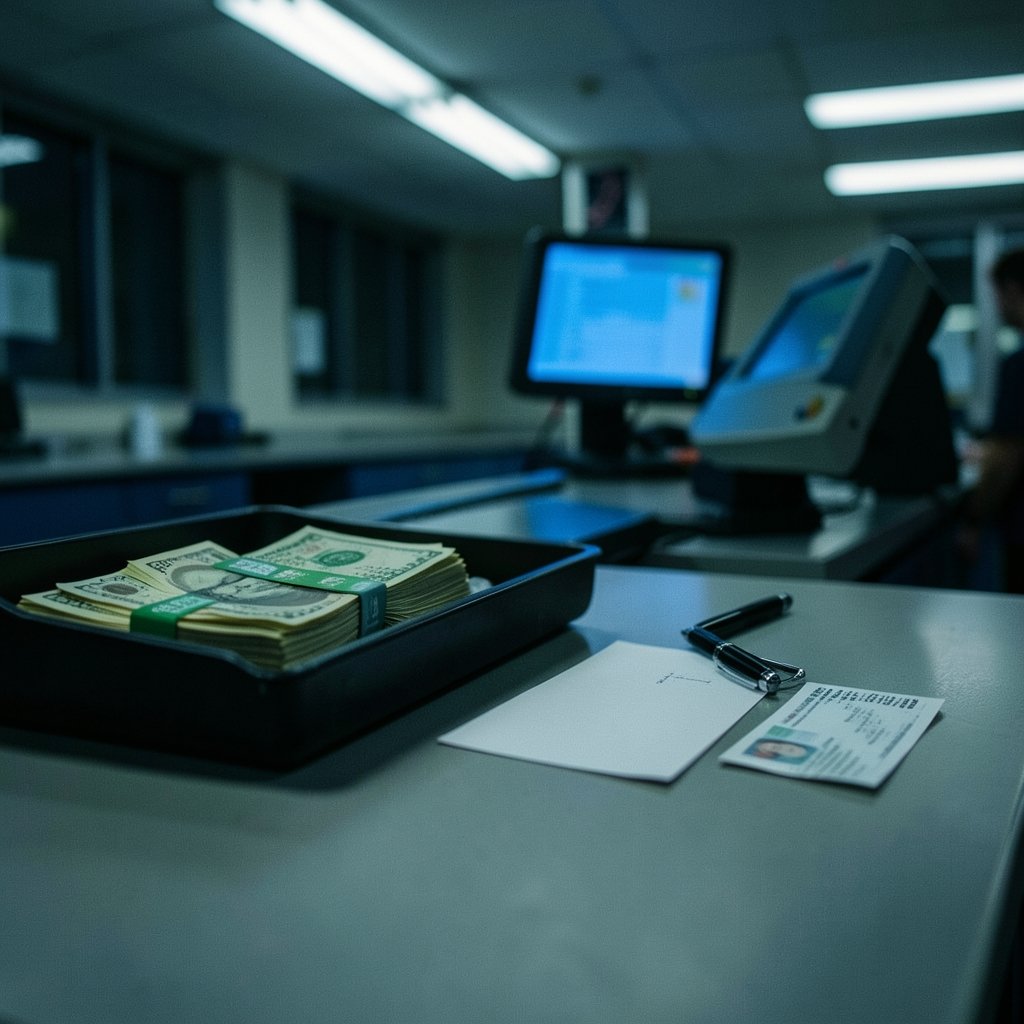
The process is short, but the details matter. Here’s what actually happens, step by step.
- Confirm the branch issues money orders. Call ahead or check Chase’s site. Not every location handles every service, and hours for money orders can differ from general banking hours.
- Bring the exact payee name. You’ll need the full legal name of the person or business receiving the money. Nicknames and vague descriptions cause problems later.
- Bring identification. Expect to show a government-issued ID. Some transactions trigger extra recordkeeping under federal rules.
- Pay with cash or an approved funding source. Many issuers accept cash, debit cards, or sometimes a linked account. Confirm what your branch accepts before you arrive.
- Pay the fee on top of the amount. The fee is separate from the money order’s face value. A $200 money order plus a fee means you hand over more than $200.
- Check the printed details before you leave. Verify the payee name, the amount in both figures and words, and the date. Corrections are much harder after you walk out.
- Keep the receipt and the stub. The receipt is your proof of purchase. The stub is often what you need to request a refund or replacement if the money order is lost.
A common mistake: people fill out the payee name themselves and make a mess of it. Ask the teller to print it if possible, or write slowly and legibly. A money order with a scratched-out or altered payee name can be refused by the depositing bank.
What Does a Chase Money Order Cost?
Chase has historically charged a per-order fee in the range of a few dollars, plus separate charges for things like stop payments and replacements. The exact figure changes, and it can differ for customers versus non-customers. Do not budget from a blog post, including this one. Confirm the current fee on Chase’s official fee schedule or ask at the counter.
The bigger cost isn’t the fee. It’s the friction. Compare the options honestly:
| Payment method | Typical cost | Speed | Consumer protection |
|---|---|---|---|
| Chase money order | Per-order fee plus possible replacement fees | Immediate to mail, days to clear | Limited; stop-payment process required |
| Cashier’s check | Usually higher fee | Immediate | Stronger bank-backed guarantee |
| Personal check | Often free | Days to clear | Moderate, with dispute options |
| Debit or credit card | No direct fee to sender | Instant | Strongest, including chargeback rights |
| Digital transfer apps | Often free or low fee | Near instant | Varies widely by platform |
The pattern is clear. Money orders win on accessibility for people without a bank account or a card. They lose on protection and convenience. If you have a card and the payee accepts it, the card is almost always the better tool.
Chase Money Order Limits and Amount Caps
Money orders generally carry a per-item maximum, commonly up to $1,000 at many issuers. Chase’s specific limit should be confirmed directly, because stating a number that’s out of date helps nobody. If you need to send more than the cap, you’ll typically buy multiple money orders, which multiplies the fees.
There’s a second layer of limits most people never think about: federal recordkeeping. Money orders count as monetary instruments under the Bank Secrecy Act, and cash purchases of monetary instruments in the $3,000 to $10,000 range can trigger log requirements, while cash transactions above $10,000 generally require a Currency Transaction Report. This is why a teller may ask extra questions or request identification for larger purchases. It isn’t personal. It’s compliance.
If you’re moving serious money, a money order is the wrong instrument anyway. A cashier’s check or a bank wire is built for larger amounts and comes with a clearer paper trail. Money orders are for small, specific, named payments.
Cashing and Depositing a Chase Money Order
Where you cash a money order changes your experience dramatically.
At a Chase branch, a Chase-issued money order can typically be deposited or cashed, though non-customers may face restrictions or fees. At another bank, the teller may refuse it outright or charge a fee, because that bank has no relationship with the issuer and has to verify the item. At a check-cashing store, expect a percentage fee that can eat a noticeable chunk of a small money order.
For the recipient, the safest path is usually depositing into a bank account rather than cashing. Deposits create a record. Cash in hand creates an argument if something goes wrong.
One practical tip: don’t sign a money order over to someone else. Endorsing a money order to a third party is where fraud and refusal problems multiply. Buy a new one for the correct payee instead.
Lost, Stolen, or Never Arrived: What Happens Next
This is where money orders show their weak side. They are not covered by the same error-resolution and chargeback protections as credit and debit cards. If a money order is lost or stolen, you generally need to file a stop-payment request, pay a fee, and wait through a processing period before a refund or replacement is issued. That waiting period can run weeks.
Keep three things: the receipt, the stub, and a record of when you mailed it and to whom. Without proof of purchase, the process gets much harder. If you bought a money order and the payee says it never arrived, contact the issuer promptly rather than waiting to see if it turns up.
The other failure mode is fraud. Fake money orders are a staple of overpayment scams, where a buyer “accidentally” sends too much and asks for the difference back before the fake instrument bounces. The gift card scam playbook follows the same logic, and the lesson transfers directly: once you send money to a stranger based on a story, recovery is rare. The mechanics of why victims rarely get their money back are worth understanding before you’re in that position. (Money transfers and remittances)
Money Order Scams to Watch For
Money orders feel official, which is exactly why scammers lean on them. A few patterns repeat constantly.
- The overpayment scam. Someone sends a money order for more than the agreed price and asks you to wire back the difference. The money order is counterfeit. Your wire is real.
- The fake employer. A “job” sends a money order for equipment or supplies and asks you to forward part of it. Same trap.
- The rental deposit. A landlord or fake agent asks for a money order deposit before you’ve seen the property.
- The urgent bill. A caller claims you owe money immediately and demands a money order. Real agencies rarely operate this way.
The rule that protects you: never send money back to someone who sent you a money order, and never accept a money order from a stranger as payment for goods you’re shipping. Wait for it to clear through your own bank before releasing anything of value. If a deal depends on speed and secrecy, it’s not a deal.
Who Actually Needs a Money Order?
Money orders remain genuinely useful for a specific set of people and situations. They’re a lifeline for the unbanked, who can pay rent or utilities without a checking account. They work for small payments where a merchant won’t take a personal check. They’re a reasonable way to send a modest amount through the mail to a named recipient.
They’re a poor choice for large sums, for anything urgent, for international transfers, or for paying someone you don’t know and can’t verify. If you’re weighing bigger financial decisions, it helps to understand how digital money is changing, including the shift toward central bank digital currencies and what that means for everyday payments.
Cost awareness matters across the board. The same discipline that makes you check a money order fee applies to bigger purchases, whether you’re comparing wedding venue costs or figuring out where identity protection spending actually goes. (Identity threat detection really costs where money goes)
Practical Tips That Save Trouble
A few habits separate a smooth money order transaction from a headache.
Buy during quiet branch hours. Mid-morning on a weekday beats a Saturday queue when the teller is rushed. Bring the payee’s name written down exactly, including any business suffix. Ask the teller to print the payee if the branch allows it. Photograph the completed money order and receipt with your phone before mailing. Send it with tracking if the amount matters to you. And always ask for the current fee in writing or check the fee schedule yourself rather than trusting memory.
One more: don’t buy a money order until you’ve confirmed the payee will accept one. Some landlords, agencies, and online merchants refuse them outright. Discovering that after you’ve paid the fee is a small but annoying waste.
Conclusion
A Chase money order is a simple, useful tool with sharp edges. It solves the problem of paying a named person when cash is too risky and a card isn’t accepted. It costs a small fee, requires an in-person visit, and comes with limited protection if something goes wrong. Buy one for the right reasons, at a modest amount, with the payee name printed correctly, and it does its job quietly. Use it for large sums or with strangers, and you’re borrowing trouble. Confirm current fees and limits with Chase before you go, keep your receipt, and treat any deal that demands speed and a money order as a warning sign rather than an errand.
Frequently Asked Questions
Can you buy a Chase money order online?
No. Money orders are generally purchased in person at a branch, not through Chase’s website or app. Availability varies by location, so call ahead to confirm the branch issues them and check its hours for money order service.
How much does a Chase money order cost?
Chase has historically charged a per-order fee in the range of a few dollars, with separate charges for stop payments and replacements. Exact pricing changes and can differ for customers versus non-customers, so confirm the current amount on Chase’s official fee schedule or ask at the counter before you buy.
What is the maximum amount for a Chase money order?
Money orders commonly carry a per-item cap of up to $1,000 at many issuers, but Chase’s specific limit should be confirmed directly. If you need more than the cap, you’ll usually buy multiple money orders, which multiplies the fees. For larger amounts, a cashier’s check or wire is the better instrument.
Can I cash a Chase money order at another bank?
Possibly, but don’t count on it. Another bank may refuse a money order it didn’t issue or charge a fee to cash it. A check-cashing store will usually take it for a percentage fee. The smoothest path is depositing it into your own bank account, which also creates a record.
What happens if a Chase money order is lost or stolen?
You’ll generally need to file a stop-payment request, pay a fee, and wait through a processing period, which can run several weeks, before a refund or replacement is issued. Keep the receipt and stub, since proof of purchase is usually required. Money orders don’t carry the same protections as credit or debit cards.
Why do banks ask extra questions when I buy a money order with cash?
Money orders are treated as monetary instruments under federal anti-money-laundering rules. Cash purchases in certain ranges can trigger recordkeeping, and cash transactions above $10,000 generally require a Currency Transaction Report. Extra identification requests are a compliance step, not a judgment about you.



