
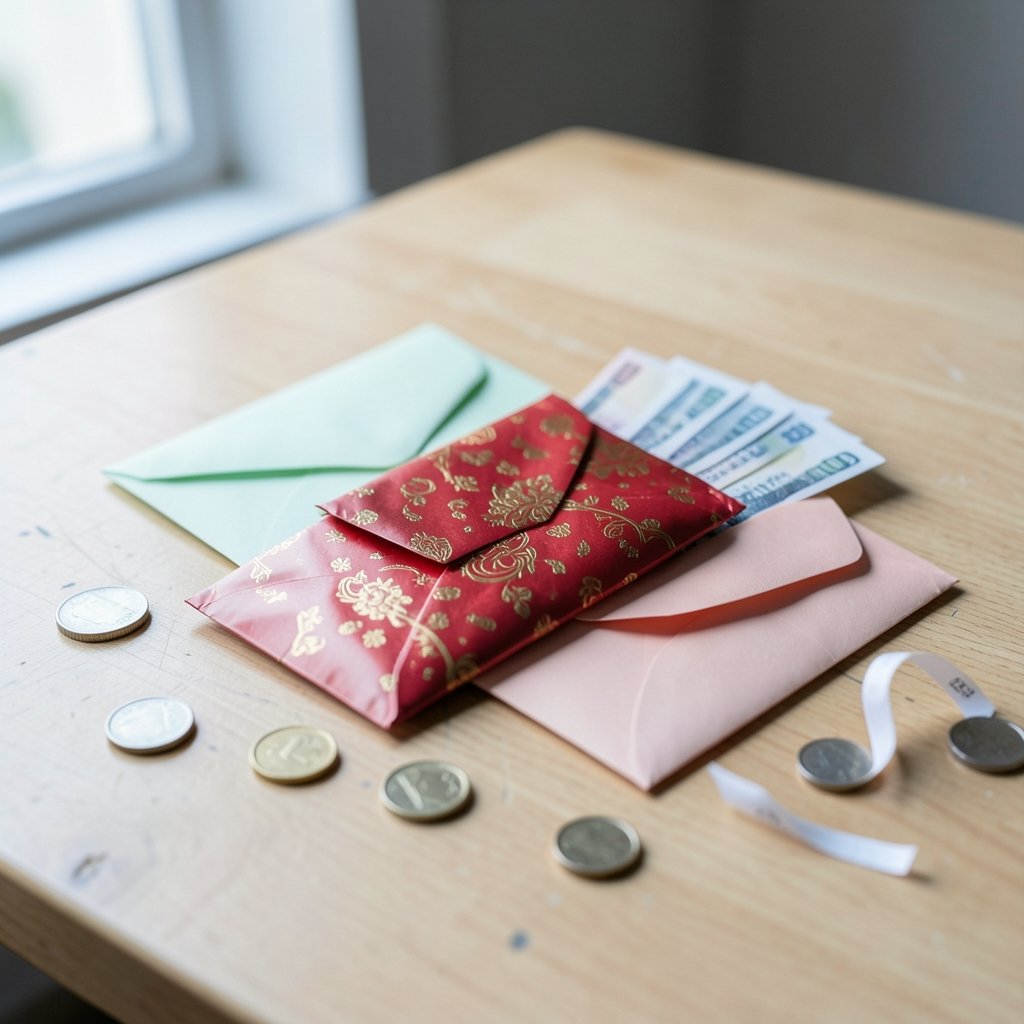
What do a Chinese wedding, a Japanese New Year, and a household budget spreadsheet have in common? Each one can involve a money envelope. The phrase covers at least three different things: a cultural gift packet stuffed with cash, a paper budgeting tool for dividing up spending, and, increasingly, a hook that scammers use to separate people from their savings. Mixing them up leads to awkward gifts, broken budgets, and occasionally real financial loss. This guide sorts out what each type of money envelope actually is, where the customs come from, and how to use the concept without getting burned. (Gift card scam works victims rarely get their money back) (Frequently asked questions on gift taxes)
What Is a Money Envelope, Exactly?
A money envelope is simply a paper packet used to hold and present cash. That plain definition hides a lot of variety. In Chinese communities, the red envelope, or hongbao, is a formal gift tied to Lunar New Year, weddings, births, and birthdays. In Japan, children receive otoshidama in decorated envelopes at New Year. In Korea, sebaetdon serves the same purpose during Seollal. In Western countries, “money envelope” usually just means a greeting-card-style sleeve with a slot for bills, sold at stationery shops for graduations and holidays.
Then there is envelope budgeting, which is a completely separate personal-finance method. Here the envelope is a tool for controlling spending, not for giving gifts. Same object, entirely different job.
The Red Envelope: China’s Cash Gift Tradition
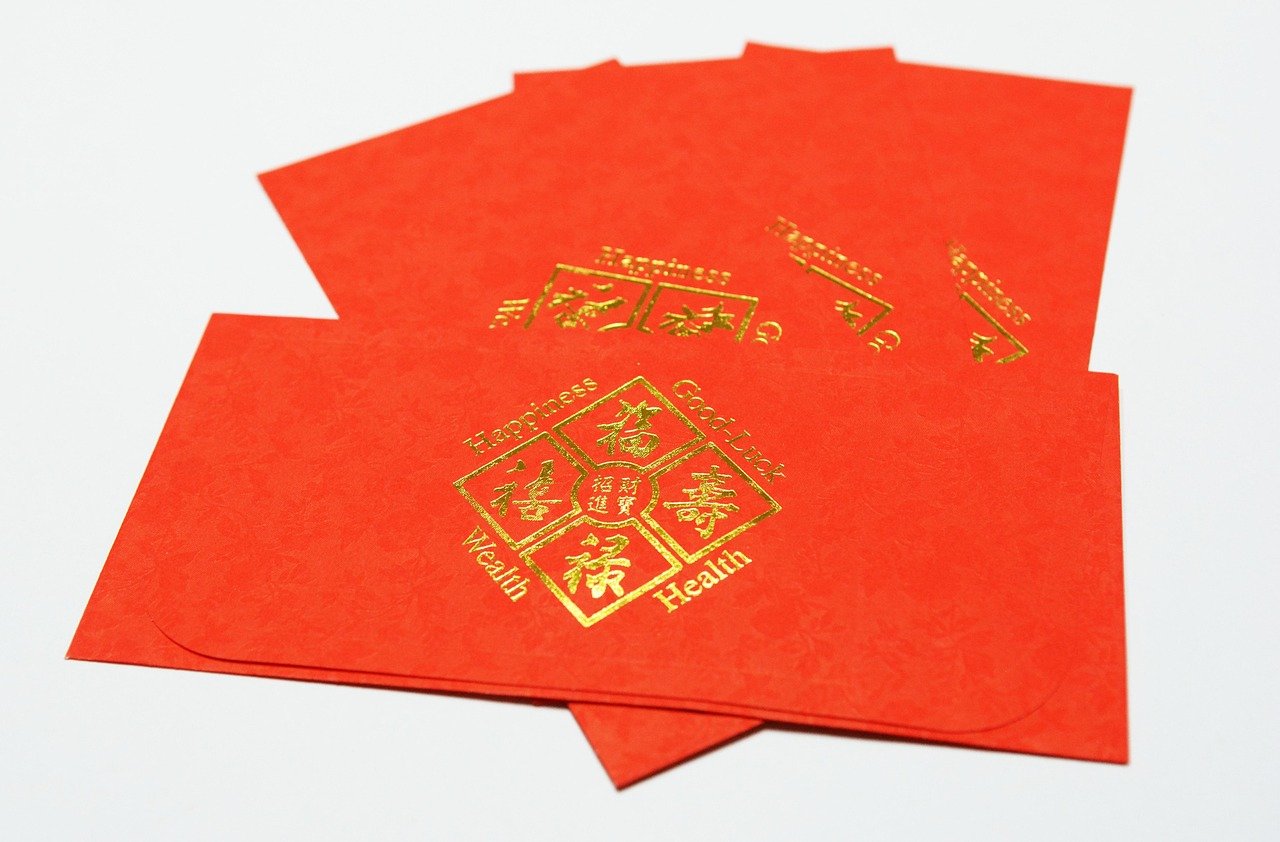
The red envelope is the best-known money envelope in the world, and red carries a simple meaning: good fortune. The custom is centuries old, but its exact origin is folklore rather than documented history, so be skeptical of any article that pins it to a specific year.
Amounts matter as much as the packet. In Chinese communities, even numbers are generally preferred, 8 is considered lucky, and 4 is avoided because it sounds like the word for death. This is widely reported custom rather than a codified rule, which means practices vary by family and region. If you are ever unsure what to put inside, asking your host or a family member is far safer than guessing.
When the Envelope Went Digital
Digital red envelopes became a mass phenomenon in 2014, when WeChat introduced red-packet transfers tied to the Spring Festival. The 2015 Spring Festival campaign reportedly involved billions of packets. Exact counts vary widely by source and year, so treat any specific figure with caution unless it comes from a primary source.
The digital version changed the social math. A physical hongbao is handed over in person, often with a small bow or a few polite refusals. A digital packet arrives in a group chat and can be claimed by whoever taps fastest. That speed is part of the fun, and it is also part of the risk. Money that moves through a chat app can be intercepted by impostors, which is one reason the broader gift card scam problem keeps growing: once value is transferred, recovery is rare. The mechanics differ, but the lesson is the same. Treat any request to send value through a chat thread as a reason to slow down.
Money Envelopes Across Asia
The red envelope is not the only version of this tradition, and each culture has its own etiquette.
| Country or community | Name | Typical occasion | Notes |
|---|---|---|---|
| China and Chinese communities | Hongbao (red envelope) | Lunar New Year, weddings, births, birthdays | Red for luck; even amounts; 8 favored, 4 avoided |
| Japan | Otoshidama | New Year | Given to children in decorated envelopes; small pochibukuro used for gifts |
| Korea | Sebaetdon | Seollal (Korean New Year) | Given to children, often after the traditional bow |
| South Asian Muslim communities | Salāmī, Eidi | Weddings, Eid | Terminology varies by region |
| Western countries | Money envelope or cash card | Weddings, graduations, holidays | Stationery product, not a cultural institution |
The Japanese custom is a good example of how practical details carry meaning. The pochibukuro is a small decorative envelope designed specifically for gifts of money, and using the right one signals respect. Handing over loose bills in an ordinary white envelope sends a different message entirely.
In South Asian and Middle Eastern traditions, cash gifts at weddings and at Eid are commonly handed over in envelopes, but the terminology is regional and not standardized. Salāmī and Eidi are not interchangeable across every community, so verify before generalizing.
Envelope Budgeting: The Same Object, a Different Job
Here is where the confusion really sets in. Envelope budgeting has nothing to do with gifts. The method is simple: divide your cash into labeled envelopes by spending category, such as groceries, transport, and entertainment. When an envelope is empty, that category is done for the month. The physical constraint does what willpower often cannot.
The envelope system has been in use for decades and appears in consumer-finance education material. It works best for people who overspend in specific categories rather than across the board. Common mistakes are worth naming:
- Too many envelopes. Twelve categories is a recipe for losing track. Four to six is plenty for most households.
- Forgetting irregular bills. Insurance, car repairs, and annual subscriptions need their own envelope or a separate sinking fund.
- Leaving the envelopes at home. If the grocery envelope stays on the kitchen counter, the system does nothing.
- Ignoring digital spending. Subscriptions and online purchases slip past cash envelopes, so pair the method with a simple digital check.
The method also has a modern cousin in automated finance. Software that sorts spending into categories does the same job with less paper, though it removes the tactile friction that makes envelopes effective for some people. If you are weighing which approach fits your habits, a practical breakdown of how to use AI business automation without wasting money shows where automation genuinely saves effort and where it just adds another dashboard to ignore.
What Money Envelopes Really Cost
Gift envelopes and budgeting envelopes both carry hidden costs worth counting.
For gift envelopes, the visible cost is the cash inside. The invisible costs are the packet itself, the expectation of reciprocity, and the social pressure to match what others give. In cultures where hongbao amounts are semi-public, a generous year can strain a budget quietly. The same dynamic shows up wherever people give money to mark an occasion.
For budgeting envelopes, the cost is mostly time. Cash must be withdrawn, sorted, and tracked. Some people find that physical handling makes spending more painful, which is the point. Others find it tedious and quit within a month.
There is a third cost that gets far less attention: the cost of getting scammed. Fraud involving gift cards, payment apps, and fake emergency requests is now a routine household expense in many countries, and the losses are rarely recovered. Understanding where the money actually goes in these schemes, as laid out in this analysis of how the gift card scam works and why victims rarely get their money back, is more useful than most budgeting advice. The same is true of digital payment fraud more broadly: knowing where identity threat detection really costs and where the money goes helps you judge whether a security product is worth its price.
Common Mistakes People Make With Gift Envelopes
Even a simple cash gift has room for error. These are the missteps that come up again and again.
- Giving an odd amount in a Chinese context. Even numbers are preferred, and 4 is avoided. When in doubt, round to a lucky number or ask.
- Using the wrong envelope. A plain white envelope at a Japanese New Year or a Chinese wedding reads as careless. Use the appropriate packet.
- Handing cash directly instead of in a packet. In many traditions, the envelope is part of the gift. Skipping it can feel abrupt.
- Assuming one custom applies everywhere. Salāmī, Eidi, hongbao, otoshidama, and sebaetdon are distinct practices with distinct rules.
- Giving more than you can afford to look generous. Reciprocity expectations are real, but so is your budget.
The practical fix is simple: ask someone who knows the specific tradition before the event. A two-minute conversation prevents an awkward moment that lasts much longer.
Digital Money and the Envelope’s Next Chapter
The envelope is adapting. Digital red packets already dominate Spring Festival in some circles, and payment apps have borrowed the visual language of envelopes for transfers. Central bank digital currencies are pushing the idea further, raising questions about whether physical cash gifts will eventually become digital tokens with the same cultural wrapper. If you want to understand the underlying shift, this explainer on CBDC digital currency and central bank money going digital covers what changes when money itself becomes a programmable record.
For most people, the practical question is simpler: does going digital make giving safer or riskier? It makes it faster, which cuts both ways. Speed helps a grandparent send New Year money to a grandchild in another country. Speed also helps a fraudster who has hijacked an account. The envelope was never just packaging. It was a signal that the money inside came from someone who cared. Digital transfers keep the money but often lose the signal, which is why a short phone call still beats a surprise payment request.
How to Choose the Right Money Envelope for the Occasion
A short decision process covers most situations.
- Identify the tradition. Is this a Chinese New Year gift, a Japanese New Year gift, a Korean Seollal gift, a wedding, or a Western graduation?
- Match the packet to the custom. Red for hongbao, a decorated envelope for otoshidama, a proper card for a Western wedding.
- Choose an amount that fits both the custom and your budget. Lucky numbers where they matter, round sensible figures where they do not.
- Decide between cash and digital. Cash suits in-person ceremonies. Digital suits distance, but confirm the recipient’s details through a second channel.
- Keep a record if you are budgeting. Gift spending belongs in your plan, whether it sits in an envelope or a spreadsheet.
That last step is where the two meanings of money envelope finally meet. A household that budgets for gifts deliberately gives better and stresses less. A household that treats gift giving as an unplanned expense ends up raiding the grocery envelope in February.
Conclusion
Money envelopes are three things at once: a living cultural tradition, a stubbornly effective budgeting tool, and an occasional vehicle for fraud. The traditions reward attention to detail, from the color of the packet to whether the number inside is lucky or unlucky. The budgeting method rewards honesty about which categories actually cause overspending. The fraud angle rewards a healthy pause before sending value to anyone who asks through a chat window. None of these requires expert knowledge. They require knowing which kind of envelope you are holding, and why.
Frequently Asked Questions
What is a money envelope used for?
It depends on the context. In Chinese, Japanese, and Korean traditions, it holds a cash gift for New Year, weddings, births, or birthdays. In Western countries, it usually holds a cash gift for a graduation, wedding, or holiday. In personal finance, an envelope holds budgeted cash for a spending category.
Why are red envelopes given in China?
Red symbolizes good fortune, and the hongbao is a formal way to give money at Lunar New Year, weddings, births, and birthdays. The custom is centuries old, though its exact origin is folklore rather than documented history.
What numbers should you avoid in a red envelope?
Four is commonly avoided because it sounds like the word for death, while eight is considered lucky. Even numbers are generally preferred. These are widely reported customs rather than codified rules, so practices vary by family and region.
What is envelope budgeting and how does it work?
Envelope budgeting divides cash into labeled envelopes by spending category. When an envelope is empty, that category is finished for the month. The physical limit does what willpower often cannot. Most households do better with four to six envelopes than with a dozen.
Are digital red envelopes safe?
They are convenient but carry risk. Digital packets move fast, and impostors can hijack accounts or pose as friends to request transfers. Confirm any unexpected request through a second channel, such as a phone call, before sending money.
How much money should go in a gift envelope?
There is no universal figure. Amounts depend on the tradition, your relationship with the recipient, and your budget. In Chinese contexts, choose an even number and avoid four. In other traditions, a round, sensible amount is fine. Never give more than you can comfortably afford.



