

Quick Answer: What can i sell to make money?
People make money selling things they already own, things they can make or source cheaply, and skills they already have. The main routes are resale and decluttering, handmade goods, digital products, and services such as freelancing or local help. (Cbdc digital currency central bank money going digital)
Services usually start fastest because there is no inventory to buy. Goods take more setup but can scale. Digital products cost little to copy but depend on an audience.
Before committing, compare startup cost, time per sale, platform fees, shipping or delivery effort, tax reporting rules, and how much competition already exists in that niche. (IRS Self-Employed Individuals Tax Center)
Why the Question Is Harder Than It Looks
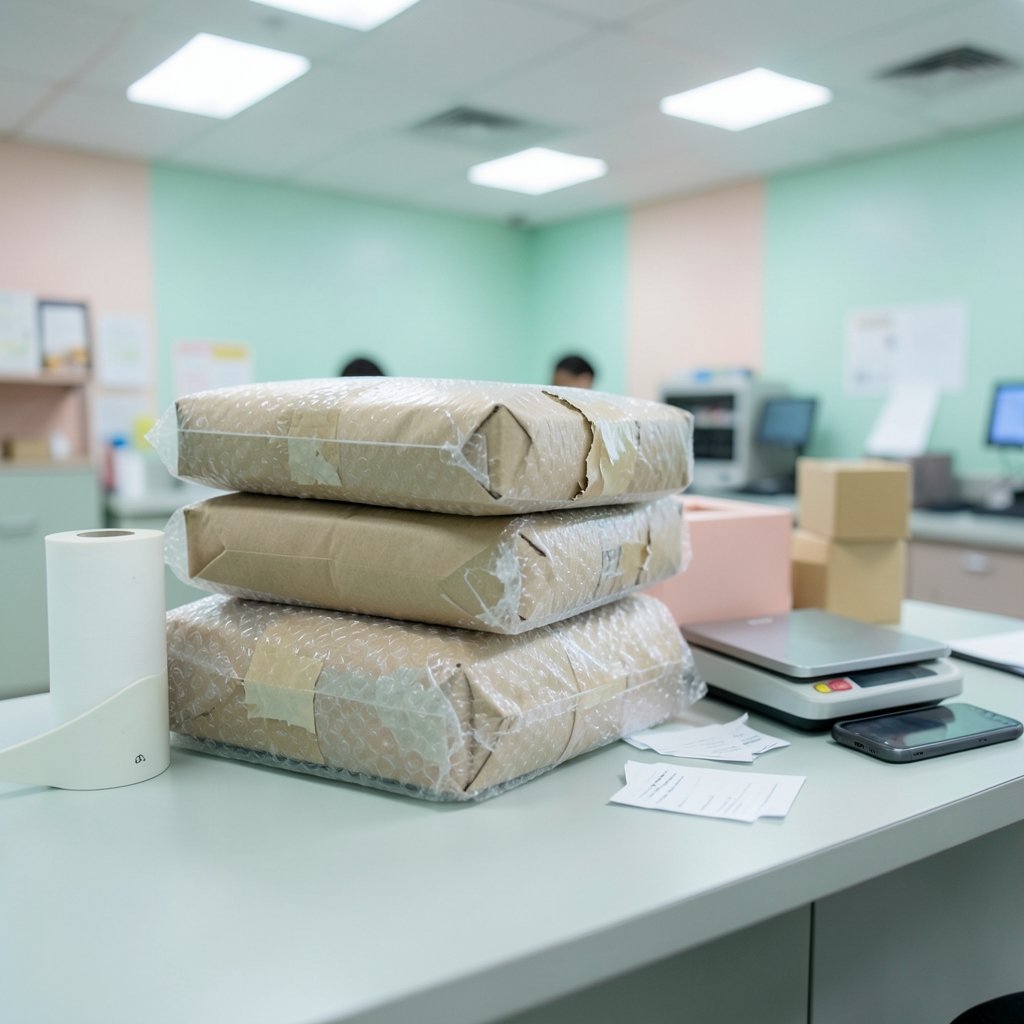
Ever notice how every “sell stuff online” video makes it sound like printing money? Then you try it and discover that shipping tape costs money, buyers ask forty questions, and the platform takes a cut. The gap between hype and reality is where most beginners get stuck.
The honest answer is that almost anything can be sold. The better question is what a specific person can sell profitably given their time, space, cash, and skills. A retired teacher with a garage full of tools and a college student with design skills should not follow the same plan. The categories below are sorted by how fast they start and how much money they need up front, so readers can match them to their own situation.
Sell What You Already Own (Fastest Start, Zero Inventory)
The first sale is often sitting in a closet. Used goods are a real retail category, and the Census Bureau tracks used merchandise stores through its Annual Retail Trade Survey, which shows how this segment is measured and how it has grown over time.
Practical approach:
- Gather everything unused for a year: tools, kitchen gadgets, bikes, game consoles, brand-name clothing.
- Photograph items in daylight against a plain background, including any flaws.
- Price by searching completed sales for the exact model, not by guessing.
- List locally first for heavy items, and on shipping platforms for small, high-value items.
Common mistakes: pricing by what was paid rather than what it sells for now, hiding damage (which triggers returns), and underestimating shipping on bulky things. A kitchen appliance that sells for thirty dollars is not worth a twenty-dollar shipping label.
Anyone selling online in the U.S. should read the FTC’s guidance on legal obligations for online sellers, which covers truth-in-advertising and refund basics. Selling a used chair is simple, but the rules still apply.
Flip and Resell Sourced Goods
Reselling means buying low and selling higher: thrift stores, estate sales, clearance racks, and liquidation lots. It works because the reseller does the sorting work others don’t want to do. (Reseller)
| Resale niche | Typical buy source | Main risk |
|---|---|---|
| Brand-name clothing | Thrift and consignment | Slow sales, style shifts |
| Vintage home decor | Estate sales | Damage, hard shipping |
| Tools and hardware | Garage sales | Heavy shipping costs |
| Books and media | Library sales | Very thin margins |
| Small electronics | Clearance and lots | Testing and returns |
What actually works in practice is picking one niche and learning it deeply. Generalists compete on price; specialists recognize value. The people who quit usually buy too much inventory in month one. A better rule: reinvest profits only, and track every purchase in a simple spreadsheet so the “profit” isn’t imaginary.
There is also a security angle many flippers ignore. Scam buyers target new sellers with fake payment confirmations and overpayment tricks. Learning how a gift card scam works and why victims rarely get their money back is a cheap education in spotting bad buyers before shipping anything.
Handmade and Crafted Goods
Crafts sell well when they solve a specific problem or fit a clear identity: custom pet portraits, engraved gifts, small-batch candles, repaired and upcycled furniture. The advantage is differentiation. The disadvantage is that labor is the main cost, and hand-making does not scale without raising prices or hiring help.
Most individual craft sellers operate as sole proprietors, and the SBA’s explanation of how to choose a business structure lays out the difference between that and an LLC in plain terms. A sole proprietorship is the default and the simplest; an LLC adds separation and paperwork.
Practical tips that separate hobby sellers from earners:
- Price materials, labor at a real hourly rate, and platform fees into the total, then add margin.
- Photograph products in use, rather than only on a table.
- Start with one bestseller rather than twelve designs.
- Keep batch sizes small until demand is proven.
The common mistake is underpricing because “it’s fun.” Fun does not pay for the glue gun.
Digital Products: Templates, Guides, and Tools
Digital products have near-zero copying cost, which makes them attractive. A spreadsheet template, a printable planner, a short guide, or a set of design assets can sell repeatedly. The catch is that discovery is the hard part. Without an audience or a search-friendly niche, a product sits unseen.
Sellers in the EU should understand the Consumer Rights Directive, which sets out the 14-day withdrawal right and its exception for digital content once a download has begun. Similar refund expectations exist elsewhere, so the refund policy needs to be clear before the first sale.
The realistic path looks like this: pick a narrow problem, build a small product that solves it, give away a free sample to build trust, and only then expand. Anyone curious about the wider economics of this model can read up on how AI companies make money, since many of the same platform and subscription dynamics apply to small digital sellers.
Services: The Fastest Route With No Inventory
Selling a service means selling time and skill. It starts faster than goods because there is nothing to buy, store, or ship. The Bureau of Labor Statistics’ Occupational Outlook Handbook documents self-employment rates by occupation, which is a useful way to spot fields where independent work is already normal.
Strong service options for beginners:
- Local help: yard cleanup, moving assistance, furniture assembly, pet sitting.
- Skilled freelance: writing, bookkeeping, basic design, video editing, tutoring.
- Business support: inbox management, scheduling, data cleanup, review responses.
- Teaching: music lessons, language practice, exam prep.
What actually works is packaging. “I do social media” is vague. “I write five posts a week for dentists” is buyable. A fixed scope and a fixed price remove the buyer’s risk.
The common mistake is waiting to feel ready. A first client can come from a single message to a local business with a specific, small offer. Practical advice on automating repetitive admin work without overspending appears in this guide to using AI business automation without wasting money, which is relevant for solo service providers trying to look bigger than they are.
Selling Skills as Products: Courses, Coaching, and Content
Once a service provider has done the work many times, the knowledge itself becomes sellable. Courses, group coaching, and paid templates convert experience into something that doesn’t require hours per sale.
The trade-off is front-loaded effort. A course takes weeks to build and may sell slowly at first. Coaching sells faster but consumes calendar time. Many people combine both: coaching for cash flow, a course for scale.
One caution: income claims. Promising specific earnings is both a legal risk and a trust killer. Clear descriptions of what the buyer will learn outperform hype over time.
Food and Local Goods: Higher Regulation, Loyal Customers
Baked goods, preserves, and prepared food sell well at markets and to neighbors, but food is the most regulated category on this list. Cottage food rules vary by state and usually cap annual sales and require labeling. Sellers should check their state agriculture department before the first batch, and the FDA’s traceability rule requirements for certain foods show how seriously food supply records are treated at the commercial level.
The upside is loyalty. A person who buys a good loaf of bread every Saturday is a repeat customer, which is rare in resale. The downside is that scaling requires a licensed kitchen.
What to Check Before Choosing
Before spending a dollar, compare the options on the factors that actually decide whether a side income survives.
| Factor | Why it matters |
|---|---|
| Startup cost | Inventory, tools, and licenses add up fast |
| Time per sale | Handmade goods may net less than a service hour |
| Platform fees | Payment processing and marketplace cuts reduce net profit |
| Shipping or delivery | Heavy items can erase margins |
| Tax reporting | Online sales income is taxable, and reporting thresholds have shifted in recent years |
| Competition | Crowded niches need a sharper angle |
On taxes specifically, the IRS explains 1099-K reporting for online sales, and the threshold rules have changed repeatedly, so sellers should verify the current rule rather than trust an old blog post.
For anyone weighing a tech-adjacent side income, it helps to understand the cost side of security and data work. A breakdown of where identity threat detection money actually goes shows why buyers in that field pay for expertise, and a similar look at where threat intelligence costs land in 2025 illustrates how specialized knowledge commands a premium. The same principle applies at small scale: the more specific the skill, the less price pressure.
A Realistic First 30 Days
A plan that fits most people:
- Week one: sell ten unused items already owned. This funds everything else and teaches listing basics.
- Week two: pick one lane, goods or services, based on what felt least painful.
- Week three: make the first paid offer to five real people, not a general post.
- Week four: review numbers. Keep what earned, drop what didn’t.
The pattern that repeats across nearly every successful small seller is boring: start small, keep costs near zero, and let real sales decide what to expand. The pattern that repeats across failures is spending on inventory, branding, and courses before the first customer.
Conclusion
What a person can sell to make money comes down to three honest options: things they own, things they can make or source, and skills they already have. Services start fastest, resale funds itself, handmade goods reward differentiation, and digital products scale only with an audience. None of these is passive, and all of them involve fees, taxes, and real effort. The winning move is not finding a secret product. It is picking one lane, keeping the first month cheap, and letting actual buyers show which direction deserves more time.
FAQ
How much money do I need to start selling?
Most people can start with under fifty dollars. Resale can begin with items already owned, and services need nothing but a phone and a clear offer. Handmade goods and digital products cost more to prepare, but the first sale should still come before significant spending.
Do I have to pay taxes on things I sell online?
Income from selling goods or services is generally taxable, though personal items sold at a loss usually are not. Reporting thresholds for payment platforms have changed several times in recent years, so sellers should check the current rule with the tax authority rather than rely on outdated advice.
What sells fastest for a complete beginner?
Used items in good condition sell fastest because demand already exists and no production is needed. Small electronics, brand-name clothing, and tools move quickly. Services can also sell within days if the offer is specific and local.
Is it better to sell products or services?
Services start faster and need no inventory, but they trade time for money. Products take longer to set up but can sell repeatedly. Many people begin with a service to generate cash, then add a product once they understand what customers ask for.
How do I avoid scams when selling online?
Use platform payment systems rather than direct transfers, never ship before funds clear, and be suspicious of buyers who overpay or push urgency. Requests to buy gift cards or move the conversation off-platform are classic warning signs.
Can selling online stay a side income, or does it have to become a business?
It can stay small indefinitely. Many people earn a few hundred dollars a month clearing out clutter or taking occasional clients. It only needs to become a formal business when revenue, liability, or growth makes registration and insurance worthwhile.



