

When a company agrees to pay $100 million to settle a class action, what happens to the cash nobody asks for? It sounds like a riddle, but it is one of the most practical questions in consumer law. Every year, settlements are approved, checks go out, and a large share of the money never reaches the people it was meant for. Where that leftover cash ends up, and whether you can still claim a piece of it, depends on rules most people never hear about until it is too late.
How a Class Action Settlement Actually Pays Out
A class action lets one or a few people sue on behalf of everyone in a similar situation. When the case settles, the defendant usually pays into a settlement fund. That fund is then split among three groups: the lawyers who brought the case, the named plaintiffs who started it, and the class members themselves.
Class members usually get paid in one of two ways. In a claims-made settlement, you must submit a claim form to get anything. If you do not file, you get nothing, and your share stays in the pot. In a non-claims-made settlement, everyone who fits the definition gets paid automatically, often through records the company already has.
The claims-made model is where the trouble starts. Claim rates are frequently low, sometimes in the single digits. People move, ignore mail, assume a postcard is junk, or never learn the case exists. The result is a pile of money with no owner.
What Happens to Money Nobody Claims
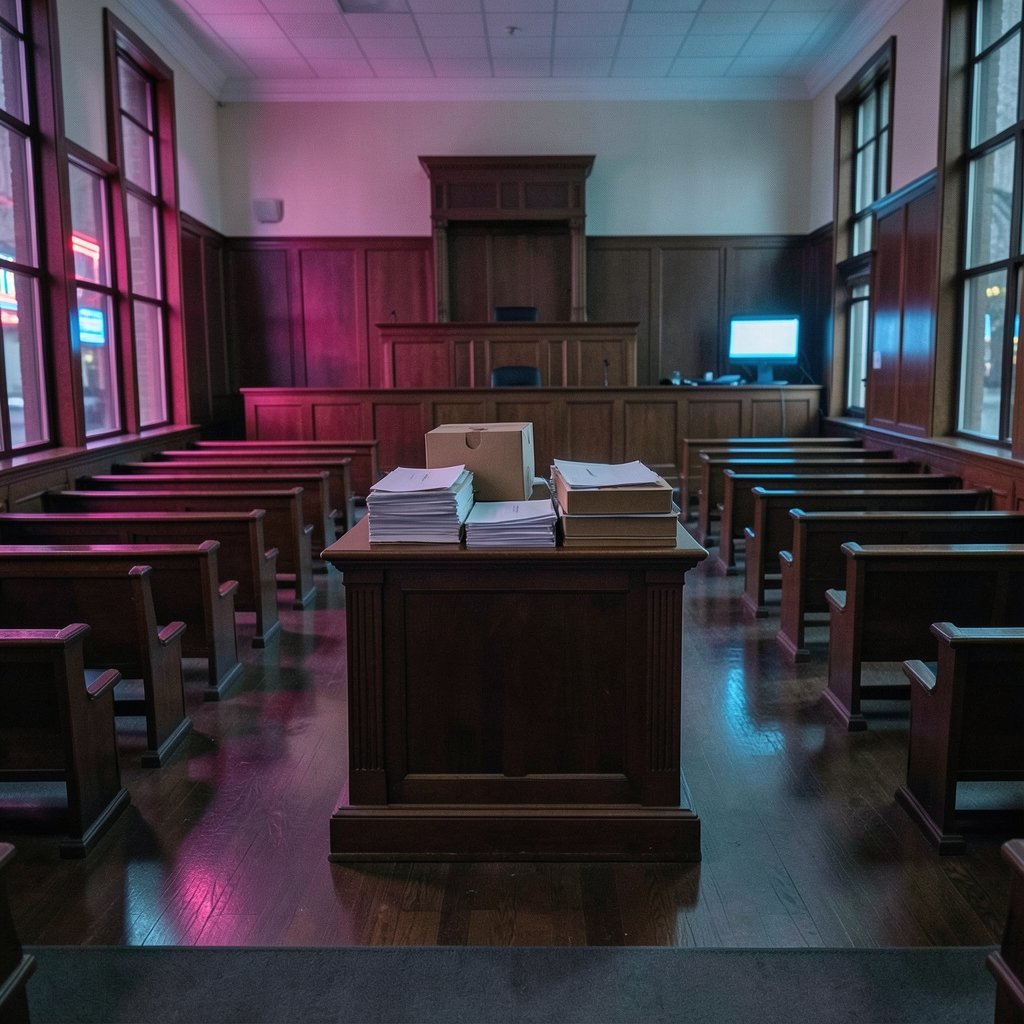
Leftover settlement money does not quietly return to the defendant. Courts have to decide what to do with it, and they generally have two tools.
The first is redistribution. The court can divide the unclaimed money among class members who did file valid claims, paying them a second round on top of the first. This is common when the number of claimants is small enough to make a second distribution practical.
The second is the cy pres doctrine, a Latin phrase meaning “as near as possible.” When individual redistribution is too expensive or too messy, the court can send residual funds to a nonprofit or a public purpose that roughly matches what the lawsuit was about. A privacy settlement might fund digital literacy. A consumer fraud settlement might fund legal aid. The idea is to get the money as close as possible to the people it was meant to help.
Why Cy Pres Is So Controversial
Cy pres sounds tidy on paper. In practice, it raises a fairness question: if the money was supposed to compensate harmed consumers, is a donation to a charity really the same thing?
Critics argue that cy pres awards can become a quiet deal between lawyers. The defendant pays a set amount, the plaintiffs’ lawyers collect their fees, and a charity chosen by the parties gets the leftover. The people who were actually harmed may see nothing. Supporters counter that the alternative, returning the money to the defendant, is worse, because it rewards the company that was sued and removes any deterrent effect.
The Supreme Court stepped into this debate in 2019 in Frank v. Gaos, a case involving a Google settlement that was to be paid out entirely through cy pres. The Court vacated the lower court’s approval and sent the case back, but it did so on standing grounds and never settled the broader cy pres question. That leaves the doctrine alive but under scrutiny, and courts now look harder at whether a settlement’s structure actually serves the class.
The Rule That Governs Settlement Approval
Federal class settlements must be approved by a judge under Rule 23(e) of the Federal Rules of Civil Procedure. That rule requires the court to find a settlement “fair, reasonable, and adequate” before it becomes final. Judges weigh factors like the strength of the case, the size of the fund, the reaction of class members, and how the money will be handled if not everyone claims. (Civil cases)
This is why notice matters so much. Courts must approve the plan for telling class members about the settlement, whether by mail, email, publication, or a website. If the notice is weak, claim rates drop, and the leftover grows. A judge who sees a settlement designed to fail, with vague notice and an inflated cy pres share, has grounds to reject it.
Unclaimed Settlement Checks and State Unclaimed Property
There is a second kind of unclaimed money, and people mix it up with cy pres all the time. Suppose you were part of a settlement, you were sent a check, and you never cashed it. Or the check went to an old address and was returned.
That money may eventually become unclaimed property under state law. Every state runs an unclaimed property program, and businesses are required to report and hand over money they owe to people they cannot locate after a set dormancy period, often one to five years. The National Association of Unclaimed Property Administrators explains how these state programs work and how to search them. Once a settlement check goes unclaimed, it can follow this path rather than staying with the court. (Identity threat detection really costs where money goes)
This matters because it changes where you look. If a settlement closed years ago and you never got paid, the money may no longer be with the settlement administrator. It may be sitting in your state’s database under your name.
How to Find Out If You Are Owed Money
The process is less mysterious than it seems, and almost all of it is free.
- Check the settlement’s official website. Every court-approved settlement has one, usually listed in the notice you received.
- Contact the settlement administrator directly. The administrator’s name and contact details appear in the notice and on the settlement site.
- Search your state’s unclaimed property database for uncashed checks and forgotten accounts.
- Keep your address current with any settlement you join, so a check does not bounce back.
- Save the notice and the claim confirmation until the settlement is fully closed.
A common mistake is waiting. Claim deadlines are strict and rarely extended. Another mistake is assuming a postcard is a scam and tossing it. Real settlement notices usually include a case name, a court, and a claim number you can verify independently.
Watch Out for Paid “Finders”
If a service offers to locate your unclaimed money for a fee, be careful. Government unclaimed property searches are free, and legitimate settlement administrators do not charge you to claim your own money. Companies that charge a percentage of your recovered funds are operating in a space where the free option usually works just as well. The same caution applies to anyone who calls out of the blue demanding a fee or your bank details before you have verified the case. (Cbdc digital currency central bank money going digital)
Fraudsters also borrow the language of settlements. A fake “you are owed money” message is a classic hook, and the mechanics of gift card scams show how quickly victims lose money once they engage. If a message pressures you to pay a fee or buy a gift card to release a settlement payment, it is not real.
Why the Leftover Money Is Hard to Measure
You will see big numbers thrown around about unclaimed settlement funds, but nobody tracks them centrally. Courts handle cases individually, administrators report to courts rather than to a national database, and cy pres awards go to thousands of different organizations. Any single dollar figure should be treated with suspicion unless it comes with a named source and a method.
What is clear is the pattern. Claims-made settlements with weak notice and short deadlines produce large residuals. Settlements with automatic payments, clear notice, and long claim windows produce far less waste. The design of the settlement, not the honesty of the class members, drives the outcome.
Practical Lessons From Real Settlements
People who follow these cases closely tend to notice the same things.
First, the notice you receive is not junk. Open it, check the case name, and look up the official settlement site before you decide it is fake. Second, file the claim even if the amount looks tiny. Small claims add up, and filing is what puts you in line for any second distribution. Third, keep records. A confirmation email or a screenshot of your submitted claim is worth more than your memory two years later.
Fourth, understand that you may be in a class without knowing it. Many settlements cover people automatically, and the only action required is cashing a check that arrives in the mail. If you move often, a forwarding address or a periodic search of state databases is the simplest safeguard.
Finally, be realistic about timing. Settlement money can take a year or more to reach you after a case is approved, and appeals can add years. Patience is part of the process.
The Bigger Picture
Unclaimed settlement money sits at the intersection of consumer protection, court procedure, and plain old paperwork. The law has built a system to make sure a defendant pays, but it has not solved the harder problem of making sure the money reaches the right hands. Cy pres fills the gap, imperfectly. State unclaimed property programs catch some of what falls through. Judges, under Rule 23, are the ones who decide whether a settlement is fair enough to approve in the first place.
For anyone on the receiving end, the lesson is simple. Read the notice, file on time, cash the check, and know where to look when something goes missing. The money is real. It just does not come looking for you twice.
Frequently Asked Questions
What is unclaimed money in a class action settlement?
It is the portion of a settlement fund that is left after class members are paid, usually because people did not file claims or did not cash their checks. Courts decide where it goes, often through redistribution to claimants or a cy pres award to a nonprofit.
Can I still get money from a settlement I missed?
Sometimes. If the settlement is still open, contact the administrator right away. If it has closed, uncashed checks may have been sent to your state’s unclaimed property program, where you can search for free under your name.
What does cy pres mean in a settlement?
Cy pres is Latin for “as near as possible.” It is the doctrine courts use to send leftover settlement funds to a charity or public purpose that roughly matches the goal of the lawsuit, rather than returning the money to the defendant.
Do I have to pay to find unclaimed settlement money?
No. State unclaimed property databases and official settlement websites are free. Be wary of any service that charges a percentage of your recovery or asks for payment before you have verified the case.
Why do so few people claim settlement money?
Common reasons include outdated addresses, notices mistaken for junk mail, short claim deadlines, confusing forms, and simple lack of awareness. Claims-made settlements, where you must file to get paid, tend to have the lowest claim rates.
How long does it take to receive a settlement payment?
It varies widely. Many settlements pay within a few months of final approval, but appeals, verification of claims, and large class sizes can push that to a year or more. Keep your claim confirmation until the money arrives.
The FAQ above covers the questions readers ask most often, but two points deserve emphasis. First, deadlines and administrator contact details are the two facts worth recording the moment a notice arrives; everything else can be looked up later, but a missed deadline rarely can be undone. Second, verify before you act on any message about settlement money, whether it arrives by mail, email, or phone. A quick check of the official settlement site or your state’s unclaimed property database costs nothing and settles the question in minutes. Used together, notice, timely claims, and free public databases close most of the gap between what a settlement promises and what actually reaches the people it was meant to pay.



