

What would you do if the price of a coffee doubled while you were standing in line to pay for it? For most people, that sounds like a nightmare. For Argentines, it has been a recurring reality. Argentina’s money is one of the most interesting and complicated currencies on earth, shaped by decades of inflation, repeated currency changes, and a constant tug-of-war over the US dollar. Understanding it helps explain prices in Buenos Aires and how an entire economy adapts when trust in cash is fragile.
What Is Argentina’s Currency?
Argentina’s official currency is the peso, which carries the international code ARS. The current version, the peso convertible, was introduced in 1992 and replaced the austral at a rate of 10,000 to 1. The peso is issued by the Banco Central de la República Argentina (BCRA), the country’s central bank, which was created in 1935. (Argentine peso)
The peso’s story is unusual because it has been renamed and revalued so many times. Argentina has gone through several currencies in just a few decades:
| Currency | Introduced | Replaced Previous At |
|---|---|---|
| Peso ley | 1970 | 100 to 1 |
| Peso argentino | 1983 | 10,000 to 1 |
| Austral | 1985 | 1,000 to 1 |
| Peso convertible | 1992 | 10,000 to 1 |
Each change was an attempt to wipe the slate clean after inflation had made old notes nearly worthless. The pattern matters because it shows how often Argentina has had to reset its money, and why many Argentines treat the peso with caution.
The Convertibility Experiment
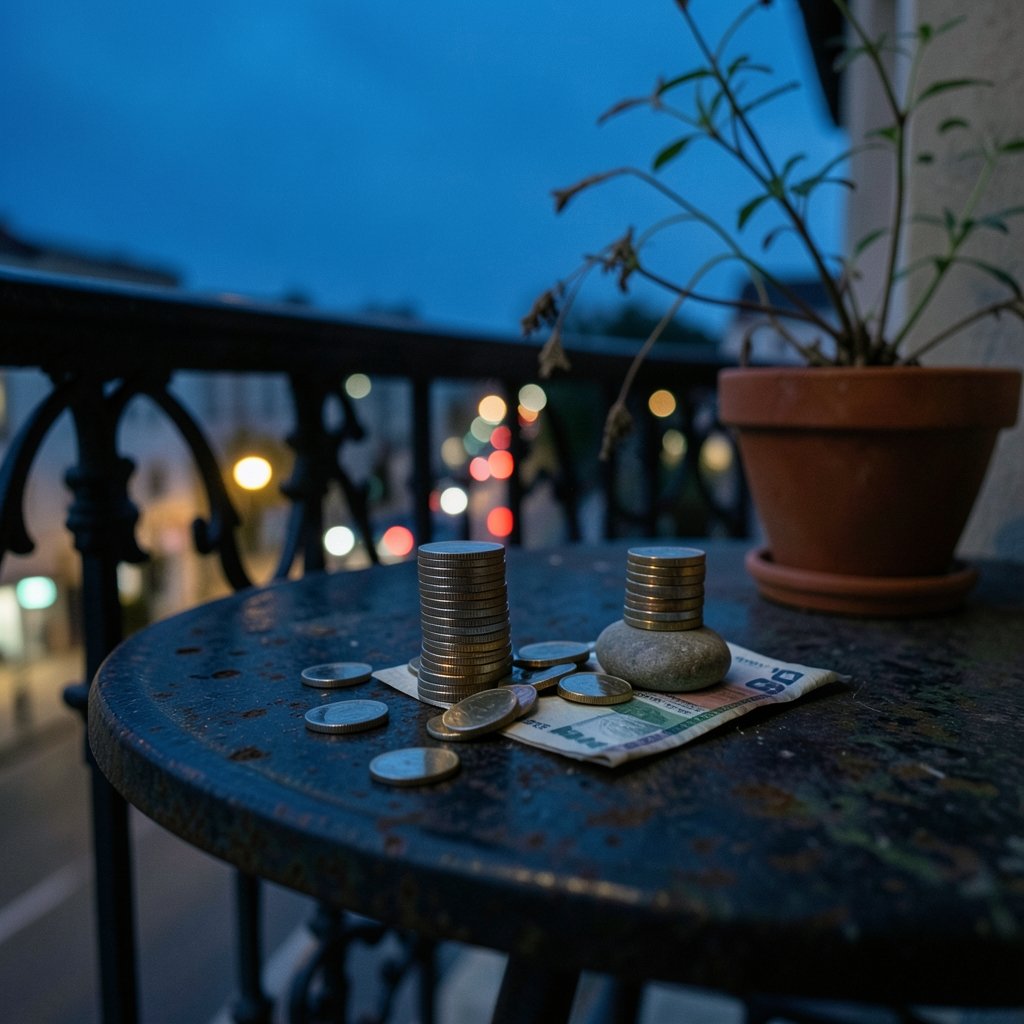
For a decade, Argentina tried something bold. Under the Convertibility Law of 1991, the government fixed the peso at one US dollar, one to one. The idea was to crush inflation by tying the currency to something people trusted. For a while, it worked. Prices stabilized, and the peso felt solid.
But a fixed exchange rate is like wearing shoes that never change size. When the economy shifted, the peg became painful. Argentina gave up control over its own money supply, and when the 2001 crisis hit, the arrangement collapsed. In January 2002, the peg was abandoned, and the peso lost a large share of its value almost overnight.
The lesson stuck with many Argentines: a currency can look stable right up until it isn’t. That experience shaped how people save, spend, and plan.
Why Inflation Defines Argentine Money
Argentina has struggled with chronic high inflation for years. Annual inflation topped 100% in 2023, stayed very high in 2024, and then began slowing in 2025 under a stabilization program. Exact figures change month to month, but the pattern is familiar to anyone who follows the country.
Inflation changes daily behavior in ways outsiders find surprising. Here are a few practical realities:
- Cash loses value fast. People try not to hold too many pesos for too long.
- Prices move often. Shops update price tags frequently, sometimes weekly.
- Saving in pesos is hard. Many people convert earnings into dollars or goods.
- Wages get renegotiated. Unions and employers revisit pay more often than in low-inflation countries.
The official consumer price index is published by the Instituto Nacional de Estadística y Censos (INDEC), which is the standard source for inflation data. If you want to follow the numbers, INDEC is where to look.
This is also why personal money management in Argentina takes real skill. For anyone interested in how people protect their finances when a currency is unstable, there are broader lessons in resources like identity threat detection really costs where money goes, which looks at where money leaks in another part of financial life.
The Dollar and the “Cepo”
Walk through Buenos Aires and you will hear about the dólar blue, the informal market exchange rate. For years, Argentina has had more than one exchange rate at once. The official rate is set by the government. The blue rate is what people get on the street. There is also the dólar MEP, a rate obtained through local securities.
Why does this matter? Because the gap between the official and parallel rates changes what things actually cost. A tourist paying with a foreign card might get one rate, while someone changing cash gets another. Understanding which rate applies can save or cost a lot of money.
Argentina has also used exchange controls, often called the cepo cambiario. These rules limit how much foreign currency people can buy and move. The cepo was imposed in October 2011, relaxed in December 2015, and then reintroduced in a new form in September 2019. The rules have been adjusted many times since, so anyone doing business in Argentina should check the current situation rather than rely on old advice.
A common mistake visitors make is assuming the official rate is the only rate. In practice, watching how locals handle money tells you far more than any sign at a bank window.
Banknotes and Everyday Cash
Because of inflation, Argentina has repeatedly issued higher-denomination banknotes. A 2,000-peso note arrived in 2023, and a 10,000-peso note followed in 2024. Even with bigger notes, carrying enough cash for daily purchases can mean a thick stack.
Practical tips for handling Argentine money:
- Keep small notes. Shops and taxis often struggle to make change for large bills.
- Watch for counterfeits. Familiarize yourself with security features, especially on higher denominations.
- Use digital payments where you can. Many Argentines rely on apps and cards to avoid carrying cash.
- Don’t assume card rates match cash rates. The exchange rate applied to a card can differ from what you would get otherwise.
Cash is still deeply embedded in daily life, but digital tools are growing. That shift mirrors global trends, including the move toward digital money explored in cbdc digital currency central bank money going digital, which explains how central bank digital currencies could change payments everywhere. (Bank for International Settlements)
Saving and Protecting Money in Argentina
When your own currency is unreliable, you look for alternatives. Many Argentines hold US dollars, buy property, or invest in goods. Others use dollar-linked financial products. The goal is simple: preserve value across time.
This instinct to protect savings shows up in many forms. Scams that target people’s money are a global problem, and Argentina is no exception. Learning how fraudsters operate helps. For example, understanding how a gift card scam works victims rarely get their money back can protect people in any country, since the tactics travel across borders.
For those thinking about building income in a volatile economy, tools like AI are drawing interest. Some people explore how to make money with ai as a way to add income streams that aren’t tied to a single currency. It is not a magic fix, but diversification is a rational response to uncertainty.
Dollarization: A Debate That Won’t Go Away
One recurring idea in Argentine politics is dollarization, the proposal to replace the peso with the US dollar entirely. It became a major talking point during the 2023 presidential campaign, though it has not been implemented. Supporters argue it would end inflation by removing the government’s ability to print money. Critics warn it would strip away control over monetary policy and leave the country exposed to US decisions.
The debate reflects a deeper question: how much do people trust their own currency? In Argentina, that trust has been tested repeatedly, and the answer shapes everything from savings to contracts.
Contracts, Legal Tender, and Foreign Currency
Argentina’s rules on whether contracts can be denominated in foreign currency have shifted over time. Courts and regulators have changed their positions, and the Convertibility Law and later rules govern the details. This matters for anyone signing a lease, a business deal, or a loan. The safest approach is to check current regulations with a local professional rather than assume the rules from a few years ago still apply.
What Argentina’s Money Teaches the World
Argentina’s experience offers lessons that go far beyond its borders. A currency is ultimately a promise, and when people stop believing in that promise, they adapt. They save in other assets, they watch exchange rates closely, and they build systems to cope.
This has parallels in many areas of modern finance. Businesses everywhere now think carefully about where money goes and how to protect it. For example, understanding threat intelligence actually costs 2025 where money goes helps organizations see the real price of security. And as AI reshapes business, questions like how do ai companies make money matter for anyone trying to understand the new economy.
Even everyday decisions reflect these themes. Couples planning a big event, for instance, weigh costs carefully, and guides like how to choose a wedding venue: save money & stress show how planning beats panic. Likewise, companies adopting automation must think about budgets, as covered in use ai business automation without wasting money. The common thread is simple: when money is uncertain, planning and knowledge matter more than ever.
Conclusion
Argentina’s money is a story of reinvention. The peso has been renamed, revalued, and rethought many times, and it has been tested by inflation, exchange controls, and a long-running debate over the US dollar. For visitors, the practical advice is to watch exchange rates, keep small notes, and never assume the official rate is the only one. For anyone trying to understand how economies work, Argentina offers a vivid case study in what happens when trust in a currency is fragile, and how people find ways to keep going anyway.
Frequently Asked Questions
What is the currency of Argentina?
Argentina uses the peso, with the international code ARS. It is issued by the Banco Central de la República Argentina. The current peso convertible was introduced in 1992.
Why has Argentina changed its currency so many times?
Repeated bouts of high inflation made older currencies lose value quickly. Changing the currency and the exchange rate was a way to reset prices and try to restore confidence, though the underlying problems often returned.
What is the dólar blue?
The dólar blue is the informal market exchange rate for the US dollar in Argentina. It exists alongside the official rate and the dólar MEP, which is obtained through local securities. The gap between these rates affects what things really cost.
What is the cepo cambiario?
The cepo cambiario refers to Argentina’s exchange controls, which limit how much foreign currency people can buy or move. These rules have been imposed, relaxed, and reintroduced at different times, most notably in 2011, 2015, and 2019.
Has Argentina dollarized its economy?
No. Dollarization has been a recurring political proposal, including during the 2023 presidential campaign, but it has not been implemented. Argentina continues to use the peso as its official currency.
How do Argentines protect their savings from inflation?
Many hold US dollars, buy property or goods, or use dollar-linked financial products. Others rely on digital payment tools and diversify their income. The common goal is to preserve value when the local currency is losing it.
Argentina’s money also reflects a broader tension between local control and global forces. The peso’s value is shaped not only by domestic policy but by commodity prices, foreign investment, and decisions made far from Buenos Aires. For ordinary people, this means watching external signals as closely as local news. A drought, a change in global interest rates, or a shift in demand for Argentina’s exports can ripple through prices and exchange rates within weeks. That interconnectedness is a reminder that no currency exists in isolation. Argentina’s story is extreme, but the underlying forces—trust, inflation, and adaptation—appear everywhere. Understanding them helps visitors spend wisely and gives observers a clearer lens on how money works when certainty is scarce.



