
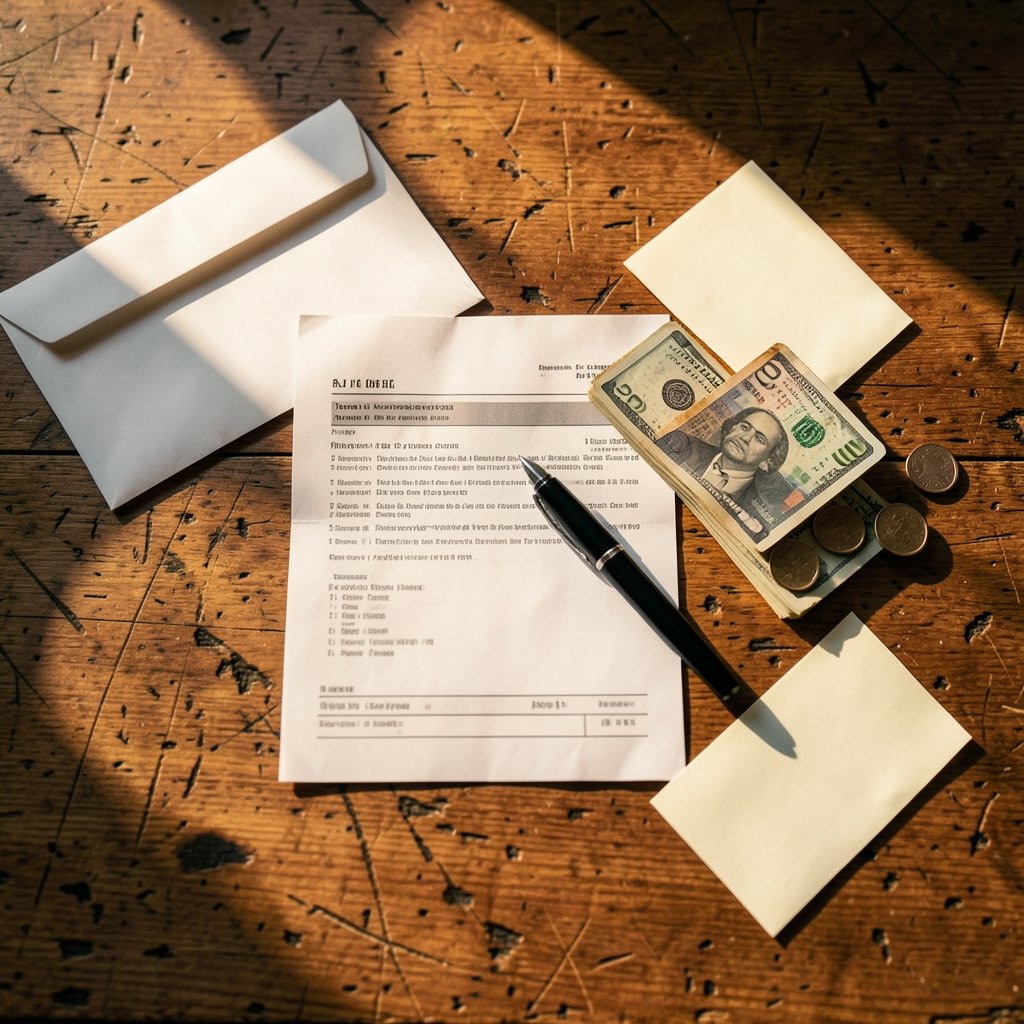
Have you ever stood at a counter with a pen over a money order, wondering whether one wrong letter will send your payment back? Millions of people buy money orders every year for rent, bills, and gifts, yet the form itself is easy to get wrong. A misspelled name, a missing address, or a signature in the wrong place can delay a payment by weeks.
This guide walks through the whole process in plain language, whether you searched “como llenar un money order” in Spanish or just want the English version done right. It covers what each line means, the mistakes that cause rejections, and how to protect yourself from the scams that love this payment method.
What a Money Order Actually Is
A money order is a prepaid payment instrument. You pay the face amount plus a small fee up front, and the issuer prints the paper document. The recipient then cashes it or deposits it like a check. Because the money is already paid, the person receiving it does not have to worry about your bank balance.
Three issuers dominate the market: the U.S. Postal Service, Western Union, and MoneyGram. Grocery stores, pharmacies, and check-cashing shops often sell them as agents for the latter two. Each issuer uses a slightly different form, but the information you must supply is nearly identical. Knowing the shared structure is what makes any of them easy.
Before You Touch the Pen: What to Bring and Check
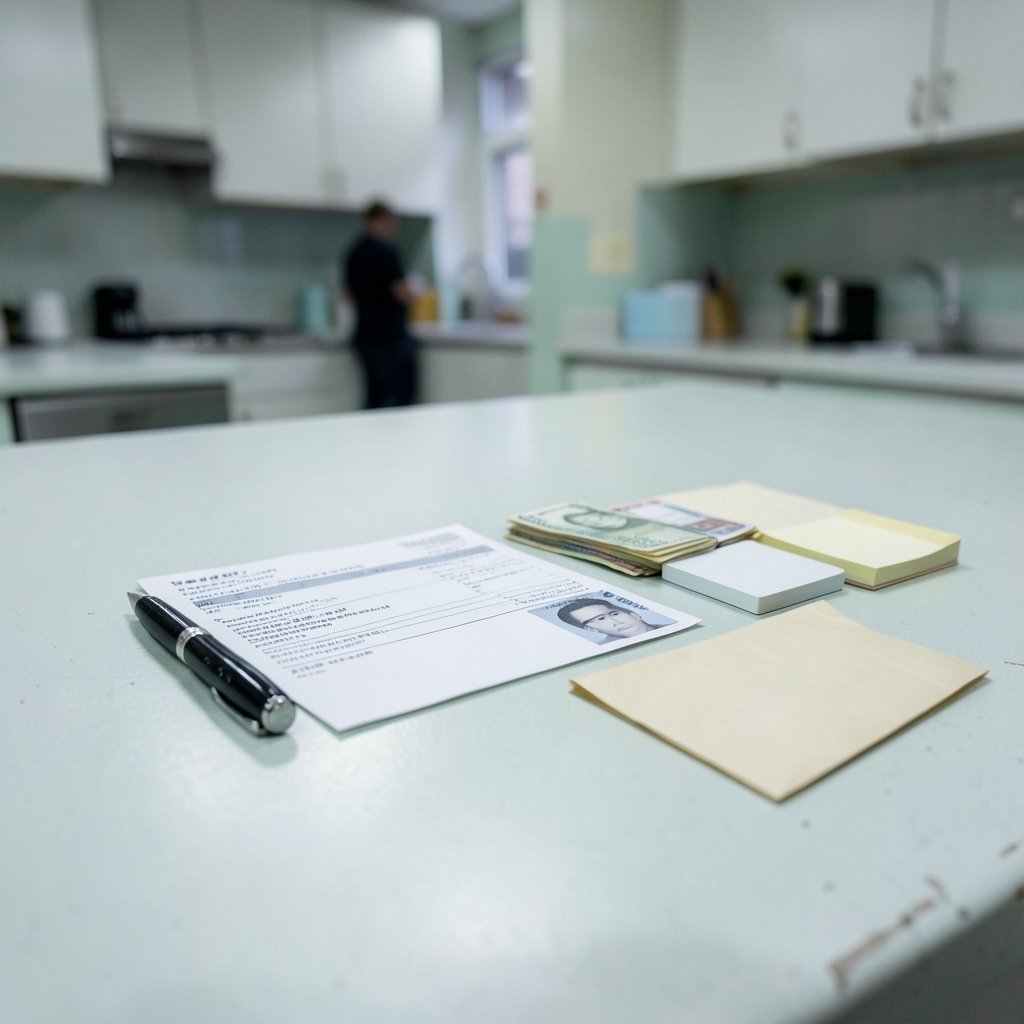
Preparation prevents almost every problem. Before you buy, gather the following:
- The exact payee name as it appears on the recipient’s ID or bank account.
- The payee’s address, which some forms request even though many clerks do not.
- Your own name and address, since the purchaser section is mandatory.
- A valid government-issued photo ID, which most sellers require.
- Cash or a debit card, because many retailers will not accept credit cards for money orders.
One practical tip from years of counter experience: write the payee’s name on a sticky note before you leave home. Reading it from your phone while a line forms behind you is how typos happen.
Step-by-Step: Filling Out the Form
Every money order follows the same basic layout. Follow this order and you will not double-write anything.
Step 1: Buy the Order and Confirm the Amount
The clerk or machine typically prints the dollar amount on the form. For postal orders, the amount is usually machine-printed rather than handwritten. Check that the printed figure matches what you paid before you walk away. If you asked for $250, the form should say $250.
Step 2: Fill In the Payee Line
The line labeled “Pay to” or “Payee” is where the recipient’s name goes. Write the full legal name exactly as it appears on their ID or bank account. If the recipient is a company, use the registered business name, not a nickname or abbreviation.
This is the single most common failure point. “Jon” instead of “Jonathan” or a missing middle initial can trigger a rejection at the bank. Some issuers allow a single correction if you initial it, but policies vary, so aim for zero errors.
Step 3: Complete the Purchaser Section
The “From” or purchaser block asks for your name and address. Fill it in fully. This information is what allows the issuer to trace the order and refund you if it is lost or stolen. Skipping it can void your ability to claim a refund later.
Step 4: Match the Written Amount
Where the form has a box for figures and a line for words, both must match. Write the amount in numbers in the box and in words on the line, exactly as you would on a check. If the two disagree, the issuer may treat the order as invalid.
Step 5: Do Not Sign the Back Yet
The endorsement line on the reverse side belongs to the person cashing the order. Signing it in advance creates a blank endorsement, which makes the order payable to anyone holding it. If it is lost in the mail, a stranger can cash it. Leave the back blank until you are the one depositing it.
The Fields at a Glance
| Field | Who Fills It In | What to Write |
|---|---|---|
| Amount (printed) | Clerk or machine | Verify it matches what you paid |
| Pay to / Payee | Purchaser | Recipient’s full legal name |
| From / Purchaser | Purchaser | Your name and address |
| Amount in words | Purchaser | Same figure as the printed amount |
| Memo (if present) | Purchaser | Purpose, such as “October rent” |
| Signature (back) | Recipient | Only when cashing or depositing |
The memo line is optional but useful. It helps the recipient remember what the payment was for and gives both parties a paper trail.
Common Mistakes That Cause Rejections
After thousands of transactions, certain errors repeat constantly. Watch for these.
Writing in pencil. Always use pen. Pencil invites tampering and many banks reject altered-looking forms outright.
Using nicknames. The payee name must match the ID or account. “Mom” will not work; “Maria Gonzalez” will.
Signing the back too early. As covered above, this is a fraud risk. Keep the back blank.
Throwing away the receipt. The tear-off stub carries the serial number you need to trace the order or file a refund claim. The Postal Service requires the original receipt for a refund. Photograph it and store it somewhere you will find it.
Sending a money order to a stranger. This is the big one, and it deserves its own section.
Money Orders and Fraud: What to Watch For
Money orders are a favorite tool of scammers because they feel official and irreversible. A classic scheme involves a buyer who “overpays” with a money order and asks you to wire back the difference. The order turns out to be fake or stolen, and the money you sent is gone. The gift card scam pattern works the same way: once the value leaves your hands, recovery is rare.
A simple rule protects you: never send a money order to someone who contacted you first with an unsolicited offer, prize, or refund. Legitimate businesses do not demand payment by money order for taxes, fines, or unexpected fees. If a deal requires urgency plus a money order, walk away.
Fraud losses tied to payment instruments add up quickly, and the real cost of identity threat detection shows how expensive cleaning up after a scam can become. Prevention is far cheaper than recovery.
Cashing and Depositing: What the Recipient Should Know
Once the order reaches the recipient, they have options. Postal money orders can be cashed at a Post Office, subject to limits, or deposited at a bank. Many banks and credit unions treat them like checks, though some place holds on funds until the order clears.
Retail money orders from Western Union or MoneyGram are usually deposited the same way. Individual bank policies vary, so it helps to ask about holds before you depend on the funds for a same-day bill.
If the recipient cannot cash the order, they can return it to the purchaser, who can then request a refund from the issuer. That process requires the receipt and can take weeks, which is another reason to keep the stub.
Limits, Fees, and International Orders
Domestic postal money orders are capped at $1,000 per order. That cap has changed over the years, so confirm the current figure at the counter or on the issuer’s materials before you plan a large payment. If you need to send more than the limit, you will have to buy multiple orders.
Fees vary by issuer and by amount. Postal orders have historically carried a flat fee in the low single digits, plus a separate charge for inquiries and refunds. Retail agents set their own fees, which are often higher. Compare before you buy, especially if you send money orders often.
International money orders are a separate product with different limits and are payable in U.S. dollars. They are not the same form as domestic orders, so do not assume the process carries over. If you are sending money across borders, look into central bank digital currency developments too, since the way money moves internationally is shifting fast.
Money Orders vs. Other Payment Methods
| Method | Best For | Watch Out For |
|---|---|---|
| Money order | Unbanked recipients, rent, bills | Fees, name errors, fraud |
| Personal check | Familiar payees | Bounced-check risk |
| Wire transfer | Large or urgent sums | High fees, hard to reverse |
| Digital payment app | Friends and family | Limited dispute protection |
Money orders shine when the recipient does not have a bank account or when the sender wants proof of payment without linking a bank account. They are weaker for large sums and for anyone who needs speed.
Practical Habits That Save Trouble
A few habits make the whole process smoother. Fill out the form at the counter before you leave, so a clerk can catch errors on the spot. Keep a photo of the completed order and receipt. Write the purpose in the memo line. And if you send money orders regularly, track them in a simple notebook with the date, amount, payee, and serial number.
For people exploring side income, the same discipline applies to any payment arrangement. Understanding how people make money with AI or how AI companies earn revenue starts with knowing how money actually changes hands, and money orders remain one of the oldest, simplest tools in that toolkit. (Money transfers and remittances)
Conclusion
Filling out a money order is not complicated once you know the map. Match the payee name to the ID, complete the purchaser section, keep the amounts consistent, and leave the back unsigned until the recipient cashes it. Keep the receipt, verify the printed amount, and treat any unsolicited request for a money order as a red flag.
The form rewards care over speed. Take an extra thirty seconds at the counter, and your payment will arrive, clear, and disappear from your to-do list without a single follow-up call.
Frequently Asked Questions
What happens if I misspell the payee’s name on a money order?
The order may be rejected when the recipient tries to cash or deposit it. Some issuers allow one correction if the purchaser initials it, but policies differ, so the safest path is to buy a new order and request a refund on the flawed one. Bring your receipt when you do.
Can I sign the back of a money order before sending it?
No. Signing the back in advance creates a blank endorsement, meaning anyone who finds the order can cash it. Leave the back blank and let the recipient sign it when they deposit or cash it.
How much does a money order cost?
Fees vary by issuer and amount. Postal orders have historically carried a flat fee in the low single digits plus a separate inquiry or refund charge, while retail agents often charge more. Ask at the counter before you buy, since fees change.
What is the maximum amount for a money order?
Domestic postal money orders are capped at $1,000 per order. Retail issuers set their own limits, which are often lower. If you need to send more, buy multiple orders or use a different payment method.
Can I get my money back if a money order is lost or stolen?
Yes, but you need the receipt. The tear-off stub carries the serial number required to trace the order and file a refund claim. The Postal Service requires the original receipt, and the process can take several weeks.
Are money orders safe to send to someone I met online?
Treat any unsolicited request for a money order as a scam signal. Fake overpayment schemes and prize scams rely on the difficulty of reversing a money order. Never send one to a stranger who contacted you first, no matter how official the story sounds.



