
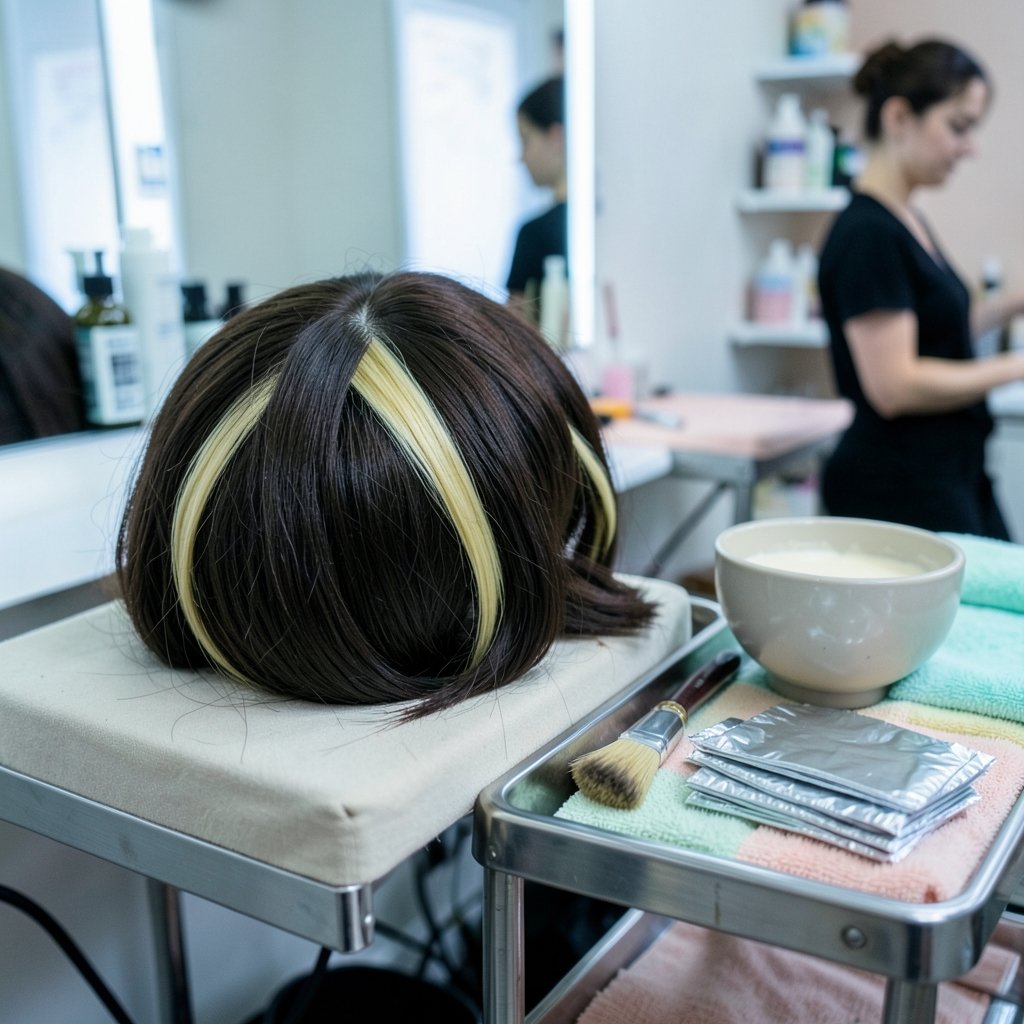
What makes a single strip of blonde hair so powerful? Walk into any salon and ask for a blonde money piece, and you are asking for one of the boldest, most face-framing color placements in modern hair. It is a technique that brightens the hair right around the face while leaving the rest of the head darker or more natural. The result is a high-contrast look that draws the eye instantly. (Hair coloring)
This guide breaks down what a blonde money piece actually is, how it differs from other highlighting methods, who it suits best, and what it takes to maintain. It also covers the mistakes that trip people up, the real cost of upkeep, and the questions stylists hear most often.
What Is a Blonde Money Piece?
A money piece is a section of hair at the front hairline that is lightened significantly more than the surrounding hair. The name comes from the idea that this bright framing “makes you look like money” by highlighting the face. When the lightened sections are lifted to blonde against a darker base, you get a blonde money piece.
The placement is deliberate. Two sections sit roughly above each eyebrow, following the hairline. Sometimes the section is thicker, sometimes it is a fine ribbon of color. The contrast is the whole point. A blonde money piece against a brunette or dark brown base creates a striking frame. Against a light brown base, it reads softer and more blended.
It is worth separating the money piece from a few nearby terms, because salons use them differently:
| Technique | What It Does | Contrast Level |
|---|---|---|
| Money piece | Lightens only the front hairline sections | High |
| Face-framing highlights | Lightens a wider band around the face | Medium to high |
| Balayage | Freehand painting for a soft, grown-out gradient | Low to medium |
| Full highlights | Lightens throughout the whole head | Even, all over |
| Babylights | Very fine, subtle woven highlights | Low |
A money piece is the most targeted option on that list. It is not a full color service. It is a focal point.
Why the Look Has Stuck Around
The money piece borrows from styling that peaked in the late 1990s and early 2000s, when chunky face-framing streaks were everywhere. The modern version is softer and more wearable, but the concept is the same: make the front of the hair the star.
Part of the appeal is practical. A money piece gives you a visible change without committing to a full head of bleach. If you have dark hair and want to test whether blonde suits you, lightening two small sections is a low-risk experiment. If you love it, you can expand later. If you do not, the grow-out is far less painful than undoing a full highlight job.
The other appeal is maintenance-friendly framing. Because the lightened sections sit at the front, they catch light in photos and brighten the face even on a dull day. Many people find that a money piece does more visible work than a full head of subtle highlights, at a fraction of the chair time.
How the Service Actually Works
A good stylist treats a money piece as a precision job, not a quick dip in bleach. Here is the general process, though every salon adapts it.
- Consultation and strand test. The stylist checks your natural color, your history of color treatments, and the condition of the front hair. Front sections are often finer and more fragile than the rest of the head, so a strand test matters.
- Sectioning. Two clean sections are isolated at the hairline. The width and thickness depend on your face shape and how bold you want the contrast.
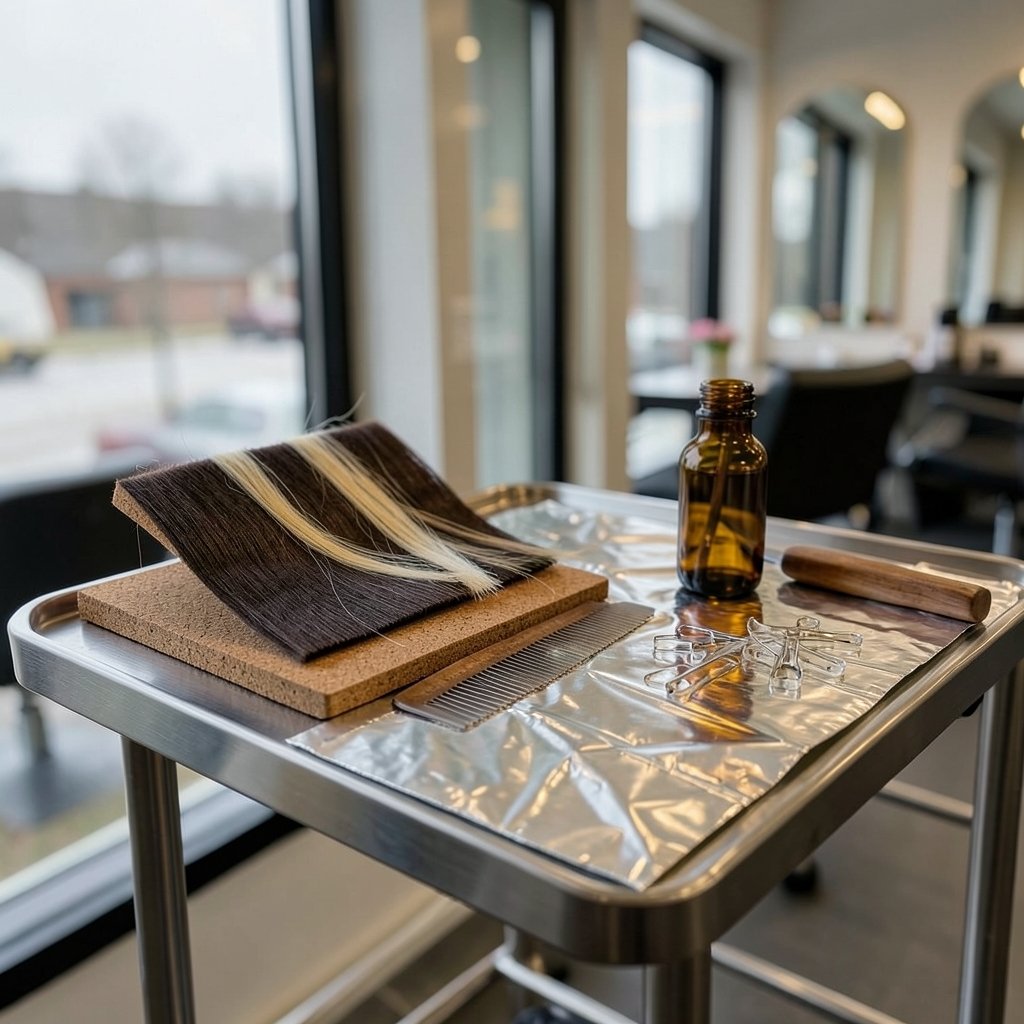
- Lightening. The sections are lightened, usually with foils or a freehand application, to lift the pigment. Dark hair may need more than one round to reach blonde.
- Toning. A toner is applied to neutralize unwanted warmth and land on the target shade, whether that is icy platinum, honey, or buttery gold.
- Blending and finishing. The stylist blends the edges so the blonde does not look like two painted stripes, then trims or styles to show off the frame.
The most common mistake happens at step three. People try to rush the lift with a stronger developer at home, and the front sections, which are already delicate, end up over-processed and brittle. A slower, staged lift almost always looks better and lasts longer.
Choosing the Right Blonde Shade
“Blonde” is not one color. The shade you pick changes the entire feel of the look.
- Icy platinum reads cool and editorial. It demands the most maintenance because any warmth shows immediately.
- Honey blonde is warmer and more forgiving. It blends gracefully with medium brown bases.
- Buttery gold suits warm undertones and looks natural in sunlight.
- Ash blonde neutralizes red and orange tones. It works well on cool skin tones but can look flat on some complexions.
- Beige blonde sits between cool and warm and is one of the easiest shades to live with.
Skin undertone is the usual starting point, but hair history matters just as much. If your front sections have been colored before, the stylist has to account for what is already in the hair. Lifting over old color is unpredictable, and that is exactly why a consultation is not optional.
Who the Look Suits Best
A blonde money piece is unusually adaptable, but it is not universal. Here is a realistic breakdown.
| Hair Type or Situation | How Well It Works | Notes |
|---|---|---|
| Dark brown or black hair | Very well | Maximum contrast, most dramatic effect |
| Medium brown hair | Very well | Softer contrast, easy to blend |
| Naturally light hair | Moderately | Contrast is subtle unless the base is darkened |
| Fine front hair | With caution | Needs gentle lifting and extra care |
| Curly or coily hair | Very well | Placement follows the curl pattern and frames the face |
| Previously damaged front sections | Risky | May need a staged approach or a color alternative |
Face shape plays a role too. Rounder faces often benefit from a longer, narrower money piece that draws the eye downward. Angular faces can carry a wider, bolder section. These are guidelines, not rules, and a good stylist will adjust based on how your hair falls.
What It Costs and What Upkeep Really Looks Like
The upfront cost of a money piece is usually lower than full highlights, because less hair is being lightened. But the maintenance schedule is where the real budget lives.
Expect to return to the salon every four to eight weeks for a root touch-up on the lightened sections. Bleached front hair shows regrowth quickly, and it also turns brassy faster than the rest of the head because it is more porous and exposed. Toning appointments may come more often than root appointments.
For anyone comparing this to other beauty and lifestyle spending, it helps to plan the cost the way you would plan any recurring expense. The same discipline people apply when they choose a wedding venue with a practical budget in mind applies here: know the total cost of ownership, not just the first payment.
At-home care matters just as much as salon visits. Use a sulfate-free shampoo, limit heat styling on the lightened sections, and invest in a bond-building treatment if your stylist recommends one. Purple or blue toning shampoo helps stretch the time between toning appointments, but it cannot replace them.
Common Mistakes and How to Avoid Them
Most money piece disappointments trace back to a handful of avoidable errors.
Going too thick. A money piece that is too wide stops framing the face and starts looking like a grown-out highlight. Start narrower than you think you want. You can always add.
Skipping the toner. Untoned bleach goes yellow or orange. Toner is what makes the blonde look intentional rather than unfinished.
Ignoring the base color. A money piece works because of contrast. If your base is already light, the blonde will not pop unless the stylist darkens the surrounding hair or chooses a very different tone.
Over-processing fine front hair. Front sections are fragile. If a stylist suggests lifting in stages, listen. One aggressive session can cost you months of recovery.
Forgetting the grow-out plan. Ask upfront how the look will age. A money piece that blends into a balayage later is a smarter long-term choice than one that leaves a hard line.
There is a broader lesson here that applies to any high-contrast beauty or style investment: understand where the money and the risk actually go before you commit. The same principle shows up in a breakdown of where identity threat detection costs really go, where the visible price tag hides most of the real expense. Hair color is similar. The consultation price is not the total.
Styling a Blonde Money Piece Day to Day
The look does a lot of work on its own, but styling changes how visible it is.
- Middle parts show off both sections evenly and create symmetry. This is the most common way to wear it.
- Deep side parts push one section forward and create a sweep that frames one side of the face.
- Slicked-back styles make the contrast look sharper and more editorial.
- Soft waves soften the edges and make the blonde blend more naturally into the base.
- Textured updos with face-framing pieces left loose keep the money piece visible even when the hair is up.
Keep product use light near the lightened sections. Heavy oils and buildup dull blonde faster. A lightweight serum on the ends and a heat protectant before styling will do most of the work.
How It Compares to Other Color Trends
The money piece sits in an interesting spot between low-commitment and high-impact. Compared with a full balayage, it is faster, cheaper, and more dramatic. Compared with a single streak or a peekaboo highlight, it is more deliberate and more wearable.
If you are weighing a bigger color change, it helps to think about how trends age. Some beauty and money trends follow the same curve: fast adoption, then a long tail of people figuring out the upkeep. That pattern shows up in everything from how AI companies actually make money to how salon services get priced. The lesson is consistent: the headline cost is rarely the whole story.
Conclusion
A blonde money piece is one of the few color techniques that delivers a big visible change with a relatively small footprint. It frames the face, adds contrast, and lets you test blonde without bleaching your whole head. It also asks for something in return: regular root touch-ups, toning appointments, and gentle care for the most fragile hair on your head.
The people who love their money piece most are the ones who planned for the upkeep before they sat in the chair. They chose a shade that suited their undertone, started narrower than they thought they wanted, and trusted a staged lift over a rushed one. If you go in with those habits, the look can stay sharp for years rather than weeks.
Frequently Asked Questions
What exactly is a blonde money piece?
It is a section of hair at the front hairline that is lightened to blonde while the rest of the hair stays darker. The contrast frames the face and draws attention to the front of the hair. It is a targeted highlighting technique rather than a full color service. (Hair Dyes)
How much does a blonde money piece cost?
Costs vary widely by salon, location, and how much lightening is needed. In general, it costs less than full highlights because less hair is treated. The bigger expense over time is maintenance, since root touch-ups and toning are needed every four to eight weeks.
Can you get a money piece on dark hair?
Yes, and dark hair is where the look is most dramatic. Dark bases create the strongest contrast with blonde front sections. The tradeoff is that dark hair often needs more than one lightening session to reach a clean blonde without damage.
How often does a money piece need a touch-up?
Most people need a root touch-up every four to eight weeks. The front sections show regrowth quickly and turn brassy faster than the rest of the hair because they are more porous and more exposed. Toning appointments may be needed more often than root appointments.
Can you do a money piece at home?
It is possible but risky. Front sections are among the most fragile hair on your head, and lifting them evenly without banding or over-processing takes skill. Home attempts often end up brassy or uneven, and correcting them at a salon can cost more than the original service would have.
Does a money piece work on curly or coily hair?
Yes. On curly and coily hair, the placement follows the curl pattern to frame the face. The key is choosing a width that stays visible when the hair is styled, since curls can pull the lightened sections into tighter shapes than straight hair would.



