

Why does the comment section under almost every viral video fill up with people typing “Mr Beast give me some money“? It looks like a joke, a plea, and a piece of internet folklore all at once. And in a strange way, it captures something real about how modern attention works.
The phrase is not a campaign, a contest, or an official MrBeast slogan. It is a fan-made meme that grew out of the creator’s famous giveaway format. Understanding where it came from, why it spreads, and how scammers abuse it can save you from losing actual money while chasing a fantasy payout. (MrBeast)
Where the Phrase Comes From
Jimmy Donaldson built his channel on stunts and giveaways, and that format is the engine behind the phrase. According to the overview of MrBeast on Wikipedia, his channel shifted toward giveaway-driven content around 2017 and 2018 and later became one of the most-subscribed channels on the platform, passing 100 million subscribers in 2022.
That shift matters. Once a creator becomes known for handing out cash, an obvious audience behavior follows: asking for some. Viewers started posting “give me money” comments as a half-serious request and half-running gag. The phrasing spread because it is short, funny, and easy to copy.
There is no reliable evidence that MrBeast ever ran an official campaign under the exact phrase “give me some money.” Treat it as grassroots internet culture, not a promotion. Anyone who tells you otherwise, especially while asking for a payment, is almost certainly not affiliated with him.
Why the Comment Section Fills Up With Requests
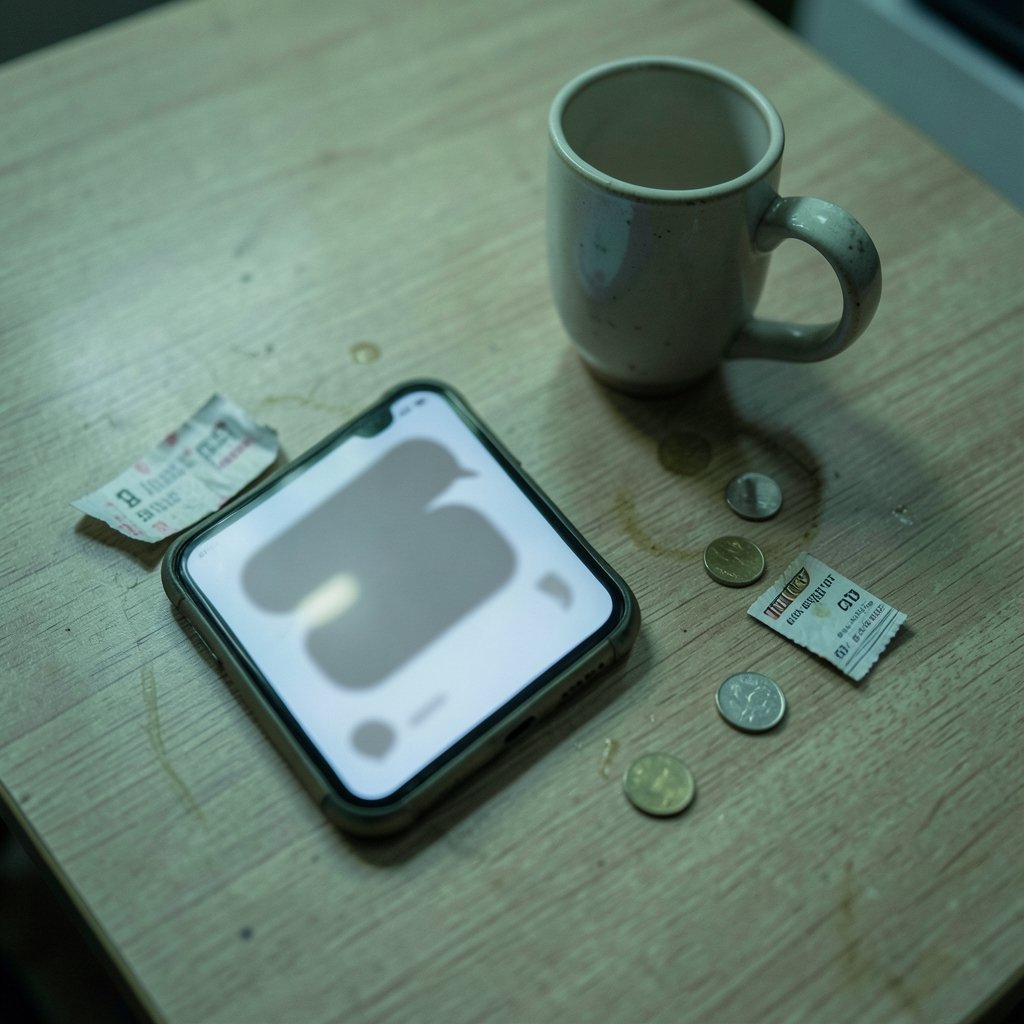
Comment sections reward visibility, and “give me money” comments are a cheap way to chase it. A short, bold, slightly absurd comment can collect likes and replies, which pushes it toward the top. For some posters it is pure comedy. For others it is a low-effort lottery ticket.
There is a practical side to this too. Creators often pick giveaway winners from comments, so posting something memorable feels like a free entry. The problem is that this behavior trains people to respond to anyone claiming to be a famous creator. That is exactly the opening scammers look for.
If you want to understand how much money actually flows through attention-driven schemes, it helps to see where the real costs land. A breakdown of where identity threat detection money really goes shows how fraud drains budgets in ways most people never see.
The Real Giveaway Machine Behind the Meme
MrBeast’s giveaways are real, and they are large. Reported examples include a real-life Squid Game recreation in 2021 with a prize pool reported around $456,000, plus repeated million-dollar giveaway videos. Exact figures change from video to video, so the video itself is the only reliable source for any specific prize claim.
The formal charitable side is separate from the stunts. Donaldson founded Beast Philanthropy in 2020, a nonprofit that documents food-bank, housing, and disaster-relief work on its own channel. Readers who want to check its status can look it up through the ProPublica Nonprofit Explorer, which publishes filings for registered nonprofits.
This distinction is the heart of the matter. There is a legitimate charitable organization, and there is a meme in the comments. They are not the same thing, and confusing them is how people get hurt.
How Scammers Hijack the Phrase
Impersonation is the main threat. Scammers create fake accounts with MrBeast’s name and photo, then message people who post “give me money” comments. The script is predictable:
- A message arrives claiming you won a giveaway or were “selected.”
- You are asked to pay a small fee, tax, or shipping charge to release the prize.
- The payment method is often a gift card, crypto transfer, or payment app.
- Once you pay, the account disappears.
The gift card angle deserves special attention because it is so common and so hard to reverse. A look at how the gift card scam works and why victims rarely get their money back explains why the money is usually gone the moment the code is shared.
The core rule is simple: real giveaways do not require upfront payment. If someone asks you to pay to receive money, it is a scam, no matter whose face is on the profile.
What YouTube’s Own Rules Say
Platform policy backs this up. YouTube’s rules on spam, deceptive practices, and scams prohibit impersonation and fraud, and the platform publishes guidance on YouTube’s spam, deceptive practices and scams policies for anyone who wants the details. Comment spam and fake giveaway accounts both fall under that umbrella.
Reporting matters more than people think. A reported impersonation account gets reviewed, and repeat offenders lose access. If you see an account claiming to be MrBeast asking for money in a comment or DM, report it rather than engaging.
The Legal Line Between a Giveaway and a Lottery
There is a reason legitimate promotions are so careful with wording. In the United States, a sweepstakes and a lottery are separated by one element: consideration. If winning requires payment or a substantial purchase, the promotion can become an illegal lottery in many jurisdictions.
That legal distinction is why real brands post official rules, eligibility limits, and “no purchase necessary” language. A random account in a comment section has none of that. The FTC’s consumer scam guidance explains the warning signs consumers should watch for, including prize notices that demand fees before payout. (FTC: Disclosures 101 for Social Media Influencers)
Practical takeaway: if a “giveaway” has no rules page, no official channel announcement, and a payment request, it fails every basic test.
Why the Meme Keeps Spreading
Memes survive because they are useful. “Mr Beast give me some money” works as a joke, as a comment-bait tactic, and as a genuine expression of wishful thinking. It also fits a broader cultural moment in which people talk openly about wanting cash, side income, and shortcuts.
That same energy shows up in more serious conversations about earning online. Guides on how to make money with AI and analyses of how AI companies actually make money reflect the same appetite for new income streams, just with more realistic expectations attached.
The meme also rides on a bigger shift in how money itself is changing. Discussions of central bank digital currencies and how central bank money is going digital show that the definition of money is moving, which makes get-rich-quick pitches feel more plausible than they should.
Practical Rules for Staying Safe
Experience with online giveaways points to a handful of habits that actually work. None of them are glamorous, but they hold up.
First, verify the account. Check the subscriber count, the verification badge, and whether the channel itself announced the giveaway. A real promotion is always announced on the creator’s own channel, not only in a DM.
Second, never pay to receive. Fees, taxes, shipping charges, and “verification deposits” are all red flags. Legitimate prizes do not come with a bill.
Third, be careful with personal data. Scammers collect names, addresses, and account details to run follow-up fraud. A “winner form” asking for a bank login is not a winner form.
Fourth, slow down. Urgency is a tool. Messages that say “respond in 10 minutes or forfeit” are designed to stop you from thinking.
Fifth, check before you share. Forwarding a fake giveaway link spreads the scam to friends who trust you.
Common Mistakes People Make
The most common mistake is assuming a famous name equals legitimacy. Anyone can copy a profile photo. A blue check on the real channel says nothing about the account in your inbox.
Another mistake is treating a comment reply as an official selection. Real giveaways use documented processes, and winners are usually contacted through verified channels with public confirmation.
A third mistake is underestimating how fast money disappears. Gift card codes and crypto transfers are effectively irreversible. There is no customer service line that will claw the money back once it is gone.
Finally, people underestimate embarrassment as a barrier. Many victims delay reporting because they feel foolish. That delay helps the scammer keep operating.
When the Meme Is Just a Meme
It is worth saying plainly: most people typing “give me some money” are not victims and are not scammers. They are participating in a shared joke. The comment is a performance, and the audience is everyone else in the thread.
The trouble starts when the joke attracts predators who treat the comment section as a list of targets. That is why understanding the difference between playful participation and real vulnerability matters. Posting the meme is harmless. Believing a stranger who answers it is not.
Conclusion
“Mr Beast give me some money” is a comment-section meme born from a genuine giveaway culture, not an official campaign. The real MrBeast giveaways are large and documented, and the charitable arm, Beast Philanthropy, is a registered nonprofit with public filings. The phrase itself belongs to the internet.
The risk sits in the gap between the joke and the scammers who exploit it. Impersonation accounts target people who ask for money, and they rely on urgency, small fees, and irreversible payment methods. The defense is simple and boring: verify the source, never pay to receive a prize, and report fake accounts instead of engaging with them.
Enjoy the meme for what it is. Just do not let a stranger in your inbox turn a joke into a receipt.
Frequently Asked Questions
Did MrBeast ever run an official “give me some money” campaign?
No reliable evidence supports that. The phrase circulates as a fan-made comment meme, not as an official promotion run by Jimmy Donaldson or his team. Official giveaways are announced on his own channels.
Does MrBeast really give away money?
Yes. His channel is built around large giveaways and stunts, including reported prize pools in the hundreds of thousands of dollars and repeated million-dollar videos. Exact amounts should always be checked against the specific video rather than a screenshot or a comment.
How can I tell a real MrBeast giveaway from a scam?
Real giveaways are announced on the official channel, come with clear rules, and never require an upfront fee, gift card, or crypto payment. If someone messages you claiming you won and asks for money first, it is a scam.
What is Beast Philanthropy?
It is a nonprofit founded in 2020 that documents food-bank, housing, and disaster-relief work on its own channel. It is separate from the giveaway videos and is the legitimate channel for charitable activity connected to the brand.
Why do people comment “give me some money” on videos?
It works as a joke, as a way to chase likes and visibility, and occasionally as a hopeful attempt to be noticed in a giveaway. The comment is a performance aimed at other viewers, not a real request that anyone fulfills.
What should I do if a fake MrBeast account messages me?
Do not reply or send anything. Report the account to the platform, block it, and warn anyone who might receive the same message. Platform rules prohibit impersonation and scam behavior, and reporting is what gets these accounts removed.
The safest mindset is to treat every unsolicited prize message as hostile until proven otherwise. That means checking the official channel’s community tab, reading any published rules, and confirming the giveaway exists before sharing a single detail. If a friend forwards a “MrBeast is giving away $10,000” link, verify it yourself rather than trusting the forward. Scammers count on the chain of trust between friends, and breaking that chain starts with one person checking the source. None of this requires technical expertise, just a pause and a second look. ## Final Thought The meme will keep appearing in comment sections because it is funny, cheap, and endlessly repeatable. The giveaways will keep happening because they are real and documented. What will not change is the gap between the two, and the scammers who live in it. Enjoy the joke, verify the source, and never pay to win.



