
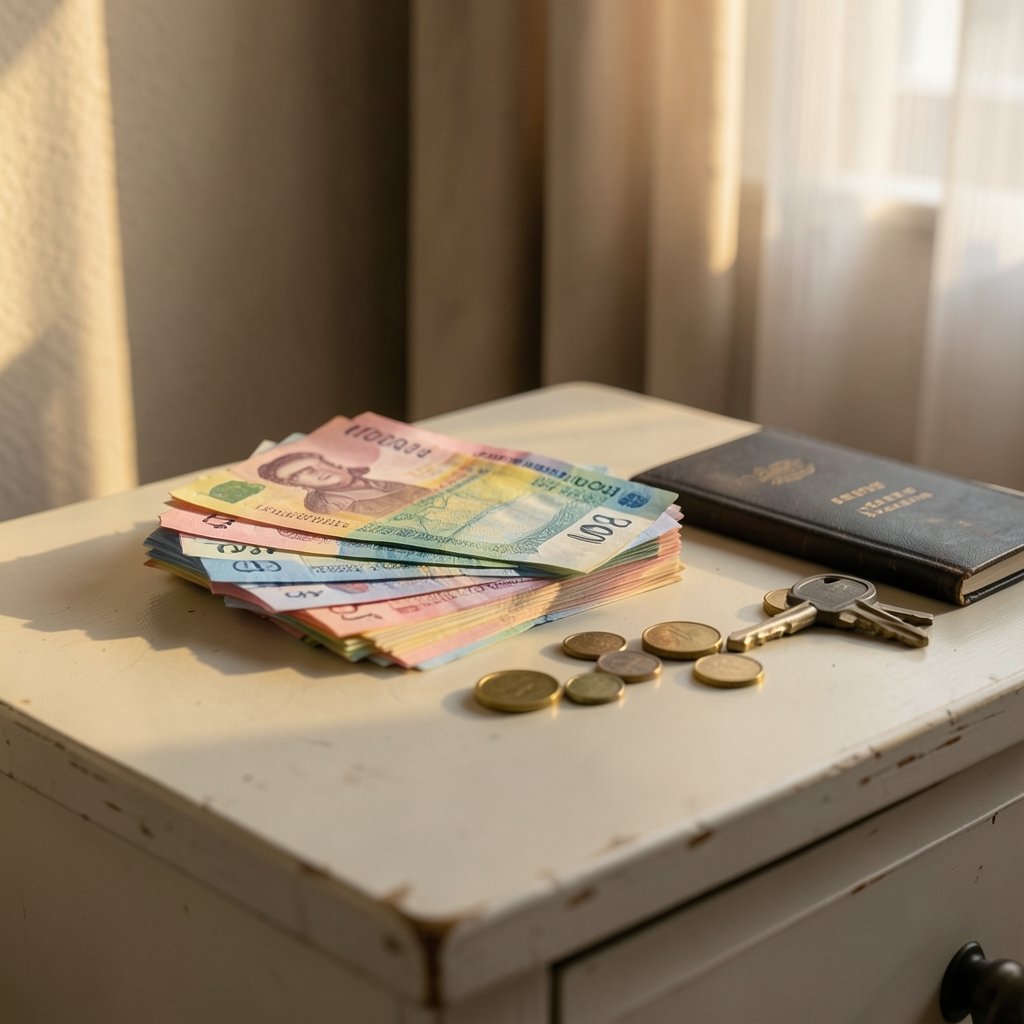
What do you picture when you hear “Colombian money”? Maybe a stack of colorful bills, a coffee farmer counting coins, or a traveler squinting at an exchange screen at Bogotá’s El Dorado airport. The reality is more interesting than any of those pictures. Colombia’s currency has survived gold standards, inflation shocks, a currency band, and a full move to inflation targeting. It has also become one of the more closely watched emerging-market currencies in Latin America.
This guide breaks down the Colombian peso from top to bottom: what it is, who issues it, what the bills and coins look like, how the exchange rate works, and the practical mistakes visitors and businesses make when handling it.
What Is the Colombian Peso?
The Colombian peso is the official currency of Colombia. Its international code is COP, assigned under the ISO 4217 standard that gives every world currency a three-letter identifier. The peso divides into 100 centavos, though centavos disappeared from everyday use long ago. Prices are rounded to the nearest peso, and nobody expects exact change at that level.
The name “peso” comes from the Spanish colonial peso de ocho, or “piece of eight,” a silver coin that circulated across the Spanish empire and became a global trade currency. Colombia adopted the peso as its own unit in the 19th century, replacing the real in 1837.
The peso is issued by the Banco de la República, Colombia’s central bank. The bank was created in 1923, partly to centralize note issuance after a chaotic inflation episode in the early 1920s when several private banks printed their own money. That history still shapes how Colombians think about their currency: stability is not taken for granted.
The Bills and Coins You’ll Actually See
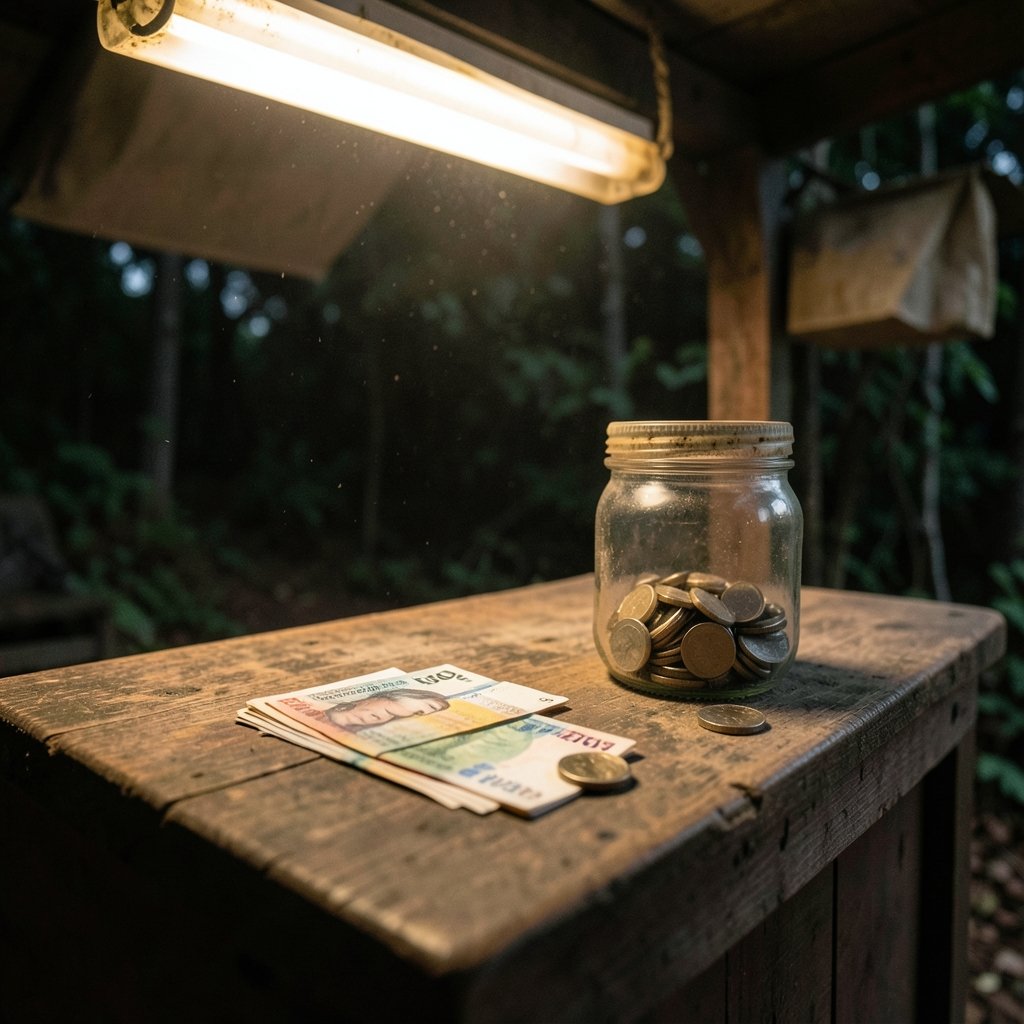
Colombia introduced its current banknote family starting in 2016, and the design refresh was a big deal. The new notes were smaller, more durable, and packed with security features. Here’s the lineup:
| Denomination | Approximate US value* | Notable design element |
|---|---|---|
| 2,000 pesos | Under $1 | Painter Débora Arango |
| 5,000 pesos | About $1 | Poet José Asunción Silva |
| 10,000 pesos | About $2.50 | Anthropologist Virginia Gutiérrez |
| 20,000 pesos | About $5 | President Alfonso López Michelsen |
| 50,000 pesos | About $12 | Writer Gabriel García Márquez |
| 100,000 pesos | About $25 | President Carlos Lleras Restrepo |
*Values shift constantly with the exchange rate; treat these as rough orientation only.
Coins come in 50, 100, 200, 500, and 1,000 pesos. The 1,000-peso coin arrived in 2012 and has a two-tone design. In practice, small coins pile up in pockets and jars because so few transactions need them. Vendors will often round prices rather than hunt for a 50-peso coin.
One practical tip: the 50,000-peso note, featuring Gabriel García Márquez, is the most commonly counterfeited bill in circulation. Learn its security features before you accept one from a street vendor at night.
A Short History of Colombian Money
Colombia’s monetary history is a story of repeated reinvention. In 1871, the country adopted the gold-standard peso oro. In 1905, a law replaced the peso oro with the peso as the national unit. The 1923 creation of the Banco de la República consolidated note issuance and gave the country a lender of last resort.
For most of the 20th century, Colombia managed its currency through controls and crawling pegs. Inflation ran high in the 1980s and 1990s, and the country went through several stabilization programs. In September 1999, Colombia abandoned its exchange-rate band and let the peso float. Around the same time, the central bank moved to an inflation-targeting framework, announcing a public inflation target set by its board.
That shift changed everything about how Colombian money behaves. The peso now moves with global markets, oil prices, and investor sentiment rather than government decree. It also means the exchange rate you see today may look very different tomorrow.
How the Exchange Rate Works
Colombia’s peso floats. Its value against the dollar, euro, and other currencies changes constantly, driven by:
- Oil prices. Colombia is a significant oil exporter, so crude prices move the peso.
- Global risk appetite. When investors flee emerging markets, the peso weakens.
- Interest rate differentials. Higher Colombian rates can attract capital and support the currency.
- Domestic politics and fiscal policy. Elections, tax reform debates, and credit rating changes all leave marks.
For travelers, this creates a strange situation: the peso is one of the more volatile currencies you’ll encounter on a typical trip. A budget planned at one rate can look 10% different a week later. The practical fix is to budget in a range rather than a single number, and to avoid converting every purchase in your head. Pick a working rate at the start of your trip and stick to it.
For businesses, the volatility is a real operational issue. Importers and exporters hedge with forward contracts. Anyone invoicing in COP needs to think about currency risk the same way they think about any other cost.
Cash, Cards, and Digital Payments
Colombia has modernized fast. Bogotá, Medellín, and Cartagena now run on cards and QR-code payments. Nequi and Daviplata are ubiquitous mobile wallets, and many small shops accept them. Contactless cards work in most urban businesses.
But cash still matters. Street vendors, rural towns, taxi drivers, and market stalls often prefer it. A useful rule: carry a mix. Keep small bills for everyday purchases and a larger note hidden away for emergencies. Breaking a 100,000-peso note at a corner store can be genuinely difficult, so ask for smaller denominations whenever you can.
ATMs are widely available in cities. Fees vary, and some machines limit withdrawals to modest amounts per transaction. Using bank-affiliated ATMs during daylight hours is the standard advice.
Digital money is expanding further. Colombia’s central bank has explored a central bank digital currency in pilot form, part of a global wave of experimentation with state-issued digital cash. If you want to understand how that trend could reshape everyday money, this explainer on CBDC and central bank money going digital is a useful starting point.
Common Money Mistakes Visitors Make
First-hand experience from travelers and residents points to a handful of recurring errors:
- Exchanging at the airport. Airport rates are consistently poor. City exchange houses and bank branches usually beat them.
- Assuming cards work everywhere. They don’t. Rural areas and small businesses still run on cash.
- Not checking large notes. Counterfeit 50,000 and 100,000 notes circulate. Check the watermark, the color-shifting ink, and the texture.
- Confusing thousands. A price of “50” in a market often means 50,000 pesos, not 50. Always confirm the unit.
- Falling for scams. Fake taxi drivers, distraction theft, and card skimming are real risks in tourist areas. This breakdown of how the gift card scam works and why victims rarely get their money back shows how quickly fraudsters convert stolen value, and the same caution applies to any payment request you didn’t initiate.
The Cost Side of Money Crime
Counterfeiting and financial fraud carry real costs for Colombia’s economy. Banks invest heavily in detection, merchants absorb losses, and consumers pay through higher prices and tighter security. Understanding where that money goes is useful context for anyone doing business in the country. This analysis of identity threat detection costs and where the money goes breaks down the spending patterns behind financial security, which map closely onto the fraud risks that affect currency handling.
The Peso in the Global Economy
Colombia is Latin America’s fourth-largest economy, and the peso is one of the region’s more traded currencies. It is not a reserve currency, and it is rarely held abroad outside of trade and investment flows. But it matters for anyone with exposure to Colombian assets, coffee, oil, flowers, or tourism.
The peso’s story is also a case study in how emerging-market currencies behave. They tend to strengthen when global conditions are calm and weaken sharply when risk rises. That pattern has repeated through Colombia’s 1999 float, the 2014–2016 oil price collapse, the 2020 pandemic shock, and subsequent rate cycles.
For anyone thinking about how currencies and money systems evolve more broadly, the same forces show up everywhere: inflation, trust, technology, and policy. The same is true of how new financial tools create opportunity. If you’re curious about the business side of emerging technology, this piece on how to make money with AI covers practical angles, and this one on how AI companies make money explains the business models behind them.
Practical Tips for Handling Colombian Money
A few habits make life easier:
- Withdraw larger amounts less often. Fewer ATM visits mean fewer fees and less exposure.
- Keep a small cash reserve separate from your wallet. Pickpockets go for the obvious stash.
- Learn the security features of the 50,000 and 100,000 notes. Two minutes of study prevents most losses.
- Use ride-hailing apps instead of hailing street taxis. Payment is tracked, and fares are fixed in the app.
- Watch for “change” tricks. Some vendors shortchange tourists, especially at night markets. Count your change before walking away.
Conclusion
Colombian money is more than a colorful stack of bills. It is a floating currency shaped by oil, global risk, and a central bank that learned hard lessons about inflation. The peso has been through gold standards, redenomination debates, currency bands, and a modern inflation-targeting regime. It has also gone digital faster than many visitors expect.
For travelers, the practical takeaways are simple: carry a mix of cash and cards, learn the notes, avoid airport exchange counters, and budget in a range. For businesses and investors, the peso demands respect for volatility and a clear plan for currency risk. Either way, understanding how Colombian money works turns a confusing travel headache into a manageable part of the trip.
Frequently Asked Questions
What is the currency of Colombia called?
It is the Colombian peso, written as COP in international currency codes. It divides into 100 centavos, though centavos are no longer used in daily transactions.
Is the Colombian peso stable?
It is a floating currency, so its value changes daily. Colombia has used inflation targeting since around 1999–2000, which has helped anchor prices, but the peso still moves sharply with oil prices and global risk sentiment.
Can I use US dollars in Colombia?
In tourist-heavy areas, some hotels and tour operators may quote prices in dollars, but the legal currency for everyday transactions is the peso. You will generally get better value by paying in local currency.
What is the largest Colombian banknote?
The 100,000-peso note is the highest denomination in circulation. It features former president Carlos Lleras Restrepo and carries advanced security features.
Are credit cards widely accepted in Colombia?
In cities and tourist areas, yes. Contactless cards and mobile wallets like Nequi and Daviplata are common. In rural areas, small shops, and street markets, cash remains essential.
Why is the Colombian peso so volatile?
Colombia is an oil exporter with deep ties to global markets. When commodity prices fall or investors avoid emerging markets, the peso weakens. Domestic politics and interest rate decisions add further movement, which is why businesses hedge and travelers should budget in a range.
Beyond these practical points, the peso’s future will be shaped by familiar forces: fiscal discipline, oil’s long-term trajectory, and the pace of digital adoption. Colombia has shown it can adapt its monetary framework when conditions demand it, from the 1999 float to today’s inflation-targeting regime. For visitors and businesses alike, the lesson is consistent: treat the peso as a living currency rather than a fixed number, verify your notes, and plan for movement. Handle it that way, and Colombia’s money becomes one more part of the journey worth understanding rather than worrying about.



