

What do you actually pull out of your wallet in the Dominican Republic? If you guessed US dollars, you are only half right. The country runs on its own currency, the Dominican peso, and understanding how it works can save you real money on everything from beach beers to hotel bills.
This guide covers the peso from top to bottom: who issues it, what it looks like, how it trades against the dollar, and the practical traps that catch first-time visitors.
What Is the Dominican Peso?
The Dominican peso is the official currency of the Dominican Republic. Its international code is DOP, assigned under the ISO 4217 standard, and it is usually written RD$ to separate it from other Latin American pesos. If you see a price tag reading “RD$500,” that is 500 pesos, not dollars.
The peso is issued by the Banco Central de la República Dominicana (BCRD), the country’s central bank, founded in 1947. The bank manages monetary policy through a body called the Junta Monetaria. The peso is the only legal tender in the country, which matters more than it sounds in a place where dollars circulate so freely.
A Quick History of Dominican Money
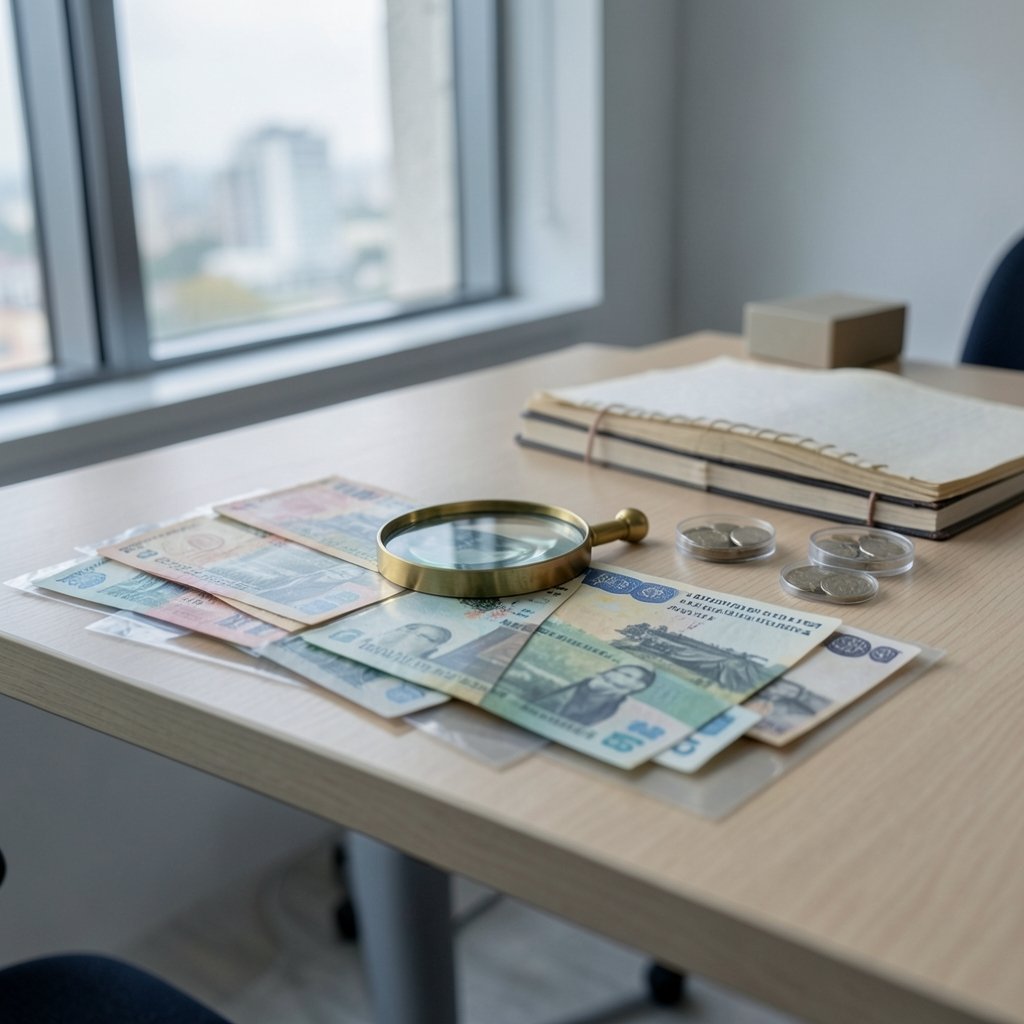
The peso has been through several lives. The country has used different peso systems over the past century, including a gold-backed peso and a later redenomination that converted old notes into new ones at a fixed ratio. The exact dates and conversion rates are the kind of detail best checked against primary central bank sources, because casual histories tend to garble them.
What is clear is that the modern peso has been remarkably stable in structure since the 1990s. The RD$2,000 note, the largest denomination, arrived around the year 2000. Since then, the BCRD has released updated security series and commemorative notes, with the usual mix of new watermarks, security threads, and color-shifting ink.
Coins and Banknotes You Will Actually Handle
Here is the practical picture of what circulates:
| Type | Common denominations |
|---|---|
| Banknotes | RD$50, 100, 200, 500, 1,000, 2,000 |
| Coins | RD$1, 5, 10, 25, plus fractional coins |
In daily life, the RD$50, 100, and 200 notes do most of the work. The RD$2,000 note is large enough that small shops and beach vendors may grumble about breaking it. Coins below one peso exist but are close to useless, and many Dominicans simply round prices to the nearest five or ten pesos.
A practical tip: keep a stack of small notes and coins. Taxi drivers, colmado (corner shop) owners, and street vendors rarely carry change for a 1,000-peso note, and handing one over can turn a thirty-second transaction into a five-minute negotiation.
Managed Float: How the Exchange Rate Works
The Dominican Republic does not peg its currency. It uses a managed float, which means the market sets the exchange rate but the central bank steps in to smooth out wild swings. The BCRD publishes a daily reference rate, and that number is what banks, exchange houses, and newspapers quote.
In practice, this means two things for anyone holding pesos:
- The rate moves, but usually in small daily increments rather than dramatic jumps.
- The official reference rate and the rate you actually get at a counter are not the same. Exchange houses and banks build in a spread, and the gap is where your money quietly disappears.
Comparing a couple of exchange points before changing a large sum is the single easiest way to come out ahead. Airport counters are almost always the worst deal.
The Dollar Question: Can You Pay in USD?
Yes, often, especially in tourist zones like Punta Cana and Samaná. Prices for tours, hotels, and high-end restaurants are frequently quoted in US dollars, and many businesses will accept them happily. The dollar is not legal tender, though. It circulates informally because everyone trusts it and because tourism brings so much of it in.
This creates a classic tourist trap. When a vendor quotes a price in dollars and accepts pesos, the implied exchange rate is often worse than the official one. You can end up paying a hidden premium of several percent without noticing. The fix is simple: ask for the price in pesos, pay in pesos, and keep dollars for emergencies or for places that genuinely price in USD.
If you want to understand how informal dollar habits shape a broader economy, the same logic shows up in debates about central bank digital currencies and how people hold money outside official channels, which is worth a look if the topic interests you.
Remittances: The Money That Comes Home
Remittances are a huge part of the Dominican economy. Money sent home by Dominicans living abroad, mainly in the United States and Spain, has run in the range of US$8–10 billion per year in recent years, a substantial share of GDP. For many families, these transfers are the difference between getting by and getting ahead.
That flow of foreign currency also props up the peso. When remittances are strong, demand for pesos rises, and the exchange rate tends to hold steadier. When they slow, the currency feels it.
Remittances also create a scam surface. Fraudsters target both senders and receivers with fake transfer notices and urgent requests for fees. The pattern mirrors other payment frauds, and it is worth knowing how a gift card scam works so the same red flags are easier to spot in money-transfer messages.
Inflation and the Cost of Living
The central bank has run an inflation-targeting framework for years, with a target band centered around 4 percent, plus or minus one point. That is a moderate, developed-market-style target, and it has generally kept price growth in check compared with some regional neighbors.
For visitors, inflation shows up in small ways: restaurant prices creep up year over year, and taxi fares are more negotiable than fixed. For residents, it shows up in the cost of the basic basket, which is why remittances and informal work matter so much.
Banking, Payments, and the Law
The financial system is supervised by the Superintendencia de Bancos and governed by the Ley Monetaria y Financiera (Law 183-02), passed in 2002. That law is the backbone of modern Dominican banking: it set the rules for licensing, capital requirements, and consumer protection.
Day-to-day payments have gone digital fast. The central bank has pushed instant payment systems and mobile wallets, letting people send money between banks in seconds using just a phone number. If you are visiting, this matters because more businesses now accept card and transfer payments, though cash remains king outside the cities.
For anyone building a financial plan around a country like this, understanding where costs hide is a recurring theme. The same is true of technology budgets, where knowing where identity threat detection costs really come from helps teams avoid nasty surprises.
Practical Tips for Handling Money in the DR
These are the habits that separate smooth trips from frustrating ones:
- Change money at a bank or a reputable casa de cambio, not at the airport or a hotel desk. Compare two or three rates before committing.
- Carry small bills. Break large notes at supermarkets or chain stores, not at taxis or beach stalls.
- Use ATMs inside banks or malls during daylight. Skimming exists, and standalone machines on quiet streets are a risk.
- Decline “dynamic currency conversion.” If a card terminal offers to charge you in dollars, say no. Let it charge in pesos and let your bank convert.
- Keep a cash buffer. Cards fail, ATMs run dry, and small towns can be cash-only for days.
- Count your change. Short-changing is rarely malicious, but rounding errors are common in busy shops.
A common mistake is arriving with a wallet full of large US bills and assuming everywhere will take them at a fair rate. Some places will, at a markup. Most will not, or will hand back change in pesos at a rate you did not agree to.
What Actually Works in Practice
Experienced travelers tend to settle into a simple rhythm: pesos for everything local, dollars only for pre-booked tours and hotel extras, and a card for larger purchases in cities. They withdraw from bank ATMs in modest amounts, keep the receipt, and never flash cash in busy markets.
Businesses, meanwhile, increasingly price in pesos and accept cards, but cash still rules in colmados, guaguas (shared minibuses), and rural areas. The peso is not going anywhere, and neither is the informal dollar.
If you are curious how digital money trends could eventually change habits like these, the shift toward central bank digital currencies is a useful parallel to watch.
Conclusion
Dominican Republic money is simpler than it first looks. The Dominican peso is the only legal tender, issued by the central bank, floating within a managed band, and backed by an economy that runs heavily on tourism and remittances. Dollars are welcome in tourist zones but come with hidden costs. The visitors who do best are the ones who treat pesos as the default, keep small notes handy, compare exchange rates, and stay alert to the small scams that thrive wherever cash changes hands.
Frequently Asked Questions
What currency is used in the Dominican Republic?
The official currency is the Dominican peso, written RD$ and coded DOP under the ISO 4217 standard. It is issued by the Banco Central de la República Dominicana and is the only legal tender in the country.
Can I use US dollars in the Dominican Republic?
Often yes, especially in tourist areas like Punta Cana and Samaná, where prices are frequently quoted in dollars. However, the dollar is not legal tender, and paying in USD usually means accepting an unfavorable implied exchange rate. Pesos are almost always the better deal.
Is it better to exchange money at the airport or in town?
In town, almost always. Airport counters and hotel desks tend to offer the worst rates. Banks and licensed casas de cambio in cities give better spreads, and comparing two or three before changing a large amount is worth the few minutes it takes.
How much should I tip in the Dominican Republic?
Tipping is not mandatory but is appreciated. A common practice is around 10 percent at restaurants if a service charge is not already included, and small amounts in pesos for hotel staff, drivers, and tour guides. Tipping in small peso notes is easier for staff to use than large bills.
Are credit cards widely accepted?
In cities and tourist areas, yes, at hotels, restaurants, and larger shops. Outside those zones, cash dominates. When paying by card, always choose to be charged in pesos rather than dollars to avoid dynamic currency conversion fees.
Is the Dominican peso stable?
Reasonably so by regional standards. The country runs a managed float with an inflation target around 4 percent, and the central bank intervenes to smooth volatility. The rate drifts over time but rarely jumps sharply, which makes it easier to budget for a trip.
One more practical note on timing: exchange rates and prices can shift with the season, since tourism arrivals and remittance flows both peak at different points in the year. Changing money in smaller batches rather than all at once spreads your exposure and lets you take advantage of a better rate if one appears. Keep receipts for larger exchanges, and if a rate looks dramatically better than everywhere else, treat that as a warning rather than a bargain. Legitimate casas de cambio compete on spread, not on miracles. With pesos in your pocket, small bills on hand, and a rough sense of the going rate, the Dominican Republic is an easy place to handle money well.



