
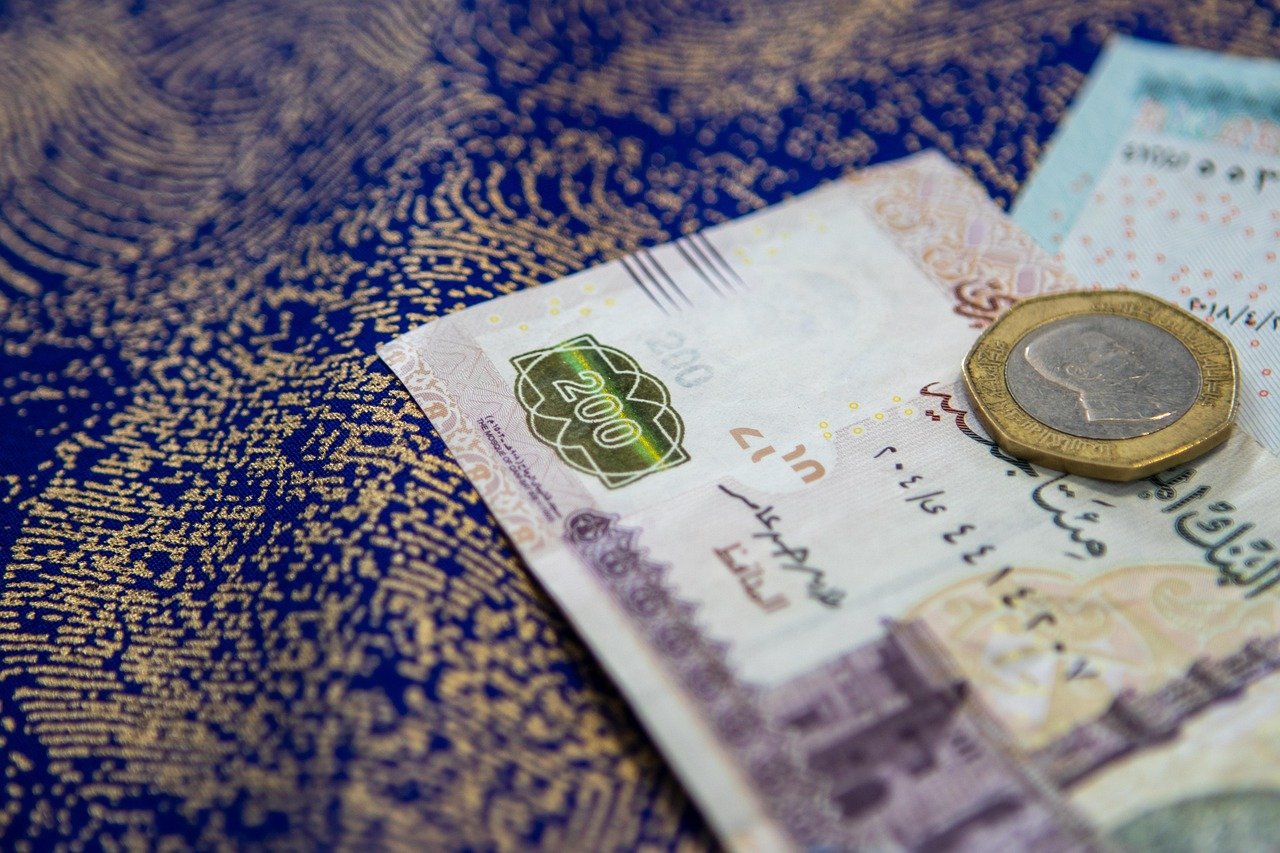
What do you actually know about the cash in an Egyptian wallet? Most travelers recognize the colorful notes and the small metal coins, but few can explain why the Egyptian pound looks the way it does, why its value keeps shifting, or why a shopkeeper might hand back a crisp polymer note with a proud smile. Egyptian money is more than a travel accessory. It is a story of empire, central banking, devaluation, and everyday survival wrapped in paper and plastic.
This guide walks through what the Egyptian pound is, how it is issued, what the notes and coins look like, how exchange rates affect real people, and the practical mistakes visitors and locals make when handling cash.
What Is the Egyptian Pound?
The Egyptian pound is the national currency of Egypt. Its Arabic name is جنيه (ginēh), and its international code is EGP, assigned under the ISO 4217 currency code standard that banks and payment systems use worldwide. One pound divides into 100 piastres, though piastres matter far less today than they did a generation ago.
The pound is not a young currency. It was introduced in 1834 under Muhammad Ali, replacing the Egyptian piastre as the main unit of account, and Egypt decimalised the pound into 100 piastres in 1885 as the country aligned with the gold standard. That makes the pound one of the older national currencies still in use, even if its modern form looks nothing like the nineteenth-century version.
Who Issues Egyptian Money?
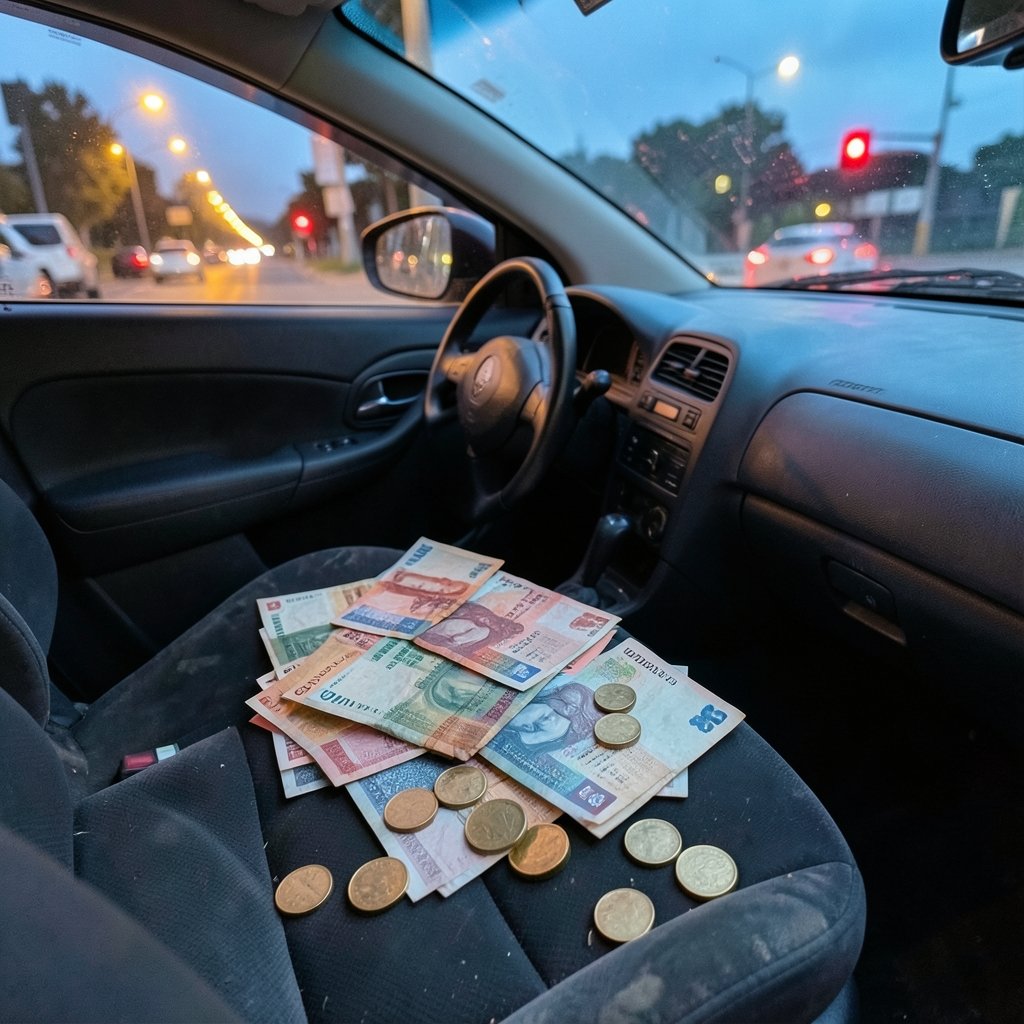
The Central Bank of Egypt (CBE) is the monetary authority. It sets monetary policy, manages the exchange rate regime, and issues banknotes. Coins are handled through the Ministry of Finance. The CBE itself was established in 1961, taking over note issuance from the National Bank of Egypt, and it has been the anchor of Egyptian financial stability ever since.
That institutional role matters for anyone holding Egyptian cash. When people ask whether a note is genuine, whether an old series is still valid, or why a bank refuses a torn bill, the answer usually traces back to CBE rules rather than shop-level preference.
Banknotes: From Paper to Polymer
The current family of Egyptian banknotes covers EGP 5, 10, 20, 50, 100, and 200 denominations. The series rolled out in stages from the late 1970s onward, with the EGP 200 note arriving in 2007. Each note carries a portrait or monument tied to Egyptian heritage, from pharaonic temples to modern Islamic architecture, alongside Arabic script and increasingly sophisticated security features.
The bigger shift came with plastic. Egypt introduced its first polymer banknote, the EGP 10, in 2021, followed by a polymer EGP 20. Polymer notes last longer, resist tearing and moisture better than paper, and are harder to counterfeit. In practice, shopkeepers often treat a clean polymer note as a small trophy and hesitate to give it away in change.
| Denomination | Type | Notable Feature |
|---|---|---|
| EGP 5 | Paper | Smallest common note, heavily used for small purchases |
| EGP 10 | Polymer (since 2021) | Egypt’s first plastic note, durable and harder to fake |
| EGP 20 | Polymer | Second polymer issue, increasingly common in daily trade |
| EGP 50 | Paper | Workhorse note for mid-sized purchases |
| EGP 100 | Paper | Standard note for larger everyday transactions |
| EGP 200 | Paper (since 2007) | Highest denomination, awkward to break in small shops |
Coins and the Piastre Problem
Coins in circulation include 25 and 50 piastres and the EGP 1 coin. Smaller piastre coins have largely dropped out of circulation because inflation has made them nearly worthless. This creates a small but real friction point: prices are still quoted in piastres, but the coins to pay them often do not exist.
The practical result is rounding. A vendor may simply wave away 25 piastres rather than hunt for a coin, or round up to the nearest pound. Visitors should not treat this as cheating. It is a normal adaptation to a currency whose smallest units have lost purchasing power.
Why the Pound’s Value Keeps Changing
The Egyptian pound has been through several major adjustments. In November 2016, the CBE floated the pound, moving to a market-determined exchange rate and ending a long period of tight control. Further adjustments followed in 2022–2024 as external pressures, import costs, and foreign-currency shortages forced the currency lower again.
Since the 2016 float, the pound has not been pegged to a single currency. The CBE manages it against a basket, and the exchange rate is market-determined. For ordinary Egyptians, this has meant a painful squeeze: imported goods, fuel, and electronics became dramatically more expensive in local terms, while salaries adjusted slowly.
For visitors, the effect is different. A trip that once felt expensive can suddenly feel affordable, and then shift again within months. Anyone planning a budget should check the rate close to departure rather than relying on last year’s numbers.
The Cost of Getting Money Wrong
Currency instability creates a secondary problem: fraud and financial crime. Counterfeit notes circulate more easily when cash changes hands quickly and when people are anxious about value. The same anxiety fuels scams. A common one is the gift card scam, where victims are pressured into buying cards and reading out codes, and where victims rarely get their money back. Tourists and residents alike should treat any urgent demand for payment in gift cards as a red flag.
Financial institutions face their own version of this problem. Banks and payment providers spend heavily on identity verification and fraud detection, and the costs are not always obvious from the outside. A breakdown of where identity threat detection money actually goes shows how much of the spending sits in places customers never see.
Digital money is changing the picture too. Egypt has explored central bank digital currency as part of a broader global move toward official digital cash, and the debate over how a CBDC would work and what it would replace is worth following for anyone who handles Egyptian money regularly.
Practical Tips for Handling Egyptian Cash
First-hand experience with Egyptian cash teaches a few lessons quickly. These are the habits that actually help.
- Carry small notes deliberately. Breaking an EGP 200 note in a small shop or taxi can be genuinely difficult early in the day. Keep a stack of 10s, 20s, and 50s.
- Check notes before you leave the counter. Counterfeit detection is easier in good light, and disputes are harder once you have walked away.
- Expect rounding. Do not argue over 25 piastres. It is not worth the friction.
- Keep cash separate from cards. ATMs can run dry or refuse foreign cards, especially outside major cities.
- Do not accept badly torn notes. Banks may refuse them, and so may shops.
- Watch the exchange rate, not the rumor. Official rates and street rates differ, and the gap matters.
A common mistake is assuming that because prices are low in foreign currency terms, everything is cheap. Imported goods, hotel extras, and tourist-site tickets are often priced closer to international levels, and the gap between local and visitor pricing can be wide.
Making Money in a Changing Economy
Egyptian money questions are not only about spending. Many people want to know how to earn in a currency that holds value better than the pound, or how to build income that is not tied to local inflation. Learning how to make money with AI has become a genuine topic of interest for freelancers and small businesses looking for foreign-currency income, though the realistic paths are narrower than the hype suggests.
The same caution applies to business automation. Tools that promise to cut costs often add subscription fees and integration work that small operators underestimate. A practical guide to using AI business automation without wasting money is a better starting point than a vendor pitch. Understanding how AI companies make money also helps, because the business model behind a free tool usually explains what you will eventually pay for.
For anyone planning a major life event, currency timing matters too. A couple planning a wedding abroad may find that exchange-rate swings change the budget more than any venue choice. A guide to choosing a wedding venue that saves money and stress covers the practical side, but the currency question sits underneath it.
How Egyptians Actually Use Money Today
Cash remains dominant in daily life, especially in markets, taxis, and small shops. Card acceptance has grown in cities and hotels, and mobile wallets have gained ground, but a visitor who relies only on cards will hit walls. The informal economy runs on notes and coins.
Savings behavior reflects the currency’s history. Many Egyptians hold savings in gold, foreign currency, or property rather than pounds, a habit built from repeated devaluations. Gold in particular functions as a household hedge, bought in small amounts and sold when needed. This is not speculation for most families. It is protection.
Remittances from Egyptians working abroad are another pillar. Foreign-currency inflows from workers overseas support families and, at the national level, help ease pressure on reserves. When the pound weakens, remittances stretch further at home, which softens the blow for some households.
Common Mistakes and What Actually Works
The mistakes repeat across visitors and residents alike. People trust unofficial exchange offers that turn out to be counterfeit operations. They carry large notes and then cannot spend them. They convert too much cash at once and lose value when the rate moves. They assume old notes are worthless when they may still be redeemable.
What works is boring. Use official exchange channels. Keep a mix of denominations. Check the rate before converting. Keep receipts for large transactions. Treat unusually good offers as warnings rather than opportunities. And when a deal involves urgency, secrecy, or payment in gift cards, walk away.
Conclusion
Egyptian money is a compact lesson in how currencies live. The pound carries nearly two centuries of history, a central bank built in 1961, a polymer future that arrived in 2021, and an exchange rate that has been repeatedly rewritten by circumstance. For visitors, understanding the notes, the coins, and the rounding habits makes a trip smoother. For residents, understanding the currency’s trajectory is a matter of household survival.
The best approach sits between fear and indifference. Respect the cash, check the rate, keep small notes, and stay alert to scams. Egyptian money rewards attention, and it punishes assumptions.
What is the currency of Egypt called?
The national currency is the Egyptian pound, written as جنيه in Arabic and coded as EGP internationally. One pound divides into 100 piastres, though piastre coins are rarely used today because inflation has eroded their value.
Are Egyptian banknotes paper or plastic?
Both. Most denominations are paper, but Egypt introduced a polymer EGP 10 note in 2021 and later a polymer EGP 20. Polymer notes last longer, resist moisture and tearing, and are harder to counterfeit, which is why shopkeepers often prefer to keep them.
Why does the Egyptian pound keep losing value?
The pound has been subject to repeated devaluations, most notably the 2016 float and further adjustments in 2022–2024. These reflect pressure from import costs, foreign-currency shortages, and broader economic conditions. Since 2016 the rate has been market-determined rather than pegged to a single currency.
Can tourists use cards instead of cash in Egypt?
Partly. Cards work in hotels, larger restaurants, and many city shops, but markets, taxis, and small vendors still run on cash. Carrying a mix of small notes and a card is the practical approach, especially outside major cities where ATMs can be unreliable.
What should I do if I receive a torn or old banknote?
Try to avoid accepting badly damaged notes in the first place, since shops and banks may refuse them. If you already have one, take it to a bank rather than trying to pass it on. Older series may still be redeemable even when they are no longer commonly seen in daily trade.
Is it safe to exchange money on the street in Egypt?
No. Unofficial exchange offers carry real risk of counterfeit notes and lost funds. Official banks and licensed exchange offices are the safer route, even when the rate looks less attractive. Treat any offer that seems unusually good as a warning sign rather than a bargain.



