
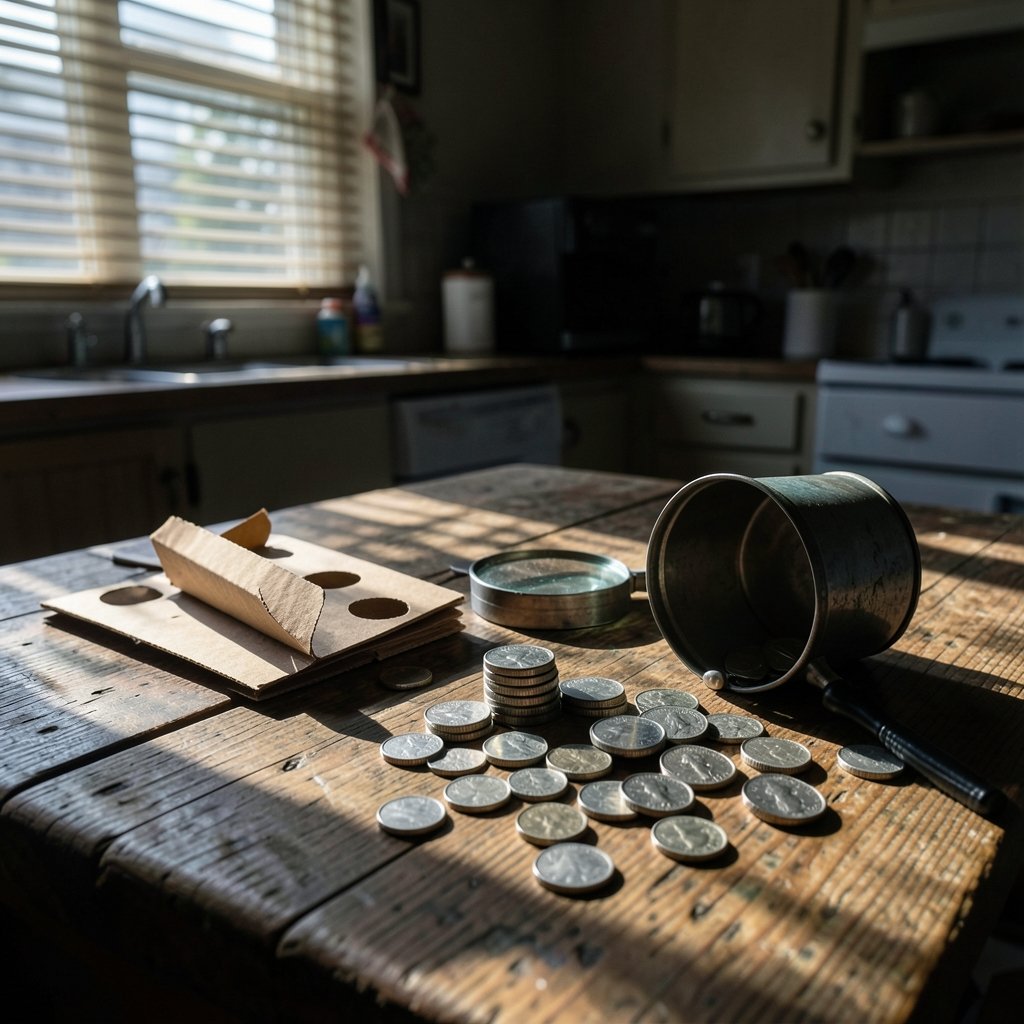
Quick Answer: Which quarters are worth money?
The quarters most likely to be worth more than 25 cents are pre-1965 Washington quarters, which are 90% silver and carry melt value tied to the daily silver price. Next come the 1965 to 1970 quarters, which are 40% silver and hold a smaller premium, followed by a short list of key dates, low-mintage issues, and error coins that collectors pay real money for.
Most quarters in a pocket or jar are copper-nickel clad and worth exactly face value. The exceptions are specific years, mint marks, and conditions, so identification matters more than age alone.
Before assuming a coin is valuable, check its year, mint mark, silver content, condition or grade, and whether it shows a recognized mint error. Cross-check any estimate against more than one reputable price source, because published values are estimates and change with the market.
Why So Many People Get This Wrong
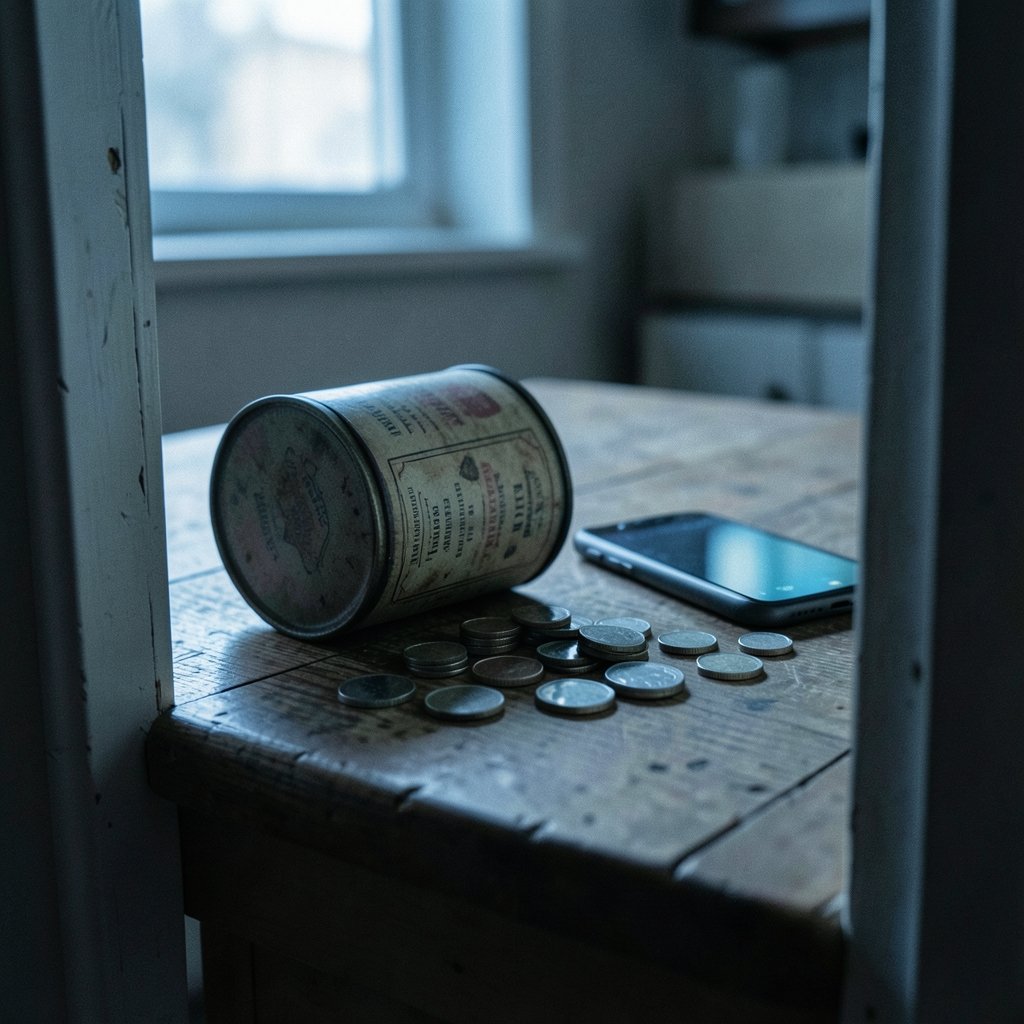
A reader empties a coffee can of quarters onto the kitchen table and starts sorting. Within ten minutes, a social media post has convinced them that a 1976 Bicentennial quarter is a hidden fortune. It is not. That gap between online hype and reality is where most quarter hunting goes sideways.
The honest answer is that quarter values come down to a handful of factors that anyone can learn to check. Metal content, mintage numbers, mint marks, condition, and errors do almost all the work. Once a person understands those five levers, the noise fades and the sorting gets fast.
This guide walks through what actually drives value, which specific quarters collectors chase, and the mistakes that cost people money, either by missing a good coin or by overpaying for a common one.
The Silver Rule That Explains Most Quarter Values
The single most useful fact in quarter collecting is that silver content separates the wheat from the chaff. Washington quarters minted from 1932 through 1964 are 90% silver. Their floor value is the melt value of that silver, which moves with the spot price every trading day. Even a heavily worn 1943 quarter is worth more than a quarter. (Quarter (United States coin)))
Quarters struck from 1965 through 1970 are a different animal. They are 40% silver, made as a copper-nickel-silver sandwich. They carry a modest premium over face value, but noticeably less than their 90% cousins. From 1971 onward, quarters are copper-nickel clad with no silver at all, so they are worth face value unless something else makes them special.
That means the fastest first pass on any pile of quarters is simple: check the date. Anything 1964 or earlier goes in the silver pile. Anything 1965 to 1970 goes in a second pile. Everything else goes back in the jar unless a closer look turns up something unusual.
A practical tip from people who sort regularly: buy a cheap digital scale and a coin flip tray. Silver quarters weigh slightly more than clad ones, and the difference is easy to feel once you have handled a few hundred. Also check the edge. Pre-1965 silver quarters have no copper-colored stripe on the rim, while clad quarters show one clearly. That rim check takes about a second per coin and catches most silver before it slips back into circulation.
Key Dates and Low-Mintage Quarters Collectors Hunt
Beyond silver, rarity drives value. Some quarters were minted in small numbers, and collectors pay premiums for them in any condition.
The 1932-D and 1932-S Washington quarters are the classic key dates. Both were struck in low quantities during the first year of the Washington series, and they are the most valuable regular-issue quarters in circulated grades. A worn 1932-D still commands real money, and an uncirculated example can be worth many times that.
| Quarter | Why It Matters | Typical Value Range |
|---|---|---|
| 1932-D Washington | Key date, low mintage | Premium in all grades |
| 1932-S Washington | Key date, low mintage | Premium in all grades |
| 1932-P Washington | First year, common | Modest premium |
| 1964 Washington | Last 90% silver year | Melt value plus small premium |
| 1976 Bicentennial | Very common | Face value circulated |
| 2019–2020 W quarters | Low circulation release | Collector premium |
The 1976 Bicentennial quarter, with its dual 1776–1976 date, is the most misunderstood coin on this list. It was minted in enormous numbers, and circulated examples are worth 25 cents. Only high-grade uncirculated pieces or error examples carry a premium, and even then the amounts are modest.
The 2019 and 2020 “W” mint mark quarters are a more modern exception. Struck at West Point and released into circulation in small numbers as part of the America the Beautiful series, they became an instant collector target. Finding one in pocket change is uncommon enough that collectors still pay a premium for them.
How Condition Changes Everything
Two identical 1932-D quarters can differ in value by a factor of ten or more, and grade is the reason. Condition is judged on a standardized scale, and the difference between a worn “good” coin and a sharp “uncirculated” one is where most of the money lives.
This is also where beginners get burned. A coin pulled from circulation has wear on the high points, surface scratches, and often cleaning marks. Cleaning a coin, even gently, usually destroys much of its collector value. Never polish, scrub, or dip a quarter you suspect is valuable. Leave it alone and get an opinion first.
Grading services assign numeric grades, and their published standards are the reference point the market uses. For anyone serious about a specific coin, learning the basics of grading is worth the time, because it determines whether a coin is a face-value curiosity or a genuine find. (Coin Grading Scale)
Error Quarters: Small Mistakes, Big Premiums
Mint errors create value regardless of year, which is why error hunting is its own hobby. A doubled die shows doubled lettering or design elements from a misaligned die strike. An off-center strike leaves part of the coin blank. A wrong planchet means the coin was struck on the wrong metal blank entirely.
These are rare by definition, and most are caught by quality control before leaving the mint. But they do reach circulation, and when they do, collectors pay for them. The key is knowing what a real error looks like versus post-mint damage. A coin that was scratched, dented, or squeezed in a parking meter is damaged, not an error, and damage usually lowers value rather than raising it.
Anyone who thinks they have found an error should photograph it clearly from several angles and compare it against a reputable error reference before getting excited. Many “errors” turn out to be common die wear or simple damage.
What Actually Works When You Sort
Practical sorting beats internet rabbit holes. A workable routine looks like this:
- Sort by date first, pulling out everything from 1970 and earlier.
- Check the rim on each older coin to confirm silver versus clad.
- Look up mint marks, which sit below the date on Washington quarters, and flag any 1932-D or 1932-S.
- Set aside anything that looks unusual in strike, alignment, or surface.
- Keep suspected finds separate and untouched, and get a second opinion before selling.
Two common mistakes show up again and again. The first is overvaluing common coins because a website quoted a price for a perfect uncirculated example. The second is undervaluing a worn key date because it looks old and dirty. Both come from skipping the grade question.
It also helps to remember that coin collecting is a market like any other. Prices rise and fall with demand and with silver spot. A price guide is a snapshot, not a promise, and the amount a dealer will actually pay is usually below retail. That gap is normal and worth understanding before selling.
If you enjoy this kind of practical value analysis, the same approach works for other purchases. The logic behind Xbox Game Pass cost in 2025 and whether it’s worth it mirrors coin hunting: know what you are actually getting, compare against the real market, and ignore the hype. The same holds for whether ChatGPT Plus is worth it in 2026, where a short list of practical questions separates genuine value from marketing noise.
Where to Get Reliable Values
The safest habit is triangulation. Check more than one source, and prefer sources that state the grade their price applies to. Published guides typically list values by grade, and the spread between grades is often the most important number on the page.
Auction records are another useful signal, because they show what buyers actually paid rather than what a seller hoped to get. For silver quarters, the spot price is the anchor, and any premium above melt should be explainable by rarity or condition.
Finally, be skeptical of any list that promises a fortune from pocket change. Exaggerated claims are common, and the coins that genuinely carry value are usually a small, well-documented group. The broader lesson applies to most consumer decisions: verify before you commit. That is the same principle behind comparing YNAB versus Monarch Money for zero-based budgeting versus net worth tracking, where the right answer depends on what you actually need rather than which option sounds better.
Conclusion
Quarters worth money fall into a few clear buckets: pre-1965 silver, 1965 to 1970 silver, a short list of key dates like the 1932-D and 1932-S, modern low-mintage releases like the 2019 and 2020 W quarters, and genuine mint errors. Everything else is face value, and that is most of what circulates.
The practical path is straightforward. Sort by date, check the rim for silver, look up mint marks, resist the urge to clean anything, and verify values against more than one source before believing a number. Do that, and the coffee can becomes a quick, honest exercise instead of a hopeful guessing game.
FAQ
Are all pre-1965 quarters worth more than face value?
Yes, because they contain 90% silver and their melt value tracks the silver spot price. Even heavily worn examples are worth more than 25 cents, though the exact amount changes daily.
Is a 1976 Bicentennial quarter rare?
No. The Bicentennial quarter was minted in very large numbers, and circulated examples are worth face value. Only high-grade uncirculated pieces or genuine error examples carry a premium.
How can I tell if a quarter is silver without a scale?
Check the edge. Silver quarters have a solid, uniform rim, while copper-nickel clad quarters show a distinct copper-colored stripe. The date is the fastest guide, since 1964 and earlier means 90% silver.
Should I clean a quarter I think is valuable?
No. Cleaning removes original surface and usually reduces collector value significantly. Leave the coin as it is and get an expert opinion before doing anything to it.
What makes the 1932-D and 1932-S quarters so valuable?
Both were struck in low quantities during the first year of the Washington quarter series. That combination of low mintage and steady collector demand keeps them in high regard in every grade.
Can a quarter with a minting mistake be worth a lot?
Sometimes. Doubled dies, off-center strikes, and wrong-planchet errors can command real premiums, but value depends on rarity and condition. Many apparent errors are actually post-mint damage, so verify against a reputable error reference first.
The short answer is that a quick sort rarely takes more than an evening, and the coins you keep are the ones with a documented reason to be worth more than face value. Everything else can go back into circulation without regret. If a find turns out to be significant, a professional grading submission is the final step that turns a suspicion into a verified, sellable asset.



