

Quick Answer: What pokemon cards are worth money?
The cards that reliably hold value are early first-edition printings, rare “chase” cards from modern sets, and sealed vintage product, with the 1999 first-edition Base Set Charizard as the classic benchmark. You can check what any card is worth by comparing recent sold listings on marketplaces, reviewing official set data, and looking at grading population reports.
Not every shiny card is a payday, though. A raw card in a binder and the same card graded Gem Mint can differ in price by a factor of ten or more, so condition matters as much as rarity. Modern alternate-art cards can fetch hundreds of dollars but swing wildly with set popularity.
Before you act on any card, compare the exact set and card number, the printing variant, the condition or grade, recent sold prices, grading costs, and how many graded copies exist.
Why the Pokémon Card Market Rewards Patience, Not Hype
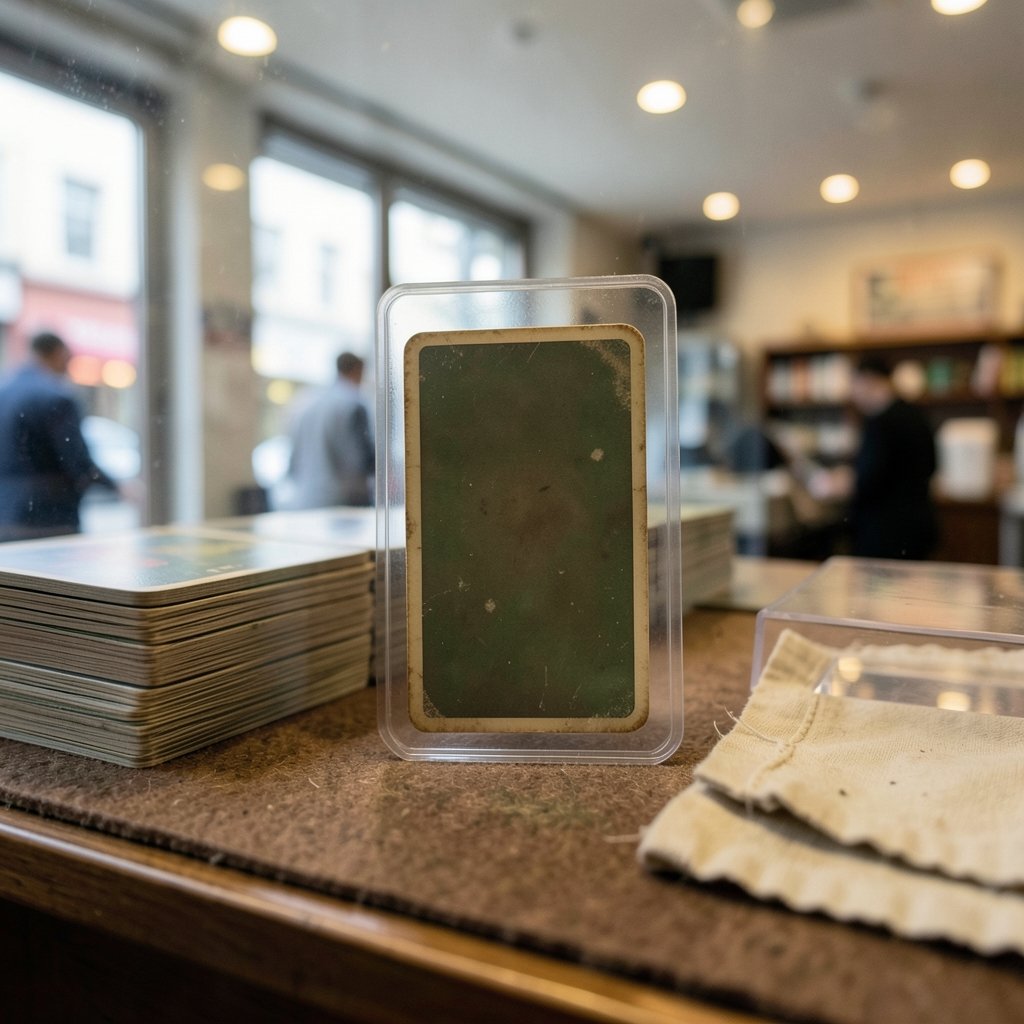
Have you ever found a Charizard in an old shoebox and wondered if it could pay a bill? Almost every collector has that moment. The truth is messier and more interesting than the viral headlines suggest. Some cards genuinely sell for six figures. Most are worth a few dollars, and a lot are worth nothing at all. The gap between those outcomes comes down to a handful of factors that anyone can learn to check.
The market has matured a lot since the 2020 boom. Auction houses now handle Pokémon cards alongside sports memorabilia, grading companies publish detailed population data, and buyers have become pickier. That’s good news for careful collectors. It means value is less about luck and more about understanding what actually drives demand.
The Cards That Actually Carry Value
Value in Pokémon cards comes from a blend of age, scarcity, condition, and demand. A card needs most of these working together. Here’s where the real money tends to sit.
First-Edition Base Set Cards
The 1999 Base Set is the foundation of the hobby. Within it, first-edition cards carry a small “Edition 1” stamp and were printed in limited numbers. They’re the blue-chip assets of the collecting world. The first-edition Charizard (card #4/102) is the most famous example, and PSA-graded Gem Mint 10 copies have sold in the hundreds of thousands of dollars, with one reported sale around $420,000 in 2022.
Exact sale prices vary by auction and are often reported secondhand, so treat any single figure as a snapshot rather than a fixed value.
Shadowless and Unlimited Printings
Not all 1999 Base Set cards are equal. Collectors separate them into three broad groups: first-edition, shadowless (no drop shadow around the artwork box), and unlimited. The differences are subtle to a casual eye but enormous to a buyer. A shadowless Charizard might be worth several times an unlimited one in the same condition.
This is one of the most common mistakes people make. They see “1999 Charizard” in a sold listing and assume their card matches. It usually doesn’t. Check the stamp, check the shadow, and check the card number before you get excited.
Sealed Vintage Product
Factory-sealed booster boxes and packs from early sets command high prices because so few survive unopened. Every pack that gets ripped reduces the supply permanently. That scarcity makes sealed product a category of its own, though it’s also the easiest place to lose money if you can’t verify authenticity.
Modern Chase Cards
Recent sets produce chase cards: alternate-art, full-art, and special illustration rares that collectors hunt. Some are worth hundreds of dollars. Their values are volatile and tied to how popular a set is and how hard the card is to pull. A card that’s hot this year can cool off fast when the next set steals attention.
How Grading Changes Everything
Here’s the single biggest lesson in card collecting: the same card can be worth wildly different amounts depending on condition. A raw, ungraded card might sell for $200 while a professionally graded copy of the identical card sells for $2,000 or more. (Pokémon Trading Card Game)
Grading companies inspect a card and assign it a number, usually on a 1 to 10 scale. PSA, Beckett (BGS), and CGC are the three names you’ll hear most. PSA publishes its official grading standards that explain exactly what separates a 9 from a 10, and it’s worth reading before you submit anything. Beckett’s BGS grading scale adds subgrades for centering, corners, edges, and surface, which some collectors prefer for the extra detail.
| Grade | Typical meaning | Value impact |
|---|---|---|
| PSA 10 / BGS 9.5+ | Gem Mint, near-perfect | Highest premium, often many times raw value |
| PSA 9 | Mint, one tiny flaw | Strong but noticeably below a 10 |
| PSA 7–8 | Near Mint | Modest premium over raw |
| PSA 5–6 | Excellent | Often close to raw price |
| Raw / ungraded | Unknown condition | Baseline; buyers discount for risk |
The jump from a 9 to a 10 is where fortunes hide. That single grade point can multiply a card’s price, which is why grading submission decisions matter so much.
Reading the Market Like a Collector
Prices don’t appear from nowhere. They come from actual sales, and you can track them.
The standard approach is to look at sold listings on marketplaces rather than asking prices. Anyone can list a card for a million dollars. What matters is what buyers actually paid. Filter by recent sales, match the exact card and grade, and ignore outliers on both ends.
Then check population reports. PSA’s population report shows how many examples of a specific card have been graded at each level. A card with only a handful of Gem Mint 10 copies is scarcer than one with thousands, and scarcity supports price. Population counts change over time as more cards get submitted, so a low number today doesn’t guarantee it stays low.
Finally, confirm you’ve identified the card correctly. The official Pokémon TCG card database lets you check set names, card numbers, and artwork so you’re comparing apples to apples. Misidentifying a set is one of the easiest ways to misjudge value.
Practical Tips That Actually Work
A few habits separate collectors who make good decisions from those who get burned.
Handle cards by the edges. Oils from fingers damage surfaces, and surface damage kills grades. Sleeve every card you think might be valuable before it touches anything else.
Don’t grade everything. Grading costs money per card plus shipping and insurance. It only makes sense when the potential graded value clearly exceeds the raw value plus the fee. A $15 card is rarely worth a $25 grading submission.
Photograph before you sell. Clear photos of the front, back, corners, and any flaws build trust and reduce disputes. Buyers pay more when they can see exactly what they’re getting.
Watch for counterfeits. Reprints and fakes exist, especially of high-demand cards. Buying graded cards or from established sellers with strong feedback lowers the risk considerably.
Treat values as snapshots. The market is speculative. Prices can fall as easily as they rise, and no “worth” figure is a promise. If you’re spending real money, spend what you can afford to lose.
If you’re weighing a bigger purchase, the same logic that applies to whether a graphics card is worth buying for everyday use applies here: match the spend to actual use, not to hype. And if you’re considering a subscription-style splurge on the gaming side, a breakdown of Xbox Game Pass costs and whether it’s worth it shows how the same value-vs-hype math plays out.
Common Mistakes That Cost Collectors Money
The most expensive errors aren’t rare. They’re predictable.
Mistaking an unlimited printing for a first-edition is the classic. So is overgrading a card in your head. A card that looks perfect to you might have centering issues visible only under magnification, and centering is often the difference between a 9 and a 10.
Another trap is chasing modern hype. When a new set drops and a chase card spikes, plenty of buyers pay the peak. Values often settle lower once the hype fades. Patience usually beats urgency.
Finally, don’t overlook storage. Binders in hot attics warp cards. Sunlight fades artwork. A cheap penny sleeve and a rigid top loader protect more value than most people realize.
When Selling Makes Sense
Selling is a skill of its own. The best time to sell is when you have a clear reason: you need the money, you’re upgrading your collection, or a card’s price has climbed beyond what you expect to hold. Selling purely because a card is trending is how people regret decisions later.
For higher-value cards, graded sales through reputable channels tend to attract more serious buyers. For lower-value cards, selling in lots saves time even if the per-card price is lower. Shipping carefully, with tracking and protection, protects your reputation and your buyer’s trust.
If you’re managing the proceeds, it helps to think about where the money goes next. Budgeting tools like the ones compared in this YNAB vs Monarch Money breakdown of zero-based budgeting versus net worth tracking can help you decide whether a windfall becomes savings or spending. And if a buyer ever asks you to settle a sale with gift cards, stop: understanding how the gift card scam works and why victims rarely get their money back is essential protection in any collectibles transaction.
Conclusion
So what Pokémon cards are worth money? The honest answer is that value lives in a narrow slice of the hobby: early first-edition printings, scarce sealed product, and genuinely rare modern chase cards, all filtered through condition and grading. Everything else is mostly fun, and that’s fine. The collectors who do best are the ones who learn to identify cards precisely, check real sold prices, understand how grading shifts value, and stay skeptical of hype. Whether you’re digging through a childhood binder or eyeing a graded grail, the same discipline applies. Know what you have, know what it actually sells for, and let patience do the heavy lifting.
FAQ
How do I tell if my old Pokémon card is first edition?
Look for a small “Edition 1” stamp near the bottom left of the card’s artwork box. First-edition cards from the 1999 Base Set also tend to lack a drop shadow around the art frame, though shadowless and first-edition aren’t always the same thing. Check the stamp, the shadow, and the card number together before assuming value.
Does grading a card always increase its value?
No. Grading adds a premium mainly when the card comes back at a high grade and the card itself is in demand. A low grade on a common card can leave you worse off after paying the fee. Run the math first: compare the likely graded value against the raw value plus grading and shipping costs.
Are modern Pokémon cards worth collecting for value?
Some are. Alternate-art and special illustration rares from recent sets can sell for hundreds of dollars. But modern values are volatile and tied to set popularity and pull rates, so they behave more like trends than blue-chip assets. Collect what you enjoy, and treat any value as temporary.
What is a population report and why does it matter?
A population report shows how many copies of a specific card a grading company has certified at each grade level. Low populations at the top grades suggest scarcity, which can support higher prices. These counts rise over time as more cards are submitted, so they’re a moving target rather than a fixed fact.
How can I avoid buying a fake Pokémon card?
Buy graded cards or purchase from sellers with strong, long track records and clear photos. Compare artwork, fonts, and card stock against official set references. Prices that seem far below market are a warning sign, not a bargain. When in doubt, walk away.
Is it worth holding cards long term instead of selling now?
It depends on the card and your goals. Vintage, high-grade, and sealed product have historically held value better than modern chase cards, but no card is a guaranteed investment. If you don’t need the money and the card is genuinely scarce, holding can make sense. If the price has already climbed past your expectations, taking the gain is a reasonable choice too.



