
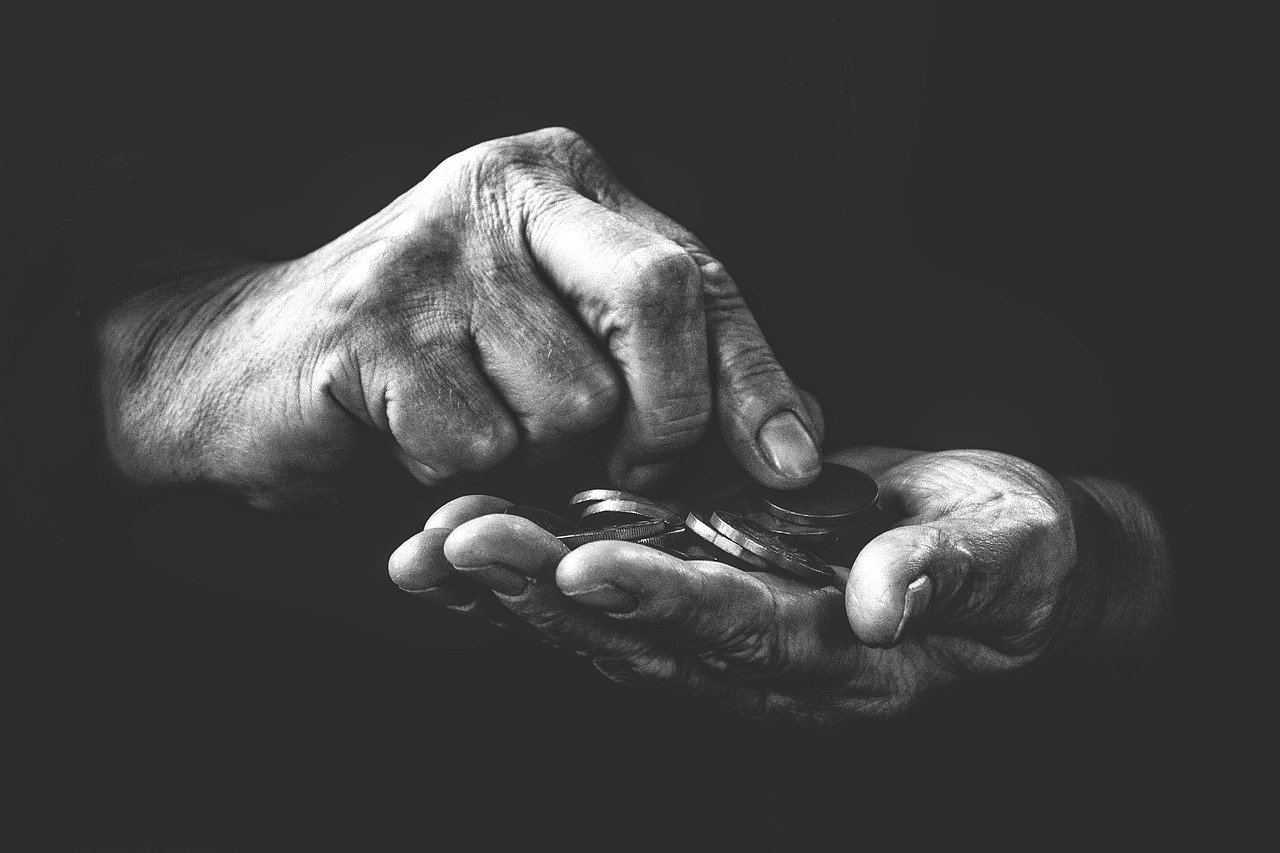
When did you last pay for something with a folded note pulled from your pocket? If you had to think about it, you are among many people. Yet even in countries moving quickly toward card taps and phone wallets, physical money has not disappeared. It stays in wallets, tins and safe boxes, doing jobs that no app can fully replace.
This article looks at money in hand from several angles: the economics of cash, the practical habits that keep it useful, the risks that come with it, and the policy debates that decide whether it survives. It is not a history lesson. It is a working guide to what cash does well, where it fails, and how to hold it without losing sleep.
What “Money in Hand” Actually Means
The phrase carries at least three meanings, and mixing them up causes confusion.
Physical cash is the obvious one: banknotes and coins you can touch. Cash in hand in accounting means liquid funds available right now, including money in a current account. And in everyday speech, “money in hand” often just means being paid, or having spending power without delay.
The distinction matters. A person with a healthy bank balance but no notes in their wallet is cash-rich on paper and cash-poor at the bakery that only takes coins. A person with a drawer full of notes may have plenty of money in hand and no way to pay a landlord who wants a bank transfer. Both are real, and both shape how people behave.
Why People Still Keep Cash Close
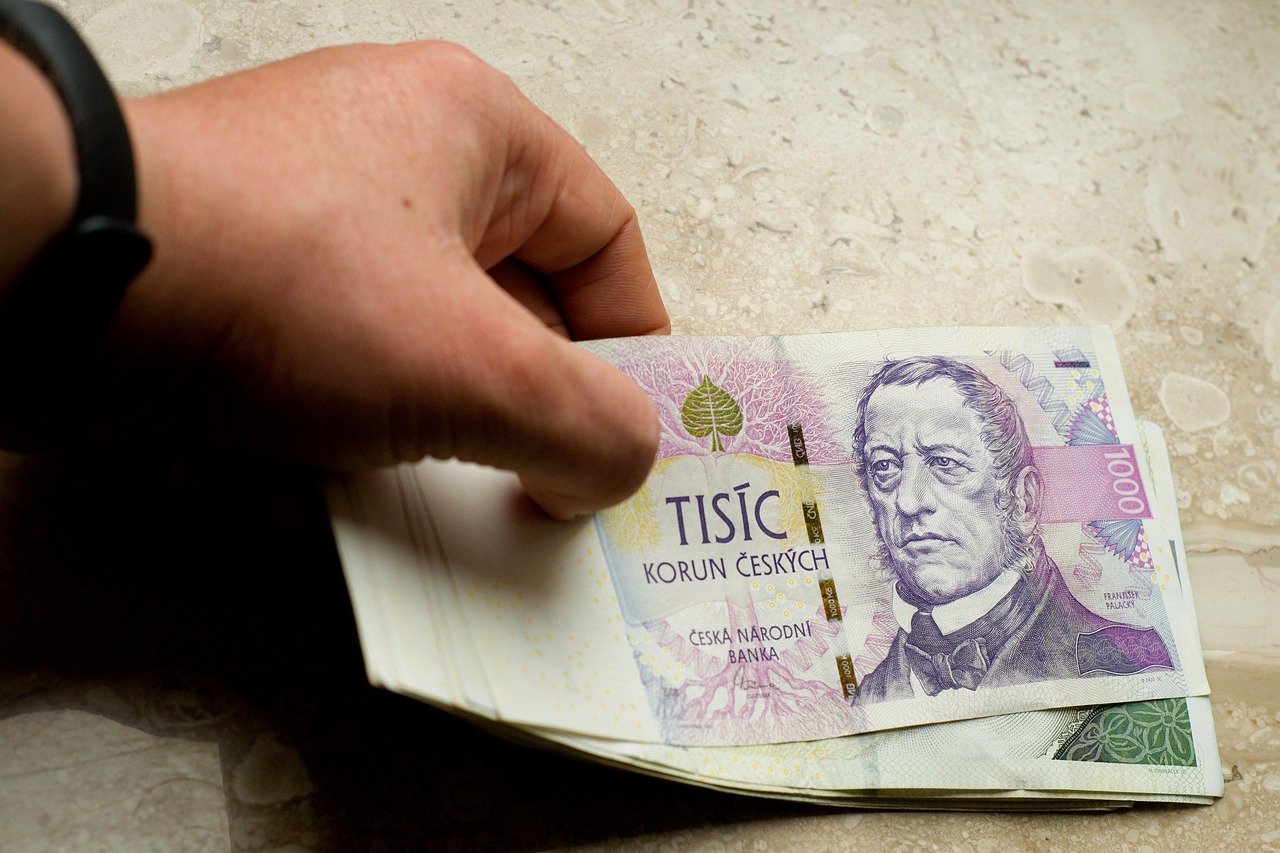
Cash has properties that digital money cannot copy. It settles instantly, needs no electricity, leaves no transaction record with a third party, and works when a payment terminal is down. For small transactions it is often faster than a card, especially in markets where terminals are slow or unreliable.
There is also a psychological pull. Handing over a note feels like spending; tapping a card does not. Many people report that they spend less when they budget with physical cash, because the shrinking pile is visible. That feedback loop is hard to replicate with a screen.
Then there is the resilience argument. After a storm, a cyber incident, or a bank outage, cash keeps working. Emergency planners treat it as critical infrastructure for exactly that reason. Keeping some money in hand is not nostalgia. It is a small hedge against systems that occasionally fail.
The Economics: Who Holds Cash and Why
Central banks track two different things: the value of notes and coins issued, and the amount held outside banks. The first number keeps rising in most economies even where cash payments fall. The second is harder to measure and varies widely.
That gap tells a story. A lot of cash is not used for daily shopping at all. It sits in tills, tins, and drawers as a store of value, or moves through informal channels. Some of it supports activity that people would rather keep off the books. Some of it belongs to older people who simply trust it more than an app.
The policy debate follows the same split. Governments worry about tax evasion and crime; households worry about privacy and access. The honest answer is that both concerns are real, and any serious discussion has to hold them together rather than pick a side.
Cash also connects to the wider question of who controls money. As central banks explore digital versions of their currencies, the role of physical notes becomes part of a bigger argument about privacy and state oversight. Readers curious about that shift can explore how a CBDC works and what central bank digital money means for cash users, because the design choices there will directly affect how long money in hand stays useful. (Money)
Practical Tips That Actually Work
Holding cash well is a skill, and most people learn it the hard way. A few habits make a real difference.
First, decide on a working float and a reserve. The float is what you carry for a week of small purchases. The reserve is a larger amount kept somewhere secure for emergencies. Mixing the two is how people accidentally spend their safety net on a Saturday night.
Second, keep small denominations. A single large note is hard to break and attracts attention. A mix of small notes covers buses, tips, market stalls, and the odd cash-only parking meter.
Third, store the reserve properly. A locked box at home is better than a drawer, and a bank safe deposit box is better still for larger sums. Home insurance policies often cap cash coverage, so check the limit before assuming you are covered. (Deposit Insurance)
Fourth, record what you hold. A simple note of how much is in the tin, updated monthly, prevents the slow leak that happens when cash is borrowed from and never returned.
The most common mistake is treating cash as invisible money. Because it leaves no statement, people forget it exists, then rediscover a stash months later and treat it as a windfall. Budgeting it like any other account fixes that.
Common Mistakes and How to Avoid Them
Beyond forgetfulness, several traps recur.
Carrying too much. The more you carry, the more you can lose. Keep the float modest and split it between pockets and bag.
Leaving cash in a hot car. Notes degrade, and a visible envelope invites theft. This sounds obvious until it happens.
Assuming legal tender means a shop must accept it. It does not, in most places. Legal tender governs the settlement of debts, not the right to buy a coffee with a £50 note. Shops can refuse cash, and many do. Knowing this saves arguments.
Skipping the receipt for large cash purchases. Without a record, returns and warranty claims become difficult. Ask for one even when paying in notes.
Ignoring the fraud angle. Cash itself is hard to counterfeit if you know what to check, but scams built around cash are common. The gift card scam pattern, where victims rarely recover their money, is a useful reminder that the weakest point in any cash transaction is usually the human, not the note.
Cash Versus Digital: An Honest Comparison
Neither form of money wins everywhere. The table below sets out the trade-offs plainly.
| Feature | Physical cash | Digital payment |
|---|---|---|
| Speed at small merchants | Fast, no terminal needed | Depends on connection and hardware |
| Privacy from third parties | High | Low to moderate |
| Record keeping | Manual | Automatic |
| Theft risk | High if lost or stolen | Recoverable if reported quickly |
| Works during outages | Yes | Usually no |
| Access for unbanked people | Universal | Requires an account |
| Cost to merchant | Handling and banking costs | Processing fees |
The takeaway is not that one is better. It is that a household or business with only one channel is fragile. A mix, sized to your actual needs, is more resilient than either extreme.
The Cost Side of the Cash Equation
Cash is not free. Counting, transporting, securing, and insuring it all cost money. Retailers pay for till reconciliation and bank deposits. Banks pay for vaults and armoured transport. Those costs are real, and they are part of why some businesses push toward digital payments.
Security spending follows the same logic. Protecting cash on premises, and protecting the digital systems that increasingly sit alongside it, both require budget. For organisations weighing where that money goes, a breakdown of where identity threat detection costs actually land shows how quickly security budgets accumulate across overlapping tools and teams. Cash handling is one line item among many, and it is worth seeing the whole picture before cutting any single one.
For individuals, the costs are smaller but still present: insurance limits, the risk of loss, and the opportunity cost of money sitting idle instead of earning interest. A reserve of cash is a trade-off, not a free lunch.
What Cash Means for Inclusion and the Informal Economy
For millions of people, cash is not a preference. It is the only option. Informal workers, small traders, and people without documented income often live entirely outside the banking system. For them, money in hand is not a lifestyle choice; it is access.
This is why rapid moves toward cashless societies raise fairness questions. If a bus, a market, or a public service stops accepting notes, the people who depend on them are excluded, not modernised. Sweden’s shift away from cash is often cited as a model, but it has also prompted debate about who gets left behind.
The practical lesson for anyone designing payments, whether a shop owner or a policy maker, is to keep a cash path open. It costs little and protects a lot.
Building a Sensible Cash Strategy
A workable approach has four parts.
- Set a weekly float based on real spending, not guesswork. Track it for a month, then adjust.
- Keep a separate emergency reserve in a secure place, and check your insurance limit.
- Store notes flat and dry, away from heat and sunlight, and rotate older notes through normal spending.
- Review the balance monthly and reconcile it against your budget.
That is it. No apps, no dashboards, no complexity. The point is to make cash visible and intentional rather than an afterthought.
How Technology Is Changing the Picture
Digital tools have not killed cash; they have changed what it is for. Automated budgeting apps now let people track spending without carrying notes, which removes one of cash’s traditional advantages. At the same time, the same tools create new ways to earn and manage money that were not available a decade ago. Anyone curious about that side of the equation can look at practical ways to make money with AI tools, though the sensible rule remains the same: understand the costs before committing.
Businesses face a parallel shift. Automation can cut the cost of handling payments and records, but it can also add hidden expenses if adopted carelessly. A guide to using AI business automation without wasting money is worth reading before signing up for anything, because the cheapest system is the one that actually fits how you work.
The likely future is not cashless or cash-only. It is a blend, with digital dominant for large transactions and routine bills, and cash holding its ground for small purchases, emergencies, privacy, and the people who have no other choice.
Conclusion
Money in hand is neither obsolete nor sacred. It is a tool with specific strengths, specific costs, and a stubborn tendency to survive predictions of its death. The sensible position is not to romanticise it or to rush it out the door, but to use it deliberately: a modest float for daily life, a secure reserve for emergencies, a clear record so it does not vanish, and an awareness of the scams and costs that come with it. Whether you are budgeting a household, running a shop, or shaping policy, the question is not whether cash should exist. It is how well you handle it while it does.
Frequently Asked Questions
What does “money in hand” mean in accounting?
In accounting, cash in hand usually refers to liquid funds a business can access immediately, including petty cash and current account balances. It is distinct from physical notes and coins, though the two are often confused in everyday speech.
Is it legal for a shop to refuse cash?
In most jurisdictions, yes. Legal tender rules govern the settlement of debts, not the right to make a purchase. A business can set its own payment terms, so a shop may decline notes as long as it states this clearly before the sale.
How much cash should a household keep at home?
There is no universal figure. A common approach is enough to cover a few days of essential spending plus a small emergency reserve, kept securely and within your home insurance limit. The right amount depends on your risks and local infrastructure.
Does keeping cash at home affect insurance?
Often yes. Many home policies cap the amount of cash they will cover and may require it to be in a locked safe. Check the limit before assuming a large reserve is protected, and keep receipts or records where possible.
Why is cash still growing in circulation if payments are going digital?
Because cash serves as a store of value as well as a means of payment. Notes held outside banks, in tills, tins, and abroad, keep demand high even where card and phone payments dominate at the checkout.
Is a cashless society likely?
Not soon, and probably not completely. Digital payments are becoming the default for routine spending in many countries, but cash remains important for emergencies, privacy, inclusion, and small transactions. Most economies are heading toward a blend rather than a clean break.



